
Waterfront Surrendered to Sound: Inside the 2026 Cape Town Jazzathon

Get ready for the Cape Town Jazzathon, a free music party turning the waterfront into a wild stage! From January 911, 2026, you'll hear amazing jazz from new stars and old pros, all without a ticket. Imagine marble docks as drum spots and glass shops echoing bass, as boat horns and even the noon gun become part of the music. It's a joyful, loud celebration where everyone is welcome to dance and soak in the sounds.
Get ready for the Cape Town Jazzathon, a free music party turning the waterfront into a wild stage! From January 9-11, 2026, you’ll hear amazing jazz from new stars and old pros, all without a ticket. Imagine marble docks as drum spots and glass shops echoing bass, as boat horns and even the noon gun become part of the music. It’s a joyful, loud celebration where everyone is welcome to dance and soak in the sounds.
What is the Cape Town Jazzathon?
The Cape Town Jazzathon is a free, open-air music festival held annually at the Victoria & Alfred Waterfront. From January 9-11, 2026, it transforms the waterfront into a vibrant stage for diverse jazz performances, featuring both established artists and emerging talents from various genres, without an entry fee.
Get Cape Town news in your inbox
Stay updated with the latest stories from the Mother City.
1. A City Stage Flips Its Script
For three January days the Victoria & Alfred Waterfront stops being a postcard mall and turns into a giant, open-air music lab. Marble quays become drum risers, swing bridges morph into speaker stands and glass shopfronts echo walking bass lines back at the ocean. Between 09:00 and 11 January 2026 the 29th Cape Town Jazzathon colonises every corridor without charging a cent – no tickets, no velvet rope, no “gold circle”. The only entry requirement is curiosity and the good manners to arrive before noon if you want a sun-warmed slab of granite to sit on while the first cymbal sizzles.
The formula has stayed stubbornly the same since 1997: JCQ Productions curates, the national Mzanzi Golden Economy fund foots most of the bill, and the crowd decides what “jazz” actually means this year. Musicians are flown in from cedar-clad Cederberg villages and Kinshasa nightclubs, booked on the single condition that they can defend their place under the ever-stretching jazz umbrella. The result is controlled creative chaos: seventeen teenage brass players share the timetable with a Congolese loop artist whose amplifier looks rescued from a scrapyard, yet somehow the sonic jigsaw fits.
Harbour operations do not stop for art. Catamarans still honk, gulls still squabble and the noon gun still booms from Signal Hill. Organisers treat these intrusions as honorary band members, building harbour noise into arrangements so that even the city’s everyday chores feel like swing accents.
2. Friday: Teenage Brass Meets the Noon Gun
Opening day belongs to high-schoolers. The Artscape Youth Jazz Band averages sixteen years of age – younger than the festival itself – and their 2026 suite “Bo-Kaap to Blouberg” turns muezzin calls into slippery 7/4 swing and the R27 coastal road into a brass-powered boogaloo. Theatre director-turned-conductor Mandla Mbothwe demands that the kids improvise “like minibus taxis changing lanes,” and the horns respond with seagull-dive squeals that panic the resident pigeons.
Donvino & The Cape Horns follow, brandishing a new single, “Devil’s Peak at Dusk.” Studio version already layers John Coltrane motifs over gqom bass bricks; live, the band detonates a field recording of the noon gun precisely as drummer Lindiwe Ntuli crashes her china cymbal. Rehearsals took place at 11:45 all week so the PA could lock in with a cannon that has announced midday since 1806. The blast ricochets off glass façades, a metallic call-and-response between history and right now.
As shadows lengthen, passers-by become participants. Office clerks in lanyards twirl with coffee cups; security stewards bob their flashlights in time. No one checks bags or demands proof of purchase; the only currency is enthusiasm, spent loudly.
3. Saturday: Strings, Wind and a Boat-Propeller Rumba
Mid-festival focus shifts to strings. Chadleigh Gowar, fresh from three years anchoring Nigeria’s Afropolitan orchestra, steps onstage alone with a six-string electric upright and a pedalboard that could land a 747. His set “Kloof Street Kora” samples West African harp licks, detunes them to a Cape minor pentatonic and slaps kwela rhythms against minstrel jaunts. Waterfront glass throws every note back a beat late, accidentally inventing a one-man round; instead of fighting the echo, Gowar writes it into tomorrow’s chart.
Julius May, Seville-trained finger-style guitarist, follows with a trio whose drummer triggers samples from a wired cajón. “Southeaster Sketches” imitates Cape Town’s notorious summer gales: flutter-tongued flute, nylon-string flamenco rasps and, at the emotional apex, May’s 72-year-old dock-worker father recites a labour-rights poem over an E-minor drone. Listeners hear jazz intertwine with dock history in real time, something the festival has never before attempted and may never need to repeat – the moment is archive enough.
Evening climaxes with Hassan’Adas, a fourteen-piece Latino-Afro-fusion outfit named after a Havana greeting. Congas duel with a boat-propeller struck by an Allen key, anchoring the set to the city’s fishing DNA. When vocalist Venus Kamente launches into “Amampondo no Mozambique,” salsa couples occupy every cobblestone gap and barefoot kids clap cross-rhythms security can’t shoo away. The harbour smells of diesel and roasted corn; both fit the groove.
4. Sunday: Sacred Grooves, Hidden Tech and the Quiet Afterglow
Sunday opens with the “Gospel According to Jazzathon,” a 40-voice choir, a borrowed Hammond B3 and three horn-ringers who played secular sets the previous nights. Arranger Luvuyo Mangcu reharmonises township hymns with Dave Brubeck-tinged 5/4, fusing “Nkosi Sikelel’” with Coltrane’s “Acknowledgement.” The call-and-response grows so loud that a harbour-cruise captain kills his engine so passengers can film from the upper deck, phones raised like votive candles.
Away from the spotlight the festival hums with micro-events. Under the swing bridge Chadleigh Gowar teaches eight-year-olds to build washtub basses from paint tins and broomsticks. A roped-off “quiet zone” hands out earplugs stamped “Keep your treble safe.” Makers’ Landing food labs dish a “Winelands Wail” pap-and-pulled-snoek taco alongside a rooibos-espresso affogato whose stripes allegedly match the chord changes of Abdullah Ibrahim’s “Mannenberg.”
Technology slips in politely. QR banners offer loss-less stems of every set thirty minutes after the last chord, negotiated by JCQ so streaming revenue funnels straight to musicians. An AI-generated Spotify playlist updates nightly, mashing 2026 performances with archival solos, letting a teenage trumpeter blow over 2003 piano voicings. Sustainability is equally slick: solar-charged lithium bricks feed a 12 kW PA, artist lounges are ventilated by seawater heat-exchange, and change-overs happen in fifteen minutes while a roaming historian drops 60-second jazz anecdotes to keep the crowd entertained.
When harbour lights dim at 19:45 – a courtesy to the neighbouring naval museum – Fancy Galada’s 50 dancers strap reflective bracelets to ankles and trace galaxies across the flagstones, competing with the real Milky Way. By 20:00 Sunday the amps spit their last tide-like hiss; roadies coil cables, programmes flap like tired gulls and a lone busker tests one trumpet note, unsure if the magic has expired. It hasn’t. Somewhere in Langa a teenager slices tonight’s crowd noise into tomorrow’s beat; in a Long Street bar drummers count cash from hand-to-hand CD-Rs. The Jazzathon never closes – it just migrates on the night breeze, a restless sound that will roost at the Waterfront again in 364 days.
Frequently Asked Questions
What is the Cape Town Jazzathon?
When and where will the 2026 Cape Town Jazzathon take place?
Is there an entrance fee for the Cape Town Jazzathon?
What kind of music can I expect to hear at the Jazzathon?
How does the Jazzathon incorporate the city's environment into the performances?
What are some additional features and experiences at the Jazzathon?
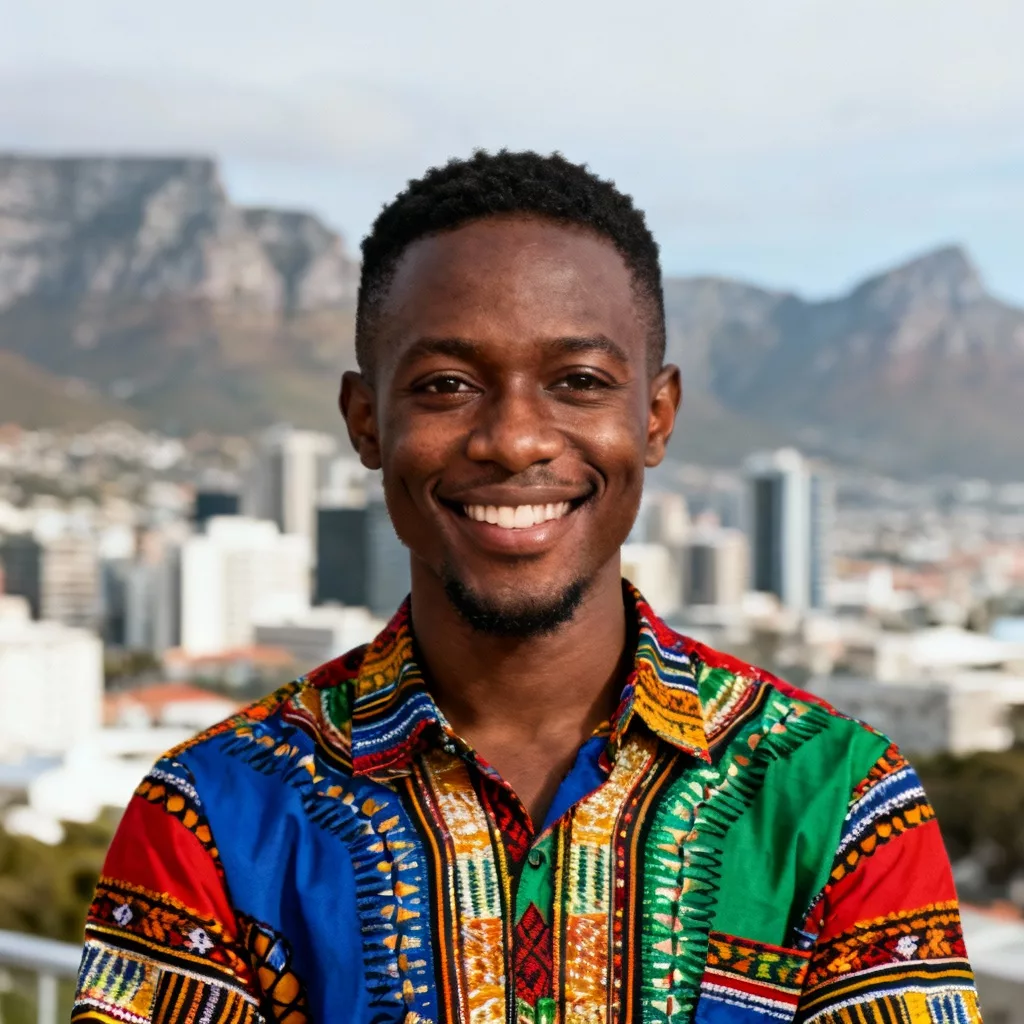
Thabo Sebata is a Cape Town-based journalist who covers the intersection of politics and daily life in South Africa's legislative capital, bringing grassroots perspectives to parliamentary reporting from his upbringing in Gugulethu. When not tracking policy shifts or community responses, he finds inspiration hiking Table Mountain's trails and documenting the city's evolving food scene in Khayelitsha and Bo-Kaap. His work has appeared in leading South African publications, where his distinctive voice captures the complexities of a nation rebuilding itself.
View all articles →