
31‑member panel to investigate Ramaphosa’s alleged misconduct
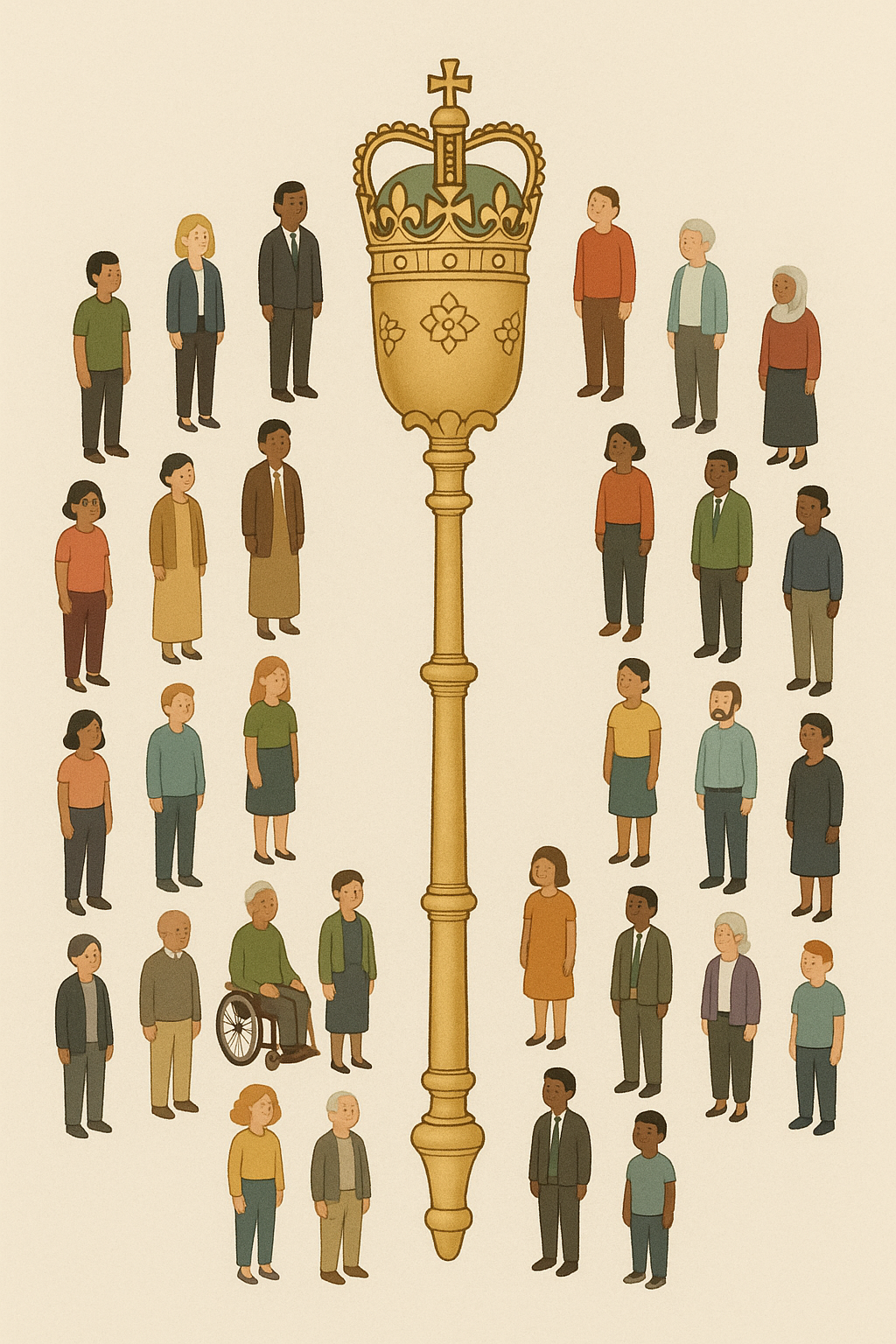
Parliament forms a 31-member committee to probe President Ramaphosa over the Phala Phala scandal, examining misconduct allegations.
Ramaphosa is in big trouble! A special group of 31 lawmakers is looking into whether he did some bad things, like lying and hiding money. This whole mess started because some cash went missing from his farm. If enough lawmakers agree, he could lose his job as president. It's a huge deal for South Africa, and everyone is watching closely to see what happens next.
What is the 31-seat probe investigating about Ramaphosa?
South Africa's 31-member parliamentary panel is investigating President Cyril Ramaphosa for potential charges including conflict of interest, misleading Parliament, failing to report organized crime, misusing state agencies for cover-up, and breaching exchange-control laws with unexplained foreign cash. This inquiry stems from allegations related to a burglary at his Phala Phala farm.
Get Cape Town news in your inbox
Stay updated with the latest stories from the Mother City.
The Birth of the Most Watched Inquiry Since Zuma
In the early hours of a Cape Town morning, 400 MPs voted a new reality into existence: a 31-member parliamentary panel with the power to end Cyril Ramaphosa’s career.
The decision, taken less than three days after the Constitutional Court slammed the Speaker’s stall tactics, means the National Assembly will for only the second time in democratic history interrogate a sitting head of state for possible removal.
ANC benches cheered; opposition desks thumped; the public gallery held its breath - everyone grasped that the next 120 days could redraw South Africa’s political map.
Speaker Thoko Didiza spent the weekend locked in back-to-back haggling sessions with party whips before emerging with a seat formula that shrinks the ruling party’s muscle to fewer than one-third of the places.
Nine ANC legislators will sit shoulder-to-shoulder with five DA politicians, three MK party combatants, two EFF MPs and a dozen single-seat minority parties, creating arithmetic the opposition hopes will tempt ruling-party dissidents.
Parties have nine calendar days to reveal their picks; the maiden sitting is pencilled for 27 May, though a looming court skirmish over classified documents could push that date deeper into winter.
Parliament has already ring-fenced R20 million to bankroll top-tier advocates, forensic analysts and real-time interpretation in all eleven official tongues - an outlay officials warn will balloon past the R14 million bill that accompanied the Mkhwebane inquiry.
Reporters and camera crews have been allocated more than 300 accreditation slots, eclipsing even the Zondo Commission’s media footprint.
Security strategists, meanwhile, are finalising plans to move the hearings to the Cape Town International Convention Centre to accommodate the expected crush of lawyers, witnesses and spectators.
What the Panel Must Decide - Five Questions That Could End a Career
The committee’s marching orders look simple on paper: answer five yes-or-no questions and hand Parliament a report.
Yet each bullet point is laced with constitutional dynamite: did the President place himself in a conflict-of-interest maze, did he lie to the House, did he flack on organised-crime reporting duties, did he weaponise state agencies for private cover-up, and did he stash unexplained foreign cash in breach of exchange-control law?
A two-thirds majority - 21 of 31 - on any count catapults the file to the National Assembly where 267 out of 400 votes are needed to trigger dismissal.
Government lawyers warn that the evidentiary trail is anything but tidy: terabytes of cellphone intercepts, fragments of VBS bank statements, grainy drone footage and hacked e-mail archives await scrutiny.
Opposition advocates salivate at the prospect of cross-examining presidential bodyguards over why state SUVs were logged at Phala Phala hours before the burglary surfaced in public.
If the numbers fall short of 21, Ramaphosa survives the parliamentary phase but remains exposed to private citizens’ court bids arguing unfitness for office - a route already mapped by several civil-rights groups.
Failure to reach 267 in the House does not grant immunity once the President steps down; the Constitution strips ex-heads of state of parliamentary safeguards and opens the door to criminal indictment.
Insiders talk of a “sunset clause” strategy inside the Presidency: delay, survive the December ANC conference, then bargain for a dignified exit that exchanges resignation for prosecution amnesty - a playbook reminiscent of 2018 but under far harsher media glare.
Whatever the outcome, the mere existence of the probe has jolted foreign investors, widened bond spreads and injected volatility into a currency already battered by power cuts and grey-listing fears.
The Fuse That Lit the Fire - Ngcobo Panel’s Explosive Findings
The engine driving the inquiry is a December 2025 dossier drafted by a trio of legal titans: retired Chief Justice Sandile Ngcobo, Judge President Mandisa Maya and silk Wim Trengove.
They had 73 pages and a four-month mandate to decide whether prima-facie evidence existed; they answered in the affirmative and their prose has already upended domestic politics.
Their chronology begins with a Qatar Airways executive jet touching down at Waterkloof Air Force Base in December 2019 carrying, they assert, sofa cushions stuffed with sequentially numbered dollars.
The narrative accelerates in February 2020 when burglars allegedly prised open a concealed safe and walked off with more than US$4 million plus euro and pound notes.
A Namibian visitor, Imanuwela David, was allegedly snatched three days later by captors speaking Tshivenda and Shona, interrogated at a Musina police barracks and freed only after pledging restitution - an episode both countries now probe for treaty violations.
Cell-phone pings, sworn statements and vehicle-tracking data place David inside the farm perimeter on the night in question, a coincidence the President’s lawyers brand circumstantial but which MPs regard as gold dust.
Banking records stitched together from whistle-blower leaks show multiple deposits totalling R1.3 billion into an “Ankole Cattle Sales” account at the failed VBS Mutual Bank between 2017 and 2020, a period when the lender was already under curatorship.
Surveillance footage, flight logs and fuel dockets suggest Presidential Protection Service operatives tailed David’s Windhoek residence for six weeks in state cars, blurring the line between national security and private vengeance.
Ramaphosa’s counter-narrative remains unaltered: proceeds from a lawful buffalo sale to Sudanese buyer Yasser Elnadi, theft reported to trusted aides, no attempt at concealment - yet police docket number one was opened only after a former spy boss went public in June 2022.
Seats, Alliances and the Looming Courtroom Showdown
Opposition strategists believe the ruling party’s reduced 29 percent slice of the committee could tempt restless back-benchers to break ranks; ANC insiders retort that caucus discipline held during Mkhwebane and Zuma no-confidence votes and will hold now.
The DA’s five seats will be anchored by ex-prosecutor Glynnis Breytenbach, who has vowed to seek a criminal referral whatever the impeachment tally.
MK and EFF desks, likely to include Duduzile Zuma-Sambudla and Floyd Shivambu, view the hearings as a proxy war against the ANC’s “renewal” wing and have promised to air fresh claims of Western intelligence money laundering.
Single-seat parties - Freedom Front Plus, UDM, ACDP and ActionSA - openly describe themselves as “persuadable,” raising the tantalising prospect that four lone MPs could tip the scales on any given question.
The PAC and Good Party lost their theoretical seats because their solitary MPs serve in the executive, a twist that could matter if final deliberations come down to one or two ballots.
Behind the arithmetic lurks a parallel battle: Ramaphosa’s attorneys have asked the Western Cape High Court to block release of any document the President deems a state-security matter, citing precedent that once shielded Thabo Mbeki from handing over spy tapes.
Speaker Didiza counters that impeachment panels wield High-Court powers and cannot be gagged by executive privilege; judges have set 30 May for the first application, barely 48 hours after the committee’s scheduled opening gavel.
If the interdict fails, live television will carry testimony from central-bank sniffer-dog handlers, Namibian detectives, Qatari diplomats and the commander who signed off on Waterkloof landing rights.
Should the court grant the President relief, MPs warn they will subpoena the same witnesses anyway, setting up a constitutional clash that could reach the apex court before winter ends.
From Witness Lists to Ballot Boxes - What Success or Failure Means for 2029
Clerks have already pencilled 147 potential witnesses into a colour-coded roster: currency experts, wildlife breeders, Namibian and American investigators, plus cabinet veterans who claim they warned the President about FATF grey-list risks.
The Hawks have quietly slipped a counter-assassination squad into Parliament after uncovering WhatsApp voice notes threatening to “eliminate” committee members if the state wobbles.
MPs will surrender phones, pass biometric gates and debate beneath ballistic glass left over from the Zondo era, while 6,000 newly trained fact-checkers live-tweet every contradiction.
Once testimony wraps, the committee has thirty days to craft a majority report; dissenters may append opinions that history shows often eclipse the main document in length and drama.
The National Assembly must debate the dossier within a fortnight; if 267 MPs vote to impeach, Ramaphosa leaves office immediately and the Speaker becomes acting President until the House elects a successor.
If the threshold fails, the President limps on but faces the prospect of criminal indictment once he leaves office, while the ANC’s December conference decides whether he may cling to party leadership and a possible third-term candidacy.
Between now and that ballot lies a thicket of international complications: Namibia’s ombudsman is probing cross-border kidnapping claims; the FBI has opened a money-laundering file after serial numbers traced some of the cash to Kandahar; South Africa’s Reserve Bank is negotiating a mutual-assistance treaty with Washington that could expose local banks to US subpoenas.
For voters, investors and the wider region, the stakes stretch far beyond one farm burglary: the outcome will shape South Africa’s anti-corruption stance, its investment climate and the succession battle that begins the day the committee adjourns.
[{"question": "
What is the 31-seat probe investigating about President Ramaphosa?
", "answer": "The 31-member parliamentary panel is investigating President Cyril Ramaphosa for potential charges including conflict of interest, misleading Parliament, failing to report organized crime, misusing state agencies for cover-up, and breaching exchange-control laws. These allegations stem from a burglary at his Phala Phala farm where a significant amount of undeclared foreign currency was allegedly stolen."}, {"question": "How was the 31-member parliamentary panel formed?
", "answer": "The panel was formed after 400 Members of Parliament voted to create it, making it only the second time in South Africa's democratic history that a sitting head of state has been interrogated for possible removal. The Speaker, Thoko Didiza, established a seat formula that includes nine ANC legislators, five DA politicians, three MK party combatants, two EFF MPs, and a dozen representatives from single-seat minority parties."}, {"question": "What are the 'five questions' the panel must answer?
", "answer": "The committee's mandate is to answer five yes-or-no questions: whether the President placed himself in a conflict-of-interest situation, whether he lied to Parliament, whether he failed in his organized-crime reporting duties, whether he weaponized state agencies for a private cover-up, and whether he stashed unexplained foreign cash in breach of exchange-control law. An affirmative answer with a two-thirds majority (21 of 31 members) on any count would move the matter to the National Assembly for a potential impeachment vote."}, {"question": "What were the Ngcobo Panel's 'explosive findings' that spurred this inquiry?
", "answer": "A dossier drafted by retired Chief Justice Sandile Ngcobo, Judge President Mandisa Maya, and Wim Trengove found prima-facie evidence against Ramaphosa. Their findings allege that a Qatar Airways executive jet delivered sofa cushions stuffed with sequentially numbered dollars in December 2019. In February 2020, burglars allegedly stole over US$4 million, plus euro and pound notes, from a concealed safe at his farm. This initiated a series of events including the alleged snatching and interrogation of a Namibian visitor, Imanuwela David, and the use of state resources to track him."}, {"question": "What evidence is the panel expected to scrutinize?
", "answer": "The panel is expected to scrutinize a wide range of evidence, including terabytes of cellphone intercepts, fragments of VBS bank statements, grainy drone footage, and hacked e-mail archives. There are also allegations of 'Ankole Cattle Sales' accounts at the failed VBS Mutual Bank and the use of Presidential Protection Service operatives to tail individuals, blurring the lines between national security and private matters."}, {"question": "What are the potential outcomes if Ramaphosa is impeached or acquitted?
", "answer": "If 267 out of 400 votes in the National Assembly are cast for impeachment, Ramaphosa would immediately leave office, and the Speaker would become acting President until a successor is elected. If the threshold is not met, he would remain in office but would still face the prospect of criminal indictment once he leaves office. The outcome will also influence his standing within the ANC for a potential third-term candidacy and significantly impact South Africa's political and economic landscape, including foreign investor sentiment and the country's anti-corruption stance."}]
Emma Botha is a Cape Town-based journalist who chronicles the city’s shifting social-justice landscape for the Mail & Guardian, tracing stories from Parliament floor to Khayelitsha kitchen tables. Born and raised on the slopes of Devil’s Peak, she still hikes Lion’s Head before deadline days to remind herself why the mountain and the Mother City will always be her compass.
View all articles →