
9 Cape Town museums that aren’t on anyone’s fridge magnet
Uncover Cape Town's hidden depths! Explore nine unique spots, from a submarine museum to a perfume lab, revealing the city's true essence.
Forget the usual tourist traps and dive into Cape Town's secret spots! Explore the District Six Museum, where old streets come alive with stories, and see the Cape Town Museum of Childhood, filled with unique toys and tales. Visit Groote Schuur Hospital, where the first heart transplant happened, or squeeze into the SAS Assegaai submarine for a real adventure. You can also wander through a field of rusting cars at the Wijnland Auto Museum or sniff out history at the Perfume Museum. These hidden gems offer a true taste of Cape Town's deep history and vibrant soul, far from the crowds.
What are some unique, off-the-beaten-path attractions in Cape Town?
Cape Town offers hidden gems beyond typical tourist spots. Explore the District Six Museum's living history, the Cape Town Museum of Childhood, and the Groote Schuur Hospital where the first heart transplant occurred. Discover the SAS Assegaai submarine, Wijnland Auto Museum, and the Perfume Museum for a truly unique experience.
Get Cape Town news in your inbox
Stay updated with the latest stories from the Mother City.
The City Bene the Guidebooks Ignore
Cape Town never rests on scenic clichés alone. Granite cliffs and postcard bays hide seams of memory you can taste, smell and touch - if you know where to look. Venture past the cable-car queues and you’ll discover rooms where apartheid bulldozers still echo, torpedo tubes that once cruised the Benguela Current, and drawers that exhale Victorian rose essence even after 130 years. The places below are nine such seams, plotted like a star chart for the curious. Together they form a long weekend’s route through the peninsula - no two stops more than an hour apart - that offers more truth in three days than a week of standard tours.
Each address is chosen precisely because it sits outside the usual Rolodex of “top-10” lists, yet distils something vital about how this city negotiates geology, history, and imagination. Pack comfortable shoes, a refillable water bottle, and an appetite for stories told by the people who lived them.
Mapping Memory in Brick, Steel, and Felt
Streets Erased and Re-drawn
Start on Buitenkant Street, where an unassuming warehouse door opens into the District Six Museum. What looks like a community hall becomes a living archive the moment elderly ex-residents spread felt-tip pens over a vast floor-map of vanished streets. They circle vanished cinemas, add whispers of corner shops, and tell you why a single enamel chamber pot matters more than any bronze statue. The museum lets you walk across the past, but you never really leave it; the reclaimed doorframes, tram tickets and school blazers insist that memory is not cordoned off behind glass.
Arrive at 10:30 on a weekday and slide into a “memory circle.” Joe Schaffers might pass you a 1970s bus token while he narrates the night his street disappeared. Entry is only R60, and if the circle runs long, the staff will simply dim the lights so the only glow comes from the felt-tip ink as names reappear.
Children in Revolt, Children at Play
A short Uber hop south lands you in Rondebosch, where a 1930s red-brick house hides the Cape Town Museum of Childhood. Inside, no dusty teddy bears plead for nostalgia. Curators slice the experience into eight rooms: play, protest, ritual, migration, health, imagination, schooling and labour. A wire football stitched from 1980s shopping bags hangs beside a Xhosa initiation blanket; a 1948 Afrikaans lullaby segues into a 1992 kwaito bootleg recorded in a Gugulethu backyard. Children sprint to the mock-1970s TV room while adults linger over beaded dolls strung like tiny prisoners - primary-school creations from the year police raids shuttered their playground. Entry is free, and on Saturdays storytellers stage isiXhosa shadow-puppet shows that end with kids folding cardboard taxi-cabs they can take home.
Skin, Steel, and Scalpels: When History Changed Gear
The Theatre Where a Heart Beat for Two
At Groote Schuur Hospital, fluorescent tubes buzz above the original theatres where, on 3 December 1967, surgeon Christiaan Barnard lifted Denise Darvall’s heart into Louis Washkansky’s chest. The porcelain scrub sinks still gleam, the ether bottles remain capped, and the narrow anaesthetic bay admits only six visitors at a time. Stand on the catwalk where journalists once pressed their noses to glass and listen to a retired theatre sister recall how the ECG line kept climbing even after the switch was thrown. Tours must be booked in advance; the faint note of disinfectant is no prop but the same brand the hospital still uses.
57 Metres of Salt and Steel
South Africa’s only submarine museum opens when you duck through a torpedo hatch in Simon’s Town. The French-built SAS Assegaai once carried fifty men through the Benguela Current; now guides - usually former petty officers - swing from hatches to demonstrate how two sailors squeeze past each other in a corridor the width of a dinner plate. Peer into the control room’s “museum cabinet” and you’ll still find a roll of 2003 stamps cancelled aboard. Ask Trevor (retired) to seal you in the emergency trunk for forty-five seconds; as the hull warms under the Cape sun it pings like a slow heartbeat veterans swear they can still hear at night.
Engines, Essence, and Escape Velocity
Cars Becoming Earth
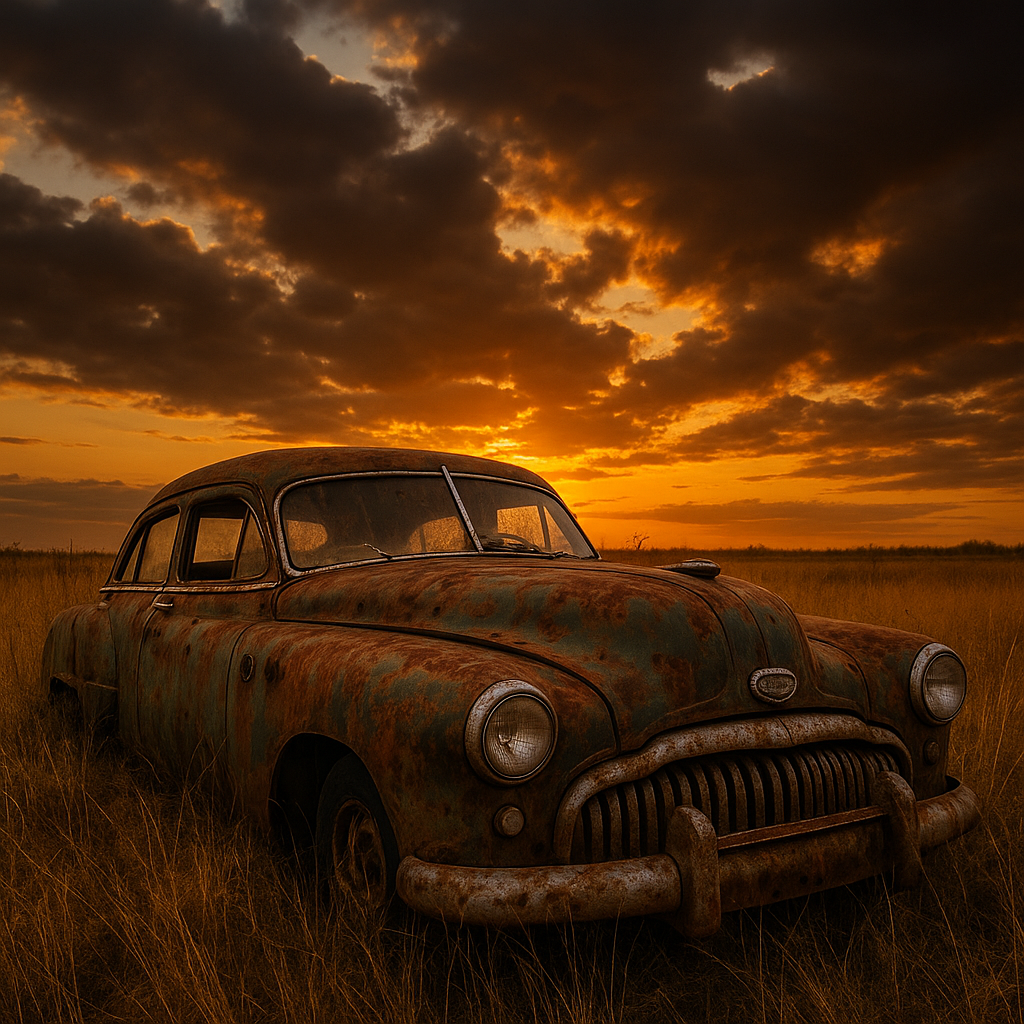
Fifteen kilometres inland, the N1 unrolls toward a shimmering field of oxidised metal. Les Boshoff’s Wijnland Auto Museum spreads 410 vehicles across fifteen hectares like a sculptor’s deliberate rust garden. Bullet-nose Studebakers that once ferried apartheid ministers stand nose-to-tail with a Convair 990 that smuggled cigarettes into Luanda. Nothing is fully restored; decay itself is the exhibit. A 1959 Mercedes 190SL reclines half-swallowed by veld grass while a Valiant Charger confronts a Boeing engine cowling in a surreal courtship ritual. Photographers call it “golden hour heaven” when the Atlantic sun ignites rust into molten orange. Finish with Pinotage at nearby Spier Wine Farm; the latter’s Cordon Bleu food truck parks conveniently beneath the Convair’s tailfin.
Bottled Time
Franschhoek trades on vines, yet on Lambrechts Road the Kumanovs bottle memory instead. Their Perfume Museum opens with three Roman tear-shaped vials still bearing fossilised myrrh. Step through a 1930s Johannesburg apothecary counter to the largest collection of KWV perfume bottles ever assembled - these once came free with sherry in the 1950s. The highlight is a sealed “smelling box” where you huff Victorian mourning attars versus 1980s “township blossom” colognes. Adjacent benches invite you to distill your own scent; mine ended up a wild marriage of buchu and kelp, a liquid postcard of False Bay after a winter storm.
Concrete Cathedrals of Now
Back in the city bowl, grain silos once stored 42 concrete tubes of maize. Architect Thomas Heatherwick gutted them into the Zeitz Museum of Contemporary Art Africa. Nine floors of galleries rotate works from 21 countries: El Anatsui’s bottle-top tapestries shimmer like chainmail; Zanele Muholi’s self-portraits stare back with diamond-hard intensity. Most visitors miss the rooftop sculpture garden where Kentridge’s five-metre bronze megaphone turns evening Atlantic wind into mournful brass. On Thursdays the atrium hosts late-night jazz; your ticket gains you a glass of local Chenin and reverberating sax notes that spiral up the silo cylinders like incense.
Compressed Starlight
Finally, shimmy into the Diamond Museum, Shimansky’s public gift to geeks and romantics alike. Begin with a kimberlite-pipe model: press a button and a bolt of light rockets upward at 200 km/h, mimicking diamonds’ volcanic ascent. Chat with cutters under 6000K daylight lamps, handle rough crystal faces, and load your phone with an augmented-reality app that lets you facet a virtual stone until it erupts into fire. Even if you leave without a purchase, you grasp why Neil Diamond isn’t the only one who caught starlight and set it in gold.
A Three-Day Itinerary and Survival Kit
Day One – City Bowl to False Bay
10:00 District Six Museum memory circle
13:00 Uber to Rondebosch Childhood Museum
15:00 Metrorail southern line: Observatory → Simon’s Town (whale sightings en route)
15:30 Last SAS Assegaai submarine tour - WhatsApp ahead to reserve
Evening Sunset fish-and-chips at Bertha’s Restaurant, watching naval vessels drift home
Day Two – Plains, Prisons, and Pistons
09:00 Train to Lentegeur, 18 Gangster Museum walking tour
13:00 Township lunch included (notify dietary needs)
14:30 Uber to Kuils River, Wijnland Auto Museum’s rust cathedral
18:00 Pinotage tasting at Spier Wine Farm - food truck on standby
22:00 Optional Diamond Museum “sparkle session” by fibre-optic light (book after-hours)
Day Three – Aromas and Art
09:00 Franschhoek Wine Tram+bus combo to Lambrechts Road Perfume Museum
12:00 Distil your own scent; picnic among vines
15:00 MyCiTi bus to Century City → Uber to Zeitz MOCAA
17:00 Late-night jazz and sculpture garden after dark
Tickets and Tricks
• Ask for the Museum Pass at the first stop - some venues offer reciprocal discounts already.
• Submarine slots vanish; WhatsApp works faster than email.
• Zeitz MOCAA opens free 17:00-21:00 Wednesdays for locals - carry proof of address.
• Pack layers: submarines can be chilly, perfume labs warm, and rooftop sculpture gardens windy.
Cape Town’s lesser museums are not footnotes; they are frontline arguments against forgetting. Whether you exit smelling of sea kelp, hearing the ping of a sun-warmed hull, or watching a rusted Buick slowly return to earth, you leave with the city’s pulse still drumming under your ribs.
[{"question": "
What kind of unique, off-the-beaten-path attractions can I find in Cape Town?
", "answer": "Cape Town boasts a collection of hidden gems that offer a deeper dive into its history and culture, far from the typical tourist crowds. You can explore the District Six Museum, which brings vanished streets to life with stories from former residents, or visit the Cape Town Museum of Childhood, filled with unique toys and tales. For a historical medical perspective, there's Groote Schuur Hospital, the site of the world's first heart transplant. Adventure seekers can squeeze into the SAS Assegaai submarine, while art and history enthusiasts might enjoy the Wijnland Auto Museum's field of rusting cars or the aromatic journey through time at the Perfume Museum. The Zeitz Museum of Contemporary Art Africa (MOCAA), housed in a transformed grain silo, also offers a unique artistic experience."}, {"question": "What is special about the District Six Museum?
", "answer": "The District Six Museum is a living archive where former residents share their memories of a vibrant community that was forcibly removed during apartheid. It's not just about static exhibits; elderly ex-residents actively engage with visitors, drawing on a vast floor-map of vanished streets and sharing personal stories. You can literally 'walk across the past' as reclaimed doorframes, tram tickets, and school blazers insist that memory is a tangible part of the present. Arriving at 10:30 on a weekday might allow you to join a 'memory circle' and hear firsthand accounts."}, {"question": "What can I expect at the Cape Town Museum of Childhood?
", "answer": "Located in Rondebosch, the Cape Town Museum of Childhood is far from a dusty collection of old toys. Its eight rooms explore themes like play, protest, ritual, migration, health, imagination, schooling, and labor, showcasing how childhood has been shaped by South African history. You'll find items like a wire football alongside a Xhosa initiation blanket, and hear lullabies from different eras. It's an interactive experience, especially for children who can enjoy a mock-1970s TV room, and on Saturdays, storytellers host isiXhosa shadow-puppet shows. Entry is free, making it an accessible and insightful visit."}, {"question": "Where can I learn about the first heart transplant?
", "answer": "You can visit Groote Schuur Hospital, specifically the original theatres where Christiaan Barnard performed the world's first heart transplant on December 3, 1967. The porcelain scrub sinks, ether bottles, and narrow anaesthetic bay remain, allowing visitors to step back in time. Tours must be booked in advance, offering a unique glimpse into this groundbreaking medical achievement. You might even hear recollections from retired theatre sisters about that historic day."}, {"question": "Is there a submarine I can explore in Cape Town?
", "answer": "Yes, South Africa's only submarine museum is the SAS Assegaai, located in Simon's Town. You can duck through a torpedo hatch to explore this French-built submarine that once carried fifty men through the Benguela Current. Guides, often former petty officers, demonstrate life aboard, showing how sailors navigated the tight quarters. You can peer into the control room and even ask a guide to experience being sealed in the emergency trunk for a few seconds. It offers a fascinating and compact adventure into naval history."}, {"question": "What unique museums focus on cars or scents?
", "answer": "For automotive enthusiasts, the Wijnland Auto Museum, located about 15 kilometers inland, is a surreal 'rust garden' featuring 410 vehicles spread across fifteen hectares. It's an exhibition where decay itself is the art, with classics like Studebakers and even a Convair 990 aircraft blending into the landscape, offering a unique photographic opportunity, especially during 'golden hour.' For a sensory experience, the Perfume Museum on Lambrechts Road in Franschhoek allows you to explore the history of scents, from Roman tear-shaped vials to Victorian mourning attars and 1980s 'township blossom' colognes. You can even distill your own unique scent, creating a personalized liquid souvenir of your trip."}]
Amanda Wilson is a Cape Town-born journalist who covers the city’s evolving food scene for national and international outlets, tracing stories from Bo-Kaap spice shops to Khayelitsha micro-breweries. Raised on her grandmother’s Karoo lamb potjie and weekend hikes up Lion’s Head, she brings equal parts palate and pride to every assignment. Colleagues know her for the quiet warmth that turns interviews into friendships and fact-checks into shared laughter.
View all articles →