
Adderley Street flower sellers oppose planned rules and tariffs
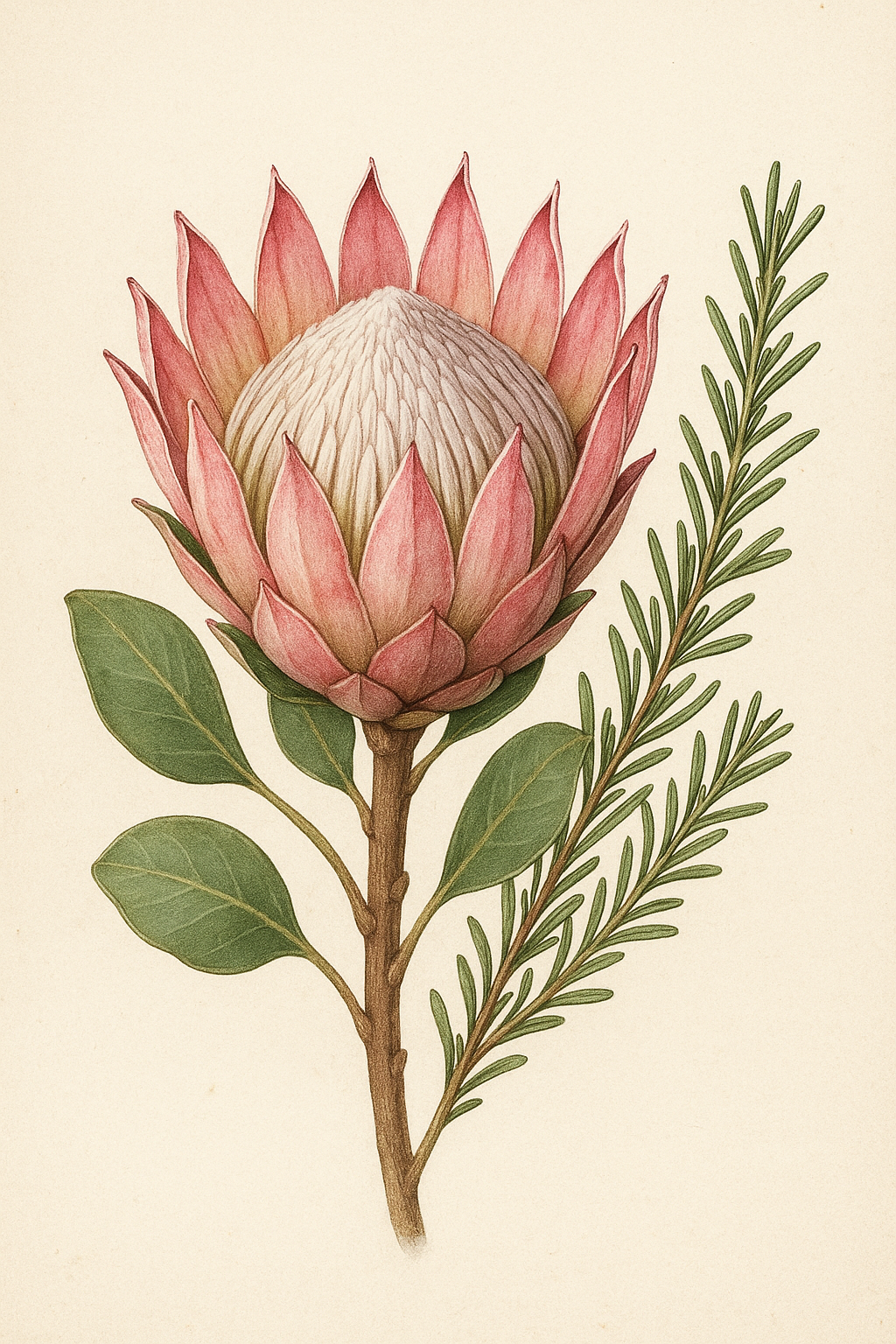
Explore Trafalgar Place, Cape Town's century-old flower market, facing modernization threats. Discover its history, community, and unique culture.
Trafalgar Place in Cape Town is a magical flower market, bursting with life and history. It's so old, it smells like a childhood you never had, with flowers arriving before dawn. This isn't just a market; it's a living museum, where old tools and family stories are passed down daily, even as the city tries to modernize it. It's a place where community matters more than money, and flowers are sold not just for beauty, but for comfort in the quiet hours of the night. But city plans threaten to change this special place, risking its unique charm and history.
What makes Cape Town's Trafalgar Place flower market unique?
Cape Town's Trafalgar Place flower market is unique due to its rich history, entrenched family legacies, and a community-driven operational model that prioritizes tradition over profit. It operates with an informal, organic structure, adapting to challenges like weather and urban planning, showcasing a vibrant, living archive of the city's heritage and community spirit.
Get Cape Town news in your inbox
Stay updated with the latest stories from the Mother City.
1. Dawn Smells Greener Than the Company’s Garden
At half-past four on ordinary weekdays, while delivery vans grumble through the side-streets off Buitengracht, the first plastic buckets tumble from bakkies onto the kerb of Trafalgar Place. Frangipani, carnation and strelitzia arrive before the traffic lights on Adderley remember what red means. By five-fifteen the pavement releases a scent lush enough to shame the Company’s Garden two blocks away. Brides hunting the perfect ivory, bouncers looking for buttonholes that survive a nightclub shift and grave-diggers who need blameless white all step over the same gutter.
The choreography never changes: lift the tarp, snap stems, slosh water, swear softly in four languages. The market has performed this pre-dawn ballet since before District Six was declared pigment-free, before the foreshore was stolen from the sea, before “informal trader” became a municipal insult. Clocks, mayors and apartheid governments have all ticked past; the buckets still land in the same square of tar.
No neon announces the opening. Instead, the scent itself is the advert: a green, peppery note that drifts up to the office towers and makes night-shift cleaners pause at windows. If you know, you know. If you don’t, you will still slow down, wondering why the city suddenly smells like a childhood you never lived.
2. Toolboxes Wearing Wooden Crates and Fountain Pens
Glenda Bowman’s stall is a living manual. She can thump the exact crate her grandfather rebuilt in 1948 after a tram tried to murder it. The knife that stripes thorns off roses has carved so many Bowman thumbs into its handle that the outline looks geological. Three crates south, Alison Snyders guards a 1952 cash-book too fragile to open flat; inside, her great-aunt pressed the price of gladioli on the day the National Party won again - three pence a stem - like a botanical specimen.
These objects refuse retirement. The knife is honed every sunrise against the granite kerb. The cash-book acts as template for today’s prices, even if nobody dares flip past the third page. Family memory is not locked behind glass; it is scratched, soaked, re-sanded and re-painted, because nostalgia alone never paid school fees.
What looks like clutter to a passer-by is actually inheritance in motion. A blunt fountain pen, a suitcase of funeral programmes, a strip of Mandela-era ribbon - each item travels daily from counter to cardboard tube, proving that archives can breathe and sweat and still refuse to be archived.
3. When the Sky Forgets to Shut Its Blinds
Above the flowers hangs a tin cathedral bolted together in the seventies after council workers “temporarily” lifted the Victorian cast-iron and never brought it back. The replacement sheets overlap like crooked blinds; Cape Town’s notorious southeaster slips through, carrying rain in diagonal needles. Sellers respond with a symphony of improvisation: lengths of stolen 2010-World-Cup guttering drain into paint drums, milk crates become instant altars for blooms, and everyone learns to read the drumbeat of drops on tin.
No architect signed off on this hydrology lesson, yet it works well enough that regulars time cigarette breaks by the pitch of the rainfall. The market smells of wet newspaper and bruised petals for twenty minutes, then the perfume re-ascends, stronger for having almost been lost.
City engineers label the structure “non-compliant”; traders call it “the leaking cathedral.” Both descriptions are true, but only one keeps the flowers alive while teaching everyone that shelter is a verb, not a noun.
4. Rotating Front Row Where Money Never Buys the Spotlight
Forty-two registered traders share twelve golden metres facing the MyCiTi exit. Instead of auctioning the pavement to the deepest pocket, they obey a hand-drawn grid taped inside a flower box. Monday honours “orphans” whose bloodlines have thinned; Friday reserves the curb for mothers who need weekend profit to buy school shoes. You cannot buy your way to the front; you pay with babysitting hours, bulk-buy discounts or a whispered, “Your girl passed maths - well done.”
Economists wave the word mutualism; sellers shrug and call it “the wheel that turns without grease.” The system survives because everyone remembers the same arithmetic: a bad spot today rotates into prime real estate next week, and children grow faster than profit margins.
Outsiders sometimes try to rent a bay for a single day, waving crisp notes. They leave bewildered, clutching flowers they didn’t want, having learned that here geography is temporary but genealogy is permanent.
5. Night School for Flowers and Other Emergencies
Long after corporate lobbies lock their glass jaws at nine, festoon lights powered by scavenged batteries keep the pavement awake. A man in a charcoal suit counts out two hundred arum lilies for a midnight vigil; a bartender snaps off one bird-of-paradise to weaponise her hairdo; a Joburg mother waves a hospital permission slip - she must have thirty blue hydrangeas because that was her newborn’s first blanket colour.
Traders nap in rotation on overturned buckets, sharing two litres of coffee kept hot by an electric ring hidden behind a pillar. They nickname the shift “holding the graveyard bouquet,” a quiet admission that grief and celebration both punch the clock at hours universities ignore.
Every purchase after dark carries urgency. Night customers speak in half-sentences; sellers answer with ribbon and rosemary. Together they prove that a city which cannot accommodate 2 a.m. heartbreak is a city still learning how to be one.
6. Blueprints That Never Sniffed a Petal
In March the mayoral committee released a thirty-seven-page dream painted in pistachio-green isometric cubes. Twenty identical bays, each 1.8 m × 1.2 m, will sit laser-levelled, lockable and fed by grey-water sinks. Automated shutters will slam down at six sharp; a QR-code will validate the R148 monthly permit, same fee stadium popcorn sellers pay. Heritage consultants promise laser-etched panels and Bluetooth audio to narrate “the story of the flower market” in three curated minutes.
The drawings forget that flowers hydrate best between eight at night and two in the morning, when evapotranspiration drops and stems drink like marathoners. A polycarbonate roof strong enough for 140 km/h winds will filter out the UV-B that prevents petal transparency and keeps geraniums compact. Under such shelter, blooms stretch and bleach, disappointing buyers who want “fresh” but get “tired.”
Drainage trenches run ruler-straight, ignoring the daily sweep that sends pink-grey mulch toward the gutter and feeds the plane trees above. Consultants call the sweep “inefficient”; traders call it compost. Somewhere between those two dictionaries a century-old fragrance risks being engineered into extinction.
7. Permit Math, or Why Seventeen Bunches of Daisies Matter
R148 equals seventeen bunches of daisies, or 5.5 bunches of long-stemmed roses, or thirty-eight singles pressed into gloved hands at township funerals. February - peak burial season - can deliver six hundred singles if the weather behaves. Subtract the permit and you erase one child’s monthly taxi fare or two days of prepaid electricity.
Traders already fork out ten rand a day to a car-guard collective run by homeless men who double as porters and flower-security. That negotiated system keeps watch at zero cost to the city, yet the new plan duplicates the service with a fee nobody asked for.
Close the stalls at six o’clock and the vetkoek lady loses thirty-eight per cent of her morning customers; the Woodstock foil-wrapper wholesaler shortens a shift. University researchers traced every rand spent on Trafalgar blooms and found it sprouted an extra seventy-two cents in surrounding micro-trade. Gentrification by regulation is still gentrification, just wearing a hi-vis vest.
8. An Archive That Travels in a Cardboard Tube
No museum owns Cape Town’s flower history; the record rides in Glenda’s suitcase beneath the counter. Funeral programmes, wedding invites, a blunt fountain pen that once wrote “hope” on ribbon at Mandela’s first rally after Robben Island - each artifact survives between sheets of parchment recycled from bakery bags.
City planners speak of “interpretation boards” and Bluetooth heritage; sellers answer by sliding a sprig of rosemary into an un-paid-for jazz singer’s bouquet at one minute to midnight. The gesture is tiny, unmonetised and undocumented, which is exactly why it keeps the past alive.
Formalising the market into lockable pistachio cubes will not only relocate bodies; it will evict an archive that breathes. And when memory has nowhere to stand, perfume alone cannot hold the pavement in place.
What makes Trafalgar Place flower market so unique?
Cape Town's Trafalgar Place flower market is unique due to its rich history, entrenched family legacies, and a community-driven operational model that prioritizes tradition over profit. It operates with an informal, organic structure, adapting to challenges like weather and urban planning, showcasing a vibrant, living archive of the city's heritage and community spirit. It's a place where old tools and family stories are passed down daily, and flowers are sold for comfort as much as beauty.
How long has the Trafalgar Place flower market been in operation?
The market has been operating since before significant historical events like the declaration of District Six as pigment-free, the reclamation of the foreshore from the sea, and before the term "informal trader" became common. This indicates it has been a continuous presence for many decades, possibly over a century, with its pre-dawn flower deliveries remaining a consistent tradition regardless of political or urban changes.
What kind of historical artifacts can be found at the market?
Beyond the flowers, the market is a living archive. Sellers like Glenda Bowman and Alison Snyders possess items imbued with history, such as a crate rebuilt by a grandfather in 1948, a rose-thorn-stripping knife with decades of use, and a 1952 cash-book detailing past gladioli prices. These aren't just display items; they are actively used tools and records, embodying the market's enduring legacy.
How does the market manage its selling spaces among traders?
The market employs a unique, non-monetary system for allocating prime selling spots. A hand-drawn grid dictates a rotation, ensuring that traders, including "orphans" (those with thinning bloodlines) and mothers needing weekend profit for school shoes, get their turn at the busiest locations. This system cannot be influenced by money, reflecting the market's strong community values and mutual support.
Why is the market's current physical structure considered "non-compliant" by city engineers?
The market's overhead structure, a tin cathedral bolted together in the seventies, is deemed "non-compliant" due to its informal construction. It features overlapping sheets that allow the elements, like Cape Town's southeaster wind and rain, to penetrate. Despite its unofficial nature, traders have developed ingenious improvisations, such as using stolen World Cup guttering and milk crates, to manage the weather and protect their flowers, demonstrating a practical and resilient approach to shelter.
What threats does urban development pose to the Trafalgar Place flower market?
City plans propose a modernization that includes twenty identical, laser-levelled, lockable bays with automated shutters and a mandatory R148 monthly permit. These changes threaten the market's organic operations, such as its ability to sell flowers during late-night hours when demand for comfort and urgency often arises. The proposed structure's impact on flower hydration and UV-B exposure also risks compromising the quality and freshness of the blooms, potentially leading to the loss of its unique fragrance and heritage through over-engineering.

Amanda Wilson is a Cape Town-born journalist who covers the city’s evolving food scene for national and international outlets, tracing stories from Bo-Kaap spice shops to Khayelitsha micro-breweries. Raised on her grandmother’s Karoo lamb potjie and weekend hikes up Lion’s Head, she brings equal parts palate and pride to every assignment. Colleagues know her for the quiet warmth that turns interviews into friendships and fact-checks into shared laughter.
View all articles →