
Andrew Mountbatten-Windsor arrested over Epstein links
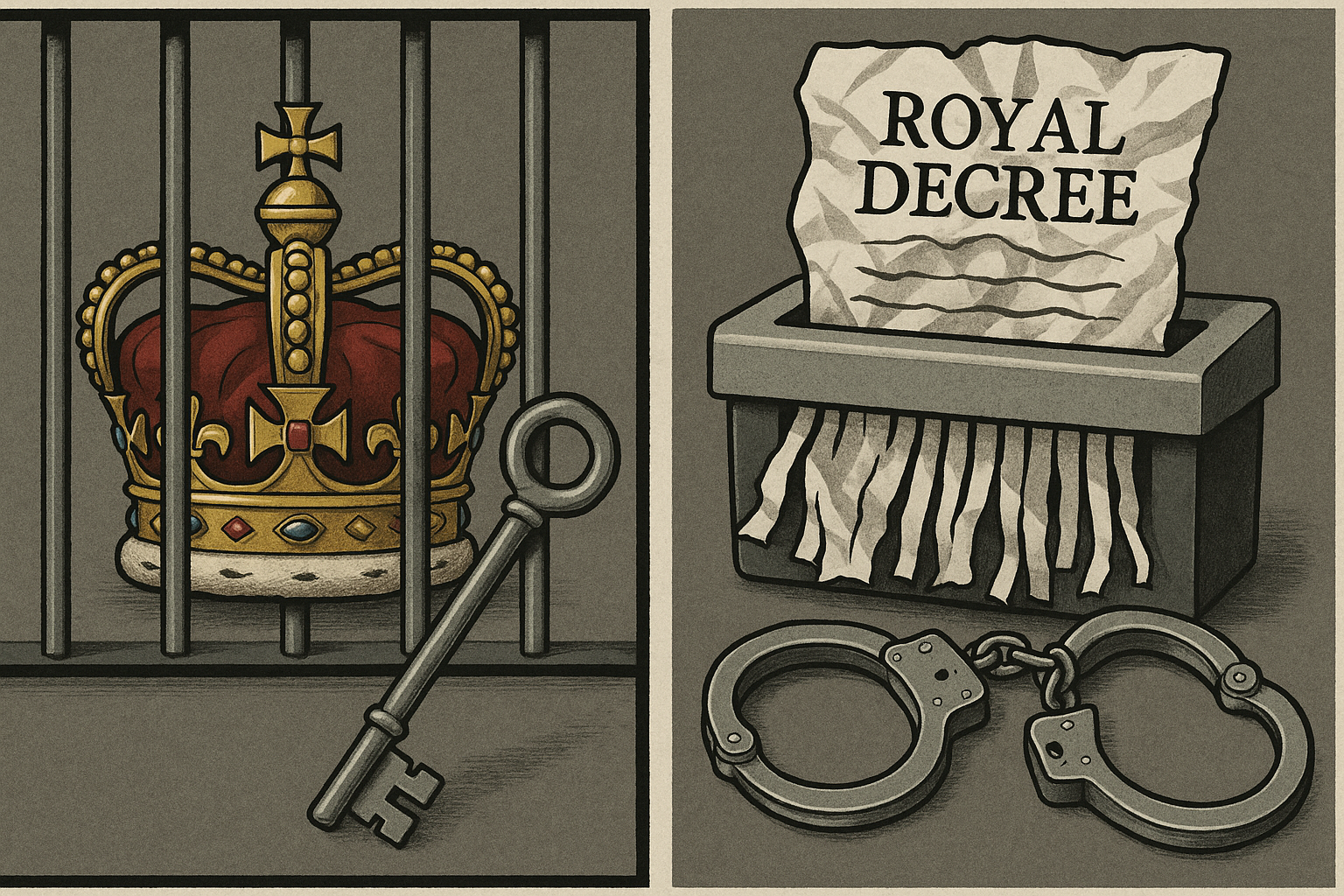
Prince Andrew arrested in shocking development linked to Epstein scandal, shaking the British monarchy and sparking criminal inquiry.
Prince Andrew was dramatically arrested at Sandringham, shaking the Royal Family to its core. This shocking event happened because new evidence, including encrypted messages linked to Jeffrey Epstein, pointed to possible criminal behavior. Detectives are now digging into whether Andrew smoothed the way for Epstein's dark activities. This isn't just about bad PR anymore; it's a serious criminal investigation, with the world watching to see if a prince will face the same justice as anyone else.
Why was Prince Andrew arrested?
Prince Andrew was arrested following new evidence from a compact hard-drive handed to London by U.S. prosecutors. This evidence included encrypted communications between an account linked to Andrew and Jeffrey Epstein's servers, suggesting possible criminal conduct related to Epstein's activities and UK export policy during Andrew's trade missions.
Get Cape Town news in your inbox
Stay updated with the latest stories from the Mother City.
The Dawn Raid That Changed Everything
Thursday’s first light had barely broken over the Sandringham Estate when unmarked vehicles swept through the dawn mist. Out stepped detectives from Thames Valley Police, warrant in hand, to arrest Prince Andrew Mountbatten-Windsor, 66, first-floor resident of the 31-room Royal Lodge and the Queen’s second son. Within minutes the Duke of York - once the nation’s roving trade ambassador - was escorted past the same oak corridors where he had posed for glossy birthday portraits only months earlier, now read his rights and driven away in a nondescript people-carrier.
The synchronized operation did not end in Norfolk. Forty-five minutes later, search teams forced entry to his Windsor mansion, Sunninghill Park, and to a discreet office suite he still keeps inside Buckingham Palace’s south wing. Digital forensics vans, paper-shredder specialists and diplomatic-security liaison officers worked through the morning, sealing boxes, imaging laptops and photographing every page of a locked filing cabinet marked “TRADE ENVOY 2001-2011”. Insiders say the haul filled three police vans; one courier was overheard muttering that the paper trail “looked like a decade of Christmas cards mixed with export licences.”
Legal commentators are calling the arrest the most explosive move against a core royal since 1649. No sitting Cabinet minister was pre-warned; only the King’s private secretary received a courtesy call ten minutes before the cuffs clicked. The message was blunt: new evidence had surfaced, the threshold for “reasonable suspicion” of serious crime had been crossed, and any suggestion of special treatment would be leaked within the hour.
A Friendship That Refused to Die
For years the Duke’s name has been tethered to Jeffrey Epstein, the financier who ran a jet-set procurement ring for the ultra-wealthy. Until now, the reputational damage stayed in the civil arena: Virginia Giuffre’s 2021 lawsuit, the car-crash Newsnight interview, the stripped military titles. Thursday’s drama signals a gear-shift into possible criminal conduct. Detectives are no longer asking whether the prince knew about Epstein’s crimes; they are probing whether he actively smoothed the way for them.
The game-changer arrived in the form of a compact hard-drive handed to London by U.S. prosecutors last November. Among 300 gigabytes of video, calendar and email material, analysts found encrypted traffic between a “[email protected]” account and Epstein’s own servers. Metadata indicates exchanges during the precise weeks Andrew travelled to Kazakhstan, Saudi Arabia and China on trade missions. One message, time-stamped March 2008, appears to reference “the package you wanted on aluminium quotas” followed by a smiley-face and the line “tell Andy the girls say hi.” Investigators refuse to confirm content, but the tone was enough to convince a Westminster magistrate to issue arrest warrants.
Former Met commander Dal Babu told reporters the decision to move from invitation to arrest carries weight. “They already have enough to fear he might destroy material or lean on witnesses,” Babu said. “Once you cross that Rubicon, everything is fair game: phones, cloud backups, the royal iPad he used to watch Netflix with his daughters.” The squad now has fourteen days to charge, release or apply for extended custody.
When Prime Ministers Break the Silence
Downing Street traditionally treats the palace like a neighbour you greet but never question. That etiquette snapped last month. During a pooled interview in Glasgow, Keir Starmer declared that “any British citizen who withholds evidence from an ally is on the wrong side of the law.” The line, carefully scripted, was the first public nudge. Privately, Starmer’s aides say the White House flagged “disquiet” at intelligence briefings that Epstein may have gained insight into UK export policy. With the special-relationship optics turning frosty, the Crown Prosecution Service green-lit the arrest within days.
Republic, the anti-monarchy pressure group, wasted no time claiming momentum. Chief executive Graham Smith marched straight from a BBC radio studio to Scotland Yard’s public counter, brandishing a 42-page dossier his volunteers compiled from open-source flight logs and Freedom of Information scraps. “We told them where to look,” Smith said, admitting the palace gatekeepers once laughed him out of the grounds. Republic’s lawyers now sit in weekly conference calls with investigators, feeding tip-offs on everything from helicopter tail-numbers to yacht mooring fees.
Public appetite for retribution is growing. An instant YouGov snap shows 61 % of respondents believe the monarchy should stay out of any legal defence fund; 48 % want Andrew’s Counsellor-of-State status formally revoked. Bookmakers slashed odds on a 2025 republic referendum to 4-1, the shortest ever quoted. Even traditionalist newspapers that once splashed “Our Brave Pilot Prince” acrossPage One now run graphics listing maximum sentencing guidelines under the Official Secrets Act.
A King, a Constitution and a Family Bracing for Impact
Inside Buckingham Palace, courtiers speak of “Operation Iceberg”: a plan to wall off the institutional monarchy from the domestic fallout. King Charles III has cancelled a planned state visit briefing and retreated to Balmoral, where constitutional scholars say he can avoid awkward photo-calls while still receiving red boxes. Yet the machinery of state grinds on; seal the brother off too visibly and critics will accuse the sovereign of obstructing justice, stand too close and the stain spreads to the coronation oath itself.
Thursday evening, the palace issued a 23-word statement: “The King is following developments and has absolute confidence in the independence of the judiciary.” Insiders admit the wording was fought over for three hours. Mentioning “confidence” risked sounding like interference; omitting it read as callous. The final draft, stripped of warmth, signals that Charles will not pick up the phone to the Prime Minister - at least not on the record.
Constitutional precedent is thin. The last royal to face a criminal courtroom was Princess Anne’s dog in 2002, fined under the Dangerous Dogs Act. Before that, one must revisit 1521 when the Duke of Buckingham lost his head for treason. Modern lawyers now pore over the 1701 Act of Settlement, which grants “proceedings in Parliament” immunity but says nothing about police cells. If charges emerge, Andrew could stand trial in an ordinary Crown Court, jury of twelve, public gallery and all.
Diplomats, Dossiers and the Trail Across the Atlantic
Between 2001 and 2011 the Duke logged 693 overseas engagements, many brokered by Epstein’s circle of fixers. Investigators want to know whether briefcases holding market-sensitive UK defence exports ever changed hands aboard Epstein’s Boeing 727, nicknamed the “Lolita Express.” At least three classified briefings on Saudi Eurofighter negotiations coincide with Andrew’s flights to the Caribbean, according to dates cross-checked by Republic volunteers. Whether the prince had clearance to carry such papers outside government channels is one strand now under urgent review.
Washington is watching closely. A joint task-force of FBI agents and Department of Homeland Security analysts has been embedded at the U.S. Embassy in London since November, sharing intelligence under the bilateral “Mutual Legal Assistance” treaty. American prosecutors still have a live indictment against Epstein’s alleged accomplice Ghislaine Maxwell; any sign that British state secrets eased her trafficking operations would turn a lurid tabloid saga into a diplomatic meltdown. The State Department has already warned the Foreign Office that Congress could summon U.S. ambassadors for hearings if London appears sluggish.
The reputational after-shocks reach beyond diplomacy. Charities the Duke once championed - from the Outward Bound Trust to the British Science Association - fear donor flight. One university that awarded him an honorary doctorate in 2008 has convened an emergency ethics panel; another quietly removed his portrait from the chancellor’s dining room. Even the Royal Thames Yacht Club, proud of its admiral member, has locked its Twitter account after a deluge of meme torpedoes.
What Happens Next in the Castle and the Courtroom
Police now have thirteen days (one already elapsed) to sift laptops, decrypt Signal chats and interview potential witnesses from U.S. federal prisons to Alpine ski chalets. Prosecutors must decide whether the preliminary haul supports charges under the Official Secrets Act, the Sexual Offences Act, or money-laundering statutes tied to Epstein’s opaque foundations. Each potential count carries sentencing ranges from two years to life, with no parliamentary immunity once a bill of indictment is signed.
Palace strategists, meanwhile, have activated “the Edward option,” a reference to the 1936 abdication crisis: isolate the sibling, cut public funding, offer no legal bailout, preserve the Crown. Royal accountants already froze Andrew’s £250,000 annual naval pension; sources say the King may force him to surrender Royal Lodge and relocate to a modest cottage on the Balmoral perimeter, far from camera lenses. If charges stick, the family could strip him of his HRH style entirely, relegating him to plain “Prince Andrew” in the court circular.
For the public, the coming weeks promise drip-feed revelations: forensic accountants mapping cash trails, cabin crew subpoenaed to testify about in-flight conversations, maybe even a perp-walk if bail is denied. Historians caution that monarchies survive only when they mirror the moral expectations of their age. Thursday’s arrest suggests Britain now expects the same accountability from a prince as from any citizen caught in the sweep of a sex-trafficking probe. Whether the Crown can navigate the storm without capsizing may determine not just one man’s fate, but the texture of the nation’s unwritten constitution for generations to come.
Why was Prince Andrew arrested?
Prince Andrew was dramatically arrested at Sandringham due to new evidence, including encrypted messages linked to Jeffrey Epstein, suggesting possible criminal behavior. This evidence was part of a compact hard-drive provided by U.S. prosecutors to London. The arrest signals a shift from civil allegations to a serious criminal investigation.
What specific evidence led to his arrest?
The key evidence was a compact hard-drive containing 300 gigabytes of material, including video, calendar, and email data. Analysts found encrypted communications between an account linked to Andrew and Epstein's servers. These exchanges reportedly occurred during Andrew's trade missions to countries like Kazakhstan, Saudi Arabia, and China, with one message referencing "the package you wanted on aluminium quotas" and a smiley-face followed by "tell Andy the girls say hi."
Where did the arrest take place and what was the scope of the police operation?
Prince Andrew was arrested at the Sandringham Estate. The operation was synchronized, with detectives from Thames Valley Police serving a warrant at Royal Lodge. Simultaneously, search teams forced entry into his Windsor mansion, Sunninghill Park, and a discreet office suite at Buckingham Palace. Digital forensics teams seized laptops, sealed boxes, and photographed documents, particularly from a filing cabinet marked "TRADE ENVOY 2001-2011."
How has the government and the Royal Family reacted to the arrest?
Downing Street, after an initial period of silence, saw Labour leader Keir Starmer publicly state that "any British citizen who withholds evidence from an ally is on the wrong side of the law." This followed White House "disquiet" about Epstein potentially gaining insight into UK export policy. The Crown Prosecution Service green-lit the arrest. The Palace issued a terse 23-word statement: "The King is following developments and has absolute confidence in the independence of the judiciary," signaling Charles III's intent to distance the monarchy from the legal proceedings.
What are the potential charges Prince Andrew could face?
Police have 14 days from the arrest to charge, release, or apply for extended custody. Prosecutors are considering charges under the Official Secrets Act, the Sexual Offences Act, or money-laundering statutes tied to Epstein's foundations. These potential charges carry sentencing ranges from two years to life, and once an indictment is signed, there is no parliamentary immunity.
What are the possible long-term implications for Prince Andrew and the monarchy?
If charges stick, Andrew could face trial in an ordinary Crown Court. The Royal Family has reportedly activated "the Edward option," aiming to isolate him, cut public funding (his £250,000 annual naval pension has already been frozen), and potentially force him to relocate to a modest cottage. He could also be stripped of his HRH style. For the monarchy, this event highlights the public's growing demand for accountability, with some speculating it could impact future support and even put a 2025 republic referendum at shorter odds.
Thabo Sebata is a Cape Town-based journalist who covers the intersection of politics and daily life in South Africa's legislative capital, bringing grassroots perspectives to parliamentary reporting from his upbringing in Gugulethu. When not tracking policy shifts or community responses, he finds inspiration hiking Table Mountain's trails and documenting the city's evolving food scene in Khayelitsha and Bo-Kaap. His work has appeared in leading South African publications, where his distinctive voice captures the complexities of a nation rebuilding itself.
View all articles →