
Artscape Women’s Humanity Festival returns for inclusion and change
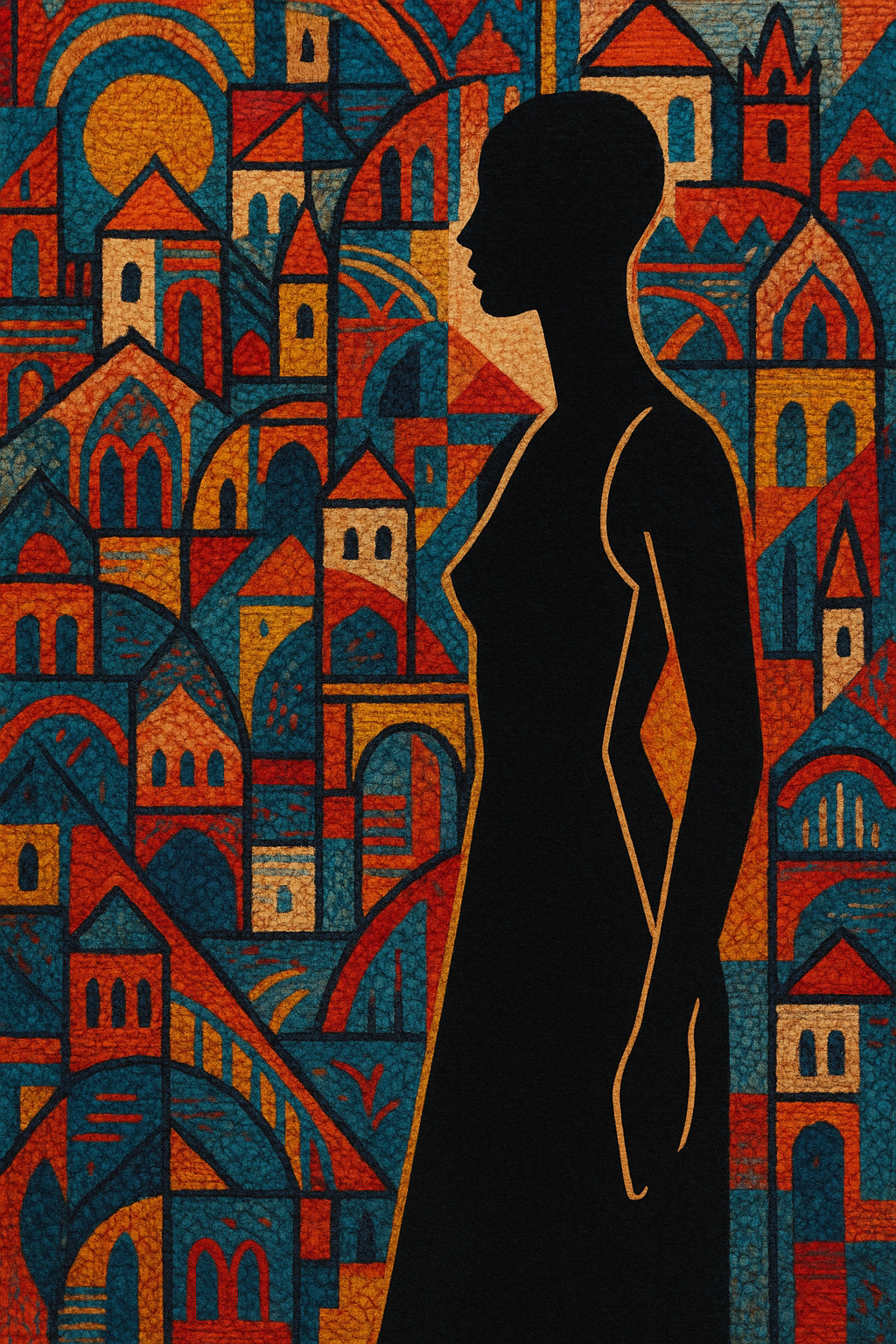
Cape Town's 20th Artscape Women's Humanity Festival reimagines public space, memory & justice through art, activism & accessibility.
The Artscape Women's Humanity Festival is a super special event in Cape Town that uses art to fight for fairness, especially for women. It celebrates big moments in history and makes sure everyone can join in, remembering the past while moving towards a better future. This festival helps Cape Town heal and grow, stitching together old hurts with new hope, using creativity to make the city stronger and more caring for all its people.
What is the Artscape Women's Humanity Festival?
The Artscape Women's Humanity Festival in Cape Town is an annual event that uses art, performance, and activism to address social justice issues, particularly those affecting women. It commemorates significant anniversaries, promotes accessibility, and fosters memory, movement, and justice within the city.
Get Cape Town news in your inbox
Stay updated with the latest stories from the Mother City.
How Cape Town’s 2026 Artscape Women’s Humanity Festival is soldering memory, movement and justice into the bricks of everyday life
Wind, Shadow and the Long Rewind
Every August the Atlantic hurls its famous southeaster into Cape Town like an impatient stage manager clearing the wings. Victorian facades shiver, protest posters flutter, and the city exhales winter salt. Into this atmospheric turbulence the Artscape Women’s Humanity Festival slides like a deliberate, coloured thread - 2026 marks the 25th anniversary of the weave. What began as a fringe gesture has become the city’s annual act of re-stitching itself, patching shame to pride, grief to resistance, and concrete to breath.
The calendar itself seems to buckle under the load. Three anniversaries collide in the same heartbeat: twenty-five uninterrupted years of explicitly feminist programming; fifty-five years since the Artscape building - then the whites-only Nico Malan Theatre - first opened; and seventy summers since twenty thousand women marched on Pretoria’s Union Buildings. The festival planners treat these dates not as trivia but as tuning forks: every drumbeat, foyer chat and late-night lighting cue begins on a frequency already laden with memory.
Past and present, then, are not separate wings of the venue; they are corridors that refuse to stay in place. The festival’s opening moment is itself a moving walkway of histories. On the public-holiday morning of 9 August, traffic officers in neon will slow the CBD to the tempo of footfall. The Women’s Humanity Walk - 1.2 kilometres from Civic Centre to Artscape - glides past the former Cape High Court where Judge President Jeanette Traverso once shattered glass ceilings, and past the District Six Museum whose windows still display sepia women who sold vetkoek and strategy side by side. Sophie Williams-De Bruyn, sole surviving leader of the 1956 march, will ride an open-top electric buggy, flanked by blind marchers tapping Morse memories and Deaf activists signing the old war-cry, “Wathint’ Abafazi, Wathint’ Imbokodo.” At the theatre steps, thousands will tear surgical tape off their mouths; each strip is pre-stamped with the name of a woman killed this year, and the tape is later archived for a future installation.
Architecture That Learns to Crouch, Then Rise
Artscape’s brutalist shell was never meant for everyone. Built in 1971 for a white minority, its staircases mocked wheelchairs, its acoustics mocked hearing aids, its hierarchies mocked most bodies. In 2026, accessibility is no longer a side note - it is a centrepiece exhibition. QR-etched tactile floor plans, coded by UCT students under Dr Anja du Plessis, send phone-vibration routes to blind visitors. An elevated walkway - made from ocean plastic by Langa start-up Upcycle - lifts wheelchair users to the same sightline as standing crowds during the outdoor “Stop the Silence” action. A sensory map - crowdsourced from autistic Capetonians - charts sound levels, scent zones and low-stim corners; it is printed on seed paper that can later grow spring flowers on balcony sills.
The programme itself is sliced into five raw themes:
- Land, Body, Archive
- Intimacy After Violence
- Queer Futures in Minor Keys
- Labour of Care, Labour of Art
- Memory as Infrastructure
In Land, Body, Archive the ghost of Sara Baartman refuses to rest. Director Miki Redelinghuys presents Bones, a documentary stitched to an AR trail. Point your phone at the theatre’s basement ramp and a hologram of Baartman in Khoisan dress negotiates with French anatomists; the voice toggles between Khoekhoegowab and English, courtesy of poet Diana Ferrus. Intimacy After Violence screens Rachel Kolisi’s Falling Forward inside a parachute-silk cinema that swallows sound but not trauma; afterwards participants shape clay into amulets with Zimbabwean Ngoma-trained therapists, reclaiming silence through touch.
Queer Futures relocates the drag revue ABFAB from velvet opera chairs to the Arena parking deck’s diesel-stained concrete. Royal Blu lip-syncs Miriam Makeba’s “Pata Pata” over Gqom beats while jazz pianist Athi-Nangamso Nkopo improvises on a Yamaha lifted by hydraulic lift. Labour of Care displays Woman Zone’s double-sided tapestry: 55 domestic workers weave theatre-curtain off-cuts into panels chronicling each year of Artscape, while 70 grade-nine girls embroider imagined futures since 1956. Spectators may add one silver running-stitch before they leave; by closing night the entire cloth glints like fish scales.
Choirs, Candle-Wicks and the Quiet Rooms
Literary launches abandon podiums for a repurposed freight elevator upholstered in mohair. Sindiwe Magona’s Flames of the Marula - an oral archive of female arsonists in the Border War - meets Nadia Louw’s Vegan Mielies & Velvet Hearts, a recipe-and-ritual anthology from Cape Flats kitchens. Authors ascend while audiences descend, sharing a 90-second mid-shaft conversation before doors open on new floors.
More than words, the city vibrates in song. Voices in Unison braids university choirs, cathedral singers and the Seapoint Bathing Gogos - an a cappella circle whose average age is seventy-one - into a 17-minute piece by Neo Muyanga. Choir, ocean drums and the sub-bass throb of 4 a.m. Metrorail trains form a single polyrhythmic spine.
If the main programme roars, the Quiet Rooms whisper. Two basement storage spaces transform into retreat pods. One releases buchu and kapokbos, botanicals once used by Khoisan midwives; the other holds 18 °C air and whale-song loops. Entry knowledge spreads mouth-to-ear, like contraband comfort. Overhead, the mezzanine bar projects anonymous heat-maps revealing who is not in the room after each show, a gentle data mirror held up to both artist and institution. Ten percent of every auditorium stays is held for shelter residents until fifteen minutes before curtain; 3,400 tickets have already been redistributed this way over previous editions.
After the Applause, the Archive Breathes
When midnight strikes on 31 August the city does not simply switch off its lights and go home. The torn surgical tape, fired-clay amulets and silver stitches are not swept into bins. They travel to temperature-controlled vaults inside Artscape’s Centre for Heritage and Memory Studies - doors kept open 363 days a year (closed only Christmas and New Year’s, because even revolutionaries need gravy and regret). Each ticket sold still triggers an encrypted data packet - age range, language, suburb - fueling the next festival’s design.
Corporate logos glow only on kinetic-floor kiosks: every footstep generates 0.03 kWh toward safe-shelter nights for gender-based-violence survivors. By the month’s end the tally is projected to surpass 2.4 million steps, underwriting 87 nights at the Saartjie Baartman Centre. Even slow-exit protocols turn logistics into care: audiences leave by lantern-lit lanes of solar jars assembled by Haven Night Shelter residents, busking musicians paid living wages via QR tips.
And for those who cannot reach the city centre, parasitic micro-festivals bloom: flash-mob theatre in Khayelitsha Mall’s food court, beetroot-dyed protest-poster silkscreens in Hanover Park, and a midnight roller rave in Gugulethu where every mix is handled by female engineers under twenty-five. Online, the “Digital Womb” hosts virtual twins of every venue; hover over a scrawled note - “I finally told my mother” in isiXhosa - and a 20-second whispered clip plays, self-destructing in 24 hours unless a listener chooses to keep it alive by lighting a virtual candle.
Thus Cape Town, forever slightly ashamed of its own beauty, braces for another August in which theatre chairs count as protest signs, lanyards measure wage gaps, and every pair of eyes - tear-stained or rain-streaked - becomes an indispensable brick in a city still learning how to hold its entire humanity without flinching.
[{"question": "What is the Artscape Women's Humanity Festival?", "answer": "The Artscape Women's Humanity Festival in Cape Town is an annual event that uses art to advocate for social justice, particularly for women. It celebrates historical milestones, ensures inclusivity, and works towards healing and growth in the city by integrating memory, movement, and justice."}, {"question": "When and where does the festival take place?", "answer": "The festival takes place annually in August in Cape Town. In 2026, it will mark its 25th anniversary. The main venue is Artscape, but the festival also extends to various parts of the city through events like the Women's Humanity Walk and 'parasitic micro-festivals' in areas like Khayelitsha, Hanover Park, and Gugulethu."}, {"question": "What significant anniversaries are being commemorated in 2026?", "answer": "In 2026, the festival will uniquely commemorate three major anniversaries: 25 years of explicitly feminist programming at the festival, 55 years since the Artscape building (originally the Nico Malan Theatre) first opened, and 70 years since the historic 1956 Women's March on Pretoria's Union Buildings."}, {"question": "How does the festival prioritize accessibility?", "answer": "Accessibility is a central theme in 2026. This includes QR-etched tactile floor plans for blind visitors, an elevated walkway made from recycled ocean plastic for wheelchair users, and a crowdsourced sensory map for autistic attendees. The festival aims to ensure all individuals can participate fully, moving beyond basic compliance to true inclusivity."}, {"question": "What are the main thematic focuses of the festival's program?", "answer": "The 2026 program is structured around five core themes: 'Land, Body, Archive,' 'Intimacy After Violence,' 'Queer Futures in Minor Keys,' 'Labour of Care, Labour of Art,' and 'Memory as Infrastructure.' These themes guide the diverse artistic and activist activities, from documentaries and workshops to performances and literary events."}, {"question": "How does the festival ensure its impact extends beyond the event dates?", "answer": "The festival integrates long-term impact through various initiatives. Artifacts like the torn surgical tape and clay amulets are archived at the Centre for Heritage and Memory Studies. Ticket sales data informs future festival design. Corporate sponsorships are linked to kinetic floors that generate electricity for safe shelters, and 'parasitic micro-festivals' and a 'Digital Womb' online platform ensure broader reach and continued engagement.", "additional_info": "The festival also redistributes 10% of auditorium tickets to shelter residents, highlighting its commitment to social responsibility and wider community involvement."}]

Emma Botha is a Cape Town-based journalist who chronicles the city’s shifting social-justice landscape for the Mail & Guardian, tracing stories from Parliament floor to Khayelitsha kitchen tables. Born and raised on the slopes of Devil’s Peak, she still hikes Lion’s Head before deadline days to remind herself why the mountain and the Mother City will always be her compass.
View all articles →