
Australia visa fee hikes: A blow to competitiveness
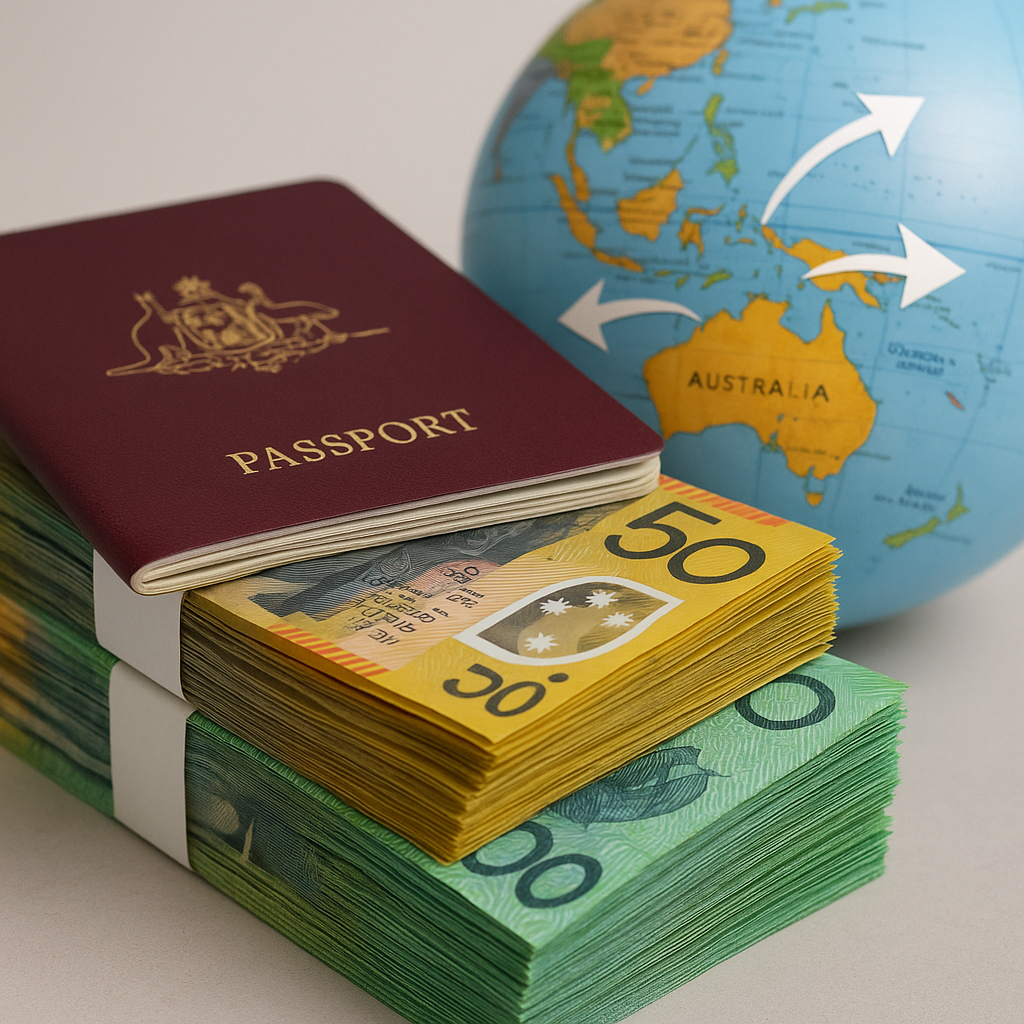
Australia's visa fee hikes, including 203% for Resident Return Visas & A$11,710 for partner visas, reshape global migration, impacting students & skilled workers.
Australia made visa prices much higher on July 1, 2026. Some costs went up over 200%, like the Resident Return Visa. Getting a partner visa now costs a lot more, making it super expensive. This means it's harder and pricier for people to move to Australia, changing who can come and how.
What are the recent changes to Australia's visa costs?
Australia significantly increased visa costs on July 1, 2026, with some fees rising over 200%. This includes a 203% hike for the Resident Return Visa (A$490 to A$1,475) and a new A$2,500 student visa charge. Partner visas now cost A$11,710, making Australia among the most expensive globally for family reunification.
Get Cape Town news in your inbox
Stay updated with the latest stories from the Mother City.
Unprecedented Pricing Overhaul Transforms Migration Economics
Australia's Department of Home Affairs executed a sweeping transformation of visa pricing on 1 July 2026 that migration specialists regard as the most substantial restructuring in the country's contemporary history. These comprehensive changes arrived with scant advance notice, triggering widespread disruption throughout international education networks, migration advisory services, and applicant communities across the globe. The breadth of these adjustments spans considerable percentage increases to hikes surpassing 200%, signalling a decisive repositioning of Australia within worldwide competition for skilled workers, students, and talent.
The Resident Return Visa illustrates the dramatic scope of these changes with particular clarity. This crucial document enables permanent residents to preserve their status during international travel, and its cost has leapt from A$490 to A$1,475 - a staggering 203% escalation. What previously constituted routine administrative expense has become a major financial commitment. For South African permanent residents maintaining connections across several continents, this development imposes considerable ongoing costs that directly impact business mobility strategies and family reunification plans.
The recalibration of partner visa applications presents equally striking implications. Government charges now stand at A$11,710, establishing Australia at the highest extreme of global pricing for family reunification channels. This figure substantially surpasses equivalent programs in comparable destination nations. The Bridging Visa B has undergone comparable transformation - previously a minor administrative charge for applicants needing travel privileges during processing, it now carries inflated costs that catch many applicants unprepared as they navigate procedural delays.
International Education Sector Faces Fundamental Disruption
Australia's export economy and soft power projection have long relied upon international education as a foundational pillar, yet this sector now confronts severe disturbance from the newly implemented A$2,500 student visa application charge. This positioning creates extraordinary separation from rival destinations, fundamentally restructuring how prospective students and their families evaluate educational value.
Detailed comparison exposes the magnitude of this divergence. The United Kingdom, despite recent modifications to Immigration Health Surcharge and visa fees, sustains student visa pricing near £490 - approximately A$950 subject to currency movements. Canada's study permit processing requires roughly CA$150, or about A$165, with biometric additions that keep overall expenses comfortably below A$500. The United States, functioning through its F-1 visa structure, demands approximately US$185 for visa application processing, with supplementary SEVIS fees bringing typical totals to around US$510, or roughly A$775.
Australia's A$2,500 benchmark therefore establishes premium positioning that outstrips closest competitors by multiples ranging from three to fifteen times. For South African households, where exchange rate instability and restricted access to international banking already complicate overseas study arrangements, this cost framework necessitates thorough re-evaluation of preferred destinations.
Vicki Thomson, leading The Group of Eight representing Australia's foremost research-intensive universities, has expressed sector-wide apprehension with remarkable frankness. Her description of the pricing as a "direct hit to the country's competitiveness and skills pipeline" captures widespread concern that immediate revenue generation may undermine sustained institutional positioning. Australian universities have committed significant resources to African recruitment infrastructure, with South Africa serving as an especially crucial student source given English language capabilities, educational system alignment, and established migration channels.
The Financial Risk Burden on Individual Applicants
Beyond prominent pricing figures, the policy framework surrounding these charges intensifies applicant exposure through rigorous non-refundability provisions. Official statistics showing nearly A$10 million gathered from roughly 4,800 unsuccessful offshore student visa applications within a single month demonstrate the considerable financial risk now concentrated upon individual candidates.
This revenue pattern generates serious questions regarding administrative design. When application charges produce substantial returns from rejected candidates, incentive structures materialise that may conflict with streamlined processing goals. The South African situation proves especially pertinent, where applicants regularly encounter intricate documentation demands concerning financial capacity, health evaluations, and character verification - creating numerous potential failure points before genuine study intention receives substantive assessment.
The risk concentration upon applicants contrasts markedly with approaches in several comparison jurisdictions. New Zealand, despite maintaining substantial visa fees, has historically embedded more adaptable frameworks for application review and fee credit mechanisms. Canada's refusal-based fee structures, though present, operate within processing timeframes and transparency requirements that diminish uncertainty exposure. Australia's combination of elevated charges, prolonged processing periods, strict non-refundability, and restricted procedural transparency generates what migration economists identify as "super-normal risk" - cost structures that surpass efficient deterrence levels and enter pure revenue extraction territory.
South African Migration Patterns Encounter New Barriers
These modifications coincide with notable demographic momentum in South African-Australian migration trajectories. The 224,160 South African-born residents documented at June 2024 marks considerable expansion from the 155,690 recorded in 2016, constituting among the more rapidly growing European-origin communities within an immigration system progressively oriented toward Asian source countries. This standing as seventh-largest migrant community reflects not merely individual relocation decisions but networked chain migration dynamics where established populations enable subsequent arrivals.
Contemporary South African emigration, particularly among qualified professionals and families with children approaching university age, has featured diversification across multiple destination markets. While Australia has preserved attractiveness through climate parallels, English language prevalence, and accessible skilled migration routes, cost factors have progressively shaped destination selection. Canada's Express Entry system, despite its own competitiveness obstacles, has drawn expanding South African interest partly through reduced overall cost structures and more transparent points-based evaluation.
The family cost calculations now confronting prospective South African applicants prove substantial. A Skilled Independent visa application for a three-person family - primary applicant, partner, and dependent child - accumulates government charges exceeding A$10,700 before accounting for professional fees, medical examinations, police clearances, skills assessments, and relocation expenses. This amount approaches or exceeds annual median household income in South Africa, effectively excluding middle-class applicants without considerable existing savings or employer sponsorship.
Administrative Effectiveness and Policy Credibility Under Scrutiny
Observers across political orientations have pinpointed a fundamental tension within the government's pricing methodology. The characterisation of visa charges as demand management tools - deliberately pricing specific applicant categories out of accessibility - conflicts with traditional justifications grounded in processing service cost recovery. When fees considerably exceed attributable administrative expenses, the policy rationale transitions from efficient service delivery to selective exclusion through financial obstruction.
This tension manifests particularly within backlogged visa categories where processing delays extend across months or years. The Bridging Visa B price escalation, occurring where applicants frequently require multiple such visas due to departmental processing inefficiencies, demonstrates how pricing policy can worsen rather than resolve administrative dysfunction. Migration tribunal review costs, subject to separate escalation patterns, contribute additional expense layers for applicants challenging unfavourable determinations.
The lack of prior consultation with sector stakeholders - universities, employer associations, migration professionals, and community organisations - has magnified implementation disruption. Australia's migration policy architecture traditionally incorporates substantial advisory mechanisms, including the Ministerial Advisory Council on Skilled Migration and various education export platforms. Direct departmental implementation of these price adjustments without reference to these structures indicates either exceptional policy urgency or deliberate circumvention of anticipated resistance.
Worldwide Mobility Patterns Experience Structural Adjustment
These Australian developments contribute to wider patterns of visa cost escalation across traditional destination countries, though Australia's pace and magnitude distinguish its approach. The United Kingdom's staged increases to Immigration Health Surcharge and various visa categories, while considerable, have proceeded through announced trajectories permitting adjustment planning. The United States' persistent visa processing backlogs and occasional fee modifications have not approached Australia's proportional escalations.
For South African applicants specifically, the cumulative impact of these worldwide trends narrows accessible destination options precisely when domestic economic and social pressures intensify emigration motivations. The emergence of alternative destinations - Portugal's various residence programs, digital nomad visas across multiple jurisdictions, entrepreneur pathways in Southeast Asian economies - reflects adaptive responses to traditional pathway constriction, though these alternatives typically lack the permanent settlement security that Australian visas historically provided.
The essential question posed by Australia's pricing transformation concerns the relationship between state revenue interests and migration policy objectives. When visa charges generate substantial operating surpluses for immigration departments, the boundary between administration and taxation becomes indistinct, carrying significant implications for policy credibility and international competitiveness.
What are the recent changes to Australia's visa costs?
Australia significantly increased visa costs on July 1, 2026, with some fees rising over 200%. For example, the Resident Return Visa jumped from A$490 to A$1,475 (a 203% increase), and a new A$2,500 charge was introduced for student visas. Partner visas now cost A$11,710, making Australia one of the most expensive countries globally for family reunification.
Why did Australia increase visa costs so dramatically?
While the official reasoning often cites demand management and cost recovery, the dramatic increases, particularly where fees far exceed administrative costs, suggest a policy shift towards selective exclusion through financial obstruction. It aims to reshape who can migrate to Australia, potentially prioritizing those with higher financial capacity.
How does Australia's new student visa cost compare to other countries?
Australia's A$2,500 student visa application charge is significantly higher than those of its competitors. For instance, the UK's student visa is around A$950, Canada's is about A$165 (plus biometrics under A$500 total), and the US F-1 visa is roughly A$775 (including SEVIS fees). This positions Australia's student visa cost at three to fifteen times higher than other major study destinations.
What are the implications for South African migrants?
The increased visa costs pose significant barriers for South African applicants, especially for families. A Skilled Independent visa application for a family of three can now exceed A$10,700 in government charges alone, often surpassing the annual median household income in South Africa. This effectively excludes many middle-class applicants and makes Australia a less financially viable option compared to other destinations like Canada.
Are these visa fees refundable if an application is unsuccessful?
No, a significant concern is the strict non-refundability policy. Official statistics show that nearly A$10 million was collected from approximately 4,800 unsuccessful offshore student visa applications in a single month due to these non-refundable fees. This places a considerable financial risk burden directly on individual applicants, even if their application is ultimately rejected.
How has the migration sector reacted to these changes?
The changes, introduced with scant advance notice, have caused widespread disruption. Universities, migration advisory services, and applicant communities have expressed concern, with some, like Vicki Thomson of The Group of Eight, describing the new pricing as a "direct hit to the country's competitiveness and skills pipeline." The lack of consultation with stakeholders has also been criticized, raising questions about administrative effectiveness and policy credibility.

Zola Naidoo is a Cape Town journalist who chronicles the city’s shifting politics and the lived realities behind the headlines. A weekend trail-runner on Table Mountain’s lower contour paths, she still swops stories in her grandmother’s District Six kitchen every Sunday, grounding her reporting in the cadences of the Cape.
View all articles →