
Avoid wild shellfish on the West Coast as toxic bloom triggers health warning
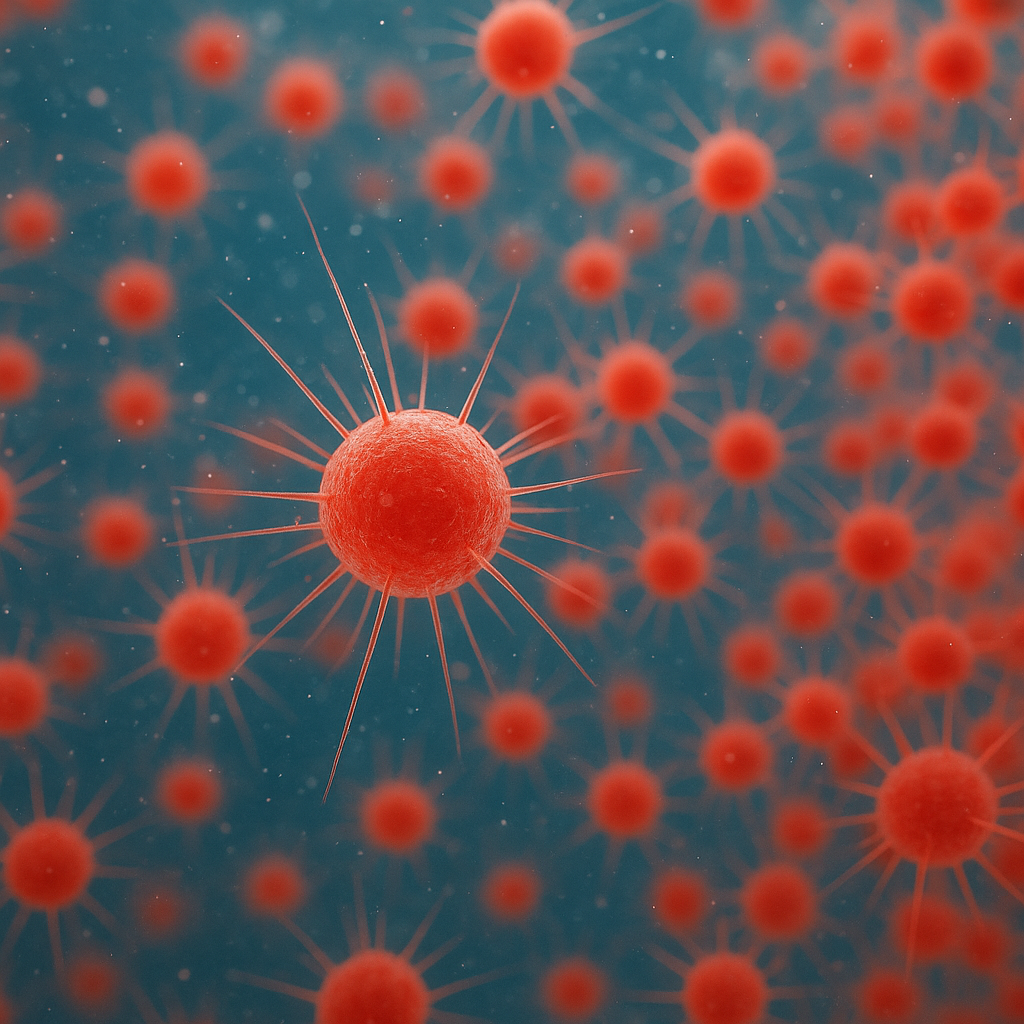
Deadly red tide poisons West Coast shellfish, forcing closures and threatening lives. Learn how algal toxins go from ocean to hospital ward.
Killer tiny sea bugs are making shellfish deadly on the West Coast. These bugs make a strong poison that can stop people from breathing. This is a big problem for people who fish and for everyone who eats shellfish. Scientists are working hard to fight this invisible danger, but it's a race against time.
What are paralytic shellfish poisons?
Paralytic shellfish poisons (PSPs) are neurotoxins produced by certain dinoflagellates, like Alexandrium catenella. These toxins accumulate in shellfish, making them dangerous for human consumption. Saxitoxin, a potent nerve agent, blocks sodium channels, paralyzing respiratory muscles and potentially causing death. There is no known antidote for saxitoxin poisoning.
Get Cape Town news in your inbox
Stay updated with the latest stories from the Mother City.
1. Dawn in Saldanha – When a Picture-Perfect Bay Becomes a Toxic Trap
Sunrise on 27 May 2026 paints the lagoon pearl-grey: trawlers nod at anchor, lantern nets of oysters shimmer greenish gold, cormorants air their wings on sun-bleached jetties. Beneath the postcard calm, however, the Department of Forestry, Fisheries & the Environment (DFFE) has just sounded a rare public-health alarm. Laboratory data released at 04h00 show paralytic shellfish poisons in farmed mussels and oysters at 15.4 times the legal ceiling. The offender is a reddish dinoflagellate, Alexandrium catenella, multiplying explosively in the cold Benguela current that normally sustains life along South Africa’s west coast. In effect, the sea is steeping an invisible neurotoxic brew, and every tide nudges it toward human mouths.
This bay is the nation’s aquaculture engine: 27 long-line plots hang with millions of Pacific oysters and Mediterranean mussels, each animal pumping litres of water through its gills daily. Under bloom conditions the animals act like living straws, sucking in single-celled poisons and stock-piling saxitoxin in their digestive glands. Within two days they can overshoot the safety threshold of 80 µg saxitoxin equivalent per 100 g tissue, making a single mouthful capable of paralysing respiratory muscles in an adult.
2. The Tiny Killer – How a Microscopic Cell Turns Seawater into a Neurotoxic Cocktail
Alexandrium catenella is smaller than a pin-prick, yet each cell carries saxitoxin, one of nature’s most potent nerve agents. The molecule blocks sodium channels, silencing the electrical chatter that keeps diaphragm muscles rising and falling. A milligram - less than a sand grain - can stop a human chest within minutes. In balanced ecosystems, copepods graze the algae to insignificance; when seasonal up-welling relaxes and surface water warms, the dinoflagellate doubles daily, often tingeing the bay with diluted Rooibos brown.
Semi-enclosed Saldanha Bay is especially vulnerable. Breakwater arms protect the farms but also trap nutrient-rich water. Add nitrogen and phosphate runoff from nearby potato fields and informal-settlement grey-water, and conditions turn perfect for the organism. Add warming sea surfaces linked to climate change, and the stage is set for recurring disasters.
3. From Algorithm to Airport – How a Robotic Buoy Sparked a Bay-Wide Ban
The first clue came not from a human eye but from the Robben Island autonomous buoy, which clocked a chlorophyll-a jump at 02h00 on 23 May. Within an hour the SAEON server flagged the anomaly, waking the DFFE Harmful-Algal-Bloom desk. At dawn a twin-engine plane lifted off from Langebaanweg, hyperspectral cameras mapping a 14-kilometre tomato-red slick. By 09h30 inspectors had snipped mussels from three farms, couriered the samples to Cape Town, and run liquid chromatography-mass spectrometry. When readings hit 1,240 µg/100 g - 15 times the limit - Section 6 of the Marine Living Resources Act slammed shut 200 kilometres of coastline.
4. Mapping the Poison Cloud – Where the Plume Could Drift Next
EUMETSAT chlorophyll composites show the bloom hugging Langebaan’s northern shore, fingering south-east toward Churchhaven. SAWS forecasts moderate south-easterlies that usually shear surface water offshore, but an internal wave pulse due on 30 May could drag the cells 150 kilometres north to Elands and Lambert’s Bay - communities still jumpy from February’s red-tide lobster kill. Until two consecutive weekly tests fall below both the toxin and cell-count limits, Dassen Island to Doring Bay remains a no-take zone.
5. Livelihoods in Free-Fall – What a Shutdown Means for Coastal Workers
Roughly 1,300 jobs depend on Saldanha Bay’s shellfish sector, which exports 3,600 tonnes a year - 70 % to the EU. Packing halls that normally hum under ultraviolet germicidal lamps now echo emptily; forklifts sit idle. In Vredenburg’s townships, fishers who once harvested wild mussels now patrol rocky outcrops warning neighbours. “The ocean always balanced our budget,” says Johanna Klaasen, chair of the Saldanha Bay Women in Fishing Forum. “But five closures in three years feel like the tide is writing us out of our own story.”
6. Inside Groote Schuur – Preparing for the Worst in the Neuro-Tox Ward
Groote Schuur has activated its Level-1 paralytic-shellfish-poisoning plan: twenty ventilators on standby, a dedicated negative-pressure respiratory bay, toxicologists, neurologists and critical-care nurses briefed daily. Saxitoxin has no antidote; care is purely supportive - airway protection, ventilation, vasopressors for blood-pressure collapse. The hospital’s 24-hour hotline (0800-POISON) has fielded 77 calls since the closure, mostly from recreational anglers fearing misdiagnosis. Symptoms arrive 30 minutes to three hours after ingestion: lip tingling, finger numbness, ataxia, respiratory arrest. Victims often mistake the early signs for food poisoning or stroke.
7. Climate, Fertiliser and Flushing Toilets – Why Blooms Are Getting Worse
CSIR data show the southern Benguela has warmed 0.9 °C since 1980, intensifying surface stratification that traps nutrients in the sunlight zone. Run-off from Langebaan’s potato lands adds phosphate; informal-settlement grey-water adds nitrogen. A 2024 model projects a 12 % increase in bloom frequency per additional degree of sea-surface temperature. Meanwhile, iron-rich dust blown from the expanding Namib Desert acts as fertiliser, feeding the dinoflagellate beast. Oceanographers have moored drifting sediment traps between Saldanha and Hondeklipbaai to quantify this dusty subsidy.
8. Tech on the Front Line – Can Robots and AI Buy Us a 36-Hour Head-Start?
Stellenbosch University researchers are testing a dual-alert system. A solar-powered surface drone nicknamed “Red Rover” tows an Imaging FlowCytobot that photographs and IDs dinoflagellate cells in real time. Toxin counts are beamed via LoRaWAN to an AI engine called BloomWatch. When toxigenic cells top 500 per litre, WhatsApp bulletins in four languages hit registered fishers. A 2025 pilot shaved 36 hours off the traditional aircraft-plus-lab loop - time that can mean the difference between a controlled harvest suspension and a full-blown public-health crisis.
9. Consumer Survival Guide – How to Eat Shellfish Without Landing in ICU
Retailers have already stripped Saldanha oysters off shelves; canned Chilean mussels remain safe because they were thermally processed months earlier. Beach-combers should treat every mussel, oyster, razor clam or abalone between Bloubergstrand and Strandfontein as lethal until DFFE weekly bulletins prove otherwise. Boiling, braaing or dousing in alcohol will not neutralise saxitoxin; tomato-and-onion “smoor” merely masks the flavour. Children and pregnant women are advised to avoid all shellfish for at least three weeks. Suspect symptoms? Call 0800-POISON.
10. Wild Victims – When Dolphins, Seals and Seabirds Become Collateral Damage
In 2022, 19 Heaviside’s dolphins stranded near Paternoster with saxitoxin levels nine times the lethal dose; their stomachs were stuffed with contaminated clams. SANParks drones are now scanning Cape fur-seal colonies on Dassen Island for muscle tremors or ataxic swimming - precursors to mass strandings. Last year, 2,300 Cape cormorant carcasses tested positive for PST after eating toxin-laden anchovies. The current bloom may trigger similar wildlife fatalities, adding ecological injury to economic pain.
11. Global Echoes – From Chile to Norway, the Same Red Thread
In June 2023, Los Lagos, Chile, logged A. catenella densities of 140,000 cells per litre, forcing an indefinite EU mussel ban and costing USD 60 million. Norway’s 2020 Hardangerfjord bloom compelled salmon farmers to tow entire pens away from phytoplankton-choked fjords. In the Gulf of Maine, robotic ESP buoys run sandwich immunoassays for saxitoxin in situ. South Africa’s Ocean Innovation Africa fund is studying procurement of similar ESP technology; a feasibility report lands in October.
12. Money, Aid and Migration – How Coastal Communities Cope
The provincial agriculture department has unlocked a R25 million disaster kitty: R3,500 per registered small-scale fisher within 14 days; larger farms may access zero-interest bridging loans backed by the Industrial Development Corporation. Some workers are already migrating 400 kilometres south to Hermanus for seasonal abalone work, a trend social workers fear could hollow out fragile west-coast towns.
13. Seven Days That Will Decide the Bay’s Future
• 28 May: DFFE releases hyperspectral images tracking bloom drift.
• 29 May: SANParks and UCT run CTD transects to find subsurface toxin maxima.
• 30 May: Red Rover transmits its first 48-hour mission results.
• 31 May: Parliament holds public hearings on the Amendment Bill, aimed at micro-zonal closures.
• 1 June: Groote Schuur issues an interim report on possible airborne toxin exposure.
• 2 June: EU trade delegates meet DFFE to discuss temporary quota suspension.
• 3 June: Weekly toxin bulletin drops; reopening requires two consecutive tests below 80 µg/100 g and cell counts under 200 cells per litre.
Whether Saldanha Bay reclaims its crown as South Africa’s aquaculture powerhouse or becomes another cautionary tale on a warming, nutrient-saturated planet will hinge on decisions - and data - gathered in the coming week.
What are paralytic shellfish poisons (PSPs)?
Paralytic shellfish poisons (PSPs) are potent neurotoxins produced by certain types of microscopic algae, known as dinoflagellates, such as Alexandrium catenella. When shellfish like mussels and oysters filter feed, they accumulate these toxins in their tissues, making them dangerous for human consumption. The most well-known PSP is saxitoxin, which can cause severe illness and even death.
How do PSPs affect humans?
PSPs, particularly saxitoxin, act as potent nerve agents by blocking sodium channels in nerve cells. This disruption prevents nerve signals from being transmitted, leading to symptoms such as tingling of the lips and extremities, numbness, and in severe cases, paralysis of respiratory muscles. This can lead to respiratory arrest and death. There is currently no known antidote for saxitoxin poisoning, and treatment focuses on supportive care, such as mechanical ventilation.
What are the environmental factors contributing to these toxic blooms?
Several environmental factors contribute to the increased frequency and intensity of harmful algal blooms (HABs) that produce PSPs. These include warming sea surface temperatures linked to climate change, which can create ideal conditions for dinoflagellate growth. Additionally, nutrient runoff from agricultural lands (like nitrogen and phosphate from potato fields) and informal settlement grey-water can act as fertilizers for these microscopic organisms, leading to explosive population growth. Semi-enclosed bays, like Saldanha Bay, are particularly vulnerable as they can trap these nutrient-rich waters.
How are authorities detecting and responding to these toxic blooms?
Authorities are employing advanced technologies to detect and track toxic blooms. This includes autonomous buoys that monitor chlorophyll-a levels (an indicator of algal presence) and hyperspectral cameras on aircraft that map the extent of blooms. Once a bloom is detected, shellfish samples are rapidly analyzed using techniques like liquid chromatography-mass spectrometry to determine toxin levels. If levels exceed safety thresholds, coastal areas are declared no-take zones, banning the harvesting and consumption of shellfish. New technologies, like surface drones with Imaging FlowCytobots and AI-powered alert systems, are also being tested to provide even earlier warnings.
What are the economic and social impacts of these shellfish bans?
The economic and social impacts of shellfish bans are severe for coastal communities. Thousands of jobs in the aquaculture and fishing sectors can be lost, as farms are forced to shut down and exports are halted. For example, Saldanha Bay's shellfish sector, which exports 70% of its produce to the EU, faces significant losses. This can lead to financial hardship for fishers and farm workers, with some being forced to migrate for seasonal work. These repeated closures can erode the livelihoods and cultural fabric of coastal towns.
What precautions should consumers take regarding shellfish consumption?
During a PSP event, consumers should strictly adhere to official public health advisories and bulletins. It is crucial to avoid consuming any shellfish (mussels, oysters, razor clams, abalone) from affected areas until two consecutive weekly tests confirm that both toxin levels and cell counts are below safe limits. It's important to remember that cooking methods like boiling, grilling, or freezing do not neutralize saxitoxin. If you suspect you have consumed contaminated shellfish and experience symptoms like lip tingling, numbness, or difficulty breathing, seek immediate medical attention and call emergency services or a poison hotline.

Chloe de Kock is a Cape Town-born journalist who chronicles the city’s evolving food culture, from township braai joints to Constantia vineyards, for the Mail & Guardian and Eat Out. When she’s not interviewing grandmothers about secret bobotie recipes or tracking the impact of drought on winemakers, you’ll find her surfing the mellow breaks at Muizenberg—wetsuit zipped, notebook tucked into her backpack in case the next story floats by.
View all articles →