
Bafana Bafana arrive in Mexico after visa drama ahead of World Cup
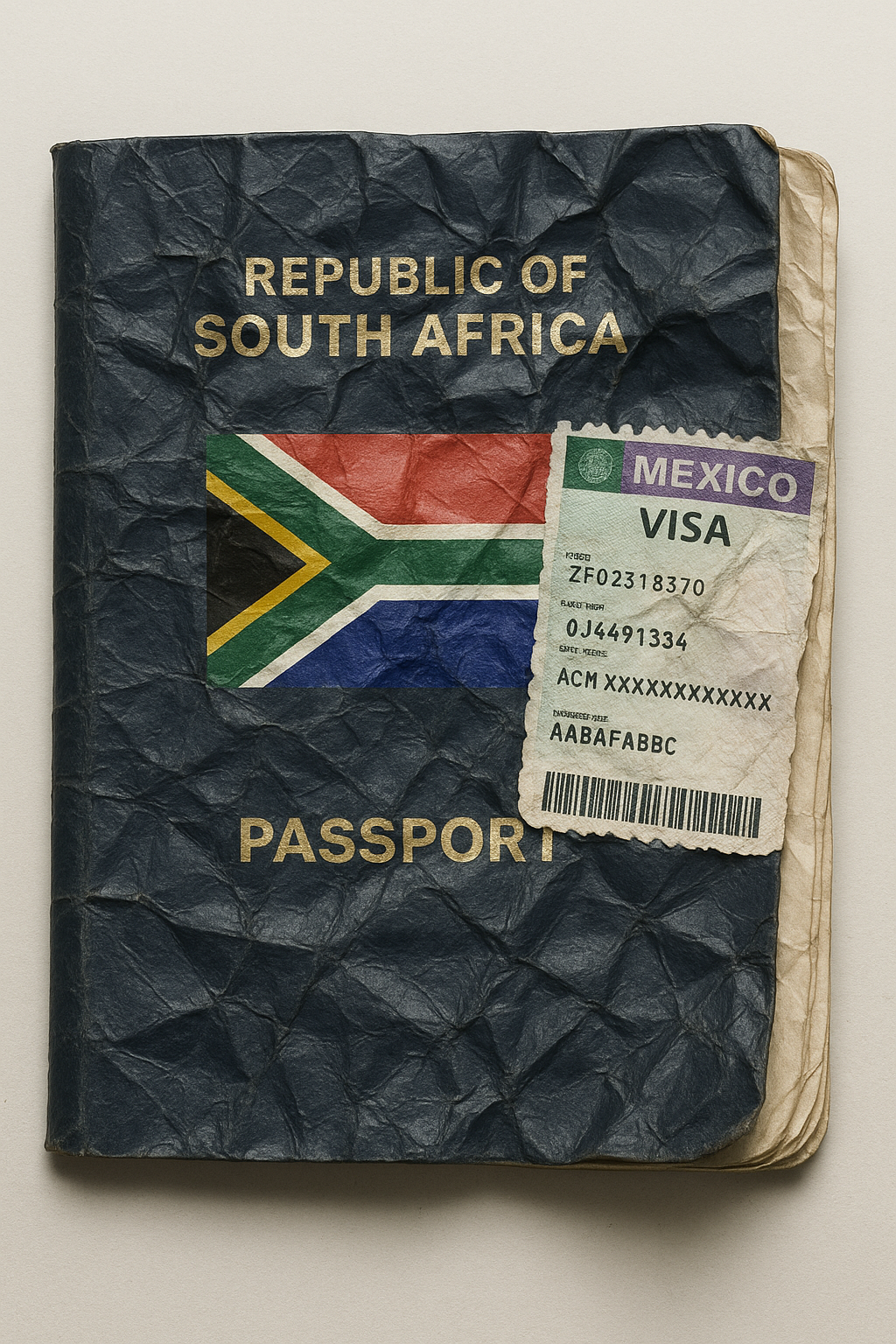
A chaotic World Cup week for Bafana Bafana, from visa woes & altitude challenges to tactical shifts & team unity.
The South African football team faced immense challenges before their cup run. Missing entry cards and denied US entry for key staff and a player caused chaos and forced last-minute scrambles. They lost crucial training time due to these issues and had to adapt quickly to high-altitude conditions, even training in hotel ballrooms. Despite the setbacks, the team found a strong spirit of unity, turning adversity into a bonding experience, and prepared to tackle their opponents.
What challenges did the South African football team face before their cup run?
Numerous logistical challenges plagued the South African team, including missing Mexican entry cards for staff and a defender, requiring emergency appointments. Additionally, two key members, Assistant Coach Helman Mkhalele and security head Mdu Mbatha, were initially denied entry to the US due to passport issues, missing the initial charter flight.
Get Cape Town news in your inbox
Stay updated with the latest stories from the Mother City.
Section 1: Touchdown, Paperwork, and Lost Hours
1.1 Wheels Down at Dawn
South African charter SA4267 kissed runway 05R at 02:17 local, seven minutes ahead of a revised timetable nobody trusted even twelve hours earlier. Cabin lights flickered on to reveal a squad running on fumes. Evidence Makgopa fished a tiny Springbok mascot from his bag and flashed the first genuine grin since Thursday - proof, finally, that football had reclaimed centre stage.
1.2 When Envelopes Vanish
The drama ignited last Thursday in a sterile SAFA boardroom. Travelling secretary Russell Maphanga’s last-minute passport audit revealed ten missing Mexican entry cards - logistics staff plus one starting defender. An “express” courier to the Pretoria consulate swallowed the envelope whole, cueing a Friday of emergency appointments. Afternoon hail hammered a motorcycle courier pounding the 150 km loop between Johannesburg and Pretoria for fresh biometrics. By 19:00 the consulate pledged Sunday-morning issuance.
1.3 Detour via Embassy Couches
The bigger snag surfaced at the Miami tech-stop. Assistant coach Helman Mkhalele and security head Mdu Mbatha carried emergency passports lacking the machine-readable strip U.S. officers demand. A Saturday-morning interview ended politely but firmly: rejected. Mkhalele spent that night on an embassy couch, recycling the same sandwich after the café shutters clanged shut. Sunday delivered an eleventh-hour reprieve: a State Department “sporting event facilitation” note earned the visas at 15:55 - five minutes after the first charter pushed back without them.
Section 2: Altitude, Adaptation, and a Rebooted Calendar
2.1 Thin Air, Real Numbers
Mexico City perches 2,240 m above sea level, slicing partial oxygen pressure by roughly 23 %. In practical terms, an athlete’s VO₂ max drops 7–10 % on arrival and only recovers after 10–14 continuous days. Hugo Broos originally planned Sunday touchdown, 48 hours of gentle spinning, then “live-high, train-low” sessions. The lost 36 hours now force Plan B.
2.2 Microcycles in a Hotel Ballroom
Sports scientist Dr. Lwazi Mabizela rewrote the diary on the fly. Day 1: two 25-minute bike sessions at 60 % max heart-rate, Pilates, and a sleep-hygiene seminar. Day 2: hypoxic circuits inside AltoLab tents crammed into a ballroom once meant for conferences. The goal is to coax the kidneys into extra erythropoietin without pounding joints on concrete. “We can’t cram ten days into six, but we can flatten the cliff,” Mabizela admits.
2.3 Cryo, Kota, and Conditioned Grass
The squad beds down at CAR in Tlalpan - three pitches (hybrid, Bermuda, Desso-reinforced) sitting five metres above match-day altitude. A neighbouring basketball hall now houses cryotherapy pods and a sleep lab usually reserved for lucha-libre stars. Chef Wandile Mabaso, Soweto-trained, serves kota sandwiches in gluten-free wraps, banishing bloating fears among among Europe-based players.
Section 3: Tactical Tune-Up Before the Real Show
3.1 Jamaica as Dress-Rehearsal
Friday night in Guadalajara gives Broos one final look. Ronwen Williams starts; Veli Mothwa may take the second half. Nyiko Mobbie is on standby for hamstring-tight Khuliso Mudau. Midfield is the puzzle: Mokoena’s suspension forces a Sphephelo Sithole–Jayden Adams double-pivot inside a 4-2-3-1 that snaps into a 4-3-3 without the ball - Broos calls the shape “the accordion” after an impromptu white-board sketch.
3.2 Two Keys to Unlock the Reggae Boyz
Trigger one: inverted wingers Tau and Appollis tuck inside, freeing Maseko to overlap for 3-v-2s wide. Jamaica’s narrow 4-4-2 diamond leaves acres on the touchline. Trigger two: Williams launches long diagonals to Makgopa, whose knock-downs invite late Tau runs. Data scouts note Jamaica leak second balls on stretched 40-metre grids.
3.3 Group-A Snapshot
- Mexico – Jorge Campos keeps the 4-3-3 but deploys Alexis Vega as an inverted right winger who loves early, far-post curlers. Williams must guard his near stick. Czech Republic – Hašek’s surprise band relies on Hložek’s half-space pockets and Schick’s killer instinct. Mvalako’s bulk is pencilled in to disrupt the teenager. South Korea* – Bento’s 4-2-3-1 attacks wide; left-back Lee Ji-sol’s constant surges invite direct switches to Maseko in 1-v-1s against Choi Jun. The Koreans have shipped five set-piece goals in eight friendlies - Makgopa and Mothibi both rank top-15 in Europe for headed xG.
Section 4: Culture, Commerce, and a Bit of Déjà Vu
4.1 Squad Chemistry in the Transit Lounge
The visa saga forged an accidental micro-camp. Players marooned at OR Tambo’s SLOW lounge held a FIFA 26 knockout on Samsung consoles. Teenager Mduduzi Shabalala lifted the trophy with Mozambique - the same nation that had just dumped Chiefs team-mate Du Preez out with South Sudan. When news broke that Mkhalele and Mbatha were stranded, seniors convened on WhatsApp. Tau, Williams, and Kekana recorded a voice-note: “We travel in one colour tonight.” #OneColour trended six straight hours.
4.2 Merch, Tacos, and Good Causes
Adidas dropped a limited “altitude” jersey - 150 units of laser-cut mesh with reflective topographic lines - half to be auctioned for a Limpopo girls’ football scholarship. Standard Bank turned the CAR gate into a pop-up fan zone, doling out 5 000 free tickets via mobile app; the first 200 fans received replica gloves signed by Williams. Tuesday’s mixed-zone moment saw Broos coolly deflect Azteca-fear questions, retelling Ethiopia popcorn storms, and earning laughs plus the revelation that 29 % of opener tickets were bought from South African IPs - buyers cashing in on a Mexican taco two-for-one deal for SA-passport holders.
4.3 Déjà Vu in the Passport Pages
History plays tricks: South Africa’s first-ever World Cup win - 3–0 against France in 1998 - followed a passport panic when midfielder Helman Mkhalele lost his booklet in Marseille the night before departure. An emergency six-hour re-issue later, he scored the second goal. On Monday he grinned: “Paperwork gave me luck once - maybe missing the first flight is just the sequel.”
[{"question": "
What initial challenges did the South African football team encounter before their cup run?
\nThe South African football team faced a myriad of issues even before their cup run began. These included missing Mexican entry cards for ten logistical staff members and one starting defender, necessitating emergency appointments and a frantic courier service. Furthermore, Assistant Coach Helman Mkhalele and security head Mdu Mbatha were initially denied entry into the US due to issues with their emergency passports lacking machine-readable strips, causing them to miss the initial charter flight.
\n", "answer": null}, {"question": "How did the team adapt to the high-altitude conditions in Mexico City?
\nDue to the lost training hours and the high altitude of Mexico City (2,240 m above sea level), the team had to implement 'Plan B'. Sports scientist Dr. Lwazi Mabizela designed an intensive adaptation program, including two 25-minute bike sessions at 60% max heart-rate, Pilates, and sleep-hygiene seminars on Day 1. On Day 2, hypoxic circuits were conducted inside AltoLab tents set up in a hotel ballroom to stimulate erythropoietin production without stressing joints. They also utilized cryotherapy pods and a sleep lab at the CAR in Tlalpan, which is only five meters above match-day altitude.
\n", "answer": null}, {"question": "What was the strategic plan for the dress-rehearsal match against Jamaica?
\nFor the dress-rehearsal match against Jamaica, coach Hugo Broos planned for Ronwen Williams to start, with Veli Mothwa potentially taking the second half. Nyiko Mobbie was on standby for Khuliso Mudau due to a hamstring issue. The midfield strategy involved a Sphephelo Sithole–Jayden Adams double-pivot in a 4-2-3-1 formation, which would flex into a 4-3-3 without the ball. Tactically, they aimed to exploit Jamaica's narrow 4-4-2 diamond with inverted wingers like Tau and Appollis creating 3-v-2s wide, and using long diagonals from Williams to Makgopa for knock-downs.
\n", "answer": null}, {"question": "How did the team's spirit evolve despite the setbacks?
\nDespite the numerous logistical nightmares and lost training time, the team found a strong spirit of unity. The visa saga inadvertently fostered a 'micro-camp' where players bonded, even holding a FIFA 26 knockout tournament. When key staff were stranded, senior players like Tau, Williams, and Kekana recorded a supportive voice-note, leading to the #OneColour trend. This collective adversity transformed into a bonding experience, strengthening their resolve and preparing them to tackle their opponents with a unified front.
\n", "answer": null}, {"question": "What commercial and cultural activities surrounded the team's arrival?
\nThe team's arrival was met with a blend of commercial and cultural initiatives. Adidas released a limited-edition 'altitude' jersey, with half the proceeds supporting a Limpopo girls' football scholarship. Standard Bank set up a pop-up fan zone, distributing 5,000 free tickets and replica gloves signed by Ronwen Williams. There was also a notable cultural integration, with Chef Wandile Mabaso serving gluten-free kota sandwiches to cater to Europe-based players. Interestingly, 29% of opener tickets were purchased by South African IPs, taking advantage of a Mexican taco two-for-one deal for SA-passport holders.
\n", "answer": null}, {"question": "Was there any historical precedent for the team's passport-related issues?
\nYes, there was a significant historical precedent for the passport-related challenges. In 1998, before South Africa's first-ever World Cup win against France, midfielder Helman Mkhalele lost his passport in Marseille the night before departure. After an emergency six-hour re-issue, he went on to score the second goal in the 3-0 victory. Mkhalele, who was again affected by passport issues for this cup run, even joked that 'Paperwork gave me luck once - maybe missing the first flight is just the sequel,' highlighting a remarkable sense of déjà vu and resilience.
\n", "answer": null}]
Emma Botha is a Cape Town-based journalist who chronicles the city’s shifting social-justice landscape for the Mail & Guardian, tracing stories from Parliament floor to Khayelitsha kitchen tables. Born and raised on the slopes of Devil’s Peak, she still hikes Lion’s Head before deadline days to remind herself why the mountain and the Mother City will always be her compass.
View all articles →