
Barrydale crowned South Africa’s best small town
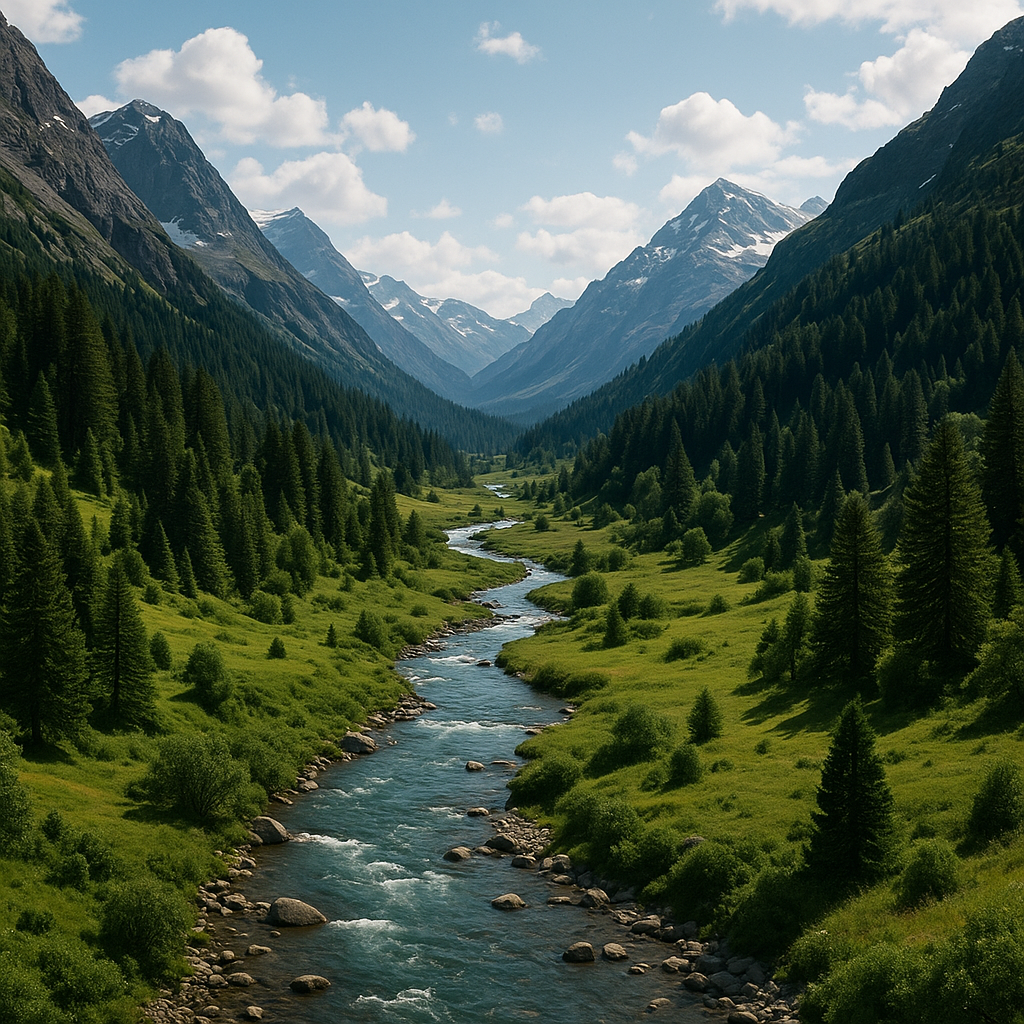
Discover Barrydale, where the Klein Karoo unbuttons its collar. Explore its rich history, unique micro-climate, vibrant arts, and serene star-filled nights.
Barrydale is a magical place in the Klein Karoo, where mountains open like theatre curtains and the Huis River shines like liquid chrome. It's famous for its unique witblits spirit, beautiful handmade textiles, and the quirky Diesel & Crème eatery. History is everywhere, from ancient rock art to the story of how the village began with a whisky bet. Come and experience the slow pace, warm honey light, and stunning starry nights in this charming village.
What is Barrydale known for?
Barrydale is known for its stunning natural beauty, including the Tradouw Pass and dramatic mountain ranges. It's also famous for its unique local products like "Barrydale Gold" witblits, handcrafted textiles from Barrydale Hand Weavers, and the quirky Diesel & Crème eatery. The village offers a slow-paced lifestyle, rich history, and vibrant community events.
Get Cape Town news in your inbox
Stay updated with the latest stories from the Mother City.
1. Theatre-Curtain Mountains & a River of Light
The Tradouw Pass uncoils for seventeen kilometres, each hairpin revealing sandstone walls that yawn open like stage curtains. Far below, the Huis River slides through orchards, catching midday sun like liquid chrome. Palaeo-scientists insist the groove was gouged by glacial meltwater during the late-Pleistocene; locals shrug and say the peaks simply “stepped aside for better peaches”. Either way, the bowl traps light until dusk, turning every surface the shade of warm honey.
Step out of the car and the air smells of peach sap and hot stone. Cicadas rev their tiny engines; somewhere a tractor coughs. The valley is only four kilometres wide yet feels limitless because the horizon keeps nudging the sky. Bring polarised sunglasses - between blossom season and harvest the glare ricochets off irrigated fields like polished mirrors.
Afternoons here are three-act dramas: white heat, honey light, velvet dark. Photographers talk of the “Barrydale quarter-hour”, that sliver of time after sunset when the sky burns coral and the first torch beams blink on in farmhouse windows. Miss it and you’ll understand why residents claim the valley was designed for slow living - anything faster would blur the colours.
2. Five Millennia in a Shot Glass
Before wagons scraped over the pass, Attaqua and Hessequa clans wintered among bulrushes they called “barendaal”. Their rock galleries still hide under overhangs: fat-tailed sheep, galleons under full sail, men with ostrich-feather headdresses. The images prove that trade, storytelling and change arrived early - on foot, hoof and, later, iron-rimmed wheels.
Settlers learnt to follow honey-birds to wild hives; in return they shared the alchemy of fire, water and grapes that became witblits. Today the off-sales counter at the co-op stocks “Barrydale Gold”, a 90-proof spirit that numbs gums and smells of scorched naartjie peel. One tot is tradition; two and the mountains start winking at you.
A short walk from the bottle store, the Dutch Reformed church lifts its steeple like a finger pointing the way home. Inside, yellowwood pews gleam from 146 years of elbow polish and the pulpit is hewn from a single tree. Sunday service still ends with psalms in Afrikaans that echo off the rafters like migrating swallows.
3. How a Whisky Wager Built a Village
In 1878 brothers Gert and Andries van Coller argued over a bottle of Bains. Andries claimed the hollow would never hold more than three farmhouses; Gert disagreed, pegged 96 plots at £5 each, and won enough to buy the whole pub another round. First came the church, then the pub, then a tiny jail - three sandstone siblings forming a triangle you could cover with a cricket pitch.
The hotel bar still displays the original deed, framed behind cracked glass. Pull up a stool and the barman will point to where a constabulary once locked up drunks within shouting distance of the very counter they fell off. Convenience, Barrydale style.
Every September locals re-enact the wager during the Spring Fair; the loser must pour free shots for the crowd. So far the score stands at Gert 147, Andries 0, and nobody seems keen to rewrite history.
4. Weather Tricks in a Rain-Shadow Cradle
Ringed by 1 600-metre sentinels, the village perches at 420 metres yet behaves like a coastal oasis. Winter fronts bounce off the Langeberg, summer furnace winds skid across the Rooiberg, and the result is meteorological mischief: a scant 280 mm annual rainfall yet hardly any killing frost. Diurnal swings of 20 °C are routine - ideal for stacking sugar in grapes and perfume in citrus skins.
January thermometers can read 38 °C under the jacaranda and plummet to 14 °C before the picker’s headlamp clicks on at 3 a.m. Farmers swear the stress concentrates flavour; tasters swear the farmers are right.
If you wake before sunrise, look for ground mist curling above the irrigation canals - nature’s own dry-ice show. By breakfast the sun has scoured it away, leaving only the smell of warm oranges and the promise of another cloudless day.
5. Twelve Months of Flavour on a Single Road
Spring drives along the R62 smell like childhood bubble-gum: peach and apricot bloom so thick bees wobble mid-air. The harvest calendar ticks like clockwork: strawberries in October, sun-dried apricots by Christmas, cling peaches trucked to city markets at 2 a.m., Muscat grapes for jerepigo in February, Barlinka bunches in March, then late mandarins and navels that sail to Dubai and Mumbai.
Every farmhouse hides a mulberry children dub the “purple-hand tree”. Fruit never reaches market; it travels straight from branch to mouth, staining skin like water-colour ink. Farmers mark time by those stains the way others count school terms.
Stop at any gate, ask politely, and you’ll likely leave with a brown paper bag of whatever is ripe. Payment is a story or a joke; money is optional.
6. Shuttle, Dye & Loom – Keeping Time the Old Way
On the outskirts a sandstone barn from 1893 houses 24 Hattersley looms that thump like slow surf. Most operators once picked fruit for a living; now they weave 50 cm per minute, 10 m per day, enough for four scarves. Dye pots bubble with onion skins, rooibos and cochineal scraped off roadside prickly pear.
Each shawl carries a tag bearing its maker’s name - Gloria, Nicolette, Ma’Riedwaan - proof that craft still has a face. Tug a loose thread and you’ll catch a faint whiff of apricot wood-smoke from last night’s boiler.
Visitors are handed bobbins and invited to try a row; the rhythm is meditative until you realise how quickly experts make art look like breathing.
7. Grease Monkeys Turned Milk-Shake Magicians
Diesel & Crème occupies a former tractor shed: inspection pit tiled with glass, vintage fuel pumps still labelled “leaded only”. Mechanics traded spanners for espresso tampers and now flip bacon-and-maple doughnut burgers - beef patty trapped between two glazed rings, crowned with candied bacon and espresso syrup. Pair it with a peanut-butter milkshake served in a one-litre oil can and you understand why bikers detour 200 kilometres for brunch.
The record stands at three burgers in eighteen minutes, set by a Port Elizabeth rider who roared back after 4 km because he’d forgotten his helmet - proof that memory is the first casualty of sugar and caffeine.
Even if you swore off dessert years ago, order the mini-doughnut flight: cinnamon, naartjie-glaze, chilli-chocolate. Resistance is futile.
8. When the Lights Go Down the Universe Switches On
By 22:00 the municipality kills every streetlamp. Walk to the old jail - now a pottery studio - and tilt your head: the Milky Way stretches overhead like a silver plait. The town sits under a Bortle-class-2 sky, rare for the Western Cape; on moonless nights you’ll see the Andromeda Galaxy with the naked eye.
Bring a blanket in mid-August and watch Perseids scratch lime-green trails above the Langeberg crest. Each flash lingers two heartbeats, long enough to wish on, short enough to keep the wish secret. Meteor counting is the only activity that requires no ticket, no guide, no data bundle - just patience and a neck that doesn’t mind craning.
Locals claim falling stars are swallows heading home; astronomers disagree, but nobody complains when poetry trumps physics.
9. Scrap-Metal Circus & a Thousand Candles
Magpie Collective’s yard is an open-air zoo of kinetic creatures: meerkat mariachi bands, a giraffe whose neck is an irrigation pipe, a dragon whose wings flap when you pedal a salvaged bicycle. Everything is for sale, climbing permitted, laughter mandatory.
Each December the artists stage “Night of a Thousand Candles”: paraffin flames flicker between sculptures, fireflies add their tiny lanterns, and for a few hours the world feels both ancient and brand new.
Kids leave clutching tiny jackalopes made from spark plugs; adults leave believing landfill can be a playground if imagination shows up.
10. Spring Fair: Petals, Pistons & Brenda Fassie
The first weekend in October swells the population fourfold. Vintage Chevys wear chicken-wire bonnets stuffed with 3 000 marigolds that shower petals onto the crowd. Miss Calitzdorp Orange waves from the back seat, Brenda Fassie blasting from a battery speaker balanced on her lap.
The parade crawls at 5 km/h so nobody misses confetti skies or the barefoot brass band on the Village Green. When jacaranda blossoms catch the sinking sun, the whole sky turns the same purple as the flowers - an intersection of botany and miracle.
Stay for the street dance; locals teach visitors the “sakkie-sakkie” two-step, a slow shuffle that makes time fold in on itself.
11. Beds with a View (and Sometimes Blades)
- Blue Crane Suite, Karoo Art Hotel: loft above the gallery, balcony facing the church; 06:00 bells play “Sarie Marais” in F-major.
- Tiny House on the Hill: 16 m² container on rails, outdoor shower heated by a donkey boiler; klipspringer sometimes watch from the cliff.
- Star-A-Stream : 1963 Airstream under olive boughs, rooftop skylight frames Orion like a cinema screen.
- The Windmill: 1903 water pump converted to three-storey digs; turning blades still power lights and the Nespresso machine.
Book mid-week and hosts toss in a bottle of Cape Ruby; weekends require forward planning because word travels at modem speed - slow, steady, unstoppable.
12. 48-Hour Itinerary for the Chronically Curious
-
Day 1*
07:00 Acacia Trail behind the caravan park; black eagles ride thermals above your head.
08:00 Blue Cow breakfast - sweet-potato rösti, poached egg, chilli-mint sauce.
09:30 Commission a meerkat at Magpie Collective; watch plasma-cutting sparks fly.
11:00 Tradouw Pass waterfall detour - 30-metre drop, swimmable pool.
13:00 Karoo Daisy lunch - bobotie spring rolls, turmeric yoghurt.
14:30 Check-in Karoo Art Hotel; request Room 5’s pressed-ceiling bath.
16:00 Tradouw Winery tasting; fill an enamel flask with Cape Ruby.
19:00 MUD Modern dinner - Karoo lamb loin, fig-and-anise jus.
21:00 Hotel roof telescope; Milky Way photobombs your selfies. -
Day 2*
06:30 Collect sourdough from The Daily Bread - ovens fire up at 04:00.
07:00 Warmwaterberg Springs soak - coffee in enamel mug, dragonflies for company.
09:30 Loom demo at Barrydale Hand Weavers; try not to tangle the warp.
11:00 Vintage motorcycle museum - 1928 BSA kick-started on Sundays.
12:30 Diesel & Crème milkshake pilgrimage; snag an enamel-pin souvenir.
14:00 Route 62 farm stalls - fig jam, chilli naartjie cordial, aloe lotion.
15:30 Depart before the sun bruises the mountains; rear-view mirror is a postcard you can’t post.
13. The Unspoken Social Code
Bicycles lean unlocked against café walls. Dogs nap on the R62 centre line; traffic politely detours. Ask for directions and you may end up feeding grandparents’ goats, learning the family jukebox and walking home under torchlight provided by constellations.
Barrydale does not merely decelerate your pulse - it strips the gears of hurry, hides them in a mulberry tree, and hands you a purple-stained afternoon instead.
What is Barrydale famous for?
Barrydale is renowned for its stunning natural beauty, including the dramatic mountains that open like theatre curtains and the Huis River. It's also famous for unique local products like the potent 'witblits' spirit (such as 'Barrydale Gold'), beautiful handmade textiles from Barrydale Hand Weavers, and the quirky Diesel & Crème eatery. The village offers a rich history, a slow-paced lifestyle, and breathtaking starry nights, making it a truly charming destination.
What are the natural attractions in Barrydale?
Barrydale is nestled in a valley where the Tradouw Pass offers spectacular views with sandstone walls and the Huis River flowing through orchards. The area is known for its 'honey light' at dusk and the unique scent of peach sap and hot stone. Palaeo-scientists suggest the valley was formed by glacial meltwater, while locals humorously attribute it to mountains 'stepping aside for better peaches'. The surrounding mountains also create a unique microclimate.
How did Barrydale get its start?
The village of Barrydale was founded after a whisky wager in 1878 between brothers Gert and Andries van Coller. Gert bet that the hollow could support more than three farmhouses, and after winning, he pegged 96 plots. The village grew from this wager, with the church, pub, and jail being among the first buildings, forming a triangle that still stands today. The Spring Fair in September re-enacts this historical wager.
What unique culinary experiences can visitors find in Barrydale?
Barrydale offers distinctive culinary experiences, notably at Diesel & Crème, a former tractor shed that now serves unique dishes like bacon-and-maple doughnut burgers and peanut-butter milkshakes in oil cans. The region is also known for its agricultural produce, with a calendar of harvests including strawberries, apricots, peaches, and grapes. Visitors can often find fresh produce directly from farm gates.
What kind of crafts and art can be found in Barrydale?
Barrydale is home to Barrydale Hand Weavers, where artisans use traditional Hattersley looms to create textiles, often dyed with natural ingredients like onion skins and rooibos. Each piece carries the maker's name, showcasing the dedication to craft. Additionally, the Magpie Collective features an open-air 'zoo' of kinetic scrap-metal sculptures, turning landfill into imaginative art.
What accommodation options are available in Barrydale?
Barrydale offers a variety of unique accommodations, from the Blue Crane Suite at the Karoo Art Hotel with its historic bells, to a Tiny House on the Hill (a 16m² container with an outdoor shower), a 1963 Airstream trailer called Star-A-Stream, and even a 1903 water pump converted into a three-storey living space known as The Windmill. Many accommodations offer stunning views and a tranquil escape.

Emma Botha is a Cape Town-based journalist who chronicles the city’s shifting social-justice landscape for the Mail & Guardian, tracing stories from Parliament floor to Khayelitsha kitchen tables. Born and raised on the slopes of Devil’s Peak, she still hikes Lion’s Head before deadline days to remind herself why the mountain and the Mother City will always be her compass.
View all articles →