
Beauty or beast? Cape Town’s new EDITION hotel gets people talking
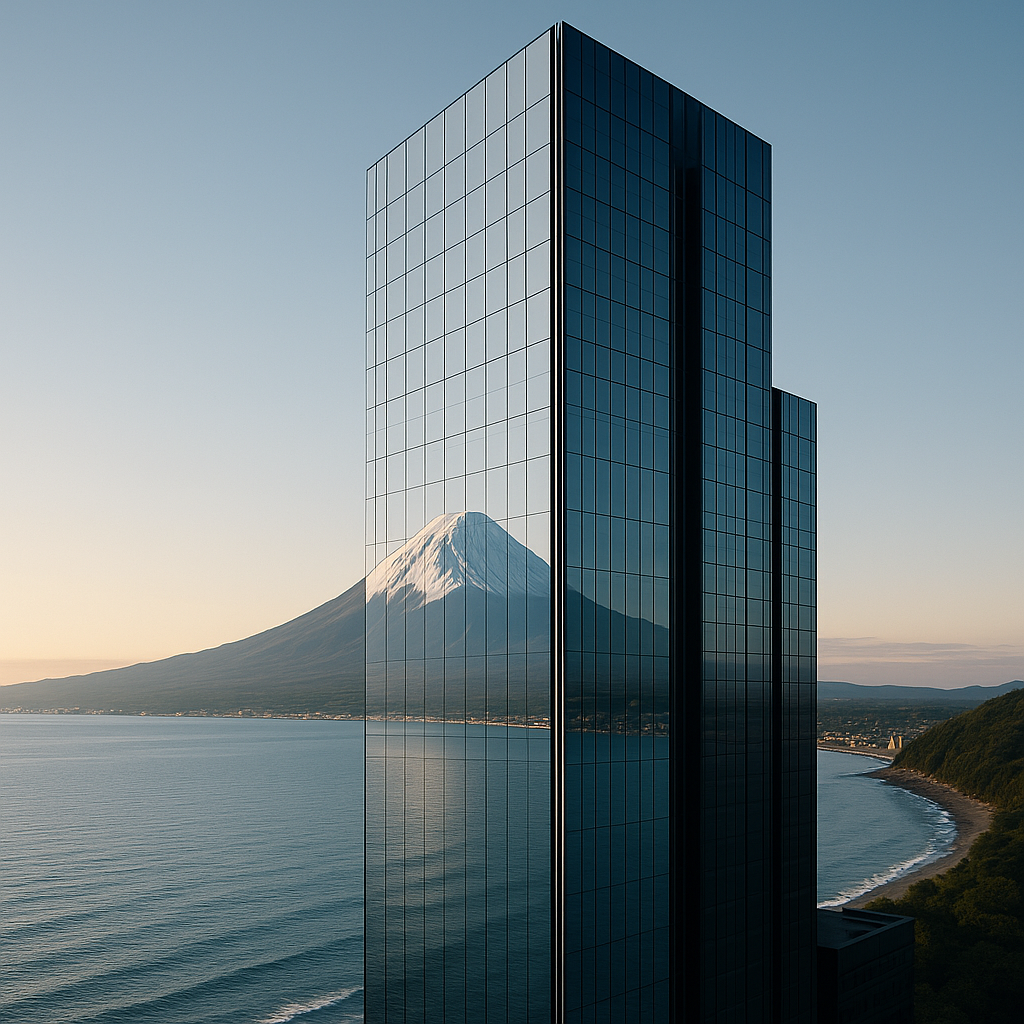
Cape Town welcomes EDITION, a new luxury hotel transforming the V&A Waterfront. Discover its unique design, local collaborations, & impact.
Cape Town's V&A Waterfront now boasts the luxurious new EDITION hotel, blending global chic with local South African artistry. It's a place where thoughtful design meets genuine connection, celebrating Cape flavors and wines. This hotel isn't just about fancy rooms; it's a vibrant spot for culture and community, making a big splash in the Mother City's bustling harbor.
What is the new EDITION hotel in Cape Town like?
The new EDITION hotel in Cape Town is a luxury hospitality establishment along the historic V&A Waterfront. It blends global design sensibilities with local South African craftsmanship, featuring custom local furniture, indigenous textiles, and a culinary program celebrating Cape flavours and vintages. The hotel emphasizes thoughtful design, genuine human connection, and integrates seamlessly with its unique harbour setting.
Get Cape Town news in your inbox
Stay updated with the latest stories from the Mother City.
Setting the Stage on South Africa's Most Celebrated Shoreline
Cape Town has welcomed a striking new presence along its historic harbour, as Marriott International's EDITION brand makes its debut in the Mother City. This development stands among the significant hospitality launches the waterfront district has seen in recent memory, bringing a fresh interpretation of luxury accommodation to one of the planet's most visually spectacular urban coastlines.
Ian Schrager's vision for EDITION, realized through his ongoing partnership with Marriott, has consistently rejected the predictable trappings of traditional upscale hotels. Instead, the brand pursues an ethos where thoughtful design and genuine human connection take precedence over superficial grandeur. Following acclaimed openings in cultural capitals like New York, London, Tokyo, and Miami, the Cape Town property now extends this philosophy to African shores, adapting global sensibilities to local particulars.
The result is neither a generic transplant nor a forced attempt at regional pastiche, but rather something more genuinely integrated - a property that recognizes its exceptional setting while contributing meaningfully to the urban fabric that surrounds it.
Designing for Harbour and History
The V&A Waterfront, where EDITION now anchors itself, represents one of Africa's sophisticated urban regeneration stories. What began as industrial infrastructure has matured into a vibrant mixed-use quarter where commerce, residence, and leisure interweave with still-active maritime operations. This complexity demanded architectural sensitivity from the project's inception.
Rather than imposing itself upon this layered environment, the building enters into quiet dialogue with it. The design team orchestrated massing and materials to acknowledge the working harbour's enduring presence - the cranes, the vessels, the rhythm of maritime commerce that has animated this coastline for centuries.
The exterior treatment has drawn particular notice among Cape Town's design community for its restraint. Where lesser developments might have reached for obvious maritime motifs - rope patterns, porthole windows, weathered timber affectations - this façade employs a more sophisticated vocabulary. Solid elements and voids alternate with purposeful rhythm. The building skin responds intelligently to solar orientation, modulating light and shadow throughout the day. At street level, the boundary between public thoroughfare and private sanctuary dissolves thoughtfully, inviting passage without demanding entry.
Local critics have appreciated this architectural maturity, recognizing in the building a willingness to let the harbour itself provide the drama while the architecture offers a composed, appropriate frame.
Crafting Interior Worlds with Local Hands
Step inside, and the EDITION's global design language immediately establishes itself - sensory richness, residential scale, an atmosphere that suggests private club rather than public hotel. Yet the Cape Town property distinguishes itself through deliberate, extensive collaboration with South African makers and thinkers.
Custom furniture pieces from local designers populate the lounges and corridors. Textiles draw upon indigenous weaving knowledge, translated through contemporary production methods. This isn't decorative tokenism; it represents a genuine investment in regional creative economy, reflecting how sophisticated travelers increasingly reject placeless luxury in favour of authentic destination connection.
The guest rooms demonstrate the brand's consistent emphasis on domestic comfort over institutional efficiency. Variations in scale accommodate different stay patterns, from brief business visits to extended leisure sojourns. Bathrooms deserve particular mention - generously proportioned spaces where material choices capture and amplify the distinctive quality of Cape light, that particular luminosity that has drawn artists to this peninsula for generations.
Public areas reveal similar intentionality. The lobby lounge encourages both spontaneous encounter and deliberate retreat. Dining venues balance energy with intimacy. Throughout, the design vocabulary maintains coherence without monotony, creating distinct moods for different moments of the guest journey.
Celebrating Cape Flavours and Vintages
Cape Town's culinary reputation preceded EDITION's arrival, built upon decades of restaurant innovation and exceptional regional produce. The hotel's food and beverage program enters this established scene with appropriate ambition, partnering with internationally recognized culinary talent to create a signature restaurant that speaks simultaneously to global contemporary practice and South African ingredient heritage.
The kitchen's approach to local preparation methods - whether indigenous techniques or colonial-influenced traditions - suggests genuine research rather than superficial appropriation. Ingredients arrive from proximate suppliers, seasonality governs menus, and the resulting dishes aim to surprise international visitors while satisfying knowledgeable locals.
The wine program commands particular attention. The Western Cape's vineyards, stretching from historic Stellenbosch and Franschhoek estates to newer appellations where young vintners experiment with climate adaptation and variety revival, find extensive representation here. Cellar selections demonstrate curatorial seriousness; by-the-glass offerings balance accessibility with discovery. Sommelier-guided excursions extend the hotel's wine engagement beyond its walls, creating economic benefit for regional producers while deepening guest understanding of this essential Cape culture.
The rooftop venue - pool, bar, and terrace - has claimed its place in Cape Town's social geography. Elevated harbour views are surprisingly scarce in this city, and the prospect across Table Bay toward the flat-topped mountain that defines the skyline creates an appealing destination. Management navigates the tension between hotel guest exclusivity and broader public access with careful choreography, maintaining atmosphere while accommodating the city's appetite for exceptional vantage points.
Economic Ripples and Urban Questions
Major hospitality developments generate employment - during construction, through ongoing operations, and across supplier networks. EDITION's arrival has activated this familiar dynamic within Cape Town's mature but still-expanding tourism economy. Training institutions, agricultural suppliers, transport providers, and numerous ancillary services all experience downstream effects.
Yet thoughtful observers press beyond these immediate metrics to examine distribution and inclusion. The V&A Waterfront operates as a semi-autonomous precinct - privately managed, with dedicated security and maintenance regimes that distinguish it from surrounding urban areas. This model delivers world-class amenity while raising legitimate questions about spatial justice in a city still grappling with apartheid's physical legacy.
EDITION's positioning within this context has attracted scrutiny from urban commentators who ask whether luxury tourism investment reinforces existing privilege or creates pathways for broader benefit. Defenders cite foreign exchange generation, skills transfer, and the demonstration effect of global brand confidence in South African markets. Skeptics note the concentration of resources in already-advantaged locations, questioning whether such developments meaningfully address - or merely aestheticize - structural inequality.
This tension isn't unique to Cape Town; it accompanies virtually every significant tourism investment in complex global cities. The particular South African inflection, however, lends urgency to questions that might seem merely academic elsewhere.
Finding Distinction in a Crowded Market
Cape Town's luxury accommodation sector offers genuine variety. The One&Only maintains its established beachfront presence. The Silo Hotel occupies a dramatically converted grain elevator with museum-grade art programming. Boutique properties throughout the city centre and Atlantic seaboard cultivate intimate scale and personal service. EDITION enters this competitive landscape with a specific proposition: lifestyle positioning that bridges traditional luxury expectations and contemporary experience-seeking.
The market's pronounced seasonality - intense summer demand from December through February, significantly reduced winter activity - tests every operator's revenue management sophistication. EDITION's ability to maintain rate integrity and occupancy through shoulder seasons and cooler months will determine not merely its own viability but potentially influence subsequent investment decisions across the sector.
Extending Presence Through Culture and Responsibility
Beyond beds and meals, EDITION has established programming that extends its presence into Cape Town's cultural life. Artist collaborations, musical events, and institutional partnerships generate activity that attracts participants well beyond registered guests. This approach - standard for EDITION globally - positions the hotel as cultural participant rather than mere accommodation infrastructure.
The property's engagement with design and fashion communities proceeds through specific partnerships and event hosting. As South African creative industries achieve increasing international visibility, such venues provide presentation opportunities that complement dedicated gallery and retail spaces, creating mutual benefit between hospitality and cultural production.
Environmental responsibility receives explicit attention through operational measures addressing energy efficiency, water stewardship, and waste management - particularly crucial given the Cape's periodic water scarcity. The gap between announced commitments and verified performance, however, remains to be closed through recognized certification processes that would substantiate claims beyond marketing assertion.
Reading the Future in Waterfront Development
EDITION's emergence coincides with broader infrastructure investment across Cape Town's central city and harbour precincts - transportation upgrades, public realm improvements, ongoing debate about the future relationship between tourism amenities and working port functions. The property thus enters not a static context but one actively evolving, its own success or struggle offering signals for subsequent development decisions.
Urban planners monitor such projects for market confidence indicators and regulatory guidance. The perpetual negotiation between enabling investment and preserving public waterfront access, managing traffic and servicing impacts, and maintaining architectural quality at prominent locations continues through each significant addition to the built environment.
Multiple stakeholders - ownership, management, municipal authorities, tourism industry bodies, urban advocacy organizations - will track performance across financial, environmental, and social dimensions. Success would validate substantial capital commitment and potentially encourage comparable developments. Challenges would prompt market reassessment and policy adjustment.
The conversation surrounding this single property thus expands to encompass Cape Town's evolving identity, its economic development choices, and the appropriate accommodation of global luxury brands within distinctive local circumstances. This dialogue - familiar to complex cities worldwide - will continue as EDITION establishes its operational rhythm and as Cape Town itself navigates the opportunities and pressures of sustained international attention.
What is the new EDITION hotel in Cape Town?
The new EDITION hotel in Cape Town is a luxurious hospitality establishment located on the V&A Waterfront. It's Marriott International's EDITION brand's debut in the Mother City, offering a blend of global chic and local South African artistry, thoughtful design, and a focus on genuine human connection. The hotel aims to be a vibrant spot for culture and community within Cape Town's bustling harbor.
Where is the EDITION hotel located in Cape Town?
The EDITION hotel is strategically located on Cape Town's V&A Waterfront, one of Africa's sophisticated urban regeneration areas. This historic harbor setting interweaves commerce, residence, leisure, and active maritime operations, providing a unique and visually spectacular backdrop for the hotel.
What makes the EDITION hotel's design unique?
The hotel's design is a sophisticated blend of global sensibilities and local South African craftsmanship. It features custom furniture from local designers, indigenous textiles, and an architectural approach that respects its working harbor environment without resorting to obvious maritime clichés. The exterior uses restraint with purposeful rhythms of solid elements and voids, while interiors prioritize sensory richness and a residential scale, reflecting an investment in the regional creative economy.
What culinary experiences does the EDITION hotel offer?
The EDITION hotel's food and beverage program celebrates Cape flavors and vintages. It partners with internationally recognized culinary talent to create a signature restaurant that focuses on South African ingredient heritage and local preparation methods. The hotel also boasts an extensive wine program showcasing the Western Cape's vineyards, along with a rooftop pool, bar, and terrace offering elevated harbor views.
How does the EDITION hotel contribute to the local community and economy?
The hotel contributes to the local economy through job creation during construction and ongoing operations, and by activating supplier networks across various sectors like agriculture and transport. It also invests in the regional creative economy by collaborating with local designers and makers. Beyond economic contributions, the hotel extends its presence into Cape Town's cultural life through artist collaborations, musical events, and institutional partnerships.
How does the EDITION hotel address environmental responsibility?
The EDITION hotel explicitly addresses environmental responsibility through operational measures focused on energy efficiency, water stewardship, and waste management. These efforts are particularly crucial given Cape Town's periodic water scarcity. While commitments are in place, the hotel aims to substantiate these claims through recognized certification processes.

Sizwe Dlamini is a Cape Town-based journalist who chronicles the city’s evolving food scene, from boeka picnics in the Bo-Kaap to seafood braais in Khayelitsha. Raised on the slopes of Table Mountain, he still starts every morning with a walk to the kramat in Constantia before heading out to discover whose grandmother is dishing up the best smoorsnoek that day.
View all articles →