
Cape Point Volunteers invite hikers on scenic coastal walk
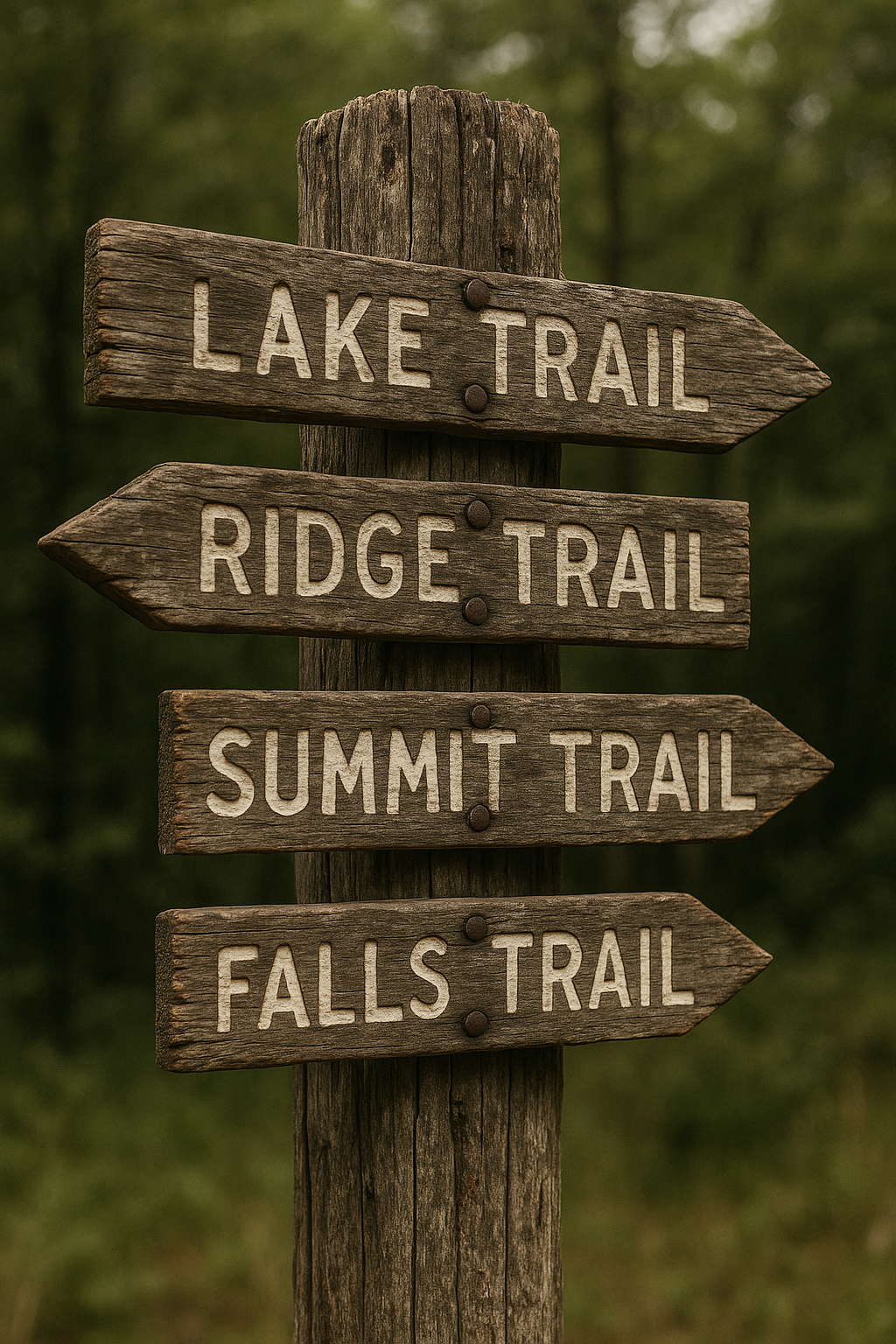
Experience a captivating winter morning hike at Cape Point, exploring fynbos, wildlife, and stunning coastal views. Discover hidden gems and unexpected encounters on this South African adventure.
Imagine a magical morning hike at Cape Point Nature Reserve, where early birds explore stunning landscapes before the crowds arrive. Picture exciting encounters with playful dassies and soaring eagles, as you discover hidden beaches and ancient rocks. Every step on this adventure is packed with wonder, from spotting rare flowers to witnessing a whale's dramatic breach. It's a journey filled with nature's surprises, leaving you with unforgettable memories and a connection to the wild.
What is a "Dawn Patrol" at Cape Point Nature Reserve?
A "Dawn Patrol" at Cape Point Nature Reserve is an early morning guided hike or exploration, starting just after the gates open. It involves navigating various terrains like beaches, jeep tracks, and granite scrambles, often encountering local wildlife and unique flora, highlighting the changing coastal landscape before the main crowds arrive.
Get Cape Town news in your inbox
Stay updated with the latest stories from the Mother City.
- Sunday 14 June 2026 – Cape Point Nature Reserve*
Gate Up, Hearts Up
At three minutes past opening time, the boom rises and a restless volunteer waves the first vehicles through. Salt rides the gale that has clawed the peninsula since three in the morning; it mingles with the brittle perfume of fynbos and the copper taste of static that never quite makes it to lightning. Headlamps weave between sedans and bakkies; soles grind frost-spangled grit; a quiet voice hums Miriam Makeba’s anthem as though charm against the chill. By eight-twelve the apron is jammed and the kiosk queue has already swapped contact details, two impulsive proposals and a prized recipe for pickled kappertjies. The espresso machine is still dead, so caffeine plans shift to thermos diplomacy.
Rob - tonight sporting a sun-faded Hoerikwagga tee - unfurls a canvas map the size of a wagon wheel. A white-board marker sketches the circuit: Gifkommetjie → Platboom Sands → Beacon #3 → inland detour along abandoned jeep track → granite scramble → full circle. Metric read-outs roll off his tongue: 8.24 kilometres, 212 metres of ascent. Perils follow: backpack-raiding dassies, a resident Cape cobra last logged at the beacon in 2023, and the spring tide that will rewrite Platboom into an island by eleven-forty. He flashes a laminated contingency card: “Wind swings thirty degrees west before ten - divert to the 1895 Norwegian whaler boiler. Could be your lucky day.” A cheer, a grin, the card vanishes into someone’s pocket for future trivia night.
The boom gate clatters a last farewell; a klipmuis scuttles beneath the ticket box. Ahead, the tar vanishes between head-high fynbos and the morning’s first Verreaux’s eagle traces the ridgeline, its shadow ticking across the hikers like a waltzing sundial. A kilometre in, the tarmac crumbles into twin ruts cut a century ago when the de Villiers brothers still grazed cattle here; the kraal stones stand like dominoes that forgot to fall. Left rut: ankle-deep rain. Right rut: prints - caracal, genet, and a ranger who refuses boots. Single file, breathing syncopates, talk thins.
Coastal Windows and Spring-Tide Clocks
The sandstone slab at Gifkommetjie has served countless postcard photographers; this morning it gleams like polished bone. The Atlantic stretches cobalt, quivering under a spine of white surf. Beyond the reef, sunrise slaps a silver zipper across the water - faster than any land creature can sprint. Far south, the Agulhas current bends beneath the chilly Benguela; the up-welling glows like a luminous spine. Binoculars appear: three Southern Rights - porridge, Marmite, and Diesel - drift east at cycling speed. The Whale Unit volunteer logs the GPS fix; drone footage will corroborate the sighting next week.
The limestone descent dumps boots onto pea-gravel that behaves like ball-bearings. The vanguard arrives first and morphs into an impromptu clean-up crew: twelve bottles, three-hundred-plus nurdles, one green-and-white crate stamped “Snoek 2024 Season, Hout Bay.” A teen sculpts a drift-wood castle; a strand of kelp becomes a coronation carpet. Behind them the southeaster sculpts sting-ray silhouettes in the sand, tails forever pointing northwest - nature’s compass for the misplaced. Someone etches the image with a trekking pole: “Follow the rays home.”
By nine-thirty-eight the orange Beacon #3 juts from the plateau. Planted by the Royal Navy in 1965 for aerial navigation, the pole now sports a matte orange coat. The drop-off below is a 120-metre sheer drama - legal limit for foot traffic. Volunteers have strung a rope handrail through kapokblom thickets; grey pods await the sun’s trigger. A stopwatch proves precision: every 2.3 seconds a pod cracks open with a citrus-flavoured sigh, dusting hikers in pollen that vanishes four metres above ground like a wraith doorway.
Inland Secrets and Granite Time-Machines
Swinging inland, the trail climbs through charcoal-stitched renosterveld dated 1610 ± 30 BP. Jeep-track corridors wall up in silverleaf and wild rosemary; kaapse kopseenoog flashes purple whenever sunlight strikes sideways. A ranger crouches: “Snake, knee-high.” Thread-snake, cedar-brown, curled in a figure eight, gulping a rain frog no larger than a five-rand coin. Lenses click, no flash; the reptile slips away, bulge mid-body like a misplaced comma. Farther along, an orange-breasted sunbird performs a hover-feed, wings whirring 62 beats per second, sounding like a distant drone prop. Someone counts; someone grins; cameras overheat.
Rock hoppers reach the kliprug scramble - 560-million-year-old granite streaked by 50-million-year onyx veins sharp enough to slice paper. Volunteers have daubed white boot prints on safe stone, leaving lichen-slick slabs to mirror the sky like black mirrors. Ten moves, an optional detour through lemon-pepper scented Leucadendron laureolum. A botanist kneels: Microseris campestris, last seen 1972, blooming today for the first time in fifty-four years. With trembling fingers she bags two achenes under permit, folds them in Rizla paper for the Millennium Seed Bank. Three balancing stones mark the spot - fist-high cairn, temporary shrine to rediscovery.
The trail flares onto the old lighthouse service road, closed to cars since the new lens took over in 1919. Patches of bitumen melt at twenty-seven degrees; today they glisten like tar licorice. Leftward, cliffs dive 190 metres to where the Portuguese caravel Santo Alberto met granite in 1593; Ming shards still wash ashore after southeasters. To the right, pioneer dunes cradle an 1897 Acacia cyclops whose root-halo stains the sand a darker green. A thermos makes the rounds - rooibos-espresso sweetened with week-old Strandveld honey - notes of salted caramel, sage, and faint kelp smoke.
Whale Breach and Digital Tribe
Just as bootsoles touch the boardwalk, the wind twists thirty-two degrees west. The sky bruises pewter; pressure drops four hectopascals in six minutes. Binoculars rise. Two kilometres out, an Antarctic minke erupts - counter-clockwise spin, white flipper flashing like morse. Three tail lobs follow, fountains topping the cliff line. A stopwatch confirms forty-one seconds of choreography before the whale inks a lyre-shaped fluke onto every retinal canvas. The entry is filed; Cape Town’s last confirmed minke was 2019.
Volunteers unclip notebooks, sketch wind roses, tally debris mass; children hand out scrap paper so hikers can draw memory-horizons of the morning. A kalimba - tines hammered from bicycle spokes - sounds in Hijaz, modal against the gale. A dassie, oxalis-stained chartreuse, chews curiously from the parapet. Sunlight finds a sucker hole, sweeps the group like a spotlight, then moves on.
Last kilometre: rehabilitated concrete strips embossed with the paw-casts of the Cape leopard last caught on camera in 2012. The parking lot erupts in hot metal and salt-fog calligraphy; seagulls have signed the windscreens in abstract guano. Boots drum, socks are wrung, contact lists swell: Hangklip-Kogelberg traverse, full-moon Blink-Blitz, mid-winter Silvermine skyline. A WhatsApp group spawns - “Cape Edge 2026” - and hits the 256-member cap inside four minutes.
Engines ignite; exhaust is ripped away by the southeaster. The botanist stays behind, kneeling to photograph the Microseris capsule, now shut tight, grey as cigarette ash. Above, the Verreaux’s eagle returns, tail flared like a hand of starlight, reading the ridge for thermals and for the next tale yet to be told.
[{"question": "
What is the 'Dawn Patrol' at Cape Point Nature Reserve?
", "answer": "The 'Dawn Patrol' is an exclusive early morning guided hike or exploration at Cape Point Nature Reserve. It begins shortly after the gates open, allowing participants to experience the stunning landscapes, diverse wildlife, and unique flora before the main crowds arrive. The adventure involves navigating various terrains, from beaches and jeep tracks to granite scrambles, offering a profound connection to the wild and unforgettable memories."}, {"question": "When does the next 'Dawn Patrol' take place?
", "answer": "The next scheduled 'Dawn Patrol' will take place on Sunday, June 14, 2026, at Cape Point Nature Reserve. It's an opportunity to witness the reserve's serene beauty and wildlife in the early hours."}, {"question": "What kind of terrain can be expected during the 'Dawn Patrol'?
", "answer": "Participants can expect a diverse range of terrains, including salt-sprayed fynbos trails, frost-spangled grit paths, ancient jeep tracks, and challenging granite scrambles. The route described includes areas like Gifkommetjie, Platboom Sands, and an inland detour, providing a varied and engaging hiking experience."}, {"question": "What wildlife might be encountered on the 'Dawn Patrol'?
", "answer": "The 'Dawn Patrol' offers opportunities to encounter a variety of wildlife. Common sightings include playful dassies, soaring Verreaux's eagles, caracal and genet prints, and various bird species like the orange-breasted sunbird. There's also a chance to spot marine life such as Southern Right whales and even rare thread-snakes. Keep an eye out for signs of the elusive Cape leopard as well."}, {"question": "What are some unique natural features or historical points of interest along the route?
", "answer": "The route is rich with unique features, including the sandstone slab at Gifkommetjie, the orange Beacon #3 (planted by the Royal Navy in 1965), and 560-million-year-old granite streaked with onyx veins. Hikers will also traverse renosterveld dated 1610 BP, discover ancient kraal stones, and pass by the site where the Portuguese caravel Santo Alberto met granite in 1593. Botanists might even spot rare flowers like Microseris campestris, last seen in 1972."}, {"question": "What should participants bring for the 'Dawn Patrol'?
", "answer": "Given the early start and varied conditions, participants should come prepared. Essential items include headlamps for the pre-dawn hours, suitable hiking boots for diverse terrains, binoculars for wildlife viewing, and a thermos for warm beverages as the espresso machine might not be operational. Be ready for changing weather, including strong winds and potential spring tides that could temporarily alter coastal paths."}]
Michael Jameson is a Cape Town-born journalist whose reporting on food culture traces the city’s flavours from Bo-Kaap kitchens to township braai spots. When he isn’t tracing spice routes for his weekly column, you’ll find him surfing the chilly Atlantic off Muizenberg with the same ease he navigates parliamentary press briefings.
View all articles →