
Cape Town: 10 taxi drivers arrested in one day
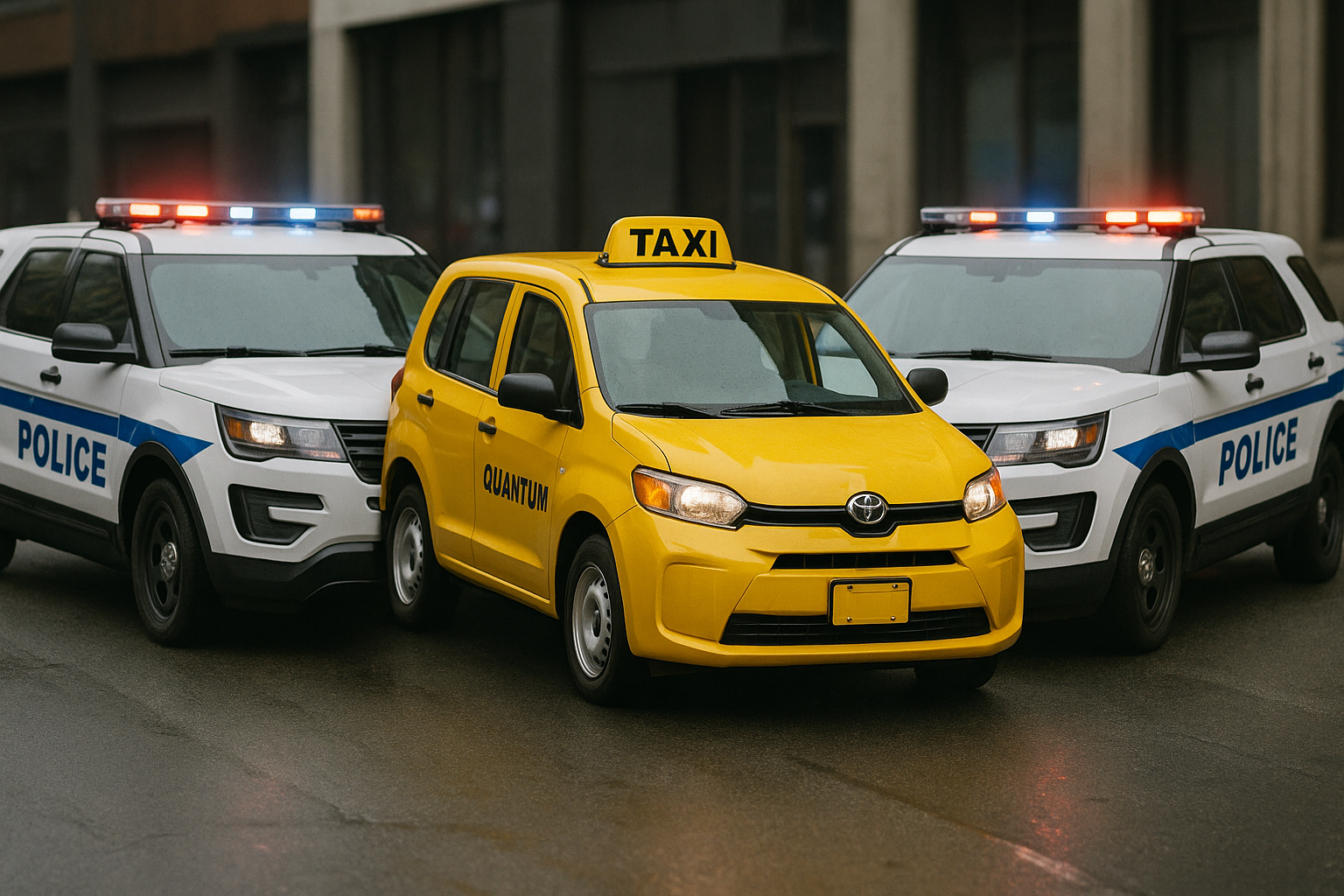
Cape Town's 24-hour dragnet nabbed ten taxi drivers, revealing a R600 000 debt mountain & new tech-driven enforcement wave.
Cape Town's "Operation Reclaim" is a harsh new plan to catch taxi drivers who owe lots of money for fines. They use cool tech like cameras and drones to find these drivers. In one day, they caught ten drivers and found over R600,000 in old debt. This big effort is meant to make roads safer and get the city's money back from those who break the rules.
What is Operation Reclaim?
Operation Reclaim is a Cape Town initiative to enforce outstanding traffic warrants, particularly targeting taxi operators. Utilizing advanced technology like LPR cameras, drones, and data analysis, it conducts city-wide blitzes to apprehend drivers with unpaid fines and criminal charges, aiming to reduce the city's significant traffic debt and improve road safety.
Get Cape Town news in your inbox
Stay updated with the latest stories from the Mother City.
The Dawn Bust That Lit the Fuse
At 05:15 on Thursday, 26 February, a gun-metal Toyota Quantum nosed off the N2 onto the R300 on-ramp, hazards blinking like it was late for church. Fifteen early-shift passengers clung to lunch boxes and cell-phones, none aware their chauffeur featured high on the City’s “Red-Warrant” heat-map. Three minutes later two unmarked Ford Rangers sandwiched the van at the traffic lights; a fingerprint scanner kissed the driver’s window. Beneath the rear seat officers pulled out a bulging manila file: twenty-two summonses stretching back to 2022 - Marine Drive speeding, Parade rank violations, M5 over-loading, plus a reckless-driving docket for slicing through a funeral cortège at 110 km/h. Face value: R90 350.
That single stop detonated a twenty-four-hour city-wide blitz that ended with ten minibus-taxi operators in handcuffs, 212 warrants paid on the spot, and R632 900 in stubborn penalties finally prised open. The spectacle was no one-off publicity stunt; it was the sharpest spike of a seven-month clamp-down that has already locked up 20 724 motorists for dodging court - almost four times last year’s detention rate.
Blueprint of a Bomb-Shelter War Room
The engine-room is nicknamed “Operation Reclaim” and it hums inside a repurposed 1980s civil-defence bunker beneath the Civic Centre. LED walls glow with live warrant bubbles; data scientists rank targets by (1) rand value owed, (2) fresh offences committed while already on the list, and (3) proximity to CCTV-flagged hot-spots. Thursday night’s “surge line” swallowed 7 km of the N2, from Airport Approach to Borcherds Quarry. Teams rotated every forty-five minutes so rush-hour traffic never swelled beyond acceptable moan-levels. A drone fitted with licence-plate recognition hovered sixty metres up, pinging hits to officers’ tablets. Between 16:00 and 19:00 - the window when most taxis crawl back to town - 112 vehicles were dragged in; four high-value offenders were arrested instantly.
Sea Point played out differently the next morning. Bicycle cops blended with sunrise joggers, quietly radioing plates in slow beach-front traffic. Six taxi drivers - some ferrying hotel staff, others doing school runs - were escorted to a mobile court on Somerset Road. Between them they carried 123 warrants worth R301 900. One 34-year-old still drew a daily wage despite forty-nine previous no-shows; his oldest ticket was for a red-light skip on Long Street in 2021.
When Warrants Hide Bigger Sins
Not every surprise was financial. At 13:42 officers flagged a Ses’fikile whose driver had allegedly sideswiped a sedan near Langa the previous week, yanked the victim’s keys “to stop pursuit”, then vanished. MyCiTi bus footage coughed up a partial plate; LPR matched the same Quantum at the N2 checkpoint. Twenty traffic warrants totalling R68 900 suddenly looked minor next to a fresh charge of assault and theft. The van was impounded; commuters were transferred to a Metro-contracted shuttle and given reference numbers for refunds - an innovation rolled out in December after complaints that innocent riders were being punished with the guilty.
Why Taxis Top the Shame List
Minibus taxis comprise barely 0.5 % of registered vehicles yet chew up 17 % of all warrants older than ninety days. Officials blame three forces. First, route warfare on lucrative Bellville–Cape Town and Khayelitsha–Claremont corridors pushes new owners into old debt when vehicles change hands. Second, many taxis are held by stokvel-style syndicates; fines stick to the driver-of-the-day who promptly “disappears” when court papers mature. Third, operators openly budget for impound-release fees (about R4 800) but ignore historic fines, calculating arrest odds are low.
The new math is shifting those odds. Since July 2025 the City has impounded 5 632 public-transport vehicles and laid 1 411 criminal charges ranging from document fraud to drunk driving. Under the amended Towing and Impoundment Policy (effective August 2025) owners can no longer dispatch a runner with cash; the registered operator must pitch up in person with proof of address, operating licence and valid driver’s card - paperwork many pool-owned taxis battle to scrape together.
The Shadow Economy Fighting Back
Cape Town’s traffic debt mountain stands at R2.7 billion; R1.1 billion is older than two years. A parasitic industry has blossomed: WhatsApp “runners” sell warrant-killing services for thirty-five cents on the rand, promising to squash summonses with fake proof-of-payment. Shell companies register fleets, rack up fines, liquidate and resurrect under fresh CIPC numbers. Two court clerks were arrested in November for allegedly taking bribes to lose dockets.
The City is punching back with bank-verified payment references, e-mail and SMS summons, and - soon - a blockchain clearance certificate insurers must inspect before renewing cover. The aim is to make an unpaid warrant as socially poisonous as an unpaid electricity bill.
Tech Toys on the Tarmac
Central to the blitz is a R22 million fleet of forty-eight “smart” patrol cars. Each carries dual-facing LPR cameras (the rear unit scans overtaking traffic), on-board 5G routers that fire live data to the bunker, and portable printers that spit out a combined infringement notice plus court date - killing the old “courtesy letter” everyone ignored. Officers clutch an Android “CopApp” with an offline warrant cache; if signal dies, arrests continue and data syncs later. Nightly, 1.3 million vehicle movements are logged; machine-learning predicts where repeat offenders will pop up next with seventy-eight percent accuracy.
Commuters Trapped in the Cross-fire
Commuter unions warn of “collateral damage”. SANTACO Western Cape claims the blitz breeds “perpetual harassment” and alleges roadside bribes are inflating operating costs - and ultimately fares. The City counters that only vehicles with three-plus outstanding warrants or serious criminal charges are towed; eighty-two percent of taxis checked during February’s sweep were waved on. Still, stories sting: Nomvula Diko, travelling with two children, asks who refunds her lost day’s wages when her taxi is yanked at dawn.
March Roadshow: Life-line or Trap?
To shrink the backlog before stiffer by-laws bite, the City will run its third “Traffic Fine Roadshow” in March. Pop-up payment booths will rotate between Philippi Village Mall, Table View Civic Centre and Gugulethu Sports Complex, dangling a thirty percent discount on warrants older than twelve months, instalment plans up to six months (excluding reckless or drunk-driving cases), and on-site affidavits for identity-fraud claims - over nine hundred such cases were cleared in October, shifting blame to the real culprits. Critics slam the roadshow as a “soft amnesty”; officials point to the R89 million cash it harvested last time and say it frees court hours for violent offenders.
The Coming Rule Book
Draft by-laws now before the safety committee promise tougher medicine: thirty-day impoundment for anyone caught driving while their licence is suspended for unpaid warrants; owner-liability clauses that can cancel operating licences if a fleet racks up R100 k across any five vehicles; double demerit points for public-transport drivers - hit fifteen and your professional permit is gone for a full year; and real-time licence-disc lockouts at testing stations until every warrant tied to the VIN is dead. Public hearings resume 17 March; SANTACO threatens mass protest if “collective punishment” survives.
Will the Template Travel?
Treasury is watching. If Cape Town keeps its detention rate above thirty-five percent for a full fiscal year, a special enforcement grant - possibly R480 million - could bankroll a national roll-out to twelve major metros. Road-fatality data fuels the argument: in Cape Town, twenty-eight percent of 2025’s fatal-crash drivers had ignored three or more court summonses. The rest of the country may soon feel the same 24-hour drag-net that snared ten taxi drivers and exposed a debt iceberg the size of a city budget.
What is Operation Reclaim?
Operation Reclaim is a Cape Town initiative aimed at enforcing outstanding traffic warrants, primarily targeting taxi operators. It uses advanced technology like LPR cameras, drones, and data analysis to identify and apprehend drivers with unpaid fines and criminal charges, with the goals of reducing the city's significant traffic debt and improving road safety.
How effective has Operation Reclaim been so far?
Operation Reclaim has shown significant effectiveness, apprehending ten drivers in one 24-hour blitz and uncovering over R600,000 in old debt. In a seven-month clamp-down, it has resulted in the detention of 20,724 motorists for dodging court, nearly quadruple the previous year's rate. Since July 2025, 5,632 public-transport vehicles have been impounded and 1,411 criminal charges laid.
What technology does Operation Reclaim use?
Operation Reclaim leverages a suite of advanced technologies, including LPR (License Plate Recognition) cameras, drones for aerial surveillance, and sophisticated data analysis. Smart patrol cars equipped with dual-facing LPR cameras and 5G routers transmit live data, while officers use an Android "CopApp" with an offline warrant cache. Machine learning also predicts the location of repeat offenders with 78% accuracy.
Why are taxis a primary target of Operation Reclaim?
Minibus taxis, despite making up only 0.5% of registered vehicles, account for 17% of all warrants older than 90 days. This is attributed to factors like route warfare leading to debt when vehicles change hands, fines sticking to a

Isabella Schmidt is a Cape Town journalist who chronicles the city’s evolving food culture, from Bo-Kaap spice merchants to Khayelitsha microbreweries. Raised hiking the trails that link Table Mountain to the Cape Flats, she brings the flavours and voices of her hometown to global readers with equal parts rigour and heart.
View all articles →