
Cape Town cancels World Naked Bike Ride following backlash
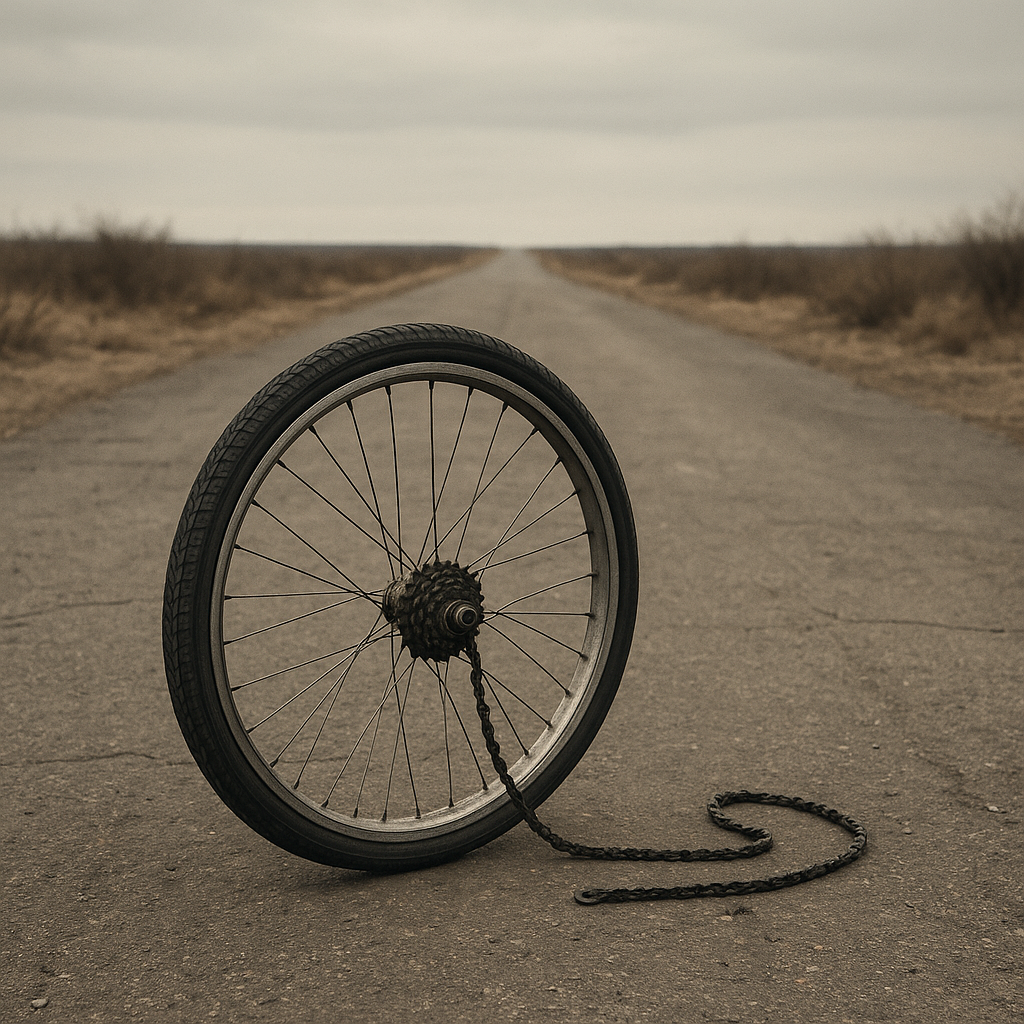
Cape Town's World Naked Bike Ride loses its 2026 license due to nudity regulations, sparking debate on protest, culture, and public space.
Cape Town's famous Naked Bike Ride, where people parade nude to protest oil use, got its permit denied for 2026. The city said new rules ban public nudity and it's a 'public safety risk.' But organizers say it's their right to express themselves, like a peaceful protest. This decision has sparked a big fight about freedom, art, and what's okay to show in public.
Why was Cape Town’s Naked Bike Ride permit denied?
Cape Town's Naked Bike Ride permit was denied due to new municipal regulations, specifically a clause in the 2026 Events Policy forbidding public nudity unless exempted. The City cited "public safety risk" and referenced the Sexual Offences Act, despite organizers arguing their actions are symbolic speech protected by the Regulation of Gatherings Act and Section 17 of the Constitution.
Get Cape Town news in your inbox
Stay updated with the latest stories from the Mother City.
1. Dawn of the Undressed Peloton
For almost two decades, the weekend before South Africa’s biggest one-day race has begun with a softer, cheekier prelude. While 35 000 Lycra warriors sleep off their jitters, a volunteer swarm of unclad cyclists glide out of Green Point Urban Park. Painted as sharks, sunflowers or protest slogans, they spin a 14 km anti-clockwise loop around the Atlantic rim: past the V&A clock tower, the Noon Gun, the Castle’s stone ramparts, and finally back beneath the flat-topped mountain. No bibs, no timing mats, no entry charge - just the gentle rule: “Wear as little as you dare.” Toddlers ride shotgun on cargo bikes, retirees borrow e-batteries, and at least one circus artist balances on a single wheel. The gathering has never asked the city for a parade licence; instead it leans on the Regulation of Gatherings Act, the same law once used by unions and liberation funeral processions. Since 2008 that umbrella has quietly sheltered Cape Town’s edition of the World Naked Bike Ride, turning bodies into billboards against oil addiction.
March 2025 looked like any other year. Body-paint tins clacked like loose spokes; a samba band on roller skates warmed up; photographers negotiated angles that kept genitalia out of frame. Yet the mood carried a new static. A WhatsApp note from the organiser’s phone urged “minimum coverage, please - tape and g-strings advised.” Most riders laughed it off, but two municipal compliance officers circled the lawn on foot, cellphones aloft. A pair of SAPS vans idled on Beach Road, windows cracked. No handcuffs appeared, yet the implications clung like sea-salt: the state was watching skin.
The ride itself stayed festive. Chants bounced between art-deco blocks: “Tax fuel, not flesh!” At Mojo Market a marshal hoisted a bike overhead for the group photo; 200 grinning faces hollered for the shutter. Forty-eight hours later the organisers found an email from the Events Directorate waiting. Future processions, it warned, must guarantee “complete concealment of buttocks and genitals.” The Sexual Offences Act blinked in bold, accusatory font. A tradition that had rolled through four mayoral terms suddenly teetered on the brink of being labelled a sex crime.
2. Bureaucratic Strip-Search
Marthinus Pretorius, volunteer coordinator, spent the winter racing in circles stranger than any criterium. First stop: the City’s Events office, where staff shrugged and pointed to Law Enforcement. Law Enforcement handed him a SAPS hotline number. SAPS clerks mailed him back to the City’s Legal Department. Each referral consumed weeks, stamps, taxi fares. In September he filed the standard Section 4 gathering notice for 11 March 2026. The form landed in an electronic vacuum - no acknowledgement, no reference number, nothing.
While silence thickened, Pretorius widened the battlefield. He petitioned the CRL Rights Commission, insisting that naturism is a cultural identity deserving constitutional shield. He quoted Section 17: “Everyone has the right, peacefully and unarmed, to assemble, demonstrate, picket and present petitions.” Commissioners agreed to ponder the issue, buying him time. Then, buried in the draft 2026 Events Policy, a fresh clause surfaced: “Public nudity forbidden unless the Executive Director grants written exemption.” No template for such exemption was supplied, effectively hanging a padlock on air. On 12 December a terse mail dropped into his inbox: “Notice refused under Reg. 4(2)(d) - public safety risk.” No hearing, no affidavit, no magistrate’s signature. By administrative sleight of hand, Cape Town’s naked ride was cancelled.
3. Naked Law, Clothed Prejudice
South Africa’s statutes on public undress are less prudish than the municipality pretends. The Sexual Offences Act targets flashers who intend to shock or seduce, not environmental protesters using skin as placard. In 2008 four hikers strolled Table Mountain in the nude; a magistrate tossed the charge, noting “no erections, no lewd gestures - just people walking.” Municipal by-laws do threaten spot fines for exposed genitals, yet the penalty is petty-cash territory and has never been weighed against the higher-order right to political expression. Advocates for the ride insist carbon-painted buttocks constitute symbolic speech; criminalising that, they argue, is viewpoint discrimination dressed up as decency.
Internationally, the ride negotiates a patchwork of scruples. London enforces royal-park nipple bans; Kyoto opts for a police escort under moonlight; Portland welcomes ten thousand smooth skins and sells them after-party craft beer. Cape Town’s twist lies in colonial geography: the route glides from queer-friendly bistros to a 17th-century slave fort, past informal settlements stacked against glass investment towers. Critics call the tableau voyeuristic; organisers counter that diversity is growing - marshals are mostly Black, slogans now appear in isiXhosa, and raffle funds buy bikes for township youth. By strangling the permit, the City has not only sidelined protest nudity; it has muted an awkward annual dialogue about race, space and who gets to feel safe in their own dermis.
4. Ripple Effects Beyond the Saddle
Sandy Bay, officially naturist since a 1996 council resolution, feels the chill too. Drone patrols launched by a private neighbourhood watch have replaced tolerant lifeguards. Fines of R500–R1 500 rain onto unsuspecting sunbathers; complaints to the national naturist federation quadrupled within months. For many, the secluded cove was entry-level social nudity; its new surveillance regime deepens the sense of cultural eviction.
Environmental accountants calculate that the ride’s demise erases more than spectacle. Cape Town Cycle Tour weekend pumps roughly 1.2 million kilograms of airline carbon into the sky; the naked counter-event, by comparison, averaged 0.03 kg per head, mostly from avocados and train commutes. Local body-paint entrepreneurs, vegan food stalls and bike-rental depots forfeit an estimated R2.8 million micro-economy. Germany’s largest naturist tour operator has already scratched the Mother City off its 2027 brochure, steering 600 bed-nights toward Durban’s new nude-friendly beach resort.
Yet wheels are turning where regulations cannot see. A flash-mob coalition - Velokhaya township academy, queer cycling clubs, Black Girls Do Bike - plans an unbranded “Critical Mass Body Pride” for 11 March 2026. Location drops by SMS two hours prior, Berlin-style. Participants promise paint, not full nudity, daring police to define the line between art and indecency. Meanwhile, Pretorius and his lawyers ready a three-pronged counter-attack: a High Court challenge set for March 2027, CRL Commission public hearings this February, and a private bill before Parliament that would carve out nude protest as protected expression. None of these remedies will be fast; all cost money, sleepless nights, risk of ridicule. Still, every revolution - political, cultural, environmental - starts with someone willing to pedal against the red light, clothes or none.
[{"question": "What is the Cape Town Naked Bike Ride and why was its 2026 permit denied?", "answer": "The Cape Town Naked Bike Ride is an annual event where participants cycle nude to protest oil use and advocate for environmental awareness. It has taken place for almost two decades, usually the weekend before South Africa’s largest one-day race. The city denied its permit for 2026, citing new municipal regulations that ban public nudity and labelling it a 'public safety risk.' Organizers argue this infringes on their right to peaceful protest and freedom of expression."}, {"question": "What specific legal and regulatory issues led to the permit denial?", "answer": "The permit denial stems from new municipal regulations, specifically a clause in the draft 2026 Events Policy stating 'Public nudity forbidden unless the Executive Director grants written exemption.' The City also referenced the Sexual Offences Act and cited 'public safety risk' as the reason for refusal under Regulation 4(2)(d). Organizers counter that their actions are symbolic speech protected by the Regulation of Gatherings Act and Section 17 of the South African Constitution, which guarantees the right to peaceful assembly and protest."}, {"question": "How do organizers and advocates defend the legality of public nudity in this context?", "answer": "Organizers and advocates argue that South Africa’s Sexual Offences Act targets those who intend to shock or seduce, not environmental protesters using their bodies as 'billboards' for symbolic speech. They point to past court rulings, such as the 2008 case of nude hikers on Table Mountain where charges were dismissed, to illustrate that mere nudity without lewd intent is not necessarily a crime. They contend that criminalizing carbon-painted buttocks as protest is viewpoint discrimination disguised as decency, infringing on the higher-order right to political expression."}, {"question": "What are the cultural and economic impacts of the permit denial?", "answer": "Beyond the protest itself, the permit denial has significant ripple effects. The local micro-economy, including body-paint entrepreneurs, vegan food stalls, and bike-rental depots, stands to lose an estimated R2.8 million. International naturist tourism is also impacted, with at least one major tour operator redirecting business away from Cape Town. Furthermore, the decision is seen by some as deepening a sense of cultural eviction, especially given the increased surveillance and fines at once-tolerant naturist spots like Sandy Bay."}, {"question": "What steps are the organizers taking to challenge the decision?", "answer": "Marthinus Pretorius, the volunteer coordinator, and his legal team are pursuing a multi-pronged approach. This includes a High Court challenge set for March 2027, public hearings with the CRL Rights Commission (which historically agreed to consider naturism as a cultural identity deserving constitutional protection), and a private bill before Parliament to specifically carve out nude protest as protected expression. They are also supporting a 'Critical Mass Body Pride' flash mob for March 2026, which will feature paint but not full nudity, challenging authorities to define the line between art and indecency."}, {"question": "How does Cape Town's stance on public nudity compare to other international cities with similar events?", "answer": "Cape Town's current stance is stricter than many cities worldwide. For instance, London has specific bans on nudity in royal parks, while Kyoto provides a police escort for its moonlight naked bike ride. Portland, Oregon, is known for its welcoming attitude, hosting large numbers of participants and even organizing after-parties. The unique aspect of the Cape Town route, passing through diverse historical and socio-economic landscapes, adds layers to the debate, with critics sometimes calling the tableau 'voyeuristic,' while organizers emphasize growing diversity among participants and charitable efforts benefiting township youth."}]

Amanda Wilson is a Cape Town-born journalist who covers the city’s evolving food scene for national and international outlets, tracing stories from Bo-Kaap spice shops to Khayelitsha micro-breweries. Raised on her grandmother’s Karoo lamb potjie and weekend hikes up Lion’s Head, she brings equal parts palate and pride to every assignment. Colleagues know her for the quiet warmth that turns interviews into friendships and fact-checks into shared laughter.
View all articles →