
Cape Town community water project expands in Khayelitsha
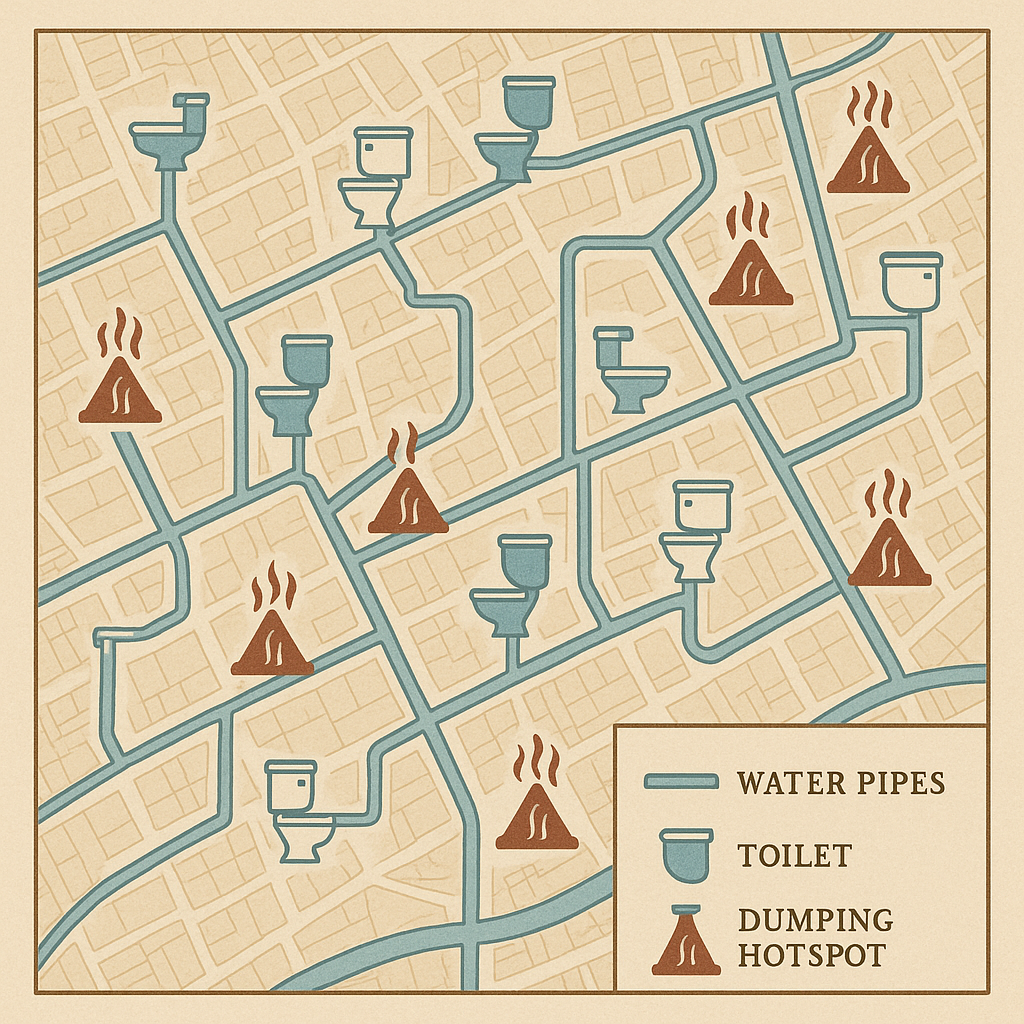
Explore Khayelitsha's community-led water revolution: greywater gardens, solar lights, and smart tech transforming sanitation.
In Khayelitsha, a big grant started a cool new project to fix water and toilets. Local people are in charge, helping to design and build things like special gardens that use old bathwater and solar lights for public toilets. This makes their homes healthier and saves a lot of water. It's all about neighbors working together to make their community better.
What is the Khayelitsha water revolution?
The Khayelitsha water revolution is a community-led sanitation experiment in Cape Town, initiated by a R17.8 million grant. It empowers residents to co-design and manage water and sanitation solutions, including greywater gardens, solar lighting for toilets, and community-driven waste removal, significantly improving health and water efficiency in informal settlements.
Get Cape Town news in your inbox
Stay updated with the latest stories from the Mother City.
1. Seed Capital That Refused to Sit Still
In March 2023 the City of Cape Town’s Water Directorate inked deals with twenty-two grassroots outfits across the metro. The biggest cheque - R17.8 million stretched over three years - landed in the hands of Bantubanye Community Development, a nonprofit launched in 2016 by environmental-justice alumni from the University of the Western Cape.
City bean-counters attached two iron-clad rules: residents had to co-design every nut and bolt, and every cent must flash on a public dashboard refreshed every quarter. Bantubanye treated the cash as venture capital for a living lab, gambling that dense informal settlements could stay healthy, fragrant and water-wise if neighbours owned the process.
No glossy brochures, no middle-men. Instead, the first expense line paid for walking shoes and SIM cards so locals could survey their own streets before engineers opened a single blueprint.
2. A Map Drawn by Footsteps, Not Satellites
Before a shovel hit soil, thirty volunteers spent six weeks zig-zagging lanes with KoboToolbox-loaded phones. They pinned:
- 1 147 standpipes and yard meters
- 473 toilet blocks - 330 pitch-black at night
- 189 dump sites squatting inside storm-water canals that double as seasonal cholera slides
That digital canvas now dictates where solar lights rise, where “Leak Spotters” patrol and where Saturday clean-ups strike. The Spotters - mostly gogos and out-of-school twenty-somethings - earn R1 200 a month to photograph drips and geo-tag bursts. Their snaps feed straight into the City’s Batho Pele portal, shaving average repair time from thirteen days to 4.2 since July 2023.
Local gangs initially laughed at grandmothers wielding smartphones. Three burst-pipe bonuses later, the same gangs volunteer to escort the Spotters home, proving data can buy respect faster than cash.
3. From Bathwater to Bananas: Greywater Gardens Go Viral
Re-using sink and shower water is ancient science; Khayelitsha’s twist is social contagion. One “champion” gardener per lane scores a 200-litre drum, gravel, shade-cloth and a handsaw - supplied free by the City. Champions host fortnightly “dig days” where neighbours carve a French-drain trench in ninety minutes, then plant spinach, beetroot, chillies and the show-stopper: banana suckers rescued from Shoprite’s food-waste skip.
By April 2024, 312 such micro-gardens carpet 4.5 hectares in Makhaza and Ireland. Early numbers from UCT’s Future Water Institute show 38 litres saved per household daily - enough potable water in one year to fill thirteen Olympic pools.
Children now trade banana harvests for homework help, and spaza owners stock garden-grade chillies at a premium. The biggest winner? Sewer pipes that no longer groan under extra grey flow.
4. Sun-Powered Safety: Lights, Locks and Locals
Six-hundred-and-sixty motion-sensor solar lanterns now ring communal toilets, each costing R980 bulk-bought from start-up GreenAGE. Battery packs sit inside steel cages welded by Ikamva Youth students; keys rotate between two elected toilet stewards every half-year to keep corruption on a short leash.
Police dockets reveal a 27 % drop in muggings within a thirty-metre halo of the new lights between October 2023 and March 2024. Women report shorter queues after dark, and emergency calls to clinics for assault injuries have dipped.
The lanterns themselves became currency: when one unit flickers, the steward logs it on AmanziAlert WhatsApp and neighbours crowd-fund R120 for a new battery within hours - gossip-powered maintenance that outruns municipal paperwork.
5. Saturday Morning Muscle: Turning Trash into Data
Cape winter can dump 100 mm in twenty-four hours, morphing blocked canals into lethal rivers. Bantubanye’s answer is the Saturday Flood-Clearing Club: 150 rotating volunteers, one City tip-truck, shovels and a Bluetooth speaker blasting amapiano.
From July 2023 to March 2024 they hauled 143 tonnes of junk - equal to twenty adult elephants - while Waste-ED’s pop-up scale captured the weight live to the dashboard. Forty-one percent of that mass was plastics funnelled into Sizophila Youth Cooperative’s buy-back centre, injecting cash back into the hood.
Storm-water now drains in minutes instead of days, and primary schools use the club’s tonnage graphs to teach ratios. One educator jokes her Grade-4s understand percentages better than the municipal finance chief.
6. WhatsApp Water ATMs and the Micro-Meter Boom
A neighbourhood group called “AmanziAlert_Makhaza” fields 3 200 members moderated by three trained digital stewards who kill fake news and escalate real crises. A tap-to-call hotline inside the group links straight to the City’s 24-hour fault desk, cutting plumber call-outs by an estimated 18 % as residents swap spare washers and flexi-pipes.
Data nerds at Code for Africa mine the chat archive and spotted a pattern: bursts spike whenever upstream pressure tops 4.5 bar. The City now dials back pressure on Monday and Friday mornings, pre-empting floods and complaints.
Meanwhile, Stellenbosch University’s clip-on “flow-count” meters - R320 a piece - turn standpipes into prepaid kiosks. Users buy R5, R10, R20 bundles via USSD; thirty percent of each sale feeds a communal kitty for repairs. In Ndlovini, 92 % of residents thumbs-up the pilot, especially women who no longer queue in the dark while arguing over “one more splash.”
7. Murals, Drones and Budgets the Choir Can Sing
Each cluster elects a champion household whose outer wall becomes a Baz-Art mural: how to scrub hands, which soaps kill soil life, where to report broken taps. Instagram tourists now detour for selfies, buying vetkoek and airtime on the way.
Quarterly, champions haul heat-maps and TikTok clips to the Civic Centre, grilling councillors face-to-face. Their evidence helped snag an extra R23 million for informal-settlement sanitation in the 2024 budget, ring-fenced only for neighbourhoods that submit verified dashboards.
Every rand of the original R17.8 million is sung aloud - literally. Auditors chosen by community lottery translate statements into isiXhosa and read them at Sunday services, so gogos without smartphones still chorus their oversight.
What is the Khayelitsha Water Revolution?
The Khayelitsha Water Revolution is a groundbreaking community-led sanitation and water management initiative in Cape Town, South Africa. Funded by a significant grant, it empowers local residents to co-design, implement, and manage solutions like greywater gardens, solar-powered lighting for public toilets, and community-driven waste removal. The project aims to improve health outcomes, enhance safety, and promote water efficiency in informal settlements by fostering strong community ownership and participation.
How is the Khayelitsha project funded and managed?
The project received a substantial R17.8 million grant from the City of Cape Town's Water Directorate, allocated to Bantubanye Community Development. Key conditions of the funding include mandatory co-design by residents and transparent public reporting of all expenditures on a quarterly dashboard. This approach treats the funding as 'venture capital' for a living laboratory, emphasizing local ownership and direct community involvement over traditional top-down management.
How does the project gather data and identify community needs?
Before any construction, 30 local volunteers used KoboToolbox-loaded phones to conduct a detailed ground survey of their streets. They mapped standpipes, toilet blocks (identifying those without lighting), and dump sites, particularly those in stormwater canals. This grassroots data collection, rather than satellite imagery, directly informs the placement of new infrastructure and the deployment of 'Leak Spotters' – residents who earn a monthly stipend to report water leaks via geo-tagged photos, significantly reducing repair times.
What are greywater gardens and how do they benefit the community?
Greywater gardens are an innovative solution where residents reuse water from sinks and showers to irrigate small gardens. The project provides 'champion' gardeners with essential materials like drums, gravel, and shade-cloth to establish these gardens, which subsequently grow vegetables like spinach, beetroot, and chilies, as well as banana plants. These gardens save an estimated 38 liters of potable water per household daily, improve local food security, and reduce the burden on sewer systems by diverting greywater.
How has the project improved safety and sanitation facilities?
To enhance safety and usability of communal toilets, 660 motion-sensor solar lanterns have been installed. These lights, bulk-bought from a local start-up and assembled by youth, are maintained through a rotating key system managed by elected toilet stewards. Police data indicates a 27% drop in muggings near these lit areas, and women report feeling safer. The community even crowd-funds for battery replacements through a WhatsApp group, demonstrating strong collective responsibility.
How does the community manage waste and stormwater?
Bantubanye's 'Saturday Flood-Clearing Club' mobilizes 150 rotating volunteers to clear canals, preventing blockages that lead to flooding. From July 2023 to March 2024, they removed 143 tonnes of waste, with 41% being plastics redirected to a local buy-back center. This initiative not only mitigates flood risks but also injects cash into the local economy and provides educational opportunities, as children use the club's data to learn about ratios and percentages.

Sizwe Dlamini is a Cape Town-based journalist who chronicles the city’s evolving food scene, from boeka picnics in the Bo-Kaap to seafood braais in Khayelitsha. Raised on the slopes of Table Mountain, he still starts every morning with a walk to the kramat in Constantia before heading out to discover whose grandmother is dishing up the best smoorsnoek that day.
View all articles →