
Cape Town man jailed for allegedly using pitbull to terrorise robbery victims
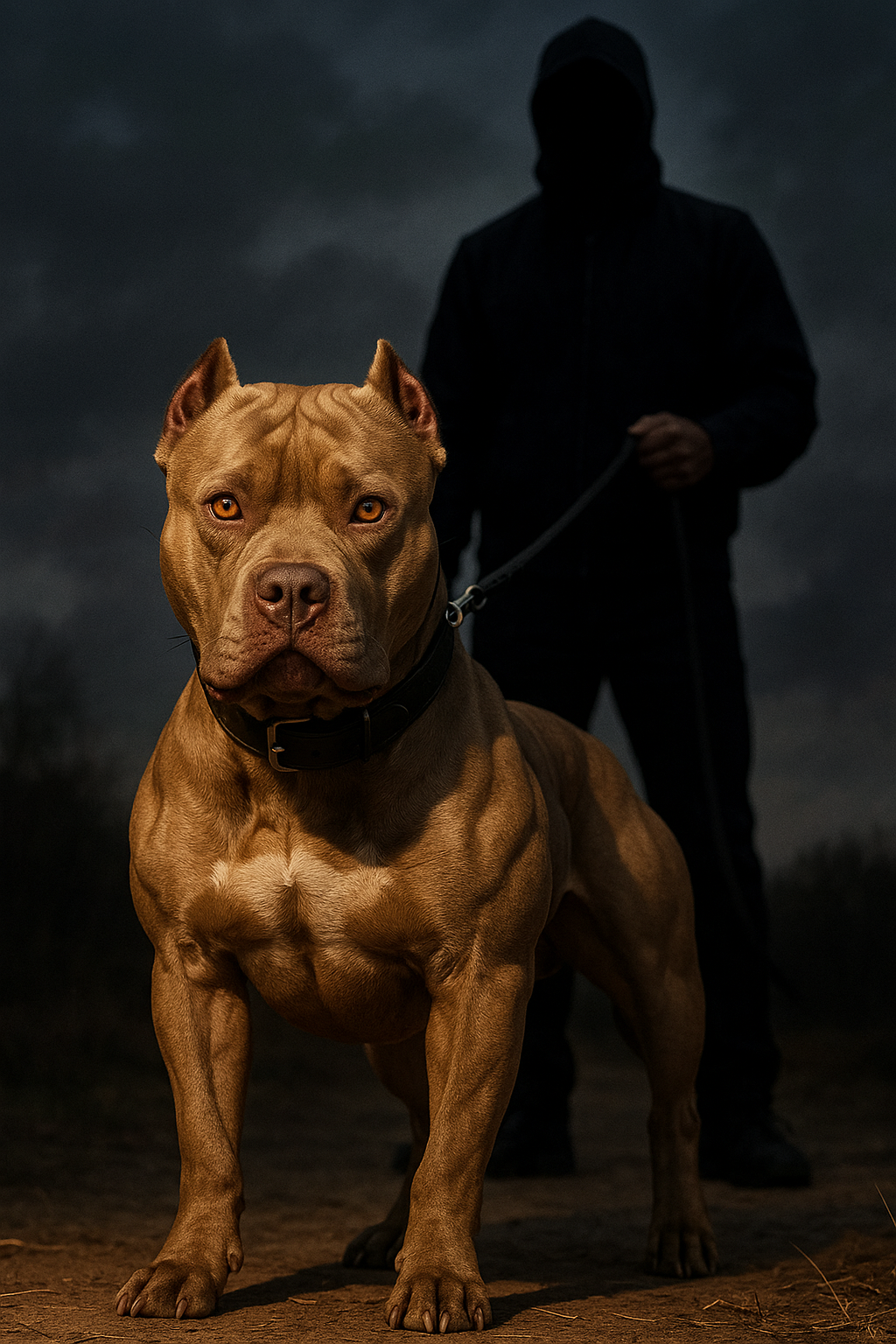
A Kensington crime reignites South Africa's dog-weapon debate after a pitbull was used in a robbery, leading to a landmark conviction.
A shocking robbery in Kensington, South Africa, used a pitbull creating a terrifying scene. This event led to a groundbreaking court decision: a dog can be seen as a weapon, just like a gun. This ruling is changing how crimes involving dogs are handled. It highlights the sad truth that many dogs are forced into dangerous lives by cruel people. Now, new laws are being considered to stop this, making sure future cases have clear rules.
What are the legal implications of using a dog as a weapon in South Africa?
The Cape Town Regional Court recently ruled that a dog can be considered an "aggravating instrument of intimidation" in a robbery, leading to a six-year imprisonment sentence. This landmark decision, while not binding precedent, sets a new standard for prosecuting crimes where dogs are used to threaten or extort, even though the Dangerous Weapons Act does not explicitly mention canines.
Get Cape Town news in your inbox
Stay updated with the latest stories from the Mother City.
1. A Quiet Park, a Sudden Storm
Mid-July 2023, Kensington’s pocket-park between 11th and 12th Avenues lay hushed beneath a windless winter sky. The usual soundtrack - minibus brakes and the odd yap from a kitchen door - broke only once that day when a lone resident looked up from his WhatsApp feed. A thick-set man in a hoodie hauled a brindle pitbull down the path, the dog’s muscles rolling like knotted cables under a thin coat. The pair circled the green once, twice.
On the second lap the handler halted, eyes cold.
“Hand it over.”
The seated man froze. A sharp jerk on the chain and the pitbull snapped forward, jaws wide, a soundless promise. Phone gone. By the time neighbours spilled into the street the robber - and his animal - had melted through a broken section of palisade fencing behind the 1950s semis.
What could have ended as another tally in South Africa’s 1.7 million yearly contact crimes turned into a tipping point. Within three days the Kensington Community Policing Forum’s WhatsApp feed crackled with grainy CCTV grabs; by Sunday a fifteen-second clip showed the same dog lunging at a teenager on a BMX. SAPS arrested the 31-year-old at a house in 8th Avenue and found the pitbull still hitched to a car axle, ribs etched against dull skin, algae blooming in its water dish.
2. From Pet to Pistol: Re-writing the Rulebook
The Cape Town Regional Court’s sentence last week - six years direct imprisonment - broke new ground. It marks the first time a Western Cape magistrate has labelled a dog an “aggravating instrument of intimidation” in a common-law robbery. Prosecutors argued the pitbull’s presence was tantamount to waving a loaded gun; the court agreed. Though not binding precedent, the judgment now sits in every state advocate’s briefcase, ready for the next township or suburban stick-up where teeth replace blades.
The Dangerous Weapons Act contains zero reference to canines, yet the gap has been exploited for decades. During the 1990s East Rand security firms marketed “Rottweiler patrol bundles” to warehouse owners; by 2010 Soweto dealers were raising oversized “XL bullies” to escort tik runners. Officers in Mitchells Plain have confiscated treadmills rigged with truck tyres; in Inanda, eyewitnesses claim pitbull pups change hands for 9 mm cartridges. The American pitbull terrier, once the poster pup for World War I enlistment, has mutated into a status marker whose market value climbs with every notch on its fight record.
Kensington’s incident diverged: no betting ring, just cold utility. Investigators told the court the suspect had rehearsed the routine - circle, retreat, threaten - at least five times since April. A 64-year-old churchgoer testified she surrendered her handbag the instant the dog planted two paws on her shoulders; a Grade 11 learner described yielding his Nike bag “because the dog’s breath was already on my cheek.” None fought back; each recalled the robber’s bored monotone, the cadence of a man who had done this before.
3. Exhibit P1: Saving the Evidence
Only when prosecutors grasped the dog’s double role - evidence and victim - did Cape Town’s Animal Control Unit receive the call. “We had never faced this puzzle,” explains Senior Inspector Mark Arendse, whose team normally acts under the Animal Protection Act. “We had to seize the dog like an illegal firearm, yet protect it from its owner.” Officers obtained a Criminal Procedure Act warrant and watched the 8th Avenue property for six days. When they finally moved, they found the pitbull - tagged Exhibit P1 - tethered so tightly it could not lie down. A vet’s sheet listed infected pressure sores, snapped canines and caffeine traces matching forced stimulants.
Exhibit P1’s fate remains hazy. The National Prosecuting Authority refuses to confirm euthanasia or relocation, citing “security concerns.” Insiders say the animal now occupies an off-the-grid kennel near Paarl reserved for former fighters. South Africa’s liability rules make re-homing an animal with a documented bite history prohibitively costly, so life behind mesh is the probable end - an involuntary sentence without parole for a creature that never chose crime.
4. Supply Lines, Screenshots and Solutions
Kensington’s verdict yanked open the lid on a pipeline that runs from backyard breeders in Kraaifontein to mills in Brakpan. A 2023 SPCA case audit shows 68 percent of seized Western-Cape pitbulls hail from unregistered sellers who advertise on Facebook Marketplace using code such as “blocky,” “gamey,” “old-family-red-nose.” Price tags swing from R1,800 for an eight-week pup to R15,000 for a “three-time winner” - shorthand for a dog that has survived three organised fights. Delivery often happens at highway garages or GrandWest Casino’s parking lot, cash and puppies swapping boots like contraband.
Enforcement lags behind. Cape Town’s Animal Keeping By-law - signed December 2023 - caps households at two sterilised pitbulls and insists on micro-chips, yet twenty-four officers patrol a city of roughly 650 000 dogs. Gauteng’s NSPCA has lobbied since 2021 for a “Dog Trafficking Unit” modelled on the Hawks’ endangered-species desk; the bid stalls at Treasury. Vets willing to crop ears or inject black-market testosterone still operate openly - one Krugersdorp practice flaunts “battle-crop” specials on TikTok.
The algorithm stokes the fire. Twenty-second clips of muscle-bound dogs hanging from swinging tyres, chests cross-hatched with scars, ride under tags like #Gamedog, #KeepEmChained, #NoPainNoGain. UCT criminologists found that dogs featured in such posts are 43 percent likelier to appear in aggression-related dockets within a year. Viral bravado breeds real danger.
Every specialist interviewed offered the same refrain: “It’s never the dog.” Dr Tarryn Collins at Tygerberg Animal Hospital notes pitbulls actually outscore golden retrievers on the American Temperament Test Society’s stability chart. “The hitch,” she says, “is anatomy and persistence. A pitbull bites, clenches, shakes. Combine that with human cruelty and you get a perfect storm.” Re-training seized dogs demands six months and about R25 000 per animal - money that donor fatigue rarely covers. Municipalities devote, on average, 0.3 percent of their budgets to animal services, so rehabilitation queues grow faster than kennel space.
Draft legislation could change the game. A leaked clause under joint review by the Departments of Agriculture and Justice proposes amending the Dangerous Weapons Act so that anyone who “employs, trains or encourages a canine to threaten, attack or extort” faces the same fifteen-year minimum as for firearm crimes. Critics warn the wording may rope in legitimate guard-dog handlers or even sheepdog farmers. Until the ink dries, Exhibit P1 - and countless pups born this week - remain pawns in a human contest where power walks on a leash.
What is the significance of the Kensington court ruling regarding dogs as weapons?
The Kensington court ruling is groundbreaking because it's the first time a Western Cape magistrate has labeled a dog an "aggravating instrument of intimidation" in a common-law robbery, equating its use to that of a loaded gun. While not a binding precedent, it signals a new approach for prosecutors in South Africa to handle crimes where dogs are used to threaten or extort, potentially leading to harsher sentences.
How was the pitbull in the Kensington robbery case handled?
Initially, the pitbull, designated Exhibit P1, was treated as both evidence and victim. Animal Control Unit officers obtained a Criminal Procedure Act warrant to seize the dog, finding it tethered and in poor condition with infected pressure sores, snapped canines, and traces of stimulants. Its fate remains undisclosed due to "security concerns," but it is believed to be housed in an off-the-grid kennel, as re-homing an animal with a documented bite history is costly and difficult.
What is the current legal status of dogs as dangerous weapons in South Africa?
The Dangerous Weapons Act in South Africa currently does not explicitly mention canines. However, the Kensington ruling has effectively expanded the interpretation of "aggravating instrument of intimidation." Draft legislation is under review that proposes amending the Dangerous Weapons Act to impose a fifteen-year minimum sentence for anyone who "employs, trains or encourages a canine to threaten, attack or extort," similar to firearm crimes.
What are the challenges in regulating the use and breeding of pitbulls in South Africa?
Challenges include unregulated backyard breeding, with sellers advertising on platforms like Facebook Marketplace using coded language. Enforcement is difficult due to a shortage of animal control officers relative to the large dog population. Efforts to establish a "Dog Trafficking Unit" have stalled, and some vets continue to offer illegal services like ear cropping. The influence of social media algorithms also promotes dangerous dog-fighting culture, exacerbating the problem.
What is being done to address the issue of dogs being forced into dangerous lives?
Beyond the landmark court ruling, new draft legislation is being considered to amend the Dangerous Weapons Act, potentially imposing severe penalties for individuals who use dogs to threaten or attack. There are also ongoing efforts by organizations like the NSPCA to advocate for stronger enforcement and specialized units to combat dog trafficking. However, rehabilitation for seized dogs is costly and underfunded, highlighting a need for increased municipal budgets for animal services.
Do pitbulls inherently have aggressive temperaments?
According to experts like Dr. Tarryn Collins at Tygerberg Animal Hospital, pitbulls do not inherently have aggressive temperaments and even outscore golden retrievers on the American Temperament Test Society's stability chart. The issue lies in their anatomy – their strong bite, clenching, and shaking ability – combined with human cruelty and training that forces them into aggressive roles. The problem is consistently attributed to human actions, not the dogs themselves.

Hannah Kriel is a Cape Town-born journalist who chronicles the city’s evolving food scene—from Bo-Kaap spice routes to Constantia vineyards—for local and international outlets. When she’s not interviewing chefs or tracking the harvest on her grandparents’ Stellenbosch farm, you’ll find her surfing the Atlantic breaks she first rode as a schoolgirl.
View all articles →