
Cape Town moves to amend traffic by-law for enhanced road safety
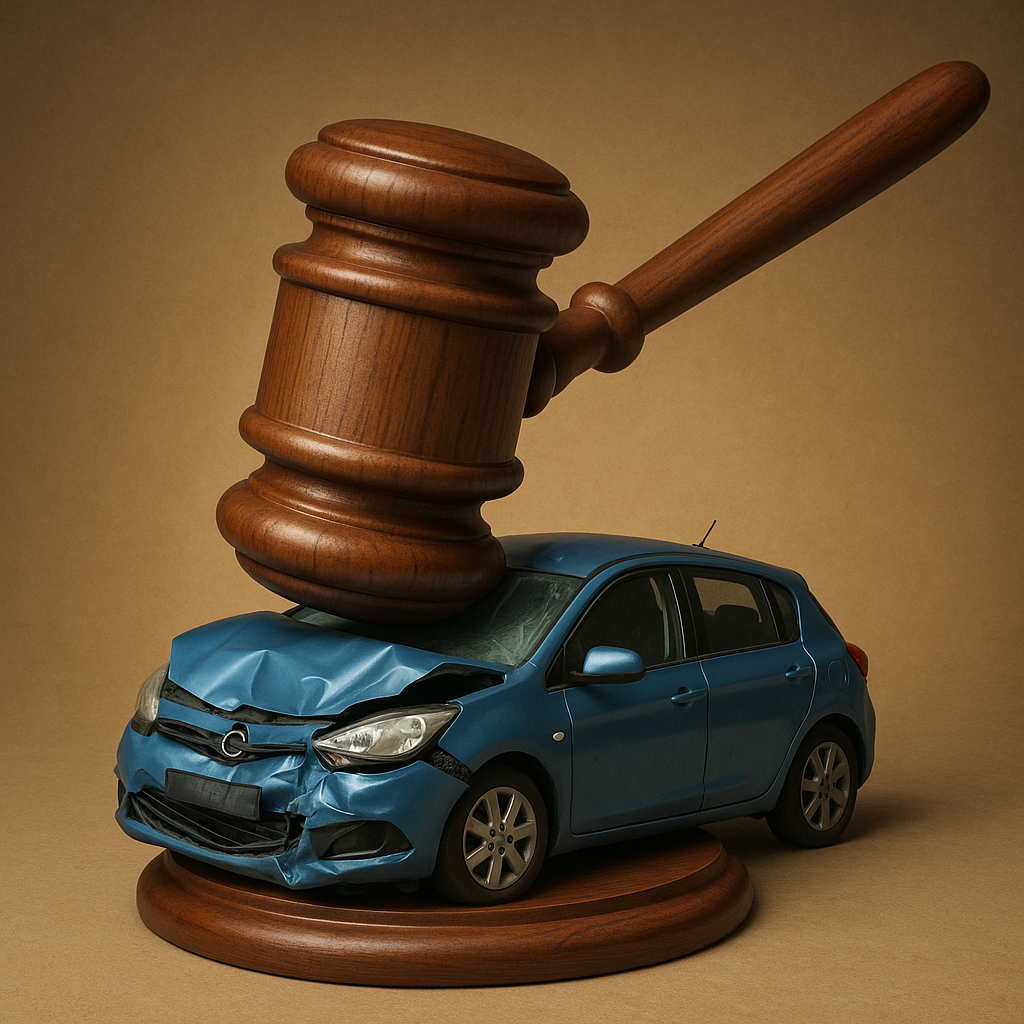
Cape Town's 2026 traffic by-law overhauls road rules, allowing car seizures for street racing, DUI, unlawful driving & excessive noise.
Cape Town is shaking things up with tough new traffic laws starting in 2026. If you're caught street racing, driving drunk or drugged, or without a valid license, your car can be taken away right away. Even loud exhausts can get you in trouble, with big fines and your car going to the impound lot. This means big changes for drivers, and a steeper cost if you break the rules.
What are the new traffic law changes in Cape Town for 2026?
Cape Town's 2026 traffic law changes include immediate vehicle seizures for street racing, drunk/drugged driving, and driving with a suspended or non-existent license. Additionally, cars exceeding 95 dB(A) in exhaust noise face fines and potential impoundment, with increased storage fees for seized vehicles and new surveillance measures.
Get Cape Town news in your inbox
Stay updated with the latest stories from the Mother City.
1. Countdown to Zero Hour: How a Two-Year Sprint Becomes Law
On 14 May 2026, at 07:13, every traffic-inspectorate WhatsApp group in Cape Town lit up with the same blunt signal: “Go-time confirmed.”
That message closed a 24-month process that began the moment the Safety and Security Portfolio Committee voted, without dissent, to green-light the most aggressive overhaul of local traffic rules since Cape Town’s traffic services merged in 2013.
The road to that vote was unusually noisy. Officials kept the public-comment window open for seven weeks, collected 132 written submissions, staged four township-hall meetings, and survived a Zoom town-hall that twice buckled under 1 300 live log-ins.
At the finish line, the legal drafters altered one - only one - line: they inserted authority for officers to impound any vehicle whose exhaust crackles past 95 dB(A) when the engine sits at three-quarters of its red-line rpm.
Everything else - cars seized for drunk-driving, forfeiture for street racing, clampdowns on licence-less joyrides - survived untouched.
What follows is a formality with a deadline: a nod from the Mayoral Committee, rubber-stamping by full Council, appearance in the Provincial Gazette, then a 30-day mercy-and-marketing blitz. After that, the gloves come off.
2. Four New Tripwires That Can Cost You Your Keys (and Your Car)
Street-Racing & Spinning
Cape Town’s rulebook now treats a side-by-side blast from a traffic light, a TikTok-timed 0-100 sprint, or a midnight dash down the R27 as the same offence: competitive exhibition of speed.
First strike: immediate seizure of car and trailer.
Second strike inside two years: the State may ask the regional court to hand the vehicle to the City permanently. The owner must then prove the car was taken or used without consent; fail, and the ride becomes municipal property.
Drunk or Drugged Behind the Wheel
If the evidentiary breathalyser clocks 0,10 % BAC or higher - or if the driver refuses blood extraction - the tow truck heads for Athlone pound.
A positive oral-fluid swipe for cannabis, cocaine, or meth triggers the same fate.
First offenders may retrieve the car after 30 days, but that freedom costs a R15 000 “release surcharge.” Drag the court case past six months and the pound keeps the car for another 60 days.
Licence Cancelled, Suspended, or Non-Existent
Roughly 38 000 Capetonians still steer after judges yanked their papers. An officer will scan the licence card; if NaTIS flashes “SUSPENDED,” the car is cuffed even if a licenced passenger is available.
The City will not hand the keys to anyone who cannot produce a valid licence in their own name; owners must name an authorised proxy, whose credentials the pound will vet before the gate lifts.
Too Loud for Public Roads
Private cars, bikes, or minibus taxis shrieking beyond 95 dB(A) (measured at half-a-metre, 45-degree angle, engine at 75 % rpm) are labelled “public nuisances.”
Traffic cops carry Type-1 integrating sound meters tethered by Bluetooth to body-cams; the reading plus GPS stamp and 15-second audio clip upload automatically.
First offence: R5 000 spot fine.
Second offence inside 12 months: the car sleeps in the pound for seven days.
Third offence: forfeiture proceedings begin.
3. The Pound Network, Price Hike, and Paper Chase
New Real Estate for Towed Metal
Athlone, Bellville South, and Montagu Gardens can already hold thousands of cars; the projected caseload will double the flow.
To cope, the City is converting an old Sacks Circle warehouse in Milnerton into a fourth pound with 1 800 bays and a drive-through inspection lane.
How Much It Hurts the Wallet
From 1 August 2026 every seized car wears an NFC tamper seal; break it and the owner’s phone lights up with an instant SMS.
Storage fees leap from R104 to R280 per day for motorcycles, and from R208 to R440 for cars. Payment is electronic only - no card, no cash.
What Happens to Unloved Cars
After 90 days of silence, the vehicle rolls onto an online auction run by Fleet Management.
Proceeds pour into the Road Safety Reserve Fund, earmarked for speed humps and scholar-patrol kit.
Buyers with cash and a trailer can score Christmas-season bargains.
4. Eyes in the Sky and Lawyers on the Ground
Surveillance Arsenal
- ANPR trailers with onboard GPUs ping a “suspension hot-list.” A match triggers a squad-car alert within 30 seconds.
- Five weekend-night drones (DJI Matrice 300) loiter above favourite racing strips - N1 near Wingfield, R300 Stellenberg straight, Marine Drive from Granger Bay to Paarden Eiland - filming in 200 × zoom HD.
- An acoustic radar pilot on the M5 bridge triangulates exhaust backfire to within one metre and snaps the plate when noise spikes past 100 dB. Data is still in calibration but already guides spot-checks.
Constitutional Cross-Hairs
The Legal Resources Centre will soon test the surcharges - R15 000 for DUI, R7 500 for noise - in court, arguing they are criminal penalties masquerading as administration fees.
If the High Court agrees, Cape Town may have to refund millions and rethink the tariff sheet.
How Other Cities Are Taking Notes
eThekwini’s Metro Police have already toured the pounds.
Johannesburg is drafting a 92 dB threshold; Windhoek wants the ANPR trailer blueprints; Lagos officials muse about the revenue potential in three million privately owned cars.
5. Survival Guide: Stay on the Road - and Out of Auction
Daily Precautions
- Verify your licence on the RTMC website before every long trip; “suspended” can appear weeks after the court date you missed.
- Fit a variable-valve exhaust locked in quiet mode under 3 000 rpm; stash the decibel-test printout in the cubby.
- WhatsApp race invites are compromised - assume every gathering is watched.
- Designate a proxy driver now; if your car is impounded you cannot fetch it yourself.
- When pulled over, demand to see the calibration sticker on the sound meter (valid 12 months). An un-certified reading is contestable.
Calendar Dates to Circle
- 30 June 2026 – Mayoral Committee rubber-stamp
- 25 July 2026 – Full Council vote (DA majority expected)
- 5 August 2026 – Law actives live at midnight
- 5 September 2026 – Grace period ends; full fines and seizures
- 1 December 2026 – First unclaimed-vehicle auction
6. The Cultural Fault-Line Beneath the Asphalt
Cape Town’s car scene has long been sliced by class and colour: gleaming Porsches in Constantia, spinning arenas on the Flats, neon “amaphela” taxis ferrying late-night workers.
Officially the by-law is blind to hue, yet its loudest impact lands on practices that are largely black and coloured.
City hall argues equality - BMW M-car or overloaded taxi, the rulebook is identical.
Critics retort the law is another page in a history of criminalising township recreation.
Whether Athlone pound becomes a cultural graveyard or merely a noisy inconvenience will depend less on text and more on who actually gets metered, towed, and left standing on the shoulder.
What are the new traffic law changes in Cape Town for 2026?
Cape Town's 2026 traffic law changes include immediate vehicle seizures for street racing, drunk/drugged driving, and driving with a suspended or non-existent license. Additionally, cars exceeding 95 dB(A) in exhaust noise face fines and potential impoundment, with increased storage fees for seized vehicles and new surveillance measures.
When do the new traffic laws come into effect?
The new traffic laws in Cape Town are set to become active on August 5, 2026, at midnight. There will be a 30-day grace period, with full fines and seizures commencing on September 5, 2026.
Under what circumstances can my car be immediately impounded or seized?
Your car can be immediately seized for street racing or spinning, driving under the influence of alcohol (0.10% BAC or higher) or drugs (positive oral fluid swipe for cannabis, cocaine, or meth), or driving with a cancelled, suspended, or non-existent license. Loud exhausts exceeding 95 dB(A) can also lead to impoundment on a second offense within 12 months, with forfeiture proceedings on a third offense.
What are the financial implications if my vehicle is impounded?
If your vehicle is impounded, storage fees will significantly increase. For motorcycles, fees jump from R104 to R280 per day, and for cars, from R208 to R440 per day. Payment must be electronic. First offenders for drunk/drugged driving also face a R15,000 "release surcharge" to retrieve their car after 30 days. For loud exhausts, a first offense incurs a R5,000 spot fine.
How is Cape Town enforcing these new traffic laws?
Cape Town is using a multi-pronged approach for enforcement, including ANPR (Automatic Number Plate Recognition) trailers to identify suspended licenses, weekend night drones (DJI Matrice 300) to monitor racing strips, and acoustic radar pilot programs to detect excessively loud exhausts. Traffic officers will also carry Type-1 integrating sound meters tethered to body-cams for accurate noise measurements.
What happens if my impounded car is not claimed?
If an impounded vehicle remains unclaimed after 90 days, it will be rolled onto an online auction run by Fleet Management. The proceeds from these auctions will be directed into the Road Safety Reserve Fund, earmarked for initiatives such as speed humps and scholar patrol equipment. Buyers might find Christmas-season bargains at these auctions.

Oliver Daniels is a Cape Town journalist who chronicles the intersection of food, migration and identity in South Africa's kitchens—from wood-fired Gugulethu braai spots to Constantia vineyards. Born and raised on the slopes of Devil’s Peak, he still starts each week with a dawn walk across Table Mountain to catch the first Atlantic light before filing copy.
View all articles →