
Cape Town port urged to avoid costly export diversions
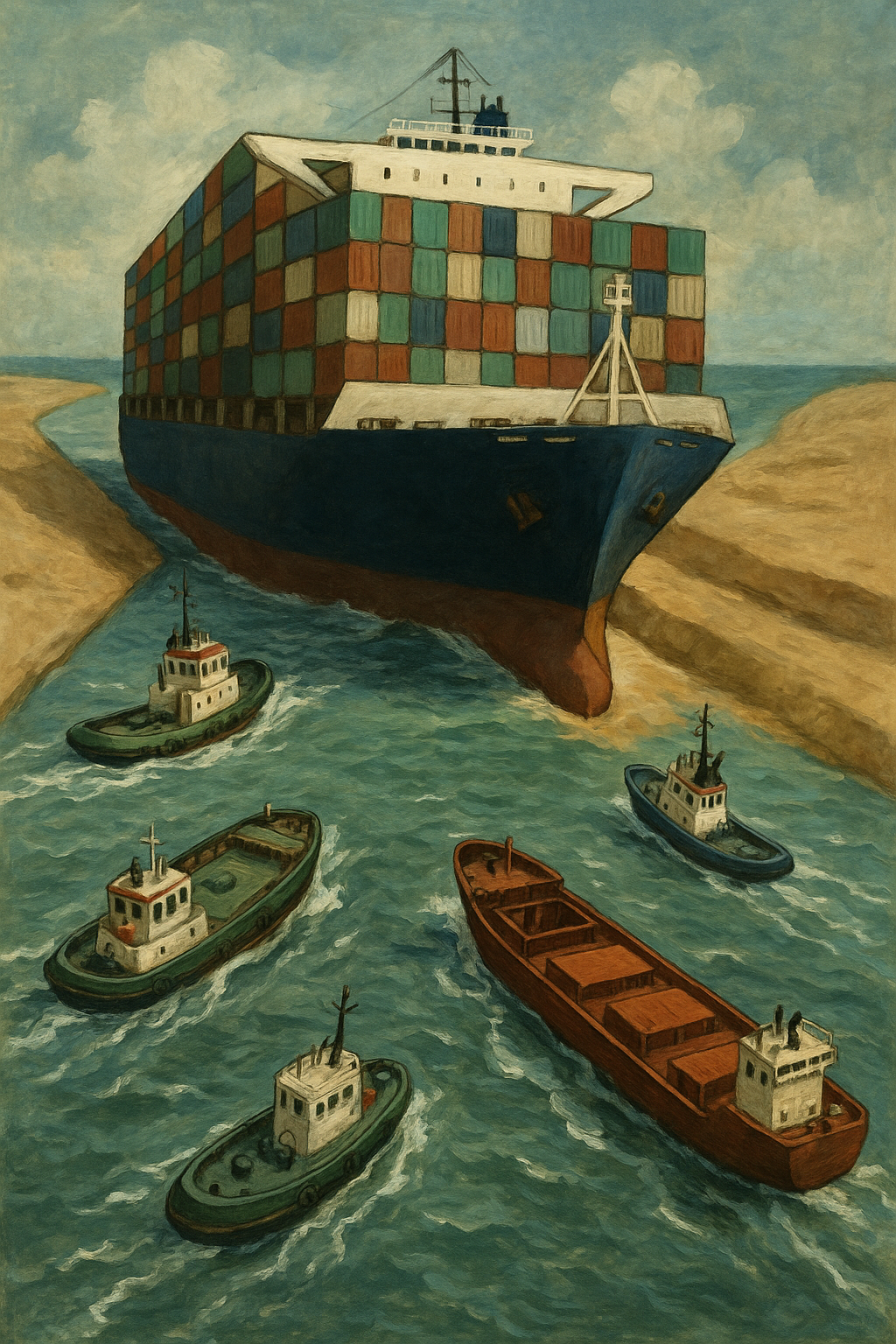
Western Cape pressures Port of Cape Town over looming export crisis. Delays could cripple agriculture, costing jobs & billions. Calls for urgent reform.
The Western Cape is super worried about its main port in Cape Town. If the port keeps messing up, like it did last year, farmers won't be able to send their fruit and other goods overseas. This means big money loss and many people losing their jobs. The government and farmers are begging for big changes now to fix the port before it's too late for the next harvest season.
Why is the Port of Cape Town's performance critical for the Western Cape's economy?
The Port of Cape Town's performance is critical because it's the primary export gateway for the Western Cape's agricultural sector, contributing billions to the economy. Failures lead to significant financial losses, increased costs, and job insecurity for thousands, undermining the province's Growth for Jobs Strategy by hindering international market access for perishable goods.
Get Cape Town news in your inbox
Stay updated with the latest stories from the Mother City.
Provincial Leadership Sounds Alarm Over Looming Shipping Catastrophe
The Western Cape government has thrown its full weight behind demands for immediate improvements at the Port of Cape Town, warning that another year of shipping chaos could cripple the region's agricultural economy. With the 2025/26 export season fast approaching, provincial leaders face a narrowing window to prevent a repeat of last year's debacle that saw tens of thousands of tonnes of produce diverted to alternative harbours hundreds of kilometres away.
South Africa's agricultural sector already battles on multiple fronts. Fluctuating global commodity prices, increasingly unpredictable weather patterns, and soaring costs for fertilisers, fuel and labour have squeezed producer margins to breaking point. Against this backdrop, the prospect of logistical failure at the country's second-largest cargo gateway has triggered an unusually forceful response from Cape Town's political leadership.
Dr Ivan Meyer, who holds the combined portfolio of Agriculture, Economic Development and Tourism, has positioned himself at the centre of reform efforts. He maintains regular contact with Transnet executives, farming associations and national government figures, pushing a consistent message that the status quo cannot continue. His office has made clear that diverting produce to Eastern Cape ports again would inflict unacceptable damage on an industry already stretched thin.
Quantifying the Damage from Last Year's Meltdown
The previous season's failures at Cape Town's container terminals went far beyond minor scheduling inconveniences. They constituted a full-scale operational collapse with measurable financial consequences across multiple agricultural sectors. Industry figures put the diversion of table grapes alone at roughly 55,000 tonnes - produce that should have sailed from Cape Town but instead rumbled by truck to Gqeberha and Ngqura.
This mass redirection affected far more than just grapes. Significant quantities of apples, pears, peaches, plums, nectarines, apricots and cherries missed their intended departure points. Together, these commodities generate annual export earnings running into billions of rands for the provincial economy. Many growers operate with such narrow profit margins that unexpected logistics costs tip entire harvests from profitable to loss-making.
The perishable nature of horticultural exports magnifies every delay. Temperature-controlled containers must maintain exact conditions throughout their journey, and extended trucking distances strain refrigeration systems while burning additional diesel. Each extra kilometre to Eastern Cape ports layers on costs: longer cold storage requirements, increased fuel consumption, revised documentation, and the administrative headache of rerouting established supply chains. Small-scale operations feel these burdens most acutely, often lacking the financial reserves to absorb shocks that larger enterprises can weather.
Why Cape Town's Port Keeps Failing
The terminal's struggles trace back to years of accumulated neglect and fragmented management. Equipment breakdowns during peak periods have become almost routine, with ageing cranes, conveyor belts and handling gear failing precisely when demand peaks. These hardware failures create domino effects that ripple through tightly scheduled export windows, leaving vessels waiting and produce spoiling.
Yet machinery problems tell only part of the story. The coordination demands of modern port operations - aligning ship arrivals, container positioning, customs clearance and cold storage availability - require sophisticated management systems that Cape Town has struggled to maintain. When previous seasons exposed these weaknesses, the absence of robust backup plans left the entire operation vulnerable to disruption from relatively minor setbacks.
Information flows between parties have historically compounded these difficulties. Transnet officials, shipping agents, cold store operators, haulage contractors and farming exporters have too often worked from different versions of reality, with delayed or incomplete data preventing timely adjustments. Dr Meyer's current strategy specifically targets these communication failures, treating transparency as a prerequisite for any lasting improvement.
How Port Dysfunction Ripples Through the Economy
The provincial government's analysis of port performance reaches well beyond farm-level concerns to the structural foundations of Western Cape prosperity. Its Growth for Jobs Strategy treats export expansion as essential for drawing investment and creating employment. This framework acknowledges that the province's agricultural strengths, processing capabilities and related services only generate growth if international market access remains dependable and competitively priced.
Employment consequences weigh particularly heavily given farming's labour-intensive nature. Tens of thousands of workers depend directly on the fruit sector, with thousands more employed in packing sheds, transport firms, input suppliers and export administration. When port problems squeeze export volumes or erode grower returns, job security across this entire network comes under threat.
The seasonal rhythms of Western Cape agriculture create additional time pressure. Harvest and shipping schedules align precisely with optimal ripeness and overseas market demand. Delays that push produce arrival into less favourable pricing windows can slash returns dramatically, undermining producers' capacity to reinvest and maintain their workforce.
Exploring Private Sector Solutions
Provincial leaders increasingly look to expanded private involvement as the most promising route to sustainable improvement. International experience indicates that concession agreements, public-private partnerships and full terminal privatisations can drive efficiency gains through fresh capital, specialised expertise and competitive incentives.
Dr Meyer's explicit connection of private participation to the Growth for Jobs Strategy signals provincial willingness to back institutional changes that may face opposition from entrenched interests. This stance suggests openness to engaging national government on legal and policy reforms needed to enable greater private sector presence in port operations.
Industry Voices Amplify Government Pressure
Farming organisations have reinforced official pressure through coordinated advocacy for their members. Hortgro, representing apple and stone fruit growers, the South African Table Grape Industry, and the Fresh Produce Exporters' Forum have jointly stressed that continued underperformance has become economically unsustainable. Their collective voice carries authority through direct ties to thousands of commercial operations.
The provincial government's ongoing producer support programmes recognise that structural port solutions require implementation periods extending beyond immediate seasonal deadlines. The Comprehensive Agricultural Support Programme, input financing schemes and extension services provide important resilience tools, even as officials acknowledge these cannot substitute for functioning port infrastructure.
The Countdown to 2025/26
With peak export activity approaching, time for meaningful operational improvements grows short. The Western Cape government's stepped-up engagement with Transnet and industry partners reflects urgent understanding that preventive action must happen before rather than after seasonal disruption strikes. Whether these efforts can achieve sufficient impact to prevent another wave of diversions remains doubtful, given equipment procurement cycles, staff training needs and institutional adaptation timelines.
The coming months will reveal whether combined pressure from provincial authorities, farming industries and national stakeholders can overcome the accumulated inertia that has degraded Port of Cape Town performance. For thousands of agricultural enterprises and their workers across the Western Cape, the outcome determines not merely administrative convenience but fundamental economic viability in an unforgiving global marketplace.
What is the primary concern regarding the Port of Cape Town?
The primary concern is the port's consistent operational failures, which severely threaten the Western Cape's agricultural exports. If these issues, similar to those experienced last year, persist, farmers will be unable to ship their produce overseas, leading to significant financial losses and job cuts for many.
Why is the Port of Cape Town's performance critical for the Western Cape's economy?
The Port of Cape Town is vital as it serves as the main export gateway for the Western Cape's agricultural sector, which contributes billions to the local economy. Its malfunction leads to substantial financial setbacks, increased operational costs, and job insecurity for thousands, thereby undermining the province's Growth for Jobs Strategy by impeding access to international markets for perishable goods.
What specific problems did the Port of Cape Town experience in the previous season?
Last season, the port experienced a full-scale operational collapse characterized by extensive equipment breakdowns, including ageing cranes and handling gear, especially during peak demand. This led to significant delays and the diversion of approximately 55,000 tonnes of table grapes, along with other fruits like apples, pears, and peaches, to ports in the Eastern Cape, incurring substantial additional costs and logistical nightmares.
How does the port's dysfunction impact the broader economy and employment in the Western Cape?
The port's dysfunction has far-reaching economic impacts. It undermines the province's Growth for Jobs Strategy by hindering international trade. Given the labor-intensive nature of agriculture, disruptions threaten the job security of tens of thousands of workers in farming, packing, transport, and related industries. Delays can also push produce into less favorable pricing windows, drastically reducing returns for producers.
What steps are being taken by provincial leadership to address the port crisis?
Provincial leaders, including Dr. Ivan Meyer, are actively engaging with Transnet executives, farming associations, and national government figures to push for immediate improvements. They are emphasizing that the current situation is unsustainable and are exploring solutions, including greater private sector involvement through concession agreements, public-private partnerships, or full terminal privatizations, to bring fresh capital and expertise.
What is the urgency surrounding the resolution of the port issues?
The urgency stems from the approaching 2025/26 export season. There is a narrowing window to implement meaningful operational improvements to prevent a repeat of last year's disruptions. The goal is to ensure the port is fully functional before the next harvest season to safeguard the economic viability of thousands of agricultural enterprises and their workers in the Western Cape.

Liam Fortuin is a Cape Town journalist whose reporting on the city’s evolving food culture—from township kitchens to wine-land farms—captures the flavours and stories of South Africa’s many kitchens. Raised in Bo-Kaap, he still starts Saturday mornings hunting koesisters at family stalls on Wale Street, a ritual that feeds both his palate and his notebook.
View all articles →