
Cape Town sanctuary launches community kennel project for vulnerable dogs
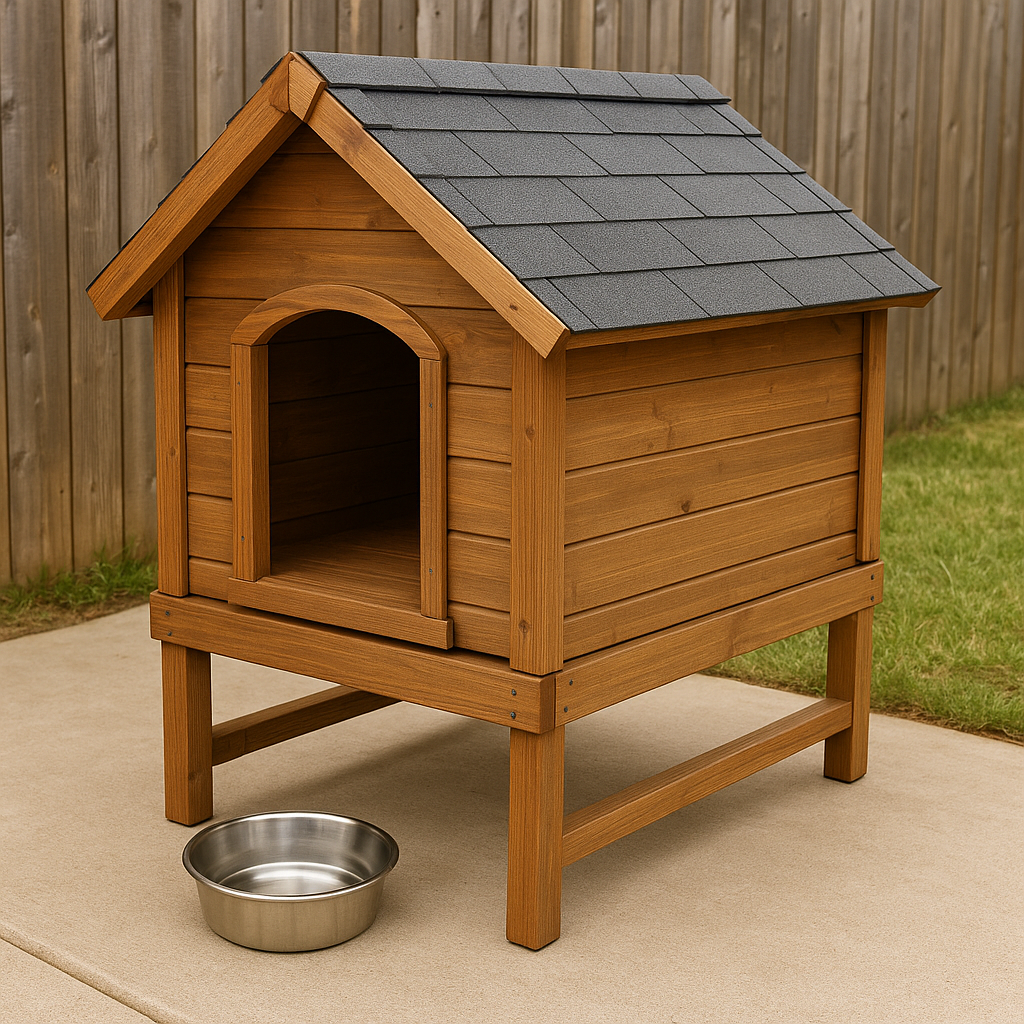
The Gem Project Sanctuary combats harsh Western Cape weather with its Community Kennel Project, providing vital shelter and support to pets in need.
The Gem Project Sanctuary's Community Kennel Project gives strong, weather-proof dog houses to pet owners in South Africa's Western Cape. This helps dogs in poor areas stay safe from bad weather, like heavy rain and hot sun. It's a new way to help animals by supporting families to keep their pets, instead of taking them away. The project also teaches people how to care for their pets and works with the community, especially around special days like Mandela Day. This plan helps both pets and their families live better lives.
What is The Gem Project Sanctuary's Community Kennel Project?
The Gem Project Sanctuary's Community Kennel Project provides weather-resistant kennels to pet owners in South Africa's Western Cape. This initiative addresses the challenges of extreme weather conditions and aims to improve the living conditions of dogs in low-income communities, focusing on pet retention through practical support and community involvement rather than traditional rescue methods.
Get Cape Town news in your inbox
Stay updated with the latest stories from the Mother City.
A New Approach to Animal Protection in South Africa's Western Cape
Across South Africa's Western Cape province, countless dogs face the region's harsh and unpredictable weather without any proper shelter. From torrential winter rains that lash the Cape Peninsula to scorching summer heat that turns the landscape into an oven, animals left outside suffer needlessly. The Gem Project Sanctuary, a well-established Cape Town-based animal welfare group, has unveiled an innovative programme that tackles this ongoing issue through direct community involvement rather than conventional rescue-centred methods.
The Community Kennel Project marks a substantial departure from how animal welfare groups typically handle the complicated realities of pet ownership in low-income communities. Many families genuinely love their animals but simply cannot afford proper housing for them. This programme destroys the artificial choice that often pushes people toward either surrendering their pets or watching them continue to suffer. It recognises the financial pressures weighing on numerous South African households while enhancing living conditions for dogs that would otherwise brave extreme weather unprotected.
Understanding the Geographic and Climatic Challenges
The Western Cape throws particularly tough conditions at animals kept outdoors. The area has a Mediterranean climate with sizzling, arid summers and chilly, damp winters, though conditions vary considerably from place to place. Coastal zones around Cape Town see heavy rainfall, with more than 500 millimetres falling annually, mostly during winter. Inland regions toward Philadelphia and the surrounding Cape Winelands face sharper temperature swings, with summer mercury climbing past 35 degrees Celsius and winter nights sometimes dipping toward freezing.
These weather patterns pose real health dangers to unprotected animals. Extended exposure to cold and wet conditions can trigger hypothermia, breathing infections, and skin ailments. Blistering summer heat brings dehydration, heat stroke, and agonising burns on paw pads from overheated surfaces. The mental strain of relentless weather exposure also harms animals, sparking anxiety-driven behaviours and weakened immune systems. Vets throughout the province regularly treat preventable conditions stemming from poor shelter, which means avoidable animal distress and unwelcome vet bills for cash-strapped families.
The Gem Project Sanctuary runs its operations from extensive grounds in Philadelphia, roughly 30 kilometres north of Cape Town's city centre. The 14-hectare site accommodates the organisation's combined focus on dogs and horses, with separate zones for each species and their specific care needs. This physical setup underpins the sanctuary's rescue work, which helps animals pulled from abuse, neglect, abandonment, and voluntary surrender situations when owners can no longer manage care.
Building Beyond Rescue: Education and Prevention
The organisation has crafted advanced programmes targeting the underlying causes of animal welfare issues. Their youth development work acknowledges that genuine change needs compassion cultivated across generations. Educational elements guarantee that new pet owners grasp basic care necessities covering food, medical attention, and behavioural needs. The community partnerships anchoring the new kennel project extend these established educational efforts naturally, turning knowledge into concrete resources.
The kennels handed out through this programme include design features tailored specifically to local conditions. Weather-resistant construction employing robust materials guarantees durability against ultraviolet exposure, dampness, and temperature shifts. Appropriate elevation stops flooding during downpours, while ventilation tackles both summer heat and winter humidity. These characteristics set community kennels apart from insufficient substitutes - thrown-away boxes, plastic containers, or cobbled-together structures - that break down rapidly and offer no real protection.
The design process almost certainly included discussions with local builders acquainted with regional construction hurdles, plus veterinary guidance on animal health needs. Functional kennels must trade off weather protection with sufficient airflow, since poorly ventilated spaces can turn lethally hot in summer and encourage breathing problems throughout the year. The size guidelines presumably fit various dog breeds common in Western Cape communities, from medium-sized mixed breeds to larger dogs historically employed for property guarding in areas with scarce formal security.
Cultural Connections: Mandela Day and Community Service
The programme's public rollout timing links meaningfully with wider South African civic traditions. Mandela Day, marked each July 18th, honours Nelson Mandela's birth through group efforts at community betterment. The custom of devoting 67 minutes to charitable work - standing for each year of Mandela's public service - has taken deep root in South African society, generating yearly chances for organisations to rally volunteers and resources.
The Gem Project Sanctuary's alignment with this tradition shows keen awareness of local giving patterns. By presenting kennel sponsorship, material gifts, volunteer help, and awareness-raising as straightforward Mandela Day activities, the organisation lowers participation barriers while tying animal welfare to broadly shared ubuntu values - the African philosophy stressing interconnectedness and mutual duty. This cultural placement probably widens the initiative's possible supporter pool beyond committed animal welfare activists to include general public-spirited individuals hunting for meaningful service chances.
The Community Kennel Project illustrates a "pet retention" method increasingly embraced by forward-thinking animal welfare groups worldwide. Older approaches concentrated on pulling animals from less-than-ideal conditions through surrender and later rehoming, but this tactic fell short for various reasons. Shelter systems grew swamped with animals, especially in communities where unsterilised populations bred constantly. The cultural and emotional toll of separating families from cherished pets often went underestimated. Most basically, removal did nothing to fix the systemic conditions creating welfare problems, guaranteeing endless demand for rescue services.
Learning From Global Success Stories
Comparative study shows comparable programmes achieving major impact elsewhere. In the United States, initiatives supplying free or subsidised vet care, food, and housing help have successfully cut shelter admission rates in participating communities. Australian groups have built refined outreach models supporting remote Indigenous communities where geographic remoteness complicates access to standard vet services. The Gem Project Sanctuary's method therefore links to international best practices while adjusting to specifically South African circumstances including informal settlement layouts, economic inequality patterns, and particular weather challenges.
Putting community kennel distribution into practice demands handling several operational obstacles. Making or sourcing appropriately designed shelters requires dependable supply chains and quality assurance procedures. Distribution logistics must reach spread-out communities across the Western Cape's varied landscape, from packed urban townships to scattered rural hamlets. Perhaps most importantly, recipient families need instruction on kennel positioning, upkeep, and fitting with wider animal care routines - ensuring that donated resources deliver intended benefits rather than breaking down through incorrect use.
The sanctuary's request for varied contribution types - direct sponsorship, material gifts, volunteer work, and awareness backing - reflects refined resource mobilisation strategy. Different possible supporters hold diverse capacities: money, professional expertise, free time, or social connections. Flexible involvement opportunities maximise participation while building wider bases for continuing animal welfare campaigning. Volunteer participation in building activities additionally forges significant bonds between supporters and beneficiaries, potentially turning one-time donors into lasting advocates.
Policy Implications and Lasting Change
Programmes like the Community Kennel Project carry consequences stretching beyond immediate practical advantages. By proving that effective animal welfare intervention does not need to centre on removal and rehoming, the project contests regulatory systems and funding arrangements historically favouring shelter-centred approaches. Government and charitable backing for animal welfare might increasingly channel toward community-based programmes offering better value for money and cultural suitability.
Moreover, the project tackles crossover concerns connecting animal welfare to human wellbeing. Families battling to provide pet shelter often grapple with wider housing instability, and recognising these linked challenges promotes rounded policy responses. Children in households receiving kennel support may feel less worry about beloved animals' welfare, while adults gain self-respect through enabled responsible ownership. These side benefits, though hard to measure, contribute to thorough community development goals increasingly acknowledged across development fields.
The Gem Project Sanctuary's Community Kennel Project therefore stands not merely as charitable handouts of animal housing, but as a carefully constructed intervention addressing multiple layers of social, economic, and environmental context. By merging practical material backing with educational involvement and culturally appropriate mobilisation tactics, the initiative offers a model potentially reproducible across South Africa's varied communities and adaptable to diverse local conditions. For Western Cape dogs and their households, the straightforward provision of weatherproof shelter may indeed prove life-changing, converting daily hardship into sustainable wellbeing through community partnership strength.
What is The Gem Project Sanctuary's Community Kennel Project?
The Gem Project Sanctuary's Community Kennel Project provides strong, weather-proof dog houses to pet owners in South Africa's Western Cape. This initiative helps dogs in low-income areas stay safe from harsh weather conditions like heavy rain and scorching sun, improving their living conditions. It's a new approach to animal welfare that focuses on supporting families to keep their pets rather than taking them away.
Why is this project important in the Western Cape?
Dogs in the Western Cape face extreme weather conditions, including torrential winter rains and scorching summer heat. Without proper shelter, animals suffer from conditions like hypothermia, respiratory infections, dehydration, and heatstroke. The Community Kennel Project directly addresses these issues by providing durable, weather-resistant kennels, protecting dogs from preventable health problems and improving their overall well-being.
How does The Gem Project Sanctuary's approach differ from traditional animal welfare methods?
Traditionally, animal welfare groups often focused on rescuing animals and rehoming them. The Gem Project Sanctuary's Community Kennel Project, however, adopts a "pet retention" model. It supports families in keeping their pets by addressing the root cause of suffering – lack of adequate shelter – and providing practical solutions. This approach avoids the emotional and logistical challenges of separating pets from their families and aims to build sustainable solutions within communities.
Where is The Gem Project Sanctuary located and what other work do they do?
The Gem Project Sanctuary operates from extensive grounds in Philadelphia, approximately 30 kilometers north of Cape Town's city center. The 14-hectare site is dedicated to the rescue and care of both dogs and horses. Besides the Community Kennel Project, they run advanced programs focusing on youth development, pet owner education, and respond to cases of animal abuse, neglect, abandonment, and voluntary surrender.
How does the project engage with the community and local culture?
The project actively engages with the community by providing pet care education and collaborating on special occasions like Mandela Day. Mandela Day, observed on July 18th, encourages 67 minutes of charitable work, aligning perfectly with the project's goals of community betterment. By linking kennel sponsorship, material gifts, and volunteer opportunities to Mandela Day, the project integrates animal welfare with widely shared South African values of interconnectedness and mutual duty (ubuntu), broadening its appeal and support base.
How can individuals contribute to the Community Kennel Project?
The Gem Project Sanctuary welcomes various forms of support for the Community Kennel Project. Individuals can contribute through direct sponsorship of kennels, donating material gifts (such as building materials or pet supplies), volunteering their time for activities like kennel construction or distribution, and helping to raise awareness about the project. These flexible involvement opportunities cater to diverse capacities and help build a strong, ongoing support network for animal welfare in the Western Cape.

Lerato Mokena is a Cape Town-based journalist who covers the city’s vibrant arts and culture scene with a focus on emerging voices from Khayelitsha to the Bo-Kaap. Born and raised at the foot of Table Mountain, she brings an insider’s eye to how creativity shapes—and is shaped by—South Africa’s complex social landscape. When she’s not chasing stories, Lerato can be found surfing Muizenberg’s gentle waves or debating politics over rooibos in her grandmother’s Gugulethu kitchen.
View all articles →