
Cape Town surfer saves Indian man from rip currents at Herolds Bay
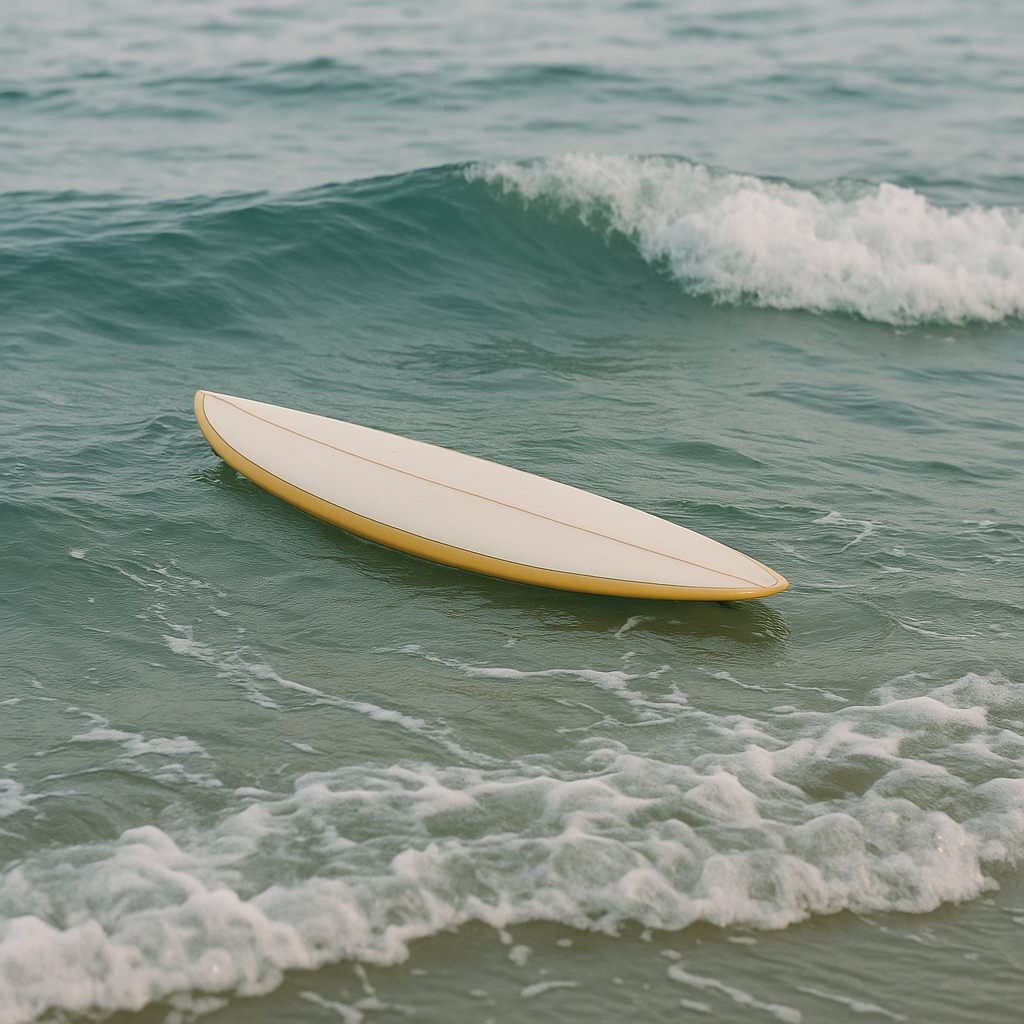
Hero surfer saves student from deadly rip current in Herolds Bay. A quick response from NSRI and community teamwork ensured survival.
One calm morning, a young pilot student found himself caught in a dangerous ocean rip current. Luckily, a quick-thinking surfer saw him in trouble and rushed to help, pulling him onto his board. Soon, other people on the beach joined in, forming a human chain to get him safely to shore. Medics arrived to find him saved, and thanks to this amazing teamwork, the student is now recovering well. This event showed how a community can come together to save a life.
What is a rip current and how does it endanger swimmers?
A rip current is a strong channel of water flowing seaward from the shore, often formed when spring tides and long-period swells collide. These powerful currents can pull swimmers away from the coast at speeds exceeding 2 m/s, leading to exhaustion, panic, and potentially drowning. They are a significant hazard on many beaches.
Get Cape Town news in your inbox
Stay updated with the latest stories from the Mother City.
1. The Call That Shattered the Calm
At 10:40 on Wednesday, 25 March, the only sounds at Herolds Bay were gulls and distant waves - until a holiday-maker’s handheld marine radio crackled to life on the dune path.
“Launch immediate – possible drowning, Herolds Bay, rip current reported off the central car-park.”
The clipped NSRI Wilderness alert flung Commander Jonathan Britton into motion; ninety seconds later the station’s 4.7 m rescue runner was shackled to its trailer, blue beacons slicing through fynbos as he clipped a personal-locator beacon to his life-jacket.
Behind him, ER24’s George control room simultaneously dispatched the nearest ambulance and a rapid-response paramedic SUV, tyres already flinging gravel as they hit the R404 - unaware that, half a kilometre away, the rescue was already unfolding in chest-high surf.
2. A Dip That Became a Fight for Life
The swimmer, a 24-year-old Indian commercial-pilot cadet on a six-month Cessna course out of Oudtshoorn, had slipped into the water for what was supposed to be a five-minute cool-down between study blocks.
He and five classmates had camped overnight in the beachside campground, oblivious to Herolds Bay’s notorious shifting river mouth that spawns transient but vicious rip cells whenever a spring tide collides with a long-period swell.
Wednesday delivered the perfect storm: a 2.1 m spring tide pushing at 10:40 and a clean 1.8 m south-east swell wrapping across the reef - surfer heaven, swimmer hazard.
3. First Responder on a Fibreglass Board
Cape Town surfer Wayne B., 38, was crawling his rental SUV between parking bollards when he saw a head surface once, then disappear.
He slammed the brakes, ripped a 6'2" thruster from the roof rack, kicked off his sandals mid-stride and sprinted straight through the shore-break, leash already velcroed.
Thirty metres out he found the student face-down, arms star-fished, foam bubbling from his lips; a set wave exploded over them, but Wayne duck-dived, resurfaced and hauled the limp body chest-over-nose across the board, cradling the airway against the rail while paddling at 45 degrees to the rip, calves cramping in the Atlantic chill.
4. The Human Chain That Closed the Gap
On the sand, three friends from the Harlem settlement - originally there to dig white mussels - dropped their plastic buckets, linked arms and waded waist-deep to meet the surfer.
Sneakers ballooned with water, jeans heavy as lead, they formed a living pier and floated the board the last three metres, keeping the student’s head above every surge.
Once ashore, an advanced-first-aider who works as a simulator instructor at - coincidentally - the same Oudtshoorn flight school knelt, recognised the blue lanyard on the victim’s wrist, cleared his airway and began rescue breaths while another cadet monitored carotid pulse; someone’s towel became a cervical collar, a child’s bucket an impromptu sun-shield.
Blue Lights, Rooibos and a Community That Refused to Lose
1. Medics Arrive to a Scene Already Won
NSRI’s runner grounded at 10:56; Commander Britton’s first image was a semicircle of towels flapping like signal flags, Wayne bare-chested and trembling with adrenaline.
Medics slid in an oropharyngeal airway, cranked high-flow oxygen and cocooned the patient in a vacuum mattress; core temp read 33.4 °C, capillary refill four seconds.
They drilled a 16-gauge IV of warmed saline and pushed 250 mcg intranasal naloxone in case aspiration had triggered a vagal slump; by 11:12 ER24’s ambulance - tyres half-flat for beach traction - rolled up, and within six minutes the stretcher was en route to George Mediclinic, EtCO₂ tracing a reassuring 38 mmHg.
2. Science Behind the “Vacuum Cleaner”
Later, the student told doctors he had stepped into ankle-deep water only to feel “a vacuum cleaner the size of a bus” yank him seaward; trying to swim parallel failed because the rip had already slammed the side doors shut.
UNSW research shows swimmers who battle a rip burn 1.8 times more oxygen than those who simply float; unconsciousness came from hypoxic panic plus cold-shock hyperventilation - the exact sequence that claims roughly 29 lives along South African beaches every year.
That half-hour contained a masterclass in physics: water piled against the coast by swell hunted the quickest escape, and when an offshore trench aligned with a reef gap the resulting jet shot beyond 2 m/s - Olympic-sprinter speed.
3. From Gas Burner to Gas Analysis
Word spread faster than the rip; residents fired up a portable gas burner on the picnic strip and brewed sweet rooibos for shaken onlookers while a Grade-9 learner’s drone captured footage now slated for NSRI’s national “Float to Survive” campaign.
A stranger pressed a still-warm mosbolletjies loaf into the surfer’s wife’s technicolour towel; by noon a municipal tractor had erased tyre ruts from the dune, leaving only cobalt water pulsing indifferently.
4. Hospital Corners and Flight Manuals Soaked in Salt
George Mediclinic reported the patient stable on a nasal cannula that evening; a chest X-ray showed patchy aspiration infiltrates, yet SpO₂ held 96 % on room air.
Next morning he sat upright, sipping yoghurt through a straw while classmates rotated through with chips and flight-training manuals whose corners curled in the coastal humidity; discharge is expected within 48 hours, though aviation law demands a follow-up spirometry before he can strap into a cockpit again.
NSRI spokesperson Craig Lambinon praised “textbook intervention by an experienced surfer and proactive community,” confirming Wayne B. will be nominated for the institute’s civilian bravery commendation - last awarded to a 14-year-old who saved seven classmates from a flooded KZN river.
After the Waves: Policy, Pink Buoys and a Promise on the N2
1. The Missing Tower and the Audit Everyone Forgot
Herolds Bay still lacks a permanent lifeguard tower; seasonal municipal guards clock off at 17:00, leaving dawn and dusk users to self-police.
A 2022 CSIR coastal-risk audit labelled the beach “medium-high hazard” because its bathymetry shape-shifts weekly, yet budget shortfalls shelved a twin-camera AI rip-detection system already running at neighbouring Victoria Bay.
Ward councillor Leilani de Jager says Wednesday’s drama will reboot a proposal for a volunteer “Beach Steward” programme modelled on Australia’s Surf Life Saving clubs - R280 000 for rescue tubes and training is the last hurdle.
2. Pink Torpedoes Heading West
NSRI will install Herolds Bay in its April “Pink Buoy” roll-out: 2 m torpedo floats chained at 150 m intervals, vivid enough to spot from the car park and tough enough to keep four swimmers afloat.
Clifton and Strand buoys have already logged 47 deployments and an estimated 71 lives since 2020; the Easter influx should meet the new sentinels by late April.
3. Lesson Zero in the Desert
Back in Oudtshoorn, 55 km from any ocean, the flight academy has inserted an ocean-safety module into induction week; cadets watch Wednesday’s drone footage before their first sortie in what instructors call “Lesson Zero” - spot hazard, respect environment, react decisively.
Survival training, they insist, is no longer confined to forced landings and spin recovery.
4. A Leash on Dreams
From his hospital bed the Indian cadet asked that the surfer’s board be returned with a new leash - “a small thank-you for the craft that carried me back to land.”
Wayne, already chasing the next swell toward Plettenberg Bay, voice-noted: “Keep the leash; just promise you’ll strap in to your dreams the same way you’ll strap in to a cockpit.”
Roof-rack high on the N2, the board rides east, its deck scarred by fingernail gouges that map the exact moment a stranger’s pulse restarted beneath a cold Atlantic sky - and the moment a quiet dune path proved that heroes can arrive on fibreglass as easily as on blue lights.
What is a rip current and how does it endanger swimmers?
A rip current is a powerful, narrow channel of water moving seaward from the shore. They often form when specific conditions, like spring tides and long-period swells, combine. These currents can pull swimmers away from the coast at speeds exceeding 2 meters per second, leading to exhaustion, panic, and potentially drowning. They are a significant hazard on many beaches worldwide, including Herolds Bay.
How was the pilot student rescued from the rip current?
The pilot student was first spotted in distress by surfer Wayne B., who immediately paddled out on his surfboard. Wayne pulled the unconscious student onto his board and began paddling him towards shore. On the beach, a human chain formed by three friends helped to guide the surfboard the last few meters to safety. An advanced first-aider, coincidentally an instructor from the student's flight school, then provided immediate medical attention on the sand.
What initial medical care did the student receive on the beach?
After being brought ashore, an advanced first-aider cleared the student's airway and began rescue breaths. Another cadet monitored his carotid pulse. A towel was used as a makeshift cervical collar, and a child's bucket provided an impromptu sun-shield. Once medics arrived, they administered an oropharyngeal airway, high-flow oxygen, cocooned him in a vacuum mattress, and started an IV of warmed saline. They also pushed intranasal naloxone as a precautionary measure.
What were the specific ocean conditions that led to this dangerous rip current?
The incident occurred during a "perfect storm" of conditions: a 2.1 meter spring tide pushing at 10:40 AM and a clean 1.8 meter south-east swell wrapping across the reef. Herolds Bay is known for its shifting river mouth that spawns transient but vicious rip cells under such conditions. The combination of water piled against the coast by the swell and an offshore trench aligning with a reef gap created a powerful jet stream exceeding 2 meters per second.
What long-term changes are being considered or implemented following this incident?
Herolds Bay currently lacks a permanent lifeguard tower, and seasonal guards clock off early. This incident is prompting a reboot of a proposal for a volunteer "Beach Steward" program, similar to Australia's Surf Life Saving clubs, which would require funding for rescue tubes and training. Additionally, NSRI will be installing "Pink Buoys" – 2-meter torpedo floats chained at intervals – at Herolds Bay as part of their April roll-out. The flight academy has also incorporated an ocean-safety module into its induction week for cadets.
How did the community respond during and after the rescue?
The community displayed remarkable solidarity. Beyond the immediate human chain, residents swiftly set up a portable gas burner to brew sweet rooibos tea for shaken onlookers, and a stranger offered a warm mosbolletjies loaf to the surfer's wife. A Grade-9 learner's drone footage of the event is now slated for NSRI’s national “Float to Survive” campaign, showcasing the community's rapid and compassionate response.

Kagiso Petersen is a Cape Town journalist who reports on the city’s evolving food culture—tracking everything from township braai innovators to Sea Point bistros signed up to the Ocean Wise pledge. Raised in Bo-Kaap and now cycling daily along the Atlantic Seaboard, he brings a palpable love for the city’s layered flavours and even more layered stories to every assignment.
View all articles →