
Cape Town’s anti-hijacking unit recovers 141 vehicles in 5 month
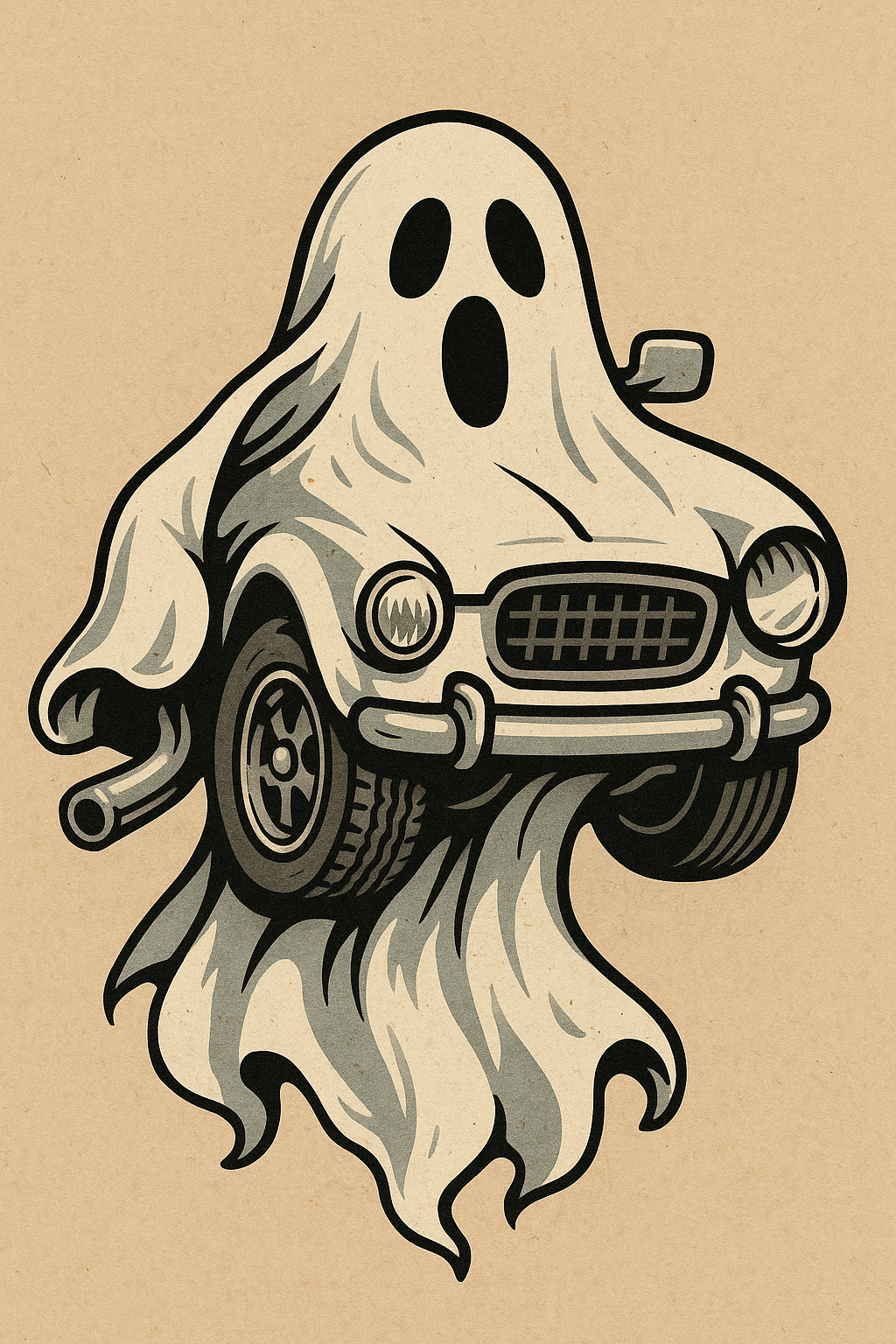
Inside Cape Town's Ghost Squad: A covert anti-hijacking unit's tech-driven fight against urban vehicle crime, achieving remarkable success.
Cape Town's Ghost Force, an elite police squad, fights car hijackings like a tech startup. They use super smart data, like a program called "Breadcrumb," to find stolen cars and bust crime gangs. This team, though small, has recovered many vehicles and arrested lots of bad guys, making the city safer. They're always learning new tricks to stay ahead of the criminals, even looking at electric cars and fake traffic stops.
What is Cape Town's Ghost Force?
Cape Town's Ghost Force, officially the Anti-Hijacking Unit (AHU), is a specialized 42-member squad operating like a tech startup. Since its launch in November 2025, it has recovered 141 vehicles worth R104-million and arrested 37 syndicate members, significantly reducing hijackings by using data-driven strategies and advanced technology.
Get Cape Town news in your inbox
Stay updated with the latest stories from the Mother City.
The 03:17 Knock
Lieutenant-Colonel Lindela “Lindi” Ngxukuma still remembers the metallic taste in the air when Ghost-1 rolled through the Mfuleni scrap-yard gate. A silver Ford Ranger - once the pride of the City’s Parks Department - idled nose-out, hazard lamps twitching like a dying pulse. The decals had been melted away with acetone, a fake “DEA – Environmental Crime” stencil drying on the driver’s door. In the load-bed lay a neat stack of licence plates, each one lifted from a different Ranger stolen during the previous seven weeks. Yard dogs snored in the dust, sedated with boerewors laced with phenobarbital. At 03:17 on a quiet Sunday the only soundtrack was the soft crackle of an encrypted radio: “Target contained, no eyes on.”
Forty-seven seconds later the yard belonged to the City. Six officers - two in SAPS blue, four in charcoal coveralls - breached the gate with a hydraulic spreader borrowed from the aviation rescue unit. Three suspects lay flex-cuffed, CCTV hard-drives sealed in evidence bags, the Ranger’s stubborn tracker photographed before it was finally switched off. By 03:52 the bakkie was on a low-bed headed for the Epping impound - vehicle number one of four that weekend.
What reads like a streaming-service cliff-hanger has become the standard opening scene for the Anti-Hijacking Unit, a 42-member ghost squad that behaves more like a tech start-up than a municipal unit. Since its quiet launch on 14 November 2025 the AHU has clawed back 141 vehicles valued at R104-million, locked up 37 syndicate foot-soldiers and - according to SAPS figures tabled in Parliament - helped slice hijackings in the Makhaza precinct by 66 % in a single quarter. The secret lies in treating every stolen car as a data-point, every syndicate as a supply chain, and every arrest as product-market fit.
Heat-Maps, Hacks and High-Voltage Batteries
Algorithm Versus Syndicate
Every dawn, while commuters still hit the snooze button, a Python crawler nicknamed “Breadcrumb” slurps three lakes of data: the City’s 16 000 vehicle-tracking APIs, SAPS 10111 logs and a volunteer mesh of licence-plate recognition cameras. The script redraws a living map every four minutes. Red splotches mark “hot exits” where a tracker dies within eleven minutes. Amber zones are cooling yards where cars sit while papers are forged. Green specks are LPR hits that corroborate a tracker’s last gasp.
3 February threw up a freak pattern: four City-owned Toyotas - three Hiluxes and a Land Cruiser - went dark inside a 700-metre circle in Site C, Khayelitsha, within 36 hours. Breadcrumb noticed the same kill sequence on a private Amarok: jam 434 MHz, spoof a GSM tower, clone the driver’s IMEI, send a “park-mode” command. Ghost-3 staked out the only scrap-yard shared by the red polygon and filmed a Mercedes Actros slide in a container labelled “Used Household Goods.” Inside sat the quintet, already dollied for Maputo. The Hawks opened a priority-crime docket after a bill of lading for 42 vehicles surfaced, destination Middle East.
Darkware and Diplomatic Passports
City fleets are irresistible targets: authority branding fetches a premium in conflict zones and service histories make cloning easy. The real prize is the open-source CAN-bus modem. Once hijackers push a “darkware” patch, the tracker keeps pinging - only the data loop shows the vehicle safe at the depot while it’s already inside a container at sea.
Digital forensics cracked the scheme in January. Every recovered municipal Toyota carried a second Arduino board taped beneath the infotainment stack, whispering on the rarely scanned 868 MHz band. Cross-referencing chip IDs with Chinese purchase orders led to 1 200 units delivered to a Parow front company. The consignment coincided with a hijack surge among vehicles using one particular tracker brand. The supplier - now under Hawk’s surveillance - feeds a Durbanville SIM-swap cartel.
When exports got harder, syndicates pivoted to cash-in-transit heists. Four April robberies were prefaced by identical white Rangers hijacked along a 5-km strip of the R300. Ghost-2 traced the only component that survives diesel fires: Bosch ECUs engraved with injector-calibration QR codes. A subpoena to scrap-yards yielded 18 units sold to a Bellville exporter who collected burnt chassis from police pounds using forged SAPS disposal forms. One corrupt warrant officer has since been suspended; an intact Ranger - repainted in bogus blue with removable “police” decals - was found ready for the next job.
EVs and the Blockchain Gambit
Syndicates are now eyeing the City’s 200 Hyundai Ioniq 5 EVs. Batteries, not chassis, are the loot: each pack resells for R85 000 as home-backup rigs on TikTok. Ghost officers are training in dielectric boots and have qualified as high-voltage rescuers. A pilot with the manufacturer will implant blockchain VIN chips inside every cell; without the cryptographic key re-registration is impossible. Twenty cars are already tagged, and a winter bait-car operation is pencilled in.
WhatsApp Eyes, Scrap-Metal Warrants and Zero-Bullet Nights
Crowdsourcing the Getaway
Old-school policing buys informants; the AHU crowdsources camera angles. In February it launched “iSpoti,” a WhatsApp bot that turns every spaza-shop DVR into a sentinel. Users upload ten-second clips; AWS Rekognition checks plates against the hot-sheet. Hits pop up instantly on Ghost-1’s tactical tablet. Within three weeks 312 leads produced 41 physical recoveries. A grade-9 learner on his way to extra maths filmed a H100 driver swapping plates outside a shebeen; the bakkie was part of a furniture-removal impersonation scam that netted R1.8-million in unpaid appliances.
The Legal Hack
The Constitution says Metro Police can arrest for schedule-one offences only if the crime happens under their noses - rare in hijackings. The loophole closed when the provincial head of prosecutions designated AHU members as “peace officers” under the National Land Transport Act. Disabling a tracker or forging a disk is now a transport offence, giving instant arrest powers. The first test case survived a Blue Downs court challenge; 17 more are queued. Critics cry mission creep; the unit calls it regulatory jujitsu.
Customs loopholes were next. Seized vehicles can be re-exported legally during Treasury’s 90-day loss-control probe. The AHU obtained an Anton Piller order, raided a clearing agent’s office and grabbed a server with 2 800 “reversible” bills of lading - evidence of a R400-million fraud. Bank accounts are frozen; the cars sit in a military warehouse in Wingfield.
Thirty-Six Nights Without Gunfire
From 8 March to 13 April Area East recorded zero reported hijackings for 36 straight nights. The streak rode on “silent barriers”: magnetic LPR readers bolted to garbage trucks that crawl every suburb twice a week. Data is batch-processed at 04:00; warrants print before sunrise. The run ended on 14 April when a Strand bakery owner lost his Audi RS3. The car was back in 52 minutes - abandoned once the thieves discovered a prototype battery-less tracker that powers itself from wheel motion. The case is now SAPS academy material on how even failed hijacks carry higher risk and thinner margins.
People, Profit and the Next Unfinished Map
Names Behind the Numbers
Siphokazi Mabija, a single mom in the Metro Police call-centre, volunteered for night-shift data duty after her own Quantum was hijacked with her toddler inside. The case file she opened became the seed data for Breadcrumb. Ex-trawler deckhand Emile October can ID a cloned Fortuner by its irregular idle; his ears once saved a kidnapped teen from a locked boot. Captain Faiza Patel invented a 30-minute swab test that matches gear-lever grease to scrap-yard engine hoists, yielding DNA-grade evidence. Cadet Asemahle Ngqola, 19, speaks Sesotho, isiXhosa and Portuguese - handy when smugglers pretend to be Mozambican labourers.
Economics of Friction
Conservative maths says the 141 recovered vehicles would have earned syndicates R21-million after cloning, shipping and bribes. The AHU’s five-month budget is R9.4-million from the City’s insurance reserve - every rand returns 2.2 in preserved assets, never mind trauma, premiums and lost productivity. Add 47 confiscated firearms, 200 rounds and 12 jammers and the multiplier climbs.
Blind Spots on the Horizon
The unit still can’t see the air-freight pipeline where SUVs are shredded into “used aircraft parts” and flown out on 747s. Saldanha’s lightly policed port is the new side-door. Inside Cape Town, syndicates beta-test ride-share apps: book a car for an hour, clone the key in a Faraday pouch, return it, then hijack days later when the trail is cold. Deep-fake traffic stops - complete with forged blue-light overlays - are the next psychological weapon.
For now, 141 cars sit under floodlights on a cracked Bellville drive-in lot, their hazard lamps finally silent. In the control room Breadcrumb refreshes the map: red polygons shrink, amber cools, green spreads like a city learning to exhale after sunset.
[{"question": "
What is Cape Town's Ghost Force?
", "answer": "Cape Town's Ghost Force, officially known as the Anti-Hijacking Unit (AHU), is an elite 42-member police squad that operates with a tech-startup mentality. Launched in November 2025, their primary mission is to combat car hijackings using advanced data analysis and innovative technology, significantly improving urban safety and vehicle recovery rates."},{"question": "
How does the Ghost Force use technology to fight crime?
", "answer": "The Ghost Force employs sophisticated technology, including a Python-based program called 'Breadcrumb,' which processes vast amounts of data from vehicle trackers, police logs, and license plate recognition cameras. This data creates real-time 'heat-maps' to identify active hijacking zones, cooling yards, and potential export routes for stolen vehicles. They also utilize digital forensics to crack complex schemes, such as 'darkware' patches that hide vehicle locations and exploit open-source CAN-bus modems."},{"question": "
What impact has the Ghost Force had on car hijackings?
", "answer": "Since its inception in November 2025, the AHU has recovered 141 vehicles valued at R104-million and apprehended 37 syndicate members. Their data-driven approach has led to a significant reduction in hijackings, with a notable 66% decrease in the Makhaza precinct in a single quarter, demonstrating their effectiveness in disrupting criminal operations."},{"question": "
How does the Ghost Force adapt to new criminal tactics?
", "answer": "The Ghost Force continuously adapts to evolving criminal methods. They are proactively addressing new challenges like electric vehicle (EV) battery theft, implementing blockchain VIN chips for tracking, and preparing for 'deep-fake traffic stops.' They also leverage crowdsourcing through initiatives like 'iSpoti,' a WhatsApp bot that allows the public to submit CCTV footage to aid in recoveries."},{"question": "
What unique legal and operational strategies does the Ghost Force employ?
", "answer": "To overcome legal limitations, AHU members have been designated 'peace officers' under the National Land Transport Act, granting them immediate arrest powers for transport-related offenses like tracker disabling or document forgery. They also use Anton Piller orders to raid clearing agents and uncover large-scale fraud, demonstrating a flexible and aggressive approach to legal and operational challenges."},{"question": "
Who are some of the key members of the Ghost Force and what are their contributions?
", "answer": "The Ghost Force is comprised of dedicated individuals with unique skills. Siphokazi Mabija, a single mom, initiated the data for 'Breadcrumb' after her own car was hijacked. Ex-trawler deckhand Emile October can identify cloned vehicles by sound. Captain Faiza Patel developed a 30-minute swab test to link gear-lever grease to scrap-yard hoists, providing DNA-grade evidence. Cadet Asemahle Ngqola, a multi-lingual officer, assists in cases involving foreign smugglers, highlighting the diverse expertise within the unit."}]
Tumi Makgale is a Cape Town-based journalist whose crisp reportage on the city’s booming green-tech scene is regularly featured in the Mail & Guardian and Daily Maverick. Born and raised in Gugulethu, she still spends Saturdays bargaining for snoek at the harbour with her gogo, a ritual that keeps her rooted in the rhythms of the Cape while she tracks the continent’s next clean-energy breakthroughs.
View all articles →