
Cape Town’s best winter set menus for less
Explore Cape Town's winter dining scene! Discover accessible fine dining, unique specials, and comforting meals.
Cape Town's winter dining scene is a secret wonderland! Chefs get super creative, making amazing, deep-flavored dishes. You can find special deals and fancy meals that usually cost a lot, now for much less. It's a chance to try really good food without the big summer crowds or hefty prices. So, embrace the cooler weather and discover delicious, affordable dining experiences!
What makes Cape Town's winter restaurant scene unique?
Cape Town's winter restaurant scene is unique due to chefs embracing it as a creative period for ambitious menus and deeply flavored dishes, alongside accessible pricing. Reduced tourist pressure and special offers, often including reimagined experiences rather than mere discounts, make exceptional dining available to a broader audience during the cooler months.
Get Cape Town news in your inbox
Stay updated with the latest stories from the Mother City.
When the Atlantic winds turn sharp and the Table Mountain cloud bank rolls in low over the city bowl, Cape Town's culinary landscape undergoes a remarkable transformation. The summer reservation wars, where securing a table at coveted establishments requires military-level planning and sometimes months of advance booking, give way to something more democratic and arguably more interesting. Winter in the Mother City has become a season of culinary accessibility, where exceptional dining experiences that once commanded premium prices suddenly sit within reach of a broader audience, and chefs use the quieter months to experiment, refine, and reward those willing to venture out into the cooler evenings.
This annual shift reflects something deeper about Cape Town's restaurant culture than mere seasonal pricing adjustments. The city's chefs have increasingly embraced winter as a creative period, a time when reduced tourist pressure allows for more ambitious menus, longer preparations, and the kind of slow-cooked, deeply flavored dishes that simply don't make sense in the height of summer. The winter specials that emerge each year are not simply discounted versions of existing offerings but often entirely reimagined experiences, built around the robust ingredients and comforting techniques that define cold-weather cooking.
Understanding the Winter Dining Economy
The economic logic behind Cape Town's winter dining boom is straightforward enough. The city's restaurant industry operates on a dramatically seasonal basis, with December through February seeing visitor numbers and local dining-out frequency peak simultaneously. By June, the equation shifts. International tourists have largely departed, and even locals tend toward home cooking when the rain arrives. Restaurants face a choice: reduce operations dramatically, or create compelling reasons to maintain foot traffic.
The result is a winter dining scene that rewards the informed diner. Those willing to plan ahead, to drive slightly further, to consider lunch rather than dinner, can access experiences that would cost double or triple in peak season. The following guide represents the most compelling of these opportunities for the current winter season, though the underlying principle - exceptional food at accessible prices - remains constant year to year.
Fine Dining Democratization and Hotel Heritage
Peter Tempelhoff's FYN: Winter Lunch Excellence
Peter Tempelhoff's FYN occupies a singular position in South African gastronomy. Consistently ranked among the continent's best restaurants, it has maintained a reputation for rigorous technique and distinctly South African flavor palettes that avoid the European mimicry that characterizes much high-end dining on the continent. The restaurant's location on Parliament Street, with its dramatic city bowl views through floor-to-ceiling windows, contributes to an atmosphere of considered luxury.
The winter five-course lunch menu represents perhaps the most accessible entry point to this level of cooking currently available in Cape Town. At R1,275, the price point remains significant, but contextualized against FYN's standard tasting menu pricing and the inclusion of service, it represents substantial value. The lunch timing is deliberate - daylight hours showcase the restaurant's architectural strengths, and the reduced pace of a midday service allows kitchen and front-of-house teams to devote attention that can be stretched during peak dinner periods.
The menu structure follows FYN's established approach: precise, visually striking plates that draw on indigenous Southern African ingredients through a lens of contemporary technique. Previous winter iterations have featured dishes like springbok loin with smoked bone marrow, fermented mushroom preparations, and the restaurant's signature bread course, which alone justifies the visit for many diners. The Saturday availability extends opportunity to those whose weekday schedules resist the long lunch, though booking early remains essential.
Mount Nelson's Mediterranean Moment: Amura
The Mount Nelson Hotel's dining spaces have undergone numerous iterations over the decades, with varying degrees of success in translating the property's storied heritage into contemporary relevance. Amura, under current stewardship, has established itself as a genuine culinary destination rather than merely a hotel restaurant serving guests who cannot be bothered to venture out.
The four-course winter menu at R750 leverages the restaurant's considerable assets: the physical space, with its distinctive pink walls and established garden setting, provides atmosphere that would be impossible to replicate in a standalone venue. The Mediterranean-influenced cooking, with its emphasis on quality ingredients treated with restraint, suits winter particularly well. The addition of weekend lunch service creates one of the more civilized Sunday dining options in the city, a proper meal that can extend across an afternoon without the pressure of evening service turnover.
Street-Level Innovation and Collaborative Experiments
Bree Street's Collective Offering
The R199 single-dish offering spanning Burger & Lobster, Maru, and the combined Hacienda and Yatai operations represents a different approach to winter value - one built on collaboration rather than individual restaurant promotion. Bree Street's emergence as Cape Town's most dynamic dining precinct over the past decade has created unusual relationships between competing establishments, with shared infrastructure, cross-promotion, and occasional formal collaboration becoming increasingly common.
This particular arrangement allows diners to construct their own progression through the street's offerings, treating the individual dishes as components of a self-directed tasting menu. The lobster roll from Burger & Lobster - normally a premium item - becomes accessible, while Maru's Korean fried chicken slider offers a concentrated version of the restaurant's broader appeal. The birria ramen from Hacienda/Yatai represents the ongoing incorporation of global food trends into Cape Town's culinary vocabulary, the Mexican-Japanese hybrid having migrated from Los Angeles food trucks to established restaurant menus with remarkable speed.
The structure encourages movement and comparison, a form of dining that has become increasingly rare as restaurants optimize for table turnover. Winter's reduced crowds make this perambulatory approach practical in ways that summer congestion would not permit.
De Waterkant's Wine-Focused Value at Bellagio
Bellagio's winter offering illustrates another recurring winter special strategy: the enhancement of perceived value through beverage inclusion rather than food discounting. The complimentary glass of house wine with two- or three-course meals at R385 and R485 respectively transforms the arithmetic for diners who would typically order wine regardless.
The menu's comfort orientation - cheese and leek soufflé, seafood stew, sticky toffee pudding - reflects a broader winter dining pattern toward technical execution of familiar dishes rather than conceptual innovation. These are preparations that reward kitchen experience and patience, the soufflé in particular requiring timing and temperature control that separates professional execution from home attempts.
The De Waterkant location, with its established residential population and proximity to the CBD, makes Bellagio's offering particularly relevant for business dining and weeknight convenience.
Neighborhood Gems and Special Occasion Destinations
Maru's Theatrical Compact
The R349 sharing menu at Maru distills the restaurant's essential appeal - Korean barbecue's interactive, flame-driven theater - into a more accessible format than the full à la carte experience. The sharing structure acknowledges Korean dining's fundamentally communal nature while the set menu format allows the kitchen to optimize preparation and sourcing.
Sea Point's Institutional Comfort
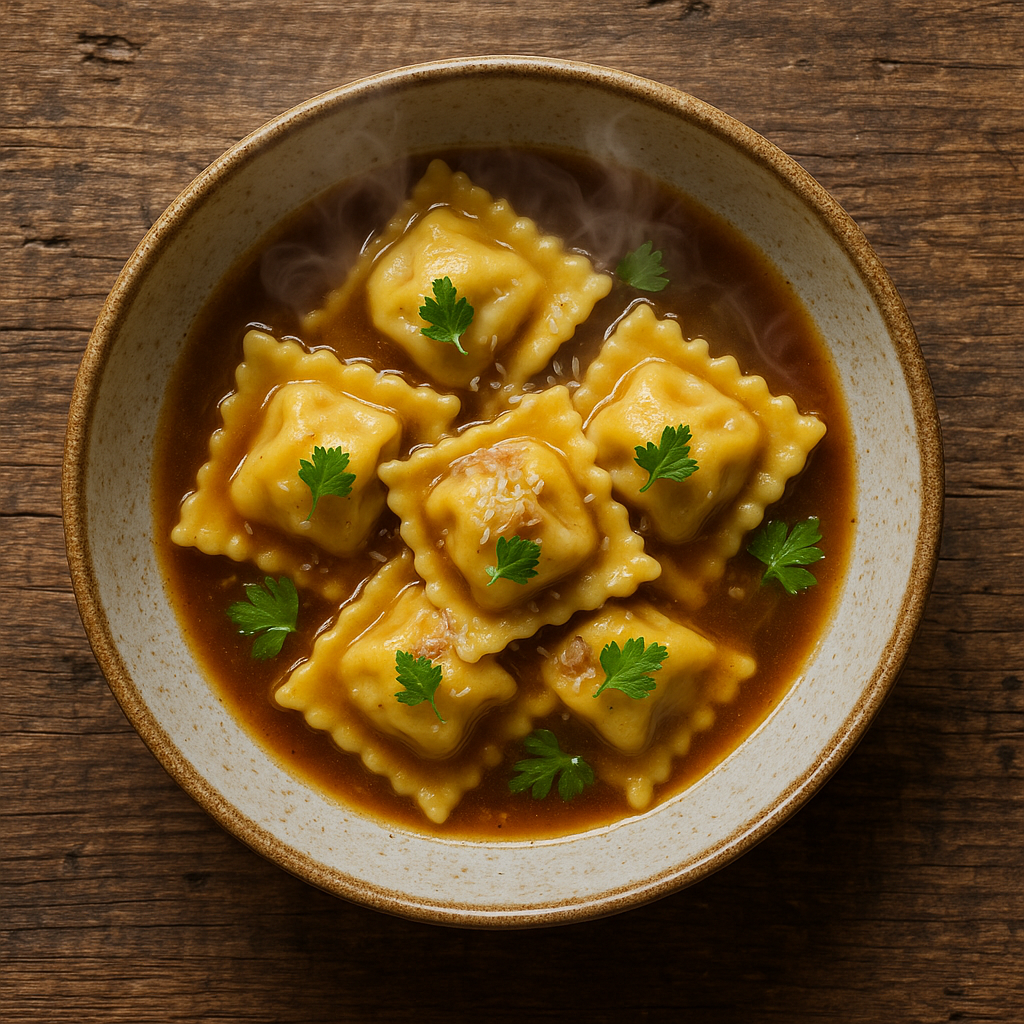
The Sea Point establishment referenced - its identity clear to local readers despite the source text's omission - represents another winter special category: the venerable restaurant using seasonal menus to demonstrate continued relevance. The listed dishes - truffle and parmesan cauliflower soup, oxtail ravioli, lamb shank, malva pudding - read as a greatest-hits compilation of South African winter cooking, executed with the confidence of long kitchen experience.
The Atlantic Seaboard location, with its established view and accessible parking, removes many of the frictions that discourage winter dining. The seven-day availability, including lunch service, extends opportunity across the full week.
Family-Friendly Functionality in Hout Bay
Massimo's Hout Bay operation addresses a different winter dining challenge: the family meal out. The 20 percent discount on core menu items, combined with the specific kids' meal pricing at R80, recognizes that winter dining with children presents logistical and financial considerations distinct from adult-focused experiences.
The advance booking requirement, while potentially frustrating for spontaneous diners, allows the restaurant to manage family service appropriately - ensuring sufficient high-chair inventory, timing kitchen production for shorter attention spans, and staffing adequately for the particular demands of younger guests. The Monday-to-Thursday restriction channels demand into periods when the restaurant would otherwise face underutilization.
Constantia's Vineyard Appeal
Buitenverwachting's beyond restaurant offers the most geographically removed experience on this list, requiring sufficient commitment to justify the drive to Constantia. The R690 four-course menu leverages the estate's indigenous ingredient focus within a comfort-oriented framework, the vineyard setting providing atmosphere that compensates for any perceived distance from urban convenience.
The Tuesday-to-Saturday schedule with Sunday lunch addition allows for both planned excursions and more spontaneous weekend decisions. The indigenous ingredient emphasis - likely featuring buchu, rooibos, and other Cape floral kingdom elements - distinguishes the offering from more generic fine dining approaches.
The Indulgent Outlier: Pot Luck Club's Sunday Brunch
The Pot Luck Club's Sunday brunch at R1,390 represents the upper boundary of winter special pricing, justified by the extended duration, beverage inclusion, and the accumulated reputation of chefs Jason Kosmas and Luke Dale-Roberts. The ten-course sharing format, bottomless bubbly provision, and live music create an event rather than merely a meal, the "clear afternoon and no plans after" recommendation acknowledging the experience's consuming nature.
This offering sits at the intersection of winter special and special occasion dining, the reduced summer pricing making accessible an experience that would otherwise be reserved for significant celebrations.
{'question': "
What makes Cape Town's winter restaurant scene so special?
\nCape Town's winter restaurant scene is a hidden gem! Chefs use this time to get incredibly creative, crafting deep-flavored, ambitious dishes. You'll find special deals and high-end dining experiences that are usually very expensive, now at much more accessible prices. It's an opportunity to enjoy exceptional food without the usual summer crowds or hefty price tags. Reduced tourist pressure means restaurants often offer reimagined experiences, not just simple discounts, making fine dining available to a wider audience.
", 'answer': None}
Isabella Schmidt is a Cape Town journalist who chronicles the city’s evolving food culture, from Bo-Kaap spice merchants to Khayelitsha microbreweries. Raised hiking the trails that link Table Mountain to the Cape Flats, she brings the flavours and voices of her hometown to global readers with equal parts rigour and heart.
View all articles →