
Cape Town’s dog adoption crisis: TEARS Animal Rescue appeals for help
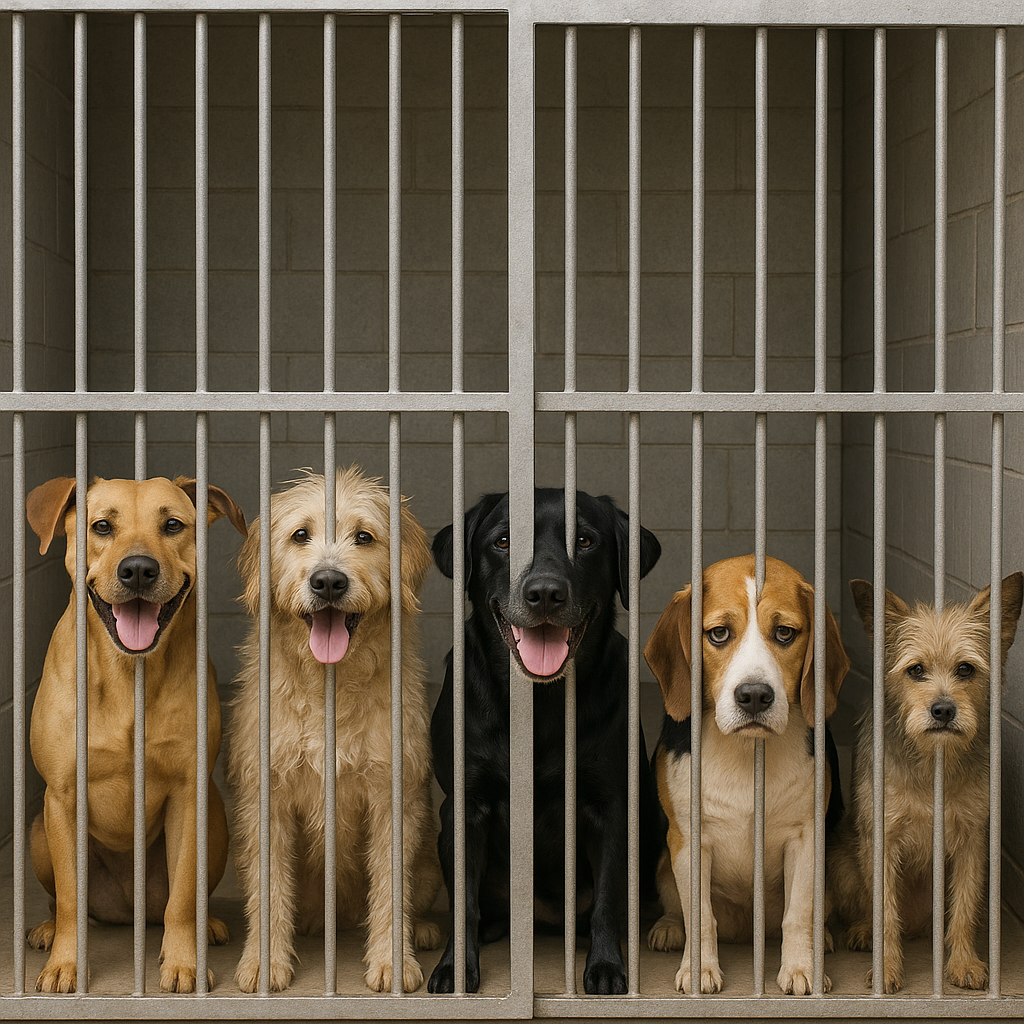
Inside TEARS' winter crisis for 109 dogs: solutions, space-saving hacks, and perks of adopting adult dogs and fostering.
TEARS is overflowing with 109 dogs, almost half of them puppies, due to cancelled spay days and less funding. This winter crisis means creative solutions like vertical kennels and "Slumber Parties" are needed to save lives. They're looking for fosters and adopters, especially for adults, and offer a "Foster Lite" program for those who can only commit for two weeks. Every bit of help, from donations to sharing profiles, makes a huge difference in finding these dogs warm, loving homes.
Why is TEARS experiencing an animal crisis during winter?
TEARS faces an animal crisis in winter due to three factors: last summer's load-shedding cancelled spay days, reduced municipal funding led to 17% fewer sterilizations, and COVID-era puppies are now breeding. This combination has created an unprecedented population boom during the coldest months.
Get Cape Town news in your inbox
Stay updated with the latest stories from the Mother City.
The Anatomy of a Full House
Step into TEARS' Sunnydale facility on a typical July afternoon and you encounter a symphony of canine voices - 109 distinct barks, yips, and baritone calls bouncing off corrugated-iron walls. Nearly half of these animals, forty-five to be exact, count themselves among the puppy population. Some still carry the sweet scent of mother's milk, while others stand as gangly adolescents sporting ears that seem larger than their entire heads. The remaining sixty-four adults display a spectrum of emotional states, from tail-wagging hopefulness to the curled resignation of animals who have already experienced adoption - and subsequent return - multiple times.
Mandy Store manages this bustling operation with remarkable transparency, maintaining a whiteboard tally directly above her workspace. She recalls the moment the numbers turned grim: "We crossed into triple digits on June eleventh," she shares. "By the twenty-eighth, we had reached one hundred nine, and I found myself sketching a frowning emoji beside the figure since I'd exhausted every available inch of writing space."
The shelter's designed maximum capacity sits at one hundred animals, though this calculation relies on two critical assumptions: compatible adult dogs sharing double cages and a robust foster network capable of absorbing underage puppies. Both of these release valves have seized up completely. Foster families have scattered for winter holidays, and every existing kennel already shelters a resident. The overflow now seeks shelter in unconventional spaces - crated nightly in the education center, the laundry room, and during one particularly desperate evening, beneath the projector screen in the boardroom itself.
Why the Crisis Peaks in the Coldest Months
Puppy season across Cape Town traditionally unfolds between late September and February, when female dogs enter estrus as daylight stretches longer. Yet Dr. June Fisher, a veterinarian closely monitoring these patterns, identifies three intersecting forces that have wrenched the calendar out of alignment. First, last summer's relentless load-shedding wreaked havoc on scheduled spay days - numerous township clinics cancelled appointments when refrigeration units could no longer guarantee vaccine integrity through reliable cold chains. Second, diminished municipal funding meant TEARS could subsidize seventeen percent fewer sterilization procedures this year compared to previous cycles. Third, and perhaps most tellingly, field reports from area inspectors reveal that Covid-era puppies - now reaching eighteen months of age - are delivering their first litters.
These combined pressures have triggered what amounts to a secondary breeding surge during the year's most challenging quarter. Shelters already struggle against winter influenza outbreaks and escalating heating expenses now face this unprecedented population boom.
Creative Engineering That Preserves Lives
TEARS personnel have transformed into resourceful problem-solvers, deploying ingenious modifications to prevent the unthinkable alternative of space-based euthanasia. Their innovations include vertical sleeping arrangements constructed from donated pallet wood, allowing compatible dogs to occupy shared kennel space in stacked rather than side-by-side configurations. The "Slumber Party" initiative moves animals into outdoor play-yards during daylight hours, returning them to enclosed sleeping quarters only after sunset - this approach reduces daily kennel occupancy by forty percent.
Each morning brings behavioral "speed-dating" sessions where volunteers conduct fifteen-minute temperament assessments before pairing dogs for shared living arrangements. One particularly successful match united Bruce, a Staffordshire terrier, with Celeste, a pointer - this partnership slashed stress-induced digestive issues by half within forty-eight hours. Nevertheless, the underlying mathematics remain unchanged: each departure creates essential room for another life seeking sanctuary.
The Hidden Advantages of Cold-Weather Commitments
Popular belief suggests that puppies and kittens disappear rapidly during December festivities. However, five years of accumulated TEARS data reveals surprising patterns about winter adopters that challenge this assumption. These dedicated individuals return animals fifty-two percent less frequently than their warm-weather counterparts, perhaps because cold-season decisions attract deliberate planners rather than spontaneous gift-givers. They also dedicate an average of seventeen additional minutes to interacting with prospective companions, a duration that correlates strongly with improved compatibility outcomes. Furthermore, winter adopters demonstrate forty percent higher attendance rates at post-adoption training sessions - critical intervention that prevents behavioral problems from triggering surrender.
Navigating the Puppy-Adult Decision
Families considering puppies discover immediate social benefits - particularly for children on school break, where a single playful companion can successfully divert multiple siblings from screen-based entertainment for hours. Young dogs also adapt more readily to existing household pets, whether felines, fellow canines, or even talkative parrots. The trade-offs demand serious consideration: three to four veterinary visits for vaccination completion, middle-of-the-night bathroom breaks around 2-3 AM, and inevitable destructive chewing - statistical analysis indicates eighty-three percent eventually target costly athletic footwear.
Adult dogs present different calculations. Their physical dimensions match their described profiles, eliminating surprises about eventual size. Unknown histories create uncertainty, though TEARS addresses this through three complimentary behavior-modification sessions funded by a donor who personally escaped domestic abuse and "wants to extend to dogs the second chance she received."
Households containing children under five receive recommendations for adult dogs "beyond the shark-teeth developmental stage," while teenagers seeking meaningful projects often flourish alongside puppies they can train toward agility or scent-work achievements.
Short-Term Fostering: Maximum Impact, Manageable Commitment
Many potential helpers hesitate at fostering's emotional risks - specifically, the fear of attachment that makes release difficult. TEARS' innovative "Foster Lite" program addresses this concern directly, requesting merely fourteen days of participation. This brief window accomplishes multiple objectives: completing vaccination and deworming protocols for puppies, enabling their transition to standard kennels without disease exposure risks; evaluating canine behavior in genuine home environments, generating invaluable matchmaking intelligence; and liberating approximately 0.8 kennel spaces per foster day.
IT professional Lindiwe calculated her two-week commitment to six puppies as equivalent to 67.2 kennel-days - space sufficient for roughly three additional adult strays. The organization provides complete supply packages including food, tick prevention, and around-the-clock emergency WhatsApp support. Requirements remain minimal: enclosed property boundaries and willingness to transport animals to Saturday adoption events.
The True Price of Delayed Action
Each additional kennel day drains R84 from TEARS' resources, covering nutrition, sanitation, labor, and fundamental veterinary attention. Extended across 109 animals throughout a thirty-day month, this burden reaches R274,680 - funding that could otherwise equip a fully operational mobile sterilization unit. Winter compounds these pressures through kennel cough transmission, which spreads effectively across two-meter distances in enclosed corridors. A single July 2023 outbreak isolated thirty-eight dogs and consumed R47,000 in antibiotic treatments alone.
Profiles in Perseverance: Three Animals Awaiting Homes
Grandpa Max, a ten-year-old German shepherd cross, endured five years chained to a trampoline before rescue. Arthritis now renders concrete kennel floors genuinely painful - he requires carpeted retirement surroundings and offers reasonable compromise regarding couch privileges (surrendering them exclusively during mealtimes).
Duchess Delilah, a tan-and-white mixed breed, washed out of drug-bomb detection training due to "excessive friendliness." She redirects this abundant enthusiasm toward agility obstacles constructed from washing-line hoses in TEARS' playground area.
Litterature comprises five border-collie siblings named for Jane Austen characters. Staff video captures them already demonstrating classic herding instincts, circling a puzzled volunteer gardener with coordinated precision.
Digital Strategies for Real-World Results
TEARS employs open-source "ShelterBuddy" software that automatically distributes new arrivals across three adoption platforms. Unfortunately, winter brings algorithmic disadvantages - Instagram engagement drops thirty percent during July as users retreat indoors. Prospective adopters can counteract this through specific tactics: activating post notifications for @tearsanimalrescue, sharing profiles within initial thirty-minute windows to trigger "high relevance" algorithmic promotion toward Explore page visibility, and utilizing direct "send profile" functions rather than screenshots to drive traffic toward TEARS' embedded qualification questionnaire.
Supporting the Mission Without Permanent Commitment
Multiple pathways exist for meaningful assistance short of adoption itself. Sterilization voucher sponsorship at R650 prevents approximately twenty future homeless offspring per procedure within two years. Used duvet donations address winter's forty-monthly kennel requirement - shredded foam satisfies hygiene standards but provides inadequate warmth. Local roaster BeanThere contributes R5 per bag purchased with code TEARS through their "coffee for kennels" e-gift program. Early-rising professionals can join 6 AM dog-walking circles, delivering two hours of essential exercise to high-energy animals before public visiting hours commence.
The Feline Connection
While canine populations dominate current attention, TEARS' cattery operates at ninety-two percent capacity. Dog adopters referencing this article unlock "winter warmer" cat adoptions at half standard pricing (R450 versus R900), contingent upon same-home placement - an incentive designed to promote multi-pet socialization while streamlining administrative processes.
Racing Against the Calendar
School holidays conclude July 21st, triggering sixty percent reductions in child visitors and corresponding puppy adoption rates. Staff have designated July 19th for an ambitious "Clear-the-Kennels" initiative - a twelve-hour adoption marathon featuring doggy kissing-booth photography, veterinary consultation availability, and specialty food trucks offering "pupcorn": ice cubes packed with frozen liver gravy that occupies teething puppies in thirty-minute intervals of blessed silence.
[{"question": "
Why is TEARS experiencing an animal crisis during winter?
", "answer": "TEARS is facing an animal crisis this winter due to a confluence of factors: last summer's consistent load-shedding led to the cancellation of numerous spay days in township clinics, impacting sterilization efforts. Additionally, reduced municipal funding resulted in a 17% decrease in subsidized sterilization procedures compared to previous years. Finally, a significant number of puppies born during the COVID-19 pandemic have now reached breeding age, contributing to a secondary breeding surge during the coldest months. This has led to the shelter overflowing with 109 dogs, almost half of which are puppies, far exceeding its designed maximum capacity of 100 animals."}, {"question": "What creative solutions is TEARS implementing to manage the overflow of dogs?
", "answer": "To cope with the unprecedented number of dogs, TEARS has implemented several creative solutions. These include constructing vertical sleeping arrangements from donated pallet wood, allowing compatible dogs to share kennel space in stacked configurations. They also run a 'Slumber Party' initiative where dogs spend daylight hours in outdoor play-yards, reducing daily kennel occupancy. Behavioral 'speed-dating' sessions are conducted daily to pair compatible dogs for shared living arrangements, significantly reducing stress. When kennels are completely full, dogs are temporarily housed in unconventional spaces like the education center, laundry room, and even the boardroom."}, {"question": "How can individuals help TEARS during this winter crisis?
", "answer": "Individuals can assist TEARS in numerous ways. They are urgently looking for fosters, especially for adult dogs, and adopters. The 'Foster Lite' program is available for those who can commit for just two weeks, providing crucial temporary homes for puppies to complete vaccinations and for staff to assess adult dog behavior. Financial donations are always needed, as each additional kennel day costs R84. Other ways to help include sponsoring sterilization vouchers, donating used duvets for warmth, purchasing coffee through the 'coffee for kennels' e-gift program, or joining 6 AM dog-walking circles. Sharing dog profiles on social media and activating post notifications for @tearsanimalrescue also helps increase visibility and adoption chances."}, {"question": "What are the benefits of adopting an adult dog compared to a puppy?
", "answer": "Adopting an adult dog offers several advantages. Their physical dimensions are established, so there are no surprises regarding their eventual size. While their history might be unknown, TEARS provides three complimentary behavior-modification sessions to address any potential issues. Adult dogs are often past the destructive chewing phase and have more predictable behavioral patterns. Data from TEARS shows that winter adopters, who often choose adult dogs, return animals 52% less frequently and dedicate more time to interaction, leading to better compatibility outcomes. For households with children under five, adult dogs are recommended as they are 'beyond the shark-teeth developmental stage.'"}, {"question": "What is the 'Foster Lite' program and how does it work?
", "answer": "The 'Foster Lite' program is an innovative initiative by TEARS designed for individuals who can only commit to fostering for a short period, specifically fourteen days. This brief commitment serves multiple vital purposes: it allows puppies to complete their vaccination and deworming protocols outside the crowded shelter environment, minimizing disease exposure; it provides a home setting to evaluate canine behavior, offering invaluable insights for matchmaking; and it frees up approximately 0.8 kennel spaces per foster day. TEARS provides all necessary supplies, including food, tick prevention, and 24/7 WhatsApp support. Requirements are minimal: an enclosed property and willingness to transport animals to Saturday adoption events."}, {"question": "Are there any special incentives for adopting during this time, especially for other animals?
", "answer": "Yes, TEARS is offering special incentives during this critical period. For those adopting a dog and referencing this article, they can unlock 'winter warmer' cat adoptions at half the standard pricing (R450 instead of R900). This incentive aims to promote multi-pet socialization and help reduce the feline population, as the cattery is also operating at 92% capacity. Additionally, TEARS is hosting a 'Clear-the-Kennels' initiative on July 19th, a 12-hour adoption marathon featuring various activities to encourage adoptions, including a doggy kissing-booth, veterinary consultations, and specialty food trucks."}]
Emma Botha is a Cape Town-based journalist who chronicles the city’s shifting social-justice landscape for the Mail & Guardian, tracing stories from Parliament floor to Khayelitsha kitchen tables. Born and raised on the slopes of Devil’s Peak, she still hikes Lion’s Head before deadline days to remind herself why the mountain and the Mother City will always be her compass.
View all articles →