
Cool off in Piketberg: The perfect escape near Cape Town
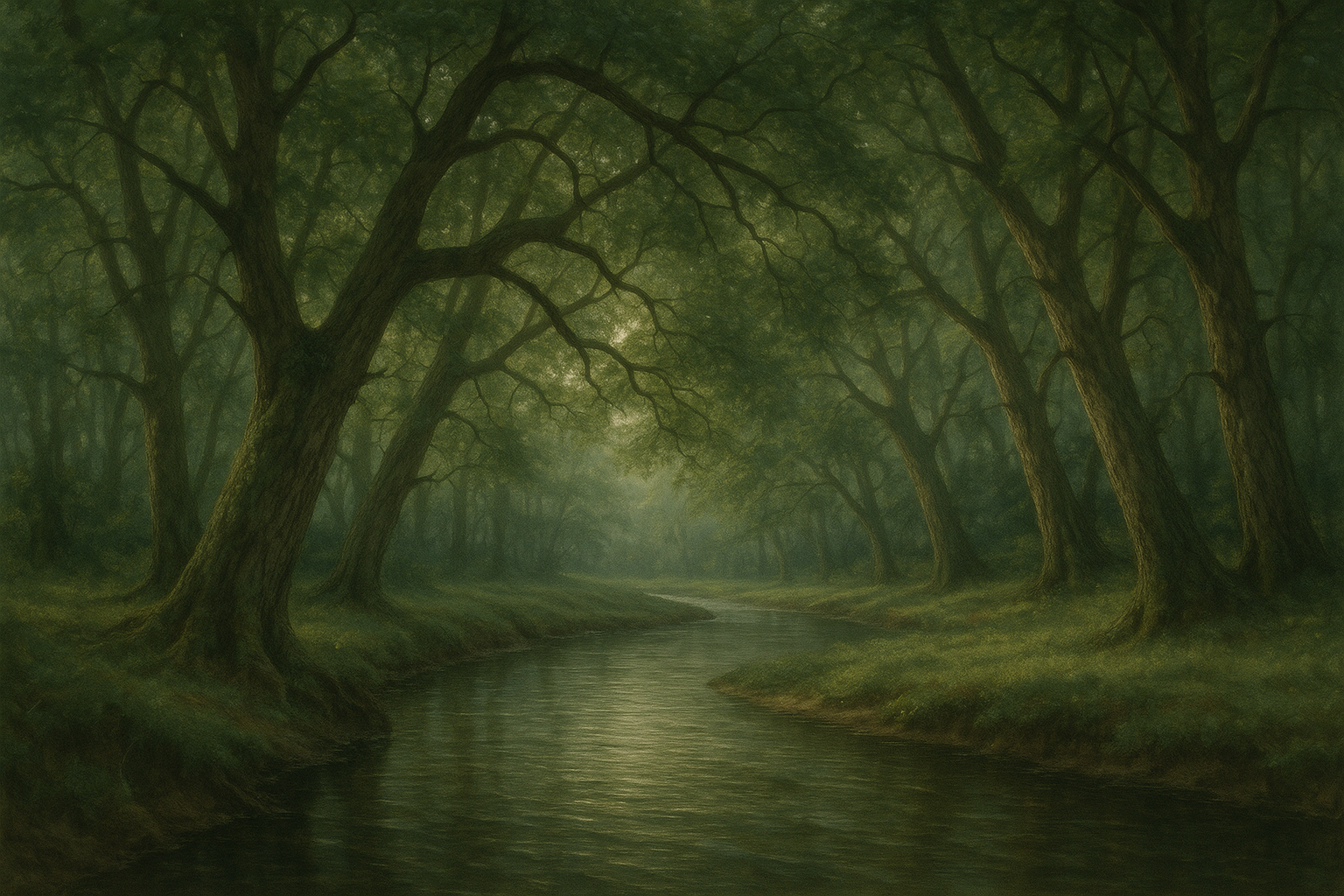
Escape Cape Town's summer heat! Discover Piketberg, just 90 mins away, offering cool mountain air, river adventures, and unique farm experiences.
Piketberg offers a refreshing summer escape, just a 90-minute drive from Cape Town, by trading ocean heat for mountain cool. Its higher altitude provides naturally cooler temperatures, letting you enjoy tranquil river swims and outdoor activities without the usual summer crowds. You can explore serene natural pools, cycle mountain trails, and savor local farm-fresh delights. As night falls, the clear, dark skies transform into a stargazer's paradise, revealing celestial wonders far from city lights. This hidden gem rewrites your summer, proving that true coolness is just a detour away.
What makes Piketberg a unique summer destination compared to Cape Town?
Piketberg offers a refreshing escape from Cape Town's summer heat by providing a geographical coolness due to its altitude and geology. Unlike the crowded coast, it boasts cooler temperatures, serene natural pools in the Berg River, and a tranquil mountain plateau, allowing visitors to enjoy outdoor activities and stargazing without the typical summer congestion.
Get Cape Town news in your inbox
Stay updated with the latest stories from the Mother City.
1. Leaving the Ocean Behind – The First Breath of Cool
Cape Town’s summer soundtrack is hard to escape: gulls, gaskets and the constant hiss of rubber on hot tar. Point the bonnet north-east on the N7, however, and the script flips in exactly ninety minutes. The highway squeezes between slabs of shale and granite, climbs through a wind-carved gap, and suddenly the Atlantic is nothing more than a silver blink in the mirror. Ahead, Piketberg Mountain shoves a wedge of 600-million-year-old sandstone into the sky. Valley temperatures slide two degrees for every hundred-and-fifty metres you rise; salt on the breeze is replaced by the peppery scent of fynbos, and the horizon turns into a chessboard of wheat gold, canola yellow and vine lime that repaints itself every six weeks.
You have not reached another province; you have simply stepped off the standard summer conveyor belt. No bumper-to-bumper crawl for parking, no jet-ski drone bouncing across the bay. Instead, the air thins just enough to make breathing feel premium, and the only queue is a file of egrets waiting their turn on a fence wire.
This is the first surprise: coolness is geographical, not seasonal. You can stay on the coast and fight for shade, or you can gain altitude and let geology do the sweating for you.
2. Kleine Paradys – A River That Works Like a Natural Pool
Slow Water, Cold Springs
Just below town the Berg River bends into a lazy oxbow locals nickname die lang draai – “the long turn” – because an inflatable tractor tube needs a full twenty minutes to drift three hundred metres. Ancient white stinkwoods throw a permanent umbrella over the water, while icy springs seep out of the mountain, keeping the mercury stuck on twenty degrees even when January throws a tantrum.
Paddle, Drift, Fly
Arrive before the sun climbs over the ridge and the surface behaves like black glass. Borrow one of the feather-light fibreglass canoes stacked by the bank, paddle upstream for a quarter-hour, then kill the blades and let the current return you like a silent conveyor. Kingfishers treat the bow as a mobile fishing perch; Berg River yellowfish – bronze, whiskered and sometimes three kilograms heavy – nudge the hull if you stay still. Kids ignore the canoe lecture and head straight for the wild-fig rope swing: two metres of free-fall that feel like flight until the splash.
Vintage Caravans, Zero Wi-Fi
Behind the reeds stand six 1970s caravans gut-renovated with solar lights and cotton linen, yet the outside paint is purposely left to blister. The aesthetic is accidental time-capsule, not curated retro. You half expect the farm manager to wander over in bell-bottoms and ask if you’ve seen his matches since 1983.
3. The Plateau – Where the Mountain Keeps Its Own Thermostat
Italian Hairpins & Weather Gates
Italian prisoners of war paved the fourteen-switchback road in 1943; it gains 650 metres in nine kilometres and crosses an invisible weather gate. On the summit the south-easter that torments Cape Town arrives as a soft, herb-scented exhale tasting of buchu and rain. Daytime highs average five to seven degrees cooler than the valley; nights can drop below fifteen, even at the height of summer.
Kruistementvlei – A Dam with Adjustable Temperature
Kruistementvlei Farm squats on the plateau like a stone fort. The 1898 farmhouse uses two-foot-thick walls quarried on site: they swallow midday warmth and release it after dark, acting as a passive heater. Below the stoep a spring-fed dam measures forty by twenty-five metres. The shallow, north-facing wall warms to twenty-two degrees, yet a constant inflow of sixteen-degree mountain water slides along the bottom, letting swimmers pick their layer like turning a tap. Duck-dive and you’ll see emerald naïa grass waving like a golf green and tiny Western Cape kurper fry hiding between the blades.
Bikes, Leopards & Night Soup
Unlock a mountain or e-bike with an honesty tag (fifty rand covers the entire plateau network). Head east and you drop into a gorge where camera traps have recorded Cape leopard prints within the past year; head west and you ride wagon roads once used to haul produce to Saldanha Bay. Every January the farm hosts a dusk-to-dam trail run: seventeen kilometres that finish in the flood-lit water with headtorches and mugs of tomato soup.
4. Taste, Trade & Stars – The Farm-Stall Universe and the Night Sky
Wood-Fired Rye & Fermented Ginger
Rooistoor Farm Stall started in 1982 with a card table and surplus peaches. Today the baker clocks in at 03:30 to light a 1951 Scotch oven; by seven the first rye loaves emerge, crusts crackling like a campfire. Order a “warm skep” and you receive slices still steaming, slathered with farm butter and coarse salt. In the fridge, glass bottles of ginger beer hiss CO2 that smells of freshly grated root.
Pen, Paper & Apricot-Chilli Leather
Further up the R366, Leipoldt’s Cellar is a single-stone shed where dried-fruit alchemy happens: guava rolls rolled in almond flakes, candied naartjie peel that tastes like orange honey, and apricot-chilli leather hikers cut into trail jerky. Prices are still written in a duplicate book; if you must use plastic, they walk you to the farmhouse and plug a card reader into a pre-democracy phone jack.
Verlorenvlei – A Wetland That Hides Its Own History
Ten kilometres west the road dissolves into Verlorenvlei, a 1 500-hectare Ramsar lake rarely advertised because it refuses to pose for bikini shots. When the sand mouth seals, the basin becomes a giant, mirror-thin pond that exhales mist at dawn. From the hide you can clock African marsh harriers, purple gallinules and a resident fish eagle whose call sounds like a kettle hitting boil. Paddle the reeded channels and carp hang motionless in the tannin-clear water; climb the dunes and you’ll pick up six-hundred-year-old Khoi pottery shards tempered with quartzite grit to stop them cracking in open fires.
Murals, Museums & Licence Plates Made of Tobacco
Piketberg’s 1830 grid, sketched by surveyor Charles Bell, survives intact: wide streets that funnel cool air, north-facing gables and hand-chiselled drip mouldings. The local museum shows the first vehicle register from 1908 – annual licence one pound, payable in St Helena tobacco if cash was scarce. Two blocks away, lockdown artists swapped city walls for barn doors: a thirty-metre portrait of a Khoina woman pours clay-tinted water into the Berg River, the pigment already weather-worn as if it grew from the stone.
Starlight Without Light Pollution
At minus thirty-four degrees latitude and far from coastal glow, Piketberg delivers magnitude-six darkness on moonless nights. The amateur astronomy club rolls out two ten-inch Dobsonians on the cricket field every new-moon Friday; red-filtered torches and dew-proof star maps are free handouts. Saturn’s rings look sharp enough to part with a pencil, and Omega Centauri resolves into a salt storm of ancient suns. Pack a hoodie – the plateau sheds heat fast and by eleven the thermometer can flirt with single digits even in February.
Quick Cool-Down Checklist
- River sense: Berg currents idle along, but rainfall can double flow in six hours; ask before you float.
- Bike permit: Fifty rand at any farm stall unlocks the entire plateau trail web.
- Last round-the-clock fuel: Malmesbury; after midnight you wake the pump attendant yourself.
- Signal : Patchy on the mountain; download offline maps and tell your host if you plan to stay out.
- Pack smart: Wide-brim hat that laughs at wind, dry-bag for electronics, and a feather-light hoodie for when the stars switch on.
Descend the same fourteen hairpins and the valley floor feels like someone left the oven open. Traffic thickens near Durbanville, the radio relearns city gossip, yet fynbos perfume clings to the seat fabric long after the ocean glints back into view. The coolness you borrowed from altitude hitches a ride home, proof that a ninety-minute detour can rewrite an entire summer.
What makes Piketberg a refreshing summer escape?
Piketberg offers a unique summer experience by trading ocean heat for mountain cool, just a 90-minute drive from Cape Town. Its higher altitude provides naturally cooler temperatures, allowing visitors to enjoy tranquil river swims, mountain biking, and stargazing without the usual summer crowds and heat.
How does Piketberg maintain cooler temperatures during summer?
Piketberg's coolness is geographical, not just seasonal. Located at a higher altitude, the region benefits from geology that keeps temperatures lower. For every 150 meters climbed, valley temperatures drop by approximately two degrees Celsius. The plateau, in particular, averages five to seven degrees cooler than the valley during the day, and nights can drop below fifteen degrees, even in peak summer.
What outdoor activities can one enjoy in Piketberg?
Piketberg offers a variety of outdoor activities. Visitors can enjoy serene swims in the natural pools of the Berg River, paddle feather-light canoes, or simply drift with the current. The mountain plateau provides extensive trails for cycling (mountain or e-bikes are available for hire), and for the adventurous, there's even a dusk-to-dam trail run. Stargazing is also a popular nighttime activity due to the clear, dark skies.
Where can one find unique local produce and crafts in Piketberg?
Piketberg boasts delightful farm stalls offering fresh, local produce. Rooistoor Farm Stall is famous for its wood-fired rye bread, baked in a 1951 Scotch oven, and homemade fermented ginger beer. Leipoldt's Cellar specializes in dried fruit products like guava rolls and apricot-chilli leather. These spots offer a taste of the region's agricultural bounty and traditional crafts.
What natural and historical attractions are there to explore?
Beyond the mountain, Piketberg offers diverse attractions. Verlorenvlei, a 1,500-hectare Ramsar wetland, is a haven for birdwatching and offers opportunities to paddle reeded channels or explore sand dunes revealing ancient Khoi pottery shards. The town itself, with its 1830 grid, features historical architecture, a local museum showcasing early vehicle registers, and impressive outdoor murals by local artists.
What makes Piketberg ideal for stargazing?
Piketberg is located at minus thirty-four degrees latitude and is far removed from coastal light pollution, offering magnitude-six darkness on moonless nights. The local amateur astronomy club often hosts events with telescopes, providing an opportunity to view celestial wonders like Saturn's rings and Omega Centauri with exceptional clarity. Visitors should pack warm clothing, as temperatures can drop significantly at night, even in summer.

Oliver Daniels is a Cape Town journalist who chronicles the intersection of food, migration and identity in South Africa's kitchens—from wood-fired Gugulethu braai spots to Constantia vineyards. Born and raised on the slopes of Devil’s Peak, he still starts each week with a dawn walk across Table Mountain to catch the first Atlantic light before filing copy.
View all articles →