
Cops caught on CCTV beating man are back in court
Inside the reinstated torture trial of three Cape Town police officers, exposing South Africa's fractured criminal justice system.
In Cape Town, a torture trial against three policemen keeps getting delayed, causing great distress for the victim, Juma Igiraneza. He has traveled many times from afar, hoping for justice, but the court repeatedly postpones his case. The main reasons for the delays include a lack of a Kirundi interpreter for Igiraneza, missing accused officers, absent lawyers, and a packed court schedule. These issues show big problems in the justice system, making Igiraneza's fight for justice a long and painful journey.
Why was the torture trial in Cape Town postponed multiple times?
The torture trial against three policemen in Cape Town was repeatedly postponed due to various issues, including the State's failure to secure a Kirundi interpreter for the complainant, Juma Igiraneza. Other reasons included missing accused officers, absent counsel, and a crowded court roll, highlighting systemic failures in the justice system.
Get Cape Town news in your inbox
Stay updated with the latest stories from the Mother City.
1. The Long Road Back to Court
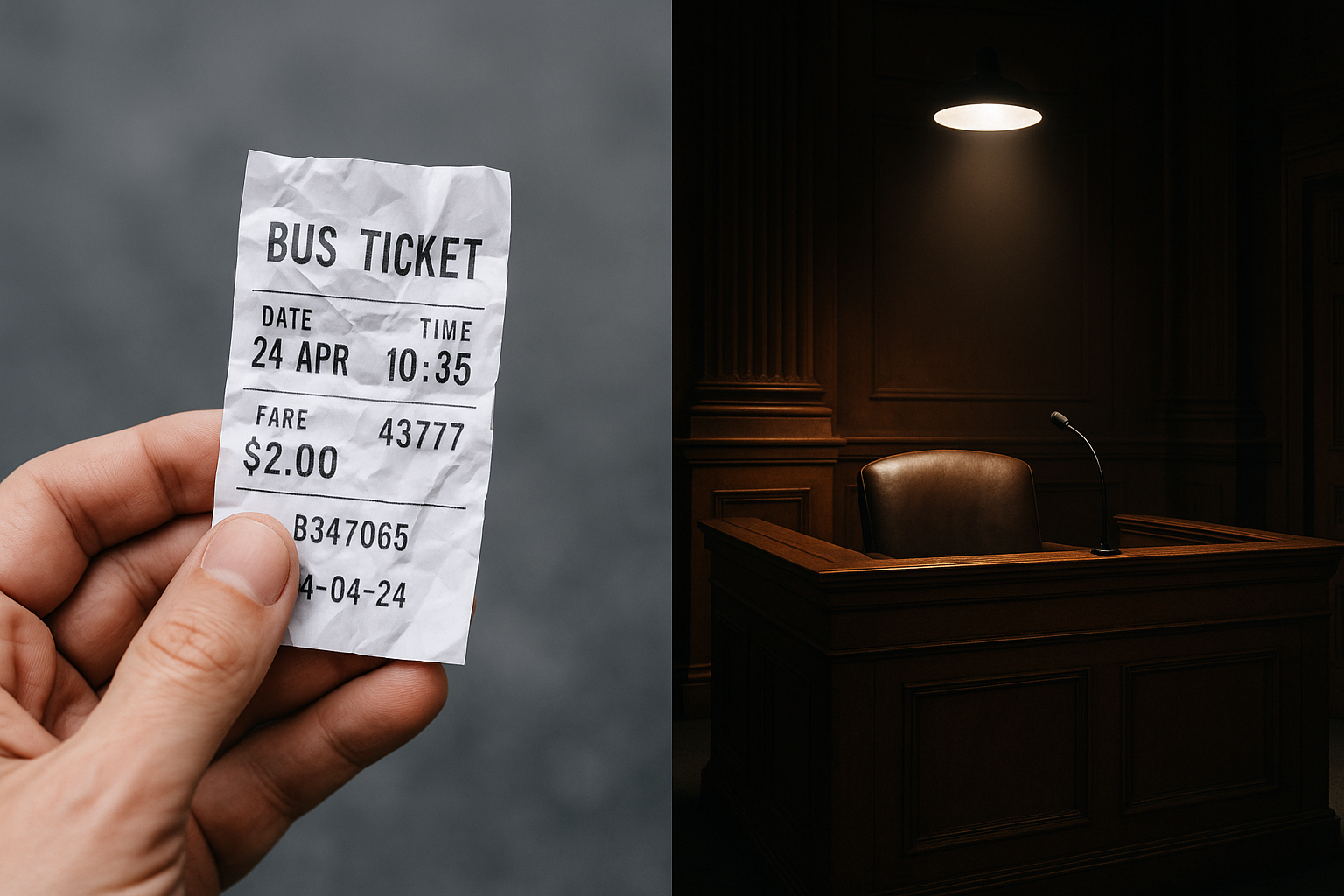
At dawn on a cold Wynberg morning, Juma Igiraneza stood outside the Magistrates’ Court clutching a wrinkled bus ticket and a cup of over-sweetened tea. The ticket had cost his elder brother almost every cent scraped together in their Mthatha village, 750 kilometres away. It was the fifth time since November 2023 that the 34-year-old had made the trip, each journey motivated by the same promise: that the policemen he accuses of beating, shocking, and suffocating him would finally stand trial.
The docket against Lieutenant Colonel Delmore Manuel, Constable Jermaine Conradie, and Constable Leigh-Ann Maroon had been shelved in April after the State failed to find a Kirundi interpreter. On the last weekday of June it was quietly resurrected. Far from heralding momentum, the first hearing revealed a justice machine splintering at every joint: missing accused, absent counsel, an exhausted complainant, and a roll so crowded that a torture prosecution vies for breathing space with traffic fines and petty theft.
Inside the narrow corridor, Igiraneza replayed the moment that set everything in motion. On 7 November 2023 he was sweeping the forecourt of a Mowbray petrol station when a white Toyota Fortuner with flashing blues slid to a halt. The trio, one in SAPS camouflage and two in plain clothes, were hunting the station’s co-owner, suspected of links to armed robberies. Igiraneza, a Burundian night-shift attendant, was the only employee present. Over the next 22 minutes security cameras recorded him being slammed against a fridge, struck with a rifle butt, dragged to the cash office, and subjected to what investigators term “the telephone”: stripped live wires pressed to his torso. No audio was captured, but his open-mouthed scream is unmistakable.
When the officers left without making an arrest, a customer discovered him curled on the kiosk floor and drove him to Groote Schuur Hospital. Doctors logged soft-tissue damage, electric-burn patterns across his chest and abdomen, and acute stress response. The Independent Police Investigative Directorate (IPID) opened a case that same night; the three policemen surrendered three weeks later.
2. Lost in Translation - Why the Case Collapsed in April
South Africa’s Constitution promises every witness a language he understands. Reality rarely cooperates. Igiraneza grew up speaking Kirundi, uses Kiswahili with East-African friends, and serves customers in hesitant, limited English. When the matter first landed in February 2024, the only accredited Xhosa-English interpreter on site was allocated to a murder trial. Over eight weeks the case was postponed five times. On 1 April the magistrate reluctantly invoked a provisional withdrawal - an 18-month reprieve that keeps the prosecution alive but frees the accused from bail conditions.
IPID spokesperson Phaladi Shuping does not mince words: “We were embarrassed. We had subpoenaed the complainant, secured CCTV clips, even flown in the petrol-station manager. Yet we slammed into a constitutional wall: no interpreter, no trial.” The directorate’s mea culpa illustrates a wider malaise: the court interpreter service is under-funded, under-staffed, and ill-equipped for Africa’s lesser-known tongues.
The shortage is quantifiable. The Office of the Chief Justice lists 253 interpreter posts country-wide; 68 are empty. Kirundi is not taught at any South African university, forcing courts to hunt freelancers through diaspora networks. Friday’s session became possible only after officials tracked down a Bujumbura-born linguist, coached her in legal terminology, and issued an emergency badge. Remote interpreting - video links to colleagues in Pretoria or Durban - is being piloted, yet frozen screens and lagging sound can contaminate testimony and hand defence counsel an easy objection target.
3. A Courtroom of Empty Chairs
Courtroom 12, usually reserved for domestic-violence matters, was crammed by 09:30 with awaiting-trial prisoners in orange overalls, shackles clinking like wind chimes. Igiraneza waited outside, flanked by his brother Jean-Marie and a taxi-guard friend, wearing the same grey hoodie imprinted with the petrol-station logo - now faded but unmistakable. The interpreter arrived early, armed with a SAPS badge and a coil-bound legal dictionary. The accused did not.
Lieutenant Colonel Manuel sent a sick note claiming he was attending a detective-command course in Paarl. Conradie’s counsel was tied up in a high-court mediation. Maroon’s attorney appeared at 10:15, then discovered her client had signed the incorrect charge sheet. Magistrate Sharon Mthimunye, famed for pruning overgrown rolls, postponed the trial to 6 July and warned that “the next no-show will trigger warrants, not apologies.” She also ordered the State to book the Kirundi interpreter for every future date, scolding: “A witness cannot be asked to criss-cross the country on a prayer.”
The brief hearing underlined a surreal truth: the men and woman accused of brutalising Igiraneza remain on the SAPS payroll. National Commissioner General Fannie Masemola told Parliament in May that suspension must await final criminal proceedings to avoid “double jeopardy.” IPID retorts that Section 30 of the SAPS Discipline Regulations allows immediate precautionary suspension when serious harm is alleged. Until the deadlock breaks, Manuel, Conradie and Maroon continue to report for duty - minus their service pistols, which were temporarily withdrawn.
4. The Price of Persistence - and What Hangs in the Balance
Every round-trip to Cape Town costs Igiraneza R580, more than a week’s wages. After the assault the petrol station dismissed him, saying his presence was “bad for brand image.” He now picks butter beans for R120 a day when the weather holds. His brother keeps a paper envelope stuffed with receipts: R45 for court parking, R22 for photocopies, R60 for the affidavit proving indigence so the State might refund travel costs. The Justice Department promises reimbursement within 14 days; the brothers have been waiting since February.
Civil-society networks are trying to fill the gaps. Refugee Social Services booked him a bed in Langa for the July dates. Lawyers for Human Rights is preparing a civil claim against the Police Minister - standard in torture matters, yet one that can meander for seven years. “The State often settles,” attorney Andrea van Wyk admits, “but only after exhausting technical objections: jurisdiction, prescription, even the locus standi of asylum seekers.”
Meanwhile the prosecution has quietly grown teeth. Investigators added two fresh counts: attempted extortion - allegedly the officers demanded R5,000 to “make the pain stop” - and the unlawful use of a police encryption gadget to delete CCTV files. (A technician later recovered the footage from a cloud backup.) A fourth officer, unnamed in public, has flipped to State witness after a plea bargain. Defence teams plan to fight the admissibility of the footage, arguing the station owner’s consent was not “informed.” Expect bruising arguments over chain-of-custody, timestamp authenticity, and whether Igiraneza’s asylum-seeker status taints his credibility.
For the man at the centre, courtroom strategy is background static. He worries about the approaching bean harvest, the R200 debt to the neighbour who financed this trip, and the nightmare where blue lights and boot stamps merge into a single suffocating choke. On Friday afternoon he boarded the 15:30 TransLux to Mthatha, cradling a brown envelope stamped “Witness – Keep Safe.” Inside lie photocopies of his medical report, CCTV stills, and the interpreter’s cellphone number - small talismans against a future no one can predict.
What are the primary reasons for the repeated postponements of Juma Igiraneza's torture trial?
The trial has been repeatedly delayed due to several systemic issues within the justice system. These include the State's failure to provide a Kirundi interpreter for Juma Igiraneza, missing accused police officers, absent legal counsel for the defense, and an overcrowded court schedule where serious cases compete for time with minor offenses. These factors collectively illustrate a significant breakdown in judicial efficiency and support for victims.
Why was the case provisionally withdrawn in April 2024, and what does that mean?
The case was provisionally withdrawn in April 2024 because the State failed to secure a Kirundi interpreter for Igiraneza, despite constitutional provisions guaranteeing a witness's right to an interpreter in a language they understand. A provisional withdrawal grants an 18-month reprieve, keeping the prosecution alive but temporarily freeing the accused from their bail conditions. This action was taken reluctantly by the magistrate after five prior postponements over eight weeks due to the same issue.
What challenges does the court interpreter service face, particularly regarding Kirundi?
The court interpreter service is significantly under-funded, under-staffed, and ill-equipped, especially for less common languages like Kirundi. There are 68 vacant interpreter posts nationwide out of 253. Kirundi is not taught at any South African university, forcing courts to seek freelance interpreters through diaspora networks, making it difficult to find qualified individuals. Even when found, they often require training in legal terminology, and remote interpreting solutions face technical challenges like frozen screens and lagging sound that can compromise testimony.
Are the accused police officers still employed by SAPS, and why haven't they been suspended?
Yes, Lieutenant Colonel Delmore Manuel, Constable Jermaine Conradie, and Constable Leigh-Ann Maroon remain on the SAPS payroll. National Commissioner General Fannie Masemola stated that suspension must await final criminal proceedings to avoid "double jeopardy." However, the Independent Police Investigative Directorate (IPID) argues that Section 30 of the SAPS Discipline Regulations allows for immediate precautionary suspension when serious harm is alleged. Their service pistols were temporarily withdrawn, but they continue to report for duty.
What financial and personal burdens has Juma Igiraneza endured due to the delays?
Juma Igiraneza has faced significant financial and personal hardship. Each round-trip to Cape Town costs him R580, more than a week's wages. After the assault, he was dismissed from his petrol station job and now earns R120 a day picking butter beans. He has accumulated debt for travel and court-related expenses, and despite promises, reimbursement from the Justice Department for travel costs has been delayed since February. He also grapples with the emotional trauma of the assault and the ongoing unpredictability of the legal process.
What new developments have emerged in the prosecution against the police officers?
The prosecution has strengthened its case with new developments. Investigators have added two fresh counts: attempted extortion, alleging the officers demanded R5,000 to drop the matter, and the unlawful use of a police encryption gadget to delete CCTV files (which were later recovered from a cloud backup). Furthermore, a fourth officer, whose identity remains undisclosed, has agreed to become a State witness after a plea bargain. Defense teams are expected to challenge the admissibility of the recovered CCTV footage, citing issues like the station owner's consent, chain-of-custody, timestamp authenticity, and Igiraneza's credibility as an asylum seeker.
Amanda Wilson is a Cape Town-born journalist who covers the city’s evolving food scene for national and international outlets, tracing stories from Bo-Kaap spice shops to Khayelitsha micro-breweries. Raised on her grandmother’s Karoo lamb potjie and weekend hikes up Lion’s Head, she brings equal parts palate and pride to every assignment. Colleagues know her for the quiet warmth that turns interviews into friendships and fact-checks into shared laughter.
View all articles →