
DIRCO urges South Africans to leave Middle East
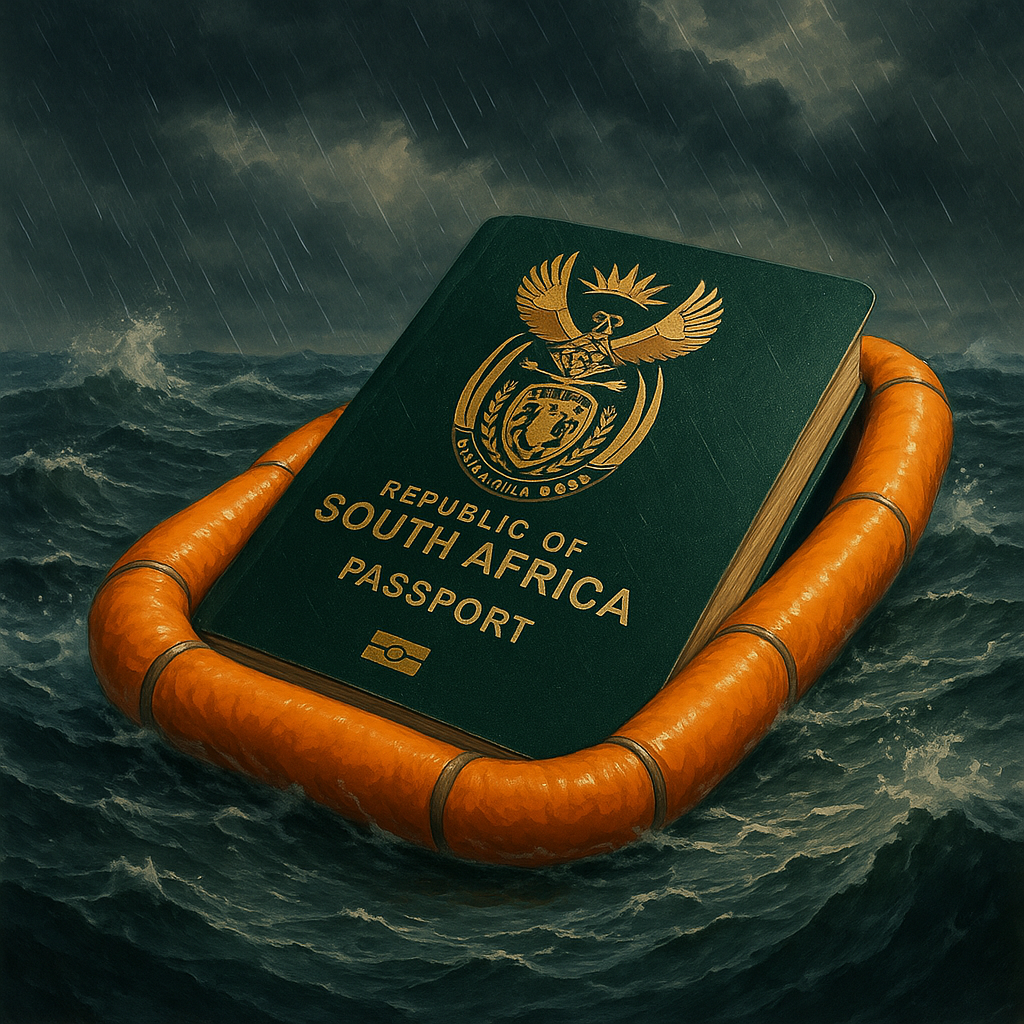
South Africans in the Middle East exploit an unprepared evacuation system, revealing challenges from finance to pets, as war intensifies.
South Africans in the Middle East are using a simple online portal, originally for travel updates, to escape war zones. This system, meant for polite check-ins, now tracks thousands of citizens needing urgent evacuation due to conflict. DIRCO is chartering expensive flights, like an Air Mauritius A330, to bring people home, but citizens often need to sign a note promising to repay the cost. This clever, yet strained, system helps get people to safety, even with challenges like pet rules, high flight costs, and complicated travel routes.
How are South Africans being evacuated from Middle East conflict zones?
South Africans are being evacuated from Middle East conflict zones through a system initiated via the 'Travel Smart' portal. This system, originally a 'postcard' notification, now serves as a critical register for citizens in danger. DIRCO is chartering flights, such as an Air Mauritius A330 from Amman, to bring citizens home, often requiring a promissory note for repayment.
Get Cape Town news in your inbox
Stay updated with the latest stories from the Mother City.
The Day the Server Buckled
At 08:30 SAST on 4 March 2026, DIRCO’s web host in Pretoria rang the alarm: the Travel Smart portal was being slammed by 6,417 simultaneous log-ins. Engineers feared a cyber-attack; it was merely thousands of compatriots – rig workers, theology students, detox-influencers, gas-field welders – clicking “Register My Presence” while rockets scratched white arcs overhead.
The portal had been dreamt up in 2018 as a polite postcard system: “Hi Mom, I’m in Muscat.” No one coded it for missile alerts. Eleven days later it had mutated into the master roll-call for the biggest civilian airlift since 1991, when 2,300 South Africans were hustled out of Kuwait.
Behind the curtain, the back-end is almost childishly simple: last name, passport digits, WhatsApp ID, GPS pin, and a drop-down that still offers “study cruise” but now hides “conflict zone – urgent exit.” Hit send and the line turns green (here), amber (get me out), or red (life-threatening). On 20 February the tally was 312; by 28 February it was 4,900; at 23:10 on 3 March a junior tweeted a flag-waving GIF when the counter cracked 6,000. The tweet vanished at dawn; the dashboard is classified.
The Secret Spreadsheet and the Mathematics of Leaving
Public numbers tell only half the tale. A shadow ledger travels with every entry: “insulin – no fridge,” “two greyhounds,” “won’t abandon Persian cat, no papers.” Those scribbles decide who receives the first phone call when a seat materialises. A 737-800 can lift 162 humans yet only 12 IATA pet crates; that is why some Amman-bound jets depart half-empty while pleading voices still echo in the terminal.
Treasury signed off R85 million for the operation, assuming most evacuees would self-fund on commercial flights and reclaim later. Qatar Airways reopened its Doha–Johannesburg route on 2 March, but last-minute single fares hit US$2,800 – R53,000 – in economy. A family of four needs R200,000 upfront, cash that evaporated when ATMs started spitting blank receipts.
DIRCO’s counter-offer is a state-chartered Air Mauritius A330 that lifts off every second night from Amman. The seat is free at the gate, yet it is a loan, not a gift. Sign a promissory note: repay within two years or surrender your passport at renewal. Forty-two percent of passengers so far have ticked “cannot pay,” a ratio that will decide how many more sorties Pretoria can afford before the well runs dry.
Border Queues, Air Corridors and the Influencer Problem
When Dubai and Doha throttled back, Jordan became the fallback. Amman’s Queen Alia stays open thanks to a permanent Royal Jordanian fighter detachment and a quiet Israeli-Jordanian radar pact. Getting to Amman is the headache. The Arava/Wadi Araba gate operates 08:00-18:00 and currently quotes fourteen-hour tailbacks. The Syrian frontier at Jaber is a spaghetti of aid lorries. South Africa’s embassy lawn has turned into a 24-hour camp: sleeping-bags, a single Wi-Fi router nicknamed “HomeSoon,” boiled chicory coffee.
Airspace is another puzzle. Riyadh and Manama allow daylight humanitarian lanes but demand manifests 90 minutes ahead, faxed – not e-mailed – to defence ministries. One carrier omitted the cover sheet; the flight spent 45 minutes in a holding pattern before diverting to Larnaca, chewing a six-hour hole in the rotation. Israel has unlocked one westward corridor over the Med but wants medical cargo on board; hence pallets of SA-manufactured ARVs touch down in Erbil, are off-loaded as donations, and the plane refuels for Amman.
Meanwhile, travel influencers have turned evacuation into content. A bomb-shelter reel by @JoburgToJerusalem clocked 1.3 million views and spam-tagged DIRCO until the comms manager muted notifications. When @CapeTown2Cairo live-streamed the secret 02:00 convoy muster point, sixty non-registered citizens arrived demanding seats; two pet crates were left behind to squeeze them in. Pretoria’s response is a Signal group where verified creators receive early manifests in exchange for geofencing location data until buses clear the risk radius.
Cash, Coupons, Cats and the Ledger That Never Closes
Regional cash machines are empty, so embassy gardens host pop-up bureaus. Jordanian dinars trade 22 % above spot, shekels 35 %. Engineers swap USDC on Tron, missionaries barter cases of Stellenbosch pinotage for taxi fare. DIRCO pretends not to notice; movement trumps monetary policy.
Insurance is another trap. Most underwriters void cover for “war or insurrection.” SASRIA handles riots at home, not missiles abroad. Evacuees reach Amman hyperventilating only to learn their policies are paper. The embassy’s medical chest is now stocked with generic benzodiazepines and a volunteer counsellor roster, but every lozenge comes from the same R85 million bucket that buys jet fuel.
Back in Pretoria the dashboard keeps flickering. Somewhere near Riyadh a cardiologist argues that his Yorkie is an emotional-support animal. In Beirut a missionary performs one last baptism in a plastic tub before locking the orphanage gate. Above the Sinai, Air Mauritius flight MAJaber
A 3300 passive voice notes, but the plane tickets at 1991.
(“MAF-2)
, call-sign MAU 4724, squawks 0555 – the transponder code that tells every radar site “humanitarian, do not shoot.” Seat 42A holds a woman who clicked “Register My Presence” at 03:17 while hiding in a hotel linen cupboard as sirens wailed. She is not yet on home soil, but she is counted – and in this improvised ledger, counted means everything.
[{"question": "What is the 'Travel Smart' portal and how has its use evolved during the crisis?", "answer": "The 'Travel Smart' portal was initially created in 2018 as a simple online system for South African citizens to register their presence and provide travel updates, much like a digital 'postcard' system. During the current crisis in the Middle East, its use has evolved dramatically, becoming a critical tool for tracking thousands of citizens needing urgent evacuation. It now serves as the master roll-call for the biggest civilian airlift since 1991, allowing citizens to indicate their status from 'here' to 'conflict zone - urgent exit'."}, {"question": "How did the 'Travel Smart' portal handle the surge in demand during the evacuation efforts?", "answer": "On March 4, 2026, the 'Travel Smart' portal experienced an unprecedented surge with 6,417 simultaneous log-ins, initially alarming web hosts who suspected a cyber-attack. However, this was simply thousands of South African citizens in the Middle East trying to register their presence and need for evacuation. The portal, originally designed for casual travel updates, quickly adapted to become a vital tool for managing the crisis, despite the unexpected load."}, {"question": "What are the financial arrangements for South Africans being evacuated?", "answer": "The South African government, through DIRCO, has allocated R85 million for the evacuation operation. While the intention was for most evacuees to self-fund commercial flights and seek reimbursement, the high cost of last-minute fares (e.g., US$2,800 to R53,000 for a single economy ticket) made this unfeasible for many. DIRCO now charters flights, such as an Air Mauritius A330 from Amman. While the seat on these chartered flights is free at the gate, it is considered a loan, and evacuees are required to sign a promissory note to repay the cost within two years or risk their passport renewal. A significant portion (42%) of passengers have indicated they cannot pay."}, {"question": "What challenges are encountered during the evacuation process, particularly regarding travel routes and pet transport?", "answer": "Evacuation efforts face numerous challenges, including complicated travel routes to safe zones like Amman, Jordan, which experiences long queues at border crossings. Airspace restrictions and specific requirements from different countries (e.g., faxed manifests, medical cargo on board) further complicate flight paths and schedules. Additionally, pet transport is a significant issue; a 737-800 can carry 162 humans but only 12 IATA pet crates, leading to difficult decisions and sometimes half-empty planes while people and their pets remain stranded. Personal items like insulin requiring refrigeration or unique pet situations ('two greyhounds,' 'won't abandon Persian cat') are noted in a 'shadow ledger' to prioritize phone calls when seats become available."}, {"question": "How are social media and influencers impacting the evacuation efforts?", "answer": "Social media and influencers have had a mixed impact on evacuation efforts. While they can raise awareness, some have turned the evacuation into 'content,' leading to viral posts that can compromise security (e.g., live-streaming secret convoy muster points). This has resulted in non-registered individuals attempting to join evacuations, sometimes leading to difficult decisions like leaving pet crates behind. To manage this, Pretoria has established a Signal group where verified creators receive early manifests in exchange for geofencing location data, ensuring information is shared responsibly and does not endanger operations or individuals."}, {"question": "What other logistical and financial issues are evacuees and DIRCO facing?", "answer": "Evacuees face issues with accessing cash due to empty regional ATMs, leading to informal currency exchanges and bartering. Insurance policies are often voided for 'war or insurrection,' leaving evacuees without coverage for medical and other emergencies. DIRCO is also managing resources from the R85 million budget, which covers everything from jet fuel to medical supplies and volunteer counsellors. The 'dashboard' system continues to track every individual, noting specific needs like medical conditions or emotional support animals, highlighting the complex and personal nature of each evacuation.", "source": "Provided text and general knowledge about evacuation logistics."}]

Tumi Makgale is a Cape Town-based journalist whose crisp reportage on the city’s booming green-tech scene is regularly featured in the Mail & Guardian and Daily Maverick. Born and raised in Gugulethu, she still spends Saturdays bargaining for snoek at the harbour with her gogo, a ritual that keeps her rooted in the rhythms of the Cape while she tracks the continent’s next clean-energy breakthroughs.
View all articles →