
East City originals: Inside Tommy’s Chop Shop and Just Like Papa
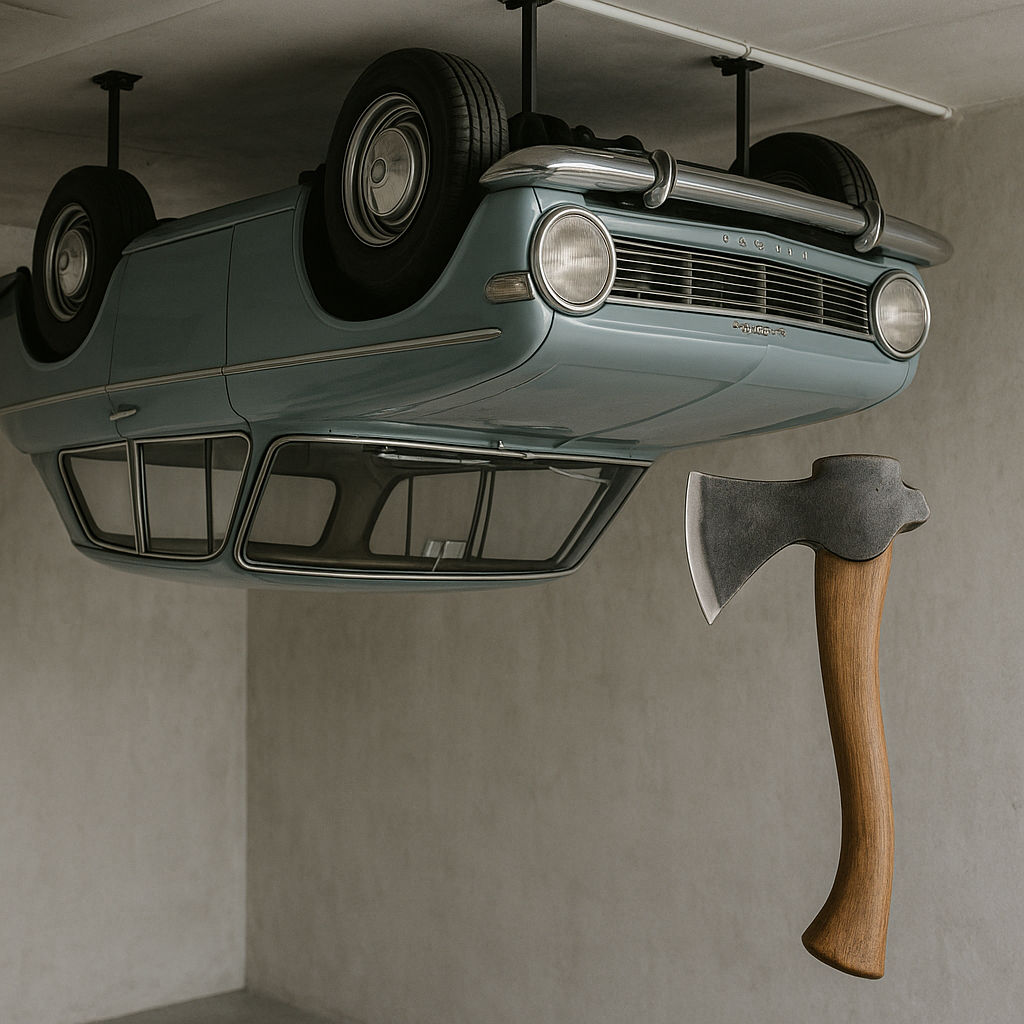
Explore Just Like Papa & Tommy's Chop Shop: a unique Cape Town spot combining an outdoor gear outfitter and a whiskey bar in an old bank.
This Cape Town spot is a wild mix: a gear shop and a whiskey bar all in one big, old building. They only sell tough stuff that lasts forever and has cool stories. You can grab a drink while checking out axes and other adventure gear. It's a unique place where old things get new life and every item has a past.
What is the Harrington Street establishment known for?
The Harrington Street establishment is a unique, dual-purpose venue in Cape Town, combining a rugged retail space for field-tested gear with a whiskey bar. It's known for its "raw, honest, un-shoplike" atmosphere, repurposed vintage elements, and a strict philosophy of selling only durable, repairable, and story-rich items.
Get Cape Town news in your inbox
Stay updated with the latest stories from the Mother City.
A Door to Two Realities on a Quiet Cape Town Lane
Harrington Street climbs toward the mountain like an afterthought, its edges lined with chipped brick warehouses and brand-new murals. Half-way up, a brutalist concrete slab - date-stamped “1956” in brushed brass - offers no hint of what waits inside. A single shove swings the thick steel door and releases a wave of scent: warm beeswax, hot motor oil, and yesterday’s bourbon still breathing from the staves. One uninterrupted vault, taller than most houses, cradles two businesses beneath an upside-down Opel Kadett. Twelve metres separate the gear counter from the first whiskey shelf; the only divider is the smell.
Thomas Ferreira leans over a Gränsfors Bruk axe, thumb testing the bite of fresh steel. Khanya Mjamba wipes last night’s lipstick off tumblers twelve long strides away. The axe won’t leave the premises - Thomas used it for seventy-three nights in the Karoo to split thornwood - yet customers still ask to cradle it. His answer is always the same: “Promise me you’ll actually swing it.” That single rule governs every object on the wall - no virgin steel, no untested leather, no shelf-queens allowed.
From Apartheid Grey-Zone to Whale-Belly Workshop
Broken Banks and Concrete Diagrids
During apartheid zoning the East City was labelled a buffer, a nowhere land for banks and wholesalers that had to sit near - but not inside - the coloured residential blocks. When the last bank cashier locked up in the early aughts, the 400-square-metre vault languished behind steel shutters. Ferreira signed a lease in 2016 and hired Rotem & North with three brief words: raw, honest, un-shoplike.
They gutted drop-ceilings, ripped out drywall, and exposed the diagrid that once cradled a tonne of rand notes. Hidden uplights now rebound off the concrete ribs, giving the sense that the visitor has stepped inside a whale’s ribcage. Two 4-metre Oregon pine beams, salvaged from an old jetty, hover overhead as a mezzanine. Below them stands the bar; above sits a tiny studio where Thomas prints 6×7 transparencies shot in Patagonia. The original sash windows were planed down and repurposed into sliding barn doors; they seal the retail side at 6 p.m. while the bar stays alive until 2 a.m. - a licensing sleight-of-hand that took eight months, three hearings, and one very patient city official.
A Mezzanine, a Lift, and a Grandfather’s Car
Directly beneath the mezzanine, the original four-post hydraulic lift still works - British racing green replacing its former grease grey. Tonight it cradles a half-dismantled 1982 BMW R80 GS instead of a car. The lift moonlights as a DJ platform on birthdays, cables slung through the roof beams like stage rigging. Above everything, upside-down, hangs the Kadett - Thomas’s grandfather taught him to double-clutch in that car on dusty Eastern Cape roads. Rigging specialists who once flew speakers for U2 anchored it to the old bank-safe roof; inside, a single bottle of Willett glows on the dashboard like a night-light.
Fieldcraft, Not Fashion: The Buying Matrix Behind the Shelves
Five Non-Negotiable Variables
Retailers normally chase sell-through velocity; Thomas chases mileage. He runs every brand and every SKU through five filters:
- Heritage of Use – 25 straight years of production without quality off-shoring.
- Repairability – Any competent cobbler, machinist, or bush-blacksmith from Cairo to Cape Agulhas must be able to bring it back.
- Traceable Materials – Vegetable-tanned hides, high-carbon or titanium metals, waxed cotton or fully recycled synthetics - no virgin polyester, ever.
- Live Field Test – Thomas or one of three designated wranglers (a river guide, a rescue medic, a wildlife cinematographer) puts the item through 30 consecutive days in the field.
- Story Density – If it cannot spark five minutes of fireside narrative, it does not get shelf room. The 1974 Svea 123 paraffin stove passes with flying colours: every veteran who hears its jet-engine roar remembers their own father’s version.
A 120-SKU Wall of Proven Gear
The payoff is a tightly edited gallery - roughly one hundred and twenty items. A forged Japanese Genno hammer might rest beside a Topo Designs briefcase stitched from dead-stock Cordura. Victorinox Farmer knives re-handled in Kiaat by a Paarl pensioner sit shoulder-to-shoulder with titanium flasks whose faulty gaskets were swapped during a live Thursday-night repair pop-up. Nothing arrives untested, nothing leaves untold.
Oil, Barrel, and Brotherhood: Life Inside Tommy’s Chop Shop
The G-Wagon That Won’t Stay Dead
The G-Wagon that lit up Instagram has left the building - its frame now chained to a fabrication jig three hours east in Buffeljagsrivier. Thomas bought it at auction after a Tankwa Karoo rollover, revived it, then watched a rogue mechanic mangle the torque specs. The insurer wrote it off - twice. Thomas bought it back for salvage value and is teaching himself panel-beating between bar shifts: “Every dent I pop out is penance for trusting the wrong spanner.”
The Pocket Encyclopedia of American Whiskey
Tommy’s leather-bound menu lists 190 bourbons and 70 ryes, but the chalkboard “Library List” is the treasure map. A personal bunker hides another 300 bottles gathered during yearly pilgrimages to Kentucky and Tennessee. Recent prizes include a 1989 National Distillers Old Grand-Dad squat decanter nicknamed “the toothpaste bottle,” and a single-barrel Four Roses OBSK hand-picked with writer David Wondrich beneath Cox’s Creek thunder. Mid-week pours of Buffalo Trace run R55 for 30 ml - an intentional subsidy for cash-strapped regulars. Weekend tourists foot the difference; anything older than 15 years is rationed to one ounce per drinker per night and tracked in a red notebook labelled “The Humanity Ledger.”
Regulars and Rules Written in WhatsApp Code
Residencies, Cross-Overs, and Future-Proofing the Dream
Craftsmen in Residence and Pay-It-Forward Pieces
Every second month the floor plan shifts. A Namibian leather-crafter sets up a stitching pony in the front window; students bring beer, leave with saddle-stitch skills and a donated card-holder destined for the “rent shelf” raffle. In the workshop bay, a Mpumalanga bladesmith fires up a portable propane forge; beginners walk out with a kiridashi knife and a healthy fear of red-hot steel. The events are free, but every participant leaves behind one finished piece - auctioned later to stock local soup kitchens.
Budget Bottles Fixing Flawed Flasks
Retail and bar cross-pollinate on the fly. When a batch of Snow Peak flasks arrived with faulty silicone gaskets, Thomas and the barback staged a pop-up repair lab with espresso-machine O-rings while patrons nursed High West Campfire. When 150 laser-etched Nalgene bottles dropped, they sold out in twenty-two minutes - funds paid for a new industrial fan.
A Trust, A Darkroom, and A Panel Van That Drinks Grease
The neighbourhood is gentrifying, so Ferreira quietly bought the building through a community trust: thirty micro-investors - bartenders to primary-school teachers - now hold 42 percent equity. A charter clause caps rent hikes at CPI plus two percent for twenty years; the document hangs beside a signed photograph of Hemingway at El Floridita. In the former ledger room a darkroom is taking shape; every new-moon night will host 35mm slide shows and bottomless cowboy coffee brewed on a 1950s Optimus 8R stove.
Expansion is vertical, not horizontal. A 1956 Ford F-100 panel van is being restored in the crawlspace; its bed will be lined with the same checker plate as the workshop floor and its tank will run on biodiesel brewed from neighbouring restaurants’ spent grease. Mobile whiskey bar, mountain festivals, zero footprint.
For now, on any weekday, Thomas sits behind the counter sewing a torn strap while debating wheated bourbon with a local chef. Above him the Kadett hangs like a guardian angel, and through the whale-bone ceiling the Cape winter light slides across axes and barrels, reminding everyone that some places endure precisely because they remain gloriously unfinished.
[{"question": "What kind of establishment is the Harrington Street location?", "answer": "The Harrington Street establishment in Cape Town is a unique, dual-world venue. It combines a rugged gear shop selling durable, field-tested adventure equipment with a whiskey bar offering a wide selection of bourbons and ryes. It's known for its 'raw, honest, un-shoplike' atmosphere and a philosophy centered on items with history and longevity."}, {"question": "What kind of products does the gear shop sell?", "answer": "The gear shop specializes in tough, durable, and repairable items that are meant to last. Products are selected based on five strict criteria: heritage of use, repairability, traceable materials, live field testing, and 'story density.' Examples include forged Japanese hammers, Topo Designs briefcases, Victorinox knives re-handled by local artisans, and titanium flasks."}, {"question": "What is the history of the building?", "answer": "The building, a brutalist concrete slab dated 1956, was originally a bank vault in an apartheid-era 'buffer' zone. After languishing for years, Thomas Ferreira leased it in 2016. It was then transformed by gutting drop-ceilings and drywall, exposing the concrete diagrid, and repurposing original architectural elements like sash windows into sliding barn doors."}, {"question": "What is unique about the design and interior of the venue?", "answer": "The interior is striking, with exposed concrete ribs giving the sense of being inside a whale's ribcage. Two 4-meter Oregon pine beams from an old jetty form a mezzanine. A working four-post hydraulic lift, often cradling a vintage motorcycle, doubles as a DJ platform. Most notably, an upside-down Opel Kadett, Thomas's grandfather's car, hangs from the ceiling."}, {"question": "What kind of whiskey can patrons expect at the bar?", "answer": "The bar boasts an extensive selection, with a leather-bound menu listing 190 bourbons and 70 ryes. There's also a 'Library List' of rarer bottles, including a personal bunker with another 300. Patrons can enjoy affordable mid-week pours of Buffalo Trace, while older, rarer whiskeys are rationed to ensure availability and are tracked in 'The Humanity Ledger.'"}, {"question": "How does the establishment engage with the community and uphold its values?", "answer": "The venue hosts monthly residencies for craftsmen like leather-crafters and bladesmiths, offering free workshops where participants contribute a piece for charity auctions. It also cross-pollinates retail and bar activities, such as pop-up repair labs for gear. To ensure its future and community benefit, the building was bought through a community trust, capping rent hikes and fostering long-term stability."}]

Sarah Kendricks is a Cape Town journalist who covers the city’s vibrant food scene, from township kitchens reinventing heritage dishes to sustainable fine-dining at the foot of Table Mountain. Raised between Bo-Kaap spice stalls and her grandmother’s kitchen in Khayelitsha, she brings a lived intimacy to every story, tracing how a plate of food carries the politics, migrations and memories of the Cape.
View all articles →