
FASHION REINVENTION ON A BUDGET
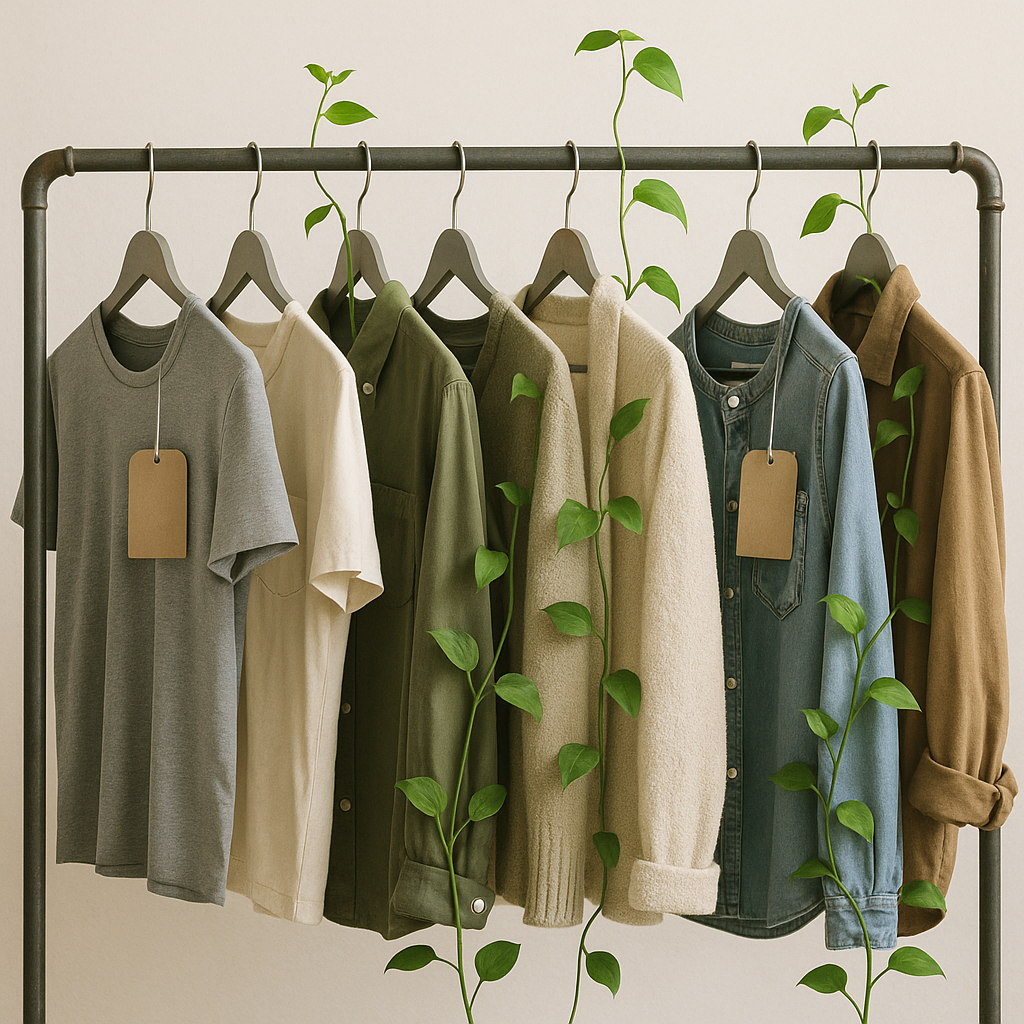
Unlock style in South Africa's economic climate. Reimagine your wardrobe with creative restyling, DIY hacks & cultural inspirations.
This guide shows South Africans how to be super stylish without buying new clothes all the time. It's about getting creative with what you already have, like turning an old dress into something new or jazzing up your sneakers. You'll learn how to use colors inspired by your city, keep your clothes clean in clever ways, and even make office wear from unexpected items. It's all about making your clothes work harder and smarter for you, saving money and helping the planet too!
How can I create a stylish wardrobe without constantly buying new clothes?
By reimagining existing garments, South Africans can achieve a high-style wardrobe. This involves treating clothes as inventory, re-engineering outfits, and embracing local fashion dialects. Techniques include repurposing items like shirt-dresses, customizing sneakers, and using accessories creatively. Focusing on color, proper cleaning, and corporate hacks can also extend garment life and style.
Get Cape Town news in your inbox
Stay updated with the latest stories from the Mother City.
1. The Ledger in Your Wardrobe
Across the Highveld’s crack-dry June mornings and the Cape’s gust-heavy December nights, South Africans open cupboards that feel more like balance sheets than closets. Every hanger carries hidden service fees: the petrol glugged on the mall run, the parking tariff that leapt again last July, the stealth card levy banks slip in for the luxury of a swipe. “Window shopping” is now literal - eyes pressed to boutique glass, prices memorised, kilometres counted instead of coins on the drive home.
But those same rails can be re-read as asset columns rather than receipts of regret. That blouse you wore to your cousin’s engagement, the jeans that survived two music festivals, the belt you swore you’d “fit into again” - they’re not relics; they’re inventory. Flip the script: treat dressing like re-engineering, not re-buying. The only audit you need is imagination and a needle.
The nation’s style dialect has always been a mash-up. Eleven official languages share rack-space with miners’ acid-washed overalls, amaPantsula’s razor-edged pleats, township tailors who once spun German factory off-cuts into three-piece power suits, and rural beaders who stitched Ndebele neon onto denim trucked in by 1980s missionaries. “Brand-new” is a tourist concept; here, newness is a verb you perform, not a noun you purchase.
2. The Garment Gymnastics
Take the shirt-dress you carted to a 2017 garden wedding. Hemline grazing your calves then, it now skims the tongues of your hiking boots. Add a karate-length strip of shweshwe - R20 from the Botswana trader who lays her wares on the pavement outside Bara taxi rank - and the silhouette snaps from column to hourglass. Slide straight-leg, light-wash jeans underneath and the dress becomes a tunic. When the 4-pm chill arrives, swap denim for bottle-green fleece tights that peep through the knee-rip like stained glass. One piece, three climates, zero rand down.
Sneakers die fastest on South African tar, so promote the scuffed pair to lead role. Dribble leftover kitchen-cupboard enamel over the rubber midsole in Bo-Kaap ochre, mask wobbly stripes with cheap office tape, and let the imperfections read as brush-stroke genius. By the third outing the hardware smell evaporates and taxi queue strangers swear you’re in limited-release Pumas. Tell them “on my stoep” and keep walking.
Jewellery is punctuation in a sentence that already mixes isiZulu clicks with Afrikaans growls. A Maasai beaded collar picked up in Mombasa can referee a Victorian thrift-store blouse if a single cobalt thread repeats in both. No statement piece must stay loyal to one body zone - thread the collar through belt loops so it swings at the hip, or knot it mid-chest over a boiler suit and it becomes naval insignia. Asymmetric earrings? One sleeper, one chandelier - match the metal, not the volume. Intentionality broadcasts louder than symmetry ever could.
3. Colour, Clean & Corporate Hacks
Forecasting colour is a Sandton boardroom sport, but on the pavement the palette is pre-selected: Rea Vaya molten orange in Soweto, late-pinotage vineyard mud in Stellies, Durban’s neon rickshaw tassels. Harvest that local Pantone from pillowcase embroidery or faded refuse-bag orange, then top-stitch it along a denim skirt’s pockets. Suddenly you’re not modelling global trends; you’re citing the suburb you woke up in.
“Clean” got rewritten during Cape Town’s drought. Denim skips the washer, spends the night folded inside a grocery packet in the freezer; the freeze-thaw softens cotton and accelerates fades foreigners pay extra for. Rogue grease meets a lemon-half dipped in Rooibos ash - tannins bleach indigo into ghost-world maps that remember sunnier hikes than any factory distressing could manage.
Corporate dress codes still worship neutrals, yet webcam rectangles reveal only collar-up real estate. Snag a pastel lab coat at a dental-supply auction, rip off the plastic name tag, replace buttons with brass ones clipped from a 2008 Edgars handbag, and - voilà - webcam blazer. Pair it with a collarless shirt (your partner’s 2009 matric dance relic, dyed indigo in a three-legged potjie). Below the frame, mismatched gym shorts stay invisible, saving both dry-clean fees and the planet’s sanity.
4. Taxi-Friendly Tailoring & Carbon Swagger
Durban’s air is so humid it practically knits its own doeks. Convert a cotton headwrap into beachwear: twist two corners behind the neck, knot at the nape, tuck the tail into bikini briefs. Same fabric, new job description; when the tide humiliates imported resort tops, your doek is already dry and back on your head.
Convertible sneakers solve the long-distance taxi ritual - drivers demand spotless kicks at every police roadblock, but passengers need footwear that surrenders fast for floor inspections. Slice along the welt of your already-scuffed pair, insert duvet-cover zip tape, glue with shoemaker’s Bostik. The zip winks like jewellery while you slide out in seconds, leaving the guy in front still wrestling plastic Shoprite bags off his box-fresh Nikes.
Every extra wear earns eco-credit: roughly 0.3 kg CO2 saved, the same as killing a plasma TV for three hours. Think of cotton, wool and polyester as carbon you can parade, the way your grandparents paraded cattle wealth. Nothing looks wealthier than garments that pay environmental dividends while charging zero interest on your overdraft. Walk into that December sunset like a listed company - profits on your back, planet in your pocket.
How can I create a stylish wardrobe without constantly buying new clothes?
By reimagining existing garments, South Africans can achieve a high-style wardrobe. This involves treating clothes as inventory, re-engineering outfits, and embracing local fashion dialects. Techniques include repurposing items like shirt-dresses, customizing sneakers, and using accessories creatively. Focusing on color, proper cleaning, and corporate hacks can also extend garment life and style.
How can I repurpose existing clothing items to create new looks?
You can repurpose items by adding local textiles, like a strip of shweshwe to a shirt-dress to change its silhouette, or by wearing garments in unconventional ways, such as a dress over jeans as a tunic. Jewellery can also be repurposed by wearing a beaded collar as a belt or knotting it over a boiler suit. The key is to see existing items as versatile inventory rather than fixed outfits.
What are some creative ways to customize footwear and accessories?
For footwear, you can customize scuffed sneakers by dribbling leftover enamel paint on the rubber midsole to create a unique design. For accessories, don't limit jewellery to its traditional use; a Maasai beaded collar can be threaded through belt loops or knotted on a boiler suit. Asymmetric earrings, matching metal but not volume, also add a distinctive touch.
How can I incorporate local South African aesthetics into my style?
Draw inspiration from local palettes such as the Rea Vaya molten orange in Soweto, late-pinotage vineyard mud in Stellies, or Durban's neon rickshaw tassels. You can top-stitch these colors onto denim or other garments. The idea is to cite the suburb you woke up in, making your style uniquely South African rather than following global trends.
What are some clever tips for cleaning and maintaining clothes to extend their life?
During periods of water scarcity, innovative cleaning methods emerged. Denim can be folded inside a grocery packet and placed in the freezer overnight; the freeze-thaw cycle softens cotton and creates a natural fade. Rogue grease spots can be tackled with a lemon-half dipped in Rooibos ash, with the tannins bleaching indigo into unique patterns.
How can I make my office wear more versatile and sustainable?
For office wear, especially for webcam meetings, focus on the visible parts. A pastel lab coat from a dental-supply auction can be transformed into a stylish blazer by replacing buttons with brass ones. Pair it with a collarless shirt, perhaps a dyed matric dance relic, and wear comfortable gym shorts below the frame, saving on dry-cleaning and extending the life of your more formal pieces. This approach prioritizes visible style and sustainability.

Kagiso Petersen is a Cape Town journalist who reports on the city’s evolving food culture—tracking everything from township braai innovators to Sea Point bistros signed up to the Ocean Wise pledge. Raised in Bo-Kaap and now cycling daily along the Atlantic Seaboard, he brings a palpable love for the city’s layered flavours and even more layered stories to every assignment.
View all articles →