
Fire rages on in Philippi Horticultural Area for ten days straight
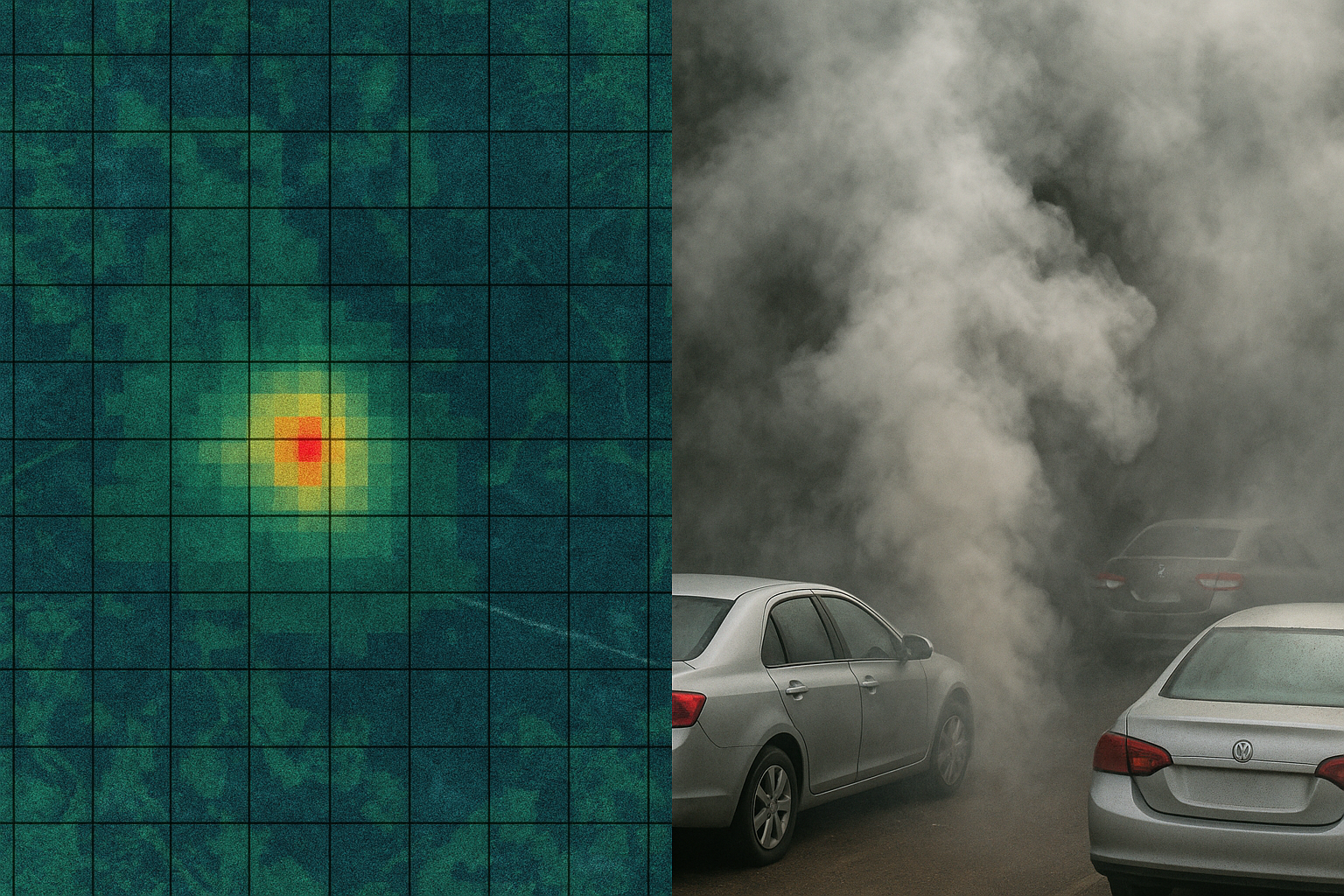
A slow-burning fire on a Cape Town farm causes widespread smoke, health issues, and economic disruption. Learn about the 'eye that never blinks'.
Cape Town is facing a big problem: a giant compost pile, the size of two rugby fields, has been burning for ten days straight! Firefighters are trying a special "strip-spray-stack" method, but it's super slow. The smoky air is making people sick and even messing with the city's food supply and jobs. This one stubborn fire is causing a lot of trouble for everyone in Cape Town.
How is the smouldering compost heap in Cape Town being managed?
Firefighters are using a "strip-spray-stack" method: peeling back two-metre sections, hosing the exposed face for 90 seconds, then flipping the cooled layer. This slow process covers about fifteen metres in twelve hours, with crews rotating every twelve hours. They are also experimenting with threading agricultural drainage pipes through the core to flood it from within.
Get Cape Town news in your inbox
Stay updated with the latest stories from the Mother City.
The Heap That Won’t Quit
A private parcel inside Cape Town’s Philippi Horticultural Area has become an unwelcome landmark. On Sonnestraal Farm a compost-and-crop-waste stack the size of two rugby fields has been exhaling pale smoke for ten consecutive days. Satellite heat sensors register the site as a solitary, defiant pixel; helicopter crews nickname it “the eye that never blinks.” What started shortly before noon on 7 March 2026 as a routine “whiff of smoke on a manure pile” is now the city’s most stubborn structural blaze, not because flames leap sky-high but because they slither invisibly through a three- to four-metre heap of lettuce stalks, pumpkin vines and mystery debris. The plume drifts across the Cape Flats, slips into Lansdowne classrooms, creeps through Mitchells Plain louvre windows and, on windless nights, powders car windscreens as far off as Rondebosch Common with a fine grey film.
The dilemma is ancient yet maddeningly modern: suffocate the fire or drown it. Deny it oxygen and you must tear the stack apart, yet every claw of a 20-ton loader that cracks the crust simply invites fresh air and sends orange tongues racing along tunnels carved by fermentation gases. Flood it with water and you face an impenetrable outer shell so compact that thousands of litres simply skate off like rain on a tortoise. By the fourth day incident commanders coined a hybrid tactic they now call “strip-spray-stack”: peel back a two-metre ribbon, hose the exposed face for 90 seconds, then flip the cooled layer upside-down into an adjacent trench. Progress resembles a funeral march - roughly fifteen metres in twelve hours. Crews of fourteen firefighters rotate every twelve hours; 88 helicopter bucket drops of 1 100 litres each have already emptied the farm’s ornamental dam and the old Philippi irrigation canal, delivering the volume of twenty-five backyard pools. At dawn on day ten thermal drones still counted thirty-eight pockets hotter than 120 °C, the threshold at which microbial life re-ignites the mulch.
The Science of a Sneaky Burn
Spontaneous combustion here is less Hollywood flare-up than slow chemistry courtship. In the first week after harvest, leftover sugars and nitrogen feed armies of aerobic microbes deep inside the stack. Their metabolism pushes temperatures to 70 °C, kills off surface bacteria and seals the core. Anaerobic cousins then take over, burping methane and hydrogen sulphide while heat climbs again, cracking the outer crust and inviting new oxygen. Hit 150 °C and lignin begins to pyrolyse; at 180 °C the first wisps of visible smoke escape, carrying a sickly-sweet odour old Philippi farmers still call “Christmas turkey gone wrong.” Because the heap is less solid block than layered lasagne of clods, air pockets and plant stems, the blaze behaves like a 3-D maze: shut one chamber and the draught wriggles sideways, slipping along a hollow carrot stem or the core of a cabbage stalk. Firefighters joke they are “chasing wormholes.”
The City’s Air Quality trailer sits on Saxdown Road, 900 metres south-west of the stack. PM10 particulate levels peaked at 87 µg/m³ on day three, just shy of the national daily limit of 100 µg/m³, before tapering to the mid-40s when sea breezes returned. Yet statistics cannot convey the plume’s oily texture: phyto-chemical aerosols sting eyes and, pulmonologists warn, ride inhalation all the way to terminal bronchioles. Residents speak of a metallic taste within minutes of stepping outside; asthmatics complain that rescue inhalers “lose the race” against tightening chests. At Gugulethu’s Thusong clinic daily asthma attacks jumped from a February average of fourteen to forty-one in the first ten days of March, a spike normally seen only during winter veld-fire season. Pharmacies as far east as Khayelitsha have sold out of child-size N95s; an informal vendor outside Nyanga Junction Spar now hawks cloth masks soaked in Rooibos, insisting tannins “neutralise the burn.”
Because Philippi supplies roughly 80 % of Cape Town’s winter leafy greens, the smouldering pile is also an economic x-ray. The affected section of Sonnestraal lay fallow after December’s floods; the third-generation onion grower had stockpiled residue there while readying tunnels for future planting. January’s record heat wave preconditioned the stack for microbial runaway. Now the same loader ripping out hot layers must also clear the adjacent 30 hectares so that winter brassica - kale, cauliflower, broccoli - can go into soil before the 15 April cut-off. Every lost day pushes sowing back; each weekly delay translates into roughly 1 200 fewer crates reaching the Fresh Produce Market in July, a gap wholesalers will plug with premium produce trucked from Gauteng or Zambia. For seasonal workers who depend on R280-a-day head-packer wages the pinch is already real: nurseries have frozen transplant shifts and the dawn taxi queue at Philippi East is down by about 180 people.
Tech, Tradition and a Gamble Beneath Floodlights
Modern gadgetry arrived cautiously on day six. University of Cape Town drone pilots offered a thermal-mapping quadcopter able to resolve five-centimetre embers through opaque smoke, but rotor-wash from the helicopter bucket scattered live sparks and the plastic gimbal began to droop. A Belgian firm proposed plunging liquid-nitrogen lances for €42 000; finance officers politely shelved the quote. The most low-tech proposal may still win: the landowner’s 83-year-old father remembers battling an identical pile in 1973 by threading agricultural drainage pipes through the core and flooding from within. By day nine a local irrigation crew began pushing 160 metres of 110 mm perforated PVC beneath the base; a diesel pump will soon drive 45 000 litres per hour upward, turning the heap into a gigantic percolator. Whether the plumbing can outrun sideways fire migration is now the wager beneath portable floodlights that turn night into sulphur-coloured day.
Across a 15-kilometre radius the smoke has rewritten daily habits. Princeton High in Athlone keeps classroom doors locked until the southeaster kicks in after 11 am and relocated athletics trials to Tygerberg - a mid-season move without precedent. At Vygieskraal stadium a youth-soccer academy cancelled Saturday fixtures after toddlers coughed “like grandfathers.” Domestic workers in Claremont race to bring in laundry before 3 pm, when the sea-breeze reversal drags the plume downslope; some scatter bicarbonate of soda on window sills to absorb “burning smells.” Uber reports a 30 % jump in short M5 hops between 5 pm and 7 pm as commuters choose closed-window rides over smoke-shrouded taxi ranks. A Lansdowne hairdresser hands out peppermint-oil-dabbed surgical masks; a nearby mosque moved sunset prayers indoors to dodge ember fall. Night-time on the N2 inbound resembles an abandoned village fair: red pin-pricks glimmer through silver haze while loaders crawl like mechanical beetles.
Sand-dune settlements such as Marikana and Kosovo have front-row seats but little protection. Residents say the fire is an unwanted neighbour who slips in at 2 am, squeezing through zinc doors and towel-stuffed gaps to settle on eyelids. Children draw helicopters dumping orange waterfalls; one Athlone library art entry labels the scene “The Mountain That Cries Fire.” A local gospel choir has repurposed “Holy Spirit, We Welcome You” into a rain-begging lament. Meteorologists, meanwhile, hedge bets: a weak cold front on day twelve may deliver 8–12 mm of rain and 55 km/h gusts - enough to soak surface embers yet also potent enough to scatter them. Fire modellers calculate that 15 mm in six hours is the magic number; anything less will merely steam the heap, open new pores and prime a second, deeper burn that could smoulder until June. Until then pharmacists restock saline drops, clinics print extra asthma plans, and the Fresh Produce Market quietly books Johannesburg cold-storage space, evidence that a single private bonfire is steadily eating its way through public breath, labour hours, and the thin margin between Cape Town’s dinner table and its hunger.
[{"question": "What is the current situation with the compost pile fire in Cape Town?", "answer": "Cape Town is grappling with a massive compost pile, the size of two rugby fields, that has been smouldering for over ten days. Located on Sonnestraal Farm within the Philippi Horticultural Area, the fire emits pale smoke affecting air quality across the Cape Flats and beyond. It started as a small 'whiff of smoke' but has become a stubborn structural blaze, with heat sensors still detecting pockets hotter than 120 °C on day ten."}, {"question": "How are firefighters attempting to extinguish the stubborn compost fire?", "answer": "Firefighters are employing a slow and methodical 'strip-spray-stack' method. This involves peeling back two-meter sections of the compost, hosing the exposed face for 90 seconds, and then flipping the cooled layer into an adjacent trench. This method progresses at about fifteen meters every twelve hours. They are also experimenting with a low-tech solution: threading agricultural drainage pipes through the core of the heap to flood it from within, reminiscent of a method used in 1973."}, {"question": "What are the main challenges in putting out this type of fire?", "answer": "The fire presents a unique dilemma due to its composition. Denying it oxygen by tearing it apart can introduce fresh air, reigniting flames in tunnels formed by fermentation gases. Conversely, flooding it with water is difficult because the outer shell is so compact that water simply runs off. The layered structure of the heap, resembling a 'lasagne of clods, air pockets and plant stems,' creates a 3-D maze where fire can wriggle sideways through plant hollows, making it difficult to contain."}, {"question": "How is the smoke from the compost fire impacting Cape Town residents and the environment?", "answer": "The smoke plume has a strong, oily texture with phyto-chemical aerosols that sting eyes and can affect respiratory health. PM10 particulate levels peaked near the national daily limit. Residents report a metallic taste and increased asthma attacks, with clinics seeing a significant rise in cases. Pharmacies have sold out of child-sized N95 masks. The smoke also disrupts daily life, leading to school closures, cancellation of sports events, and changes in commuter habits, with some residents taking precautions like bringing in laundry early or using bicarbonate of soda to absorb smells."}, {"question": "What are the economic consequences of this prolonged compost fire?", "answer": "The fire is causing significant economic disruption, particularly to Cape Town's food supply and agricultural sector. The affected Sonnestraal Farm, which supplies roughly 80% of Cape Town’s winter leafy greens, is facing delays in planting winter brassicas. Every week of delay translates to approximately 1,200 fewer crates reaching the Fresh Produce Market, which will be filled by more expensive produce from Gauteng or Zambia. This also impacts seasonal workers, with nurseries freezing transplant shifts and a noticeable decrease in daily workers at the Philippi East taxi queue."}, {"question": "What is the scientific explanation behind the spontaneous combustion of the compost pile?", "answer": "The fire is a result of a 'slow chemistry courtship' involving microbial activity. Initially, aerobic microbes feed on sugars and nitrogen, raising temperatures to about 70 °C, which kills surface bacteria and seals the core. Then, anaerobic microbes take over, producing methane and hydrogen sulphide, further increasing heat. When temperatures reach around 150 °C, lignin begins to pyrolyse, and at 180 °C, visible smoke appears. The internal 'wormholes' created by the layered plant material allow the fire to spread sneakily and persistently."}]

Amanda Wilson is a Cape Town-born journalist who covers the city’s evolving food scene for national and international outlets, tracing stories from Bo-Kaap spice shops to Khayelitsha micro-breweries. Raised on her grandmother’s Karoo lamb potjie and weekend hikes up Lion’s Head, she brings equal parts palate and pride to every assignment. Colleagues know her for the quiet warmth that turns interviews into friendships and fact-checks into shared laughter.
View all articles →