
Foreign hikers rescued after getting stranded on Table Mountain
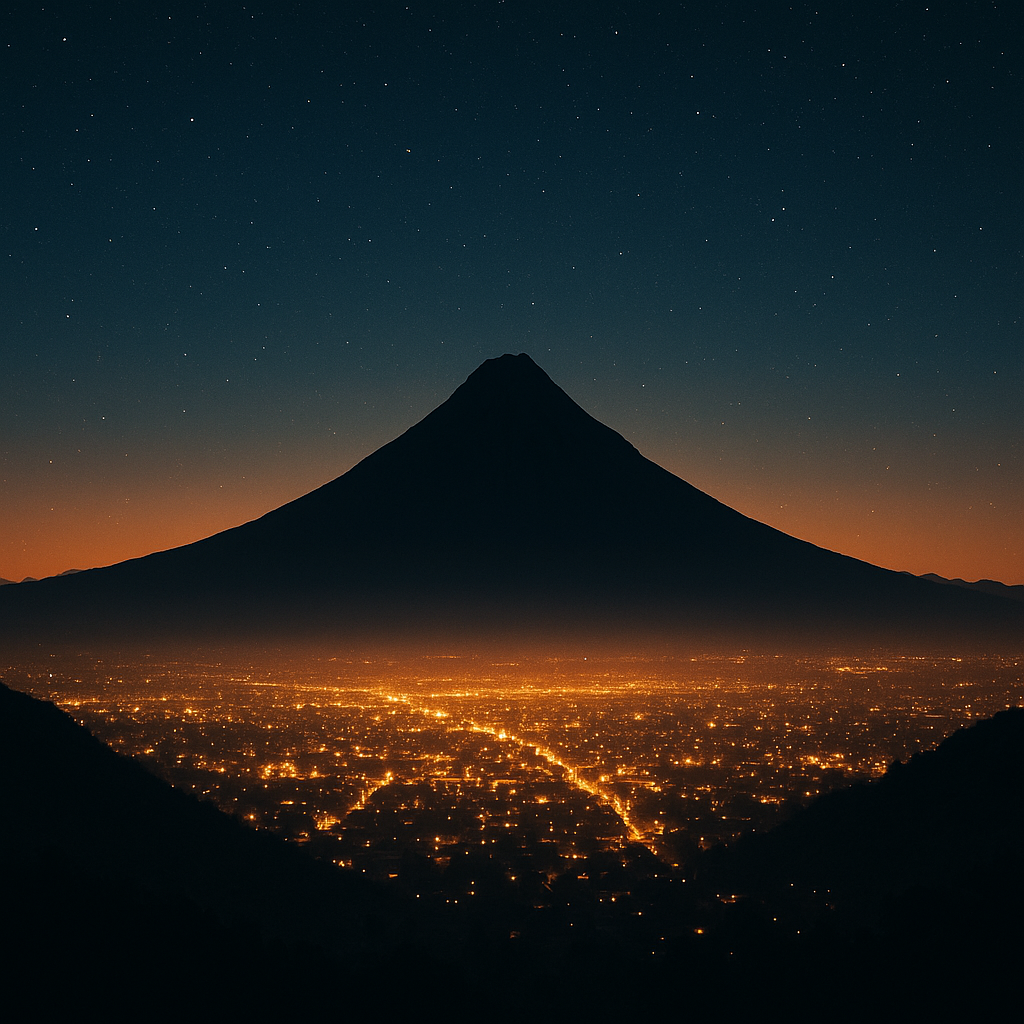
Three women are rescued from Table Mountain after dark, highlighting the dangers of unprepared night hiking and the efficiency of volunteer rescue teams.
Three friends eager for adventure found themselves stuck on Table Mountain after sunset, with no lights and a rapidly dropping temperature. They called for help, and a brave team of volunteer rescuers from Wilderness Search & Rescue quickly came to their aid. These heroes navigated the dark, chilly mountain, safely guiding the friends down with ropes and warm drinks. This dramatic rescue highlights the incredible dedication of those who keep hikers safe.
What happens when hikers are stranded on Table Mountain after dark?
When hikers are stranded on Table Mountain after dark, Wilderness Search & Rescue (WSAR) is activated. A team of volunteers, including technical climbers and medics, conducts a rescue mission, often involving a descent in darkness to locate and assist the hikers back to safety. The rescue is free of charge, as SANParks maintains a "free-entry, own-risk" policy.
Get Cape Town news in your inbox
Stay updated with the latest stories from the Mother City.
The Summit After Dark – A World Without Footprints
Long after the final cable car slips beneath the skyline, Table Mountain mutates into something lunar. The city’s glow crawls upward like molten brass, but the top is ruled only by stone, wind and the smell of fynbos that clings to the sandstone even in darkness. Three friends - Nora and Ingrid fresh off a Bergen winter, Astrid straight from Copenhagen’s cycling lanes - landed in Cape Town at dawn, dumped their backpacks in a hostel on New Church Street and declared, “Let’s climb it before jet-lag knows we’re here.” They had no plan to stay after dusk; they simply wanted a postcard selfie and the smugness of saying they’d “done Table Mountain” on day one.
Down-climbing, however, is a different sport. Colour vanished first, then depth, then confidence. Tafelberg Road’s headlights flickered like fireflies caught in a jar. At 18:52 the trio hugged a bush-covered knob unofficially dubbed Bush Ledge, 150 m below the upper cable station and 400 m above the road. They still had 60 % phone battery but zero lumens; their map was a screenshot pinched off Instagram. Sensible people, they chose to sit tight and dial for help rather than waltz into the void.
The Quiet Machine – How Volunteers Wake Up
Ingrid keyed 021 937 0300, an after-hours number that funnels straight into the Wilderness Search & Rescue joint ops room shared by Metro EMS, NSRI and a constellation of volunteers. The operator fired three questions: “See city lights? Standing on rock or vegetation? Hear traffic?” Their answers sketched a 9 m-radius bullseye on the rescue map. Dispatch logged at 19:06; WhatsApp pinned them tighter than a cork in a bottle.
Table Mountain’s rescue cogs never fully stop. Rock-climbing accountants, rope-access window-washers and off-duty ER nurses monitor a red-alert WhatsApp thread the way stockbrokers watch Bitcoin. Tuesday’s duty controller, Bronwen Robson - an emergency physician who spends her annual leave guiding in Nepal - opted for a “limited call-out.” Forecast rain at 22:00 meant helicopters would be grounded, so she hand-picked nine people: two technical climbers, two medics, five haulers. Meet-up 19:25 at the lower cable plaza, elevation 520 m, bring helmets and a sense of humour.
A security guard keyed open the service gate so the team could ride the maintenance car in darkness. Packs weighed 30 kg apiece: 60 m of 9 mm static line, three harnesses, splints, energy slabs and - curiously - a stainless thermos of rooibos rescuers swear prevents calf cramps. They reached the summit at 20:00, ducked through a maintenance gate and descended a scree gully that smells of damp sand and rust. Head-torches found the women at 20:07; Astrid’s teeth were tap-dancing with cold.
Rope, Rooibos and the City’s Glittering Circuit
Cold is sneaky on the plateau. Thermometers rarely dip below 8 °C, yet southeaster wind can triple the chill factor. Norwegians scoff at minus-twenty ski fields, but Cape Town dampness wriggles under zippers. Rescuers unfolded foil blankets that crackled like candy wrappers. A 30-second neuro exam - squeeze, push, wiggle - cleared spinal or ankle trauma. Then came the micro-lesson: “Toes point where you want, knees bend, trust the rubber.” They clipped into rope only where the path thinned to a paperback’s width.
Progress became meditation. One rescuer sandwiched each woman, counting cadence - one, two, three, four - until breath and boots synchronized. City lights shimmered like circuitry on a green board; a lone siren drifted upward, thin as fishing line. At 21:48 the group stepped onto the concrete service deck normally barred to tourists. Inside the steel waiting room someone produced a vending-machine haul of chocolate bars bought that afternoon; wrappers fluttered like stunned moths while the trio inhaled sugar and adrenaline.
Paperwork chased exhilaration. WSAR’s after-action form lists “Darkness / No torch” as the immobiliser, though managers lobby to rephrase it “Inadequate lighting” so blame feels less personal. The women signed waivers rejecting hospital detours, accepted a lift to the Backpack and tumbled into bunk beds by 01:15. Twelve hours earlier they had been buying SIM cards at the airport; now their ears still rang with wind and disbelief.
Footnotes, Fossils and Future Safeguards
Official ink never captures the night’s footnotes. Geology student Zaid pocketed a sandstone shard the size of a matchbox and later discovered Permian reptile tracks etched on its surface - tiny claws mid-scramble across an ancient dune. City air-quality sensors logged a 30-second lull in wind the exact moment boots hit the service deck, a sigh meteorologists call a “mountain breath.” At 22:10 two African black oystercatchers - rare on the Atlantic side - circled the safety lights, perhaps curious why humans still wandered their airspace after dark.
Tuesday’s incident becomes number 46 on India Venster since 2018, only the third night mission involving foreign hikers without lights. It spotlights a seasonal truth: post-equinox Cape Town sheds daylight at 1.6 minutes per evening - innocuous until your hike overruns by forty minutes. Veteran guides counter with “half-light rules”: if newspaper print blurs, be off the technical steps; if your shadow stretches longer than your arm, start the final descent. None of this appears on the official tri-fold map that costs R15 at the kiosk and devotes more space to fridge magnets than to failure.
SANParks keeps the mountain “free-entry, own-risk”; no permits, minimal signage, no invoice for rescue. Some lobby for a Norwegian-style “friluftslov” clause that bills hikers the R27 000-per-hour helicopter rate, yet rangers fear even a whisper of cost will delay the 911 call, turning sprained ankles into hypothermia statistics. Tech start-ups pitch bird-box-sized light beacons that auto-notify control rooms if a hiker hasn’t exited by civil dusk; privacy advocates bristle while insurers drool. In the meantime, outfitters rent 80-lumen head-torches for R50 - less than the cappuccino the trio gulped at 23:55 while their pulses still sprinted.
Back in Scandinavia Nora will paste the tale into “Jenter på tur,” a 43 000-member Facebook sorority. Someone will scold, “Didn’t you check sunset?” and she’ll reply with a newfound local idiom: “Even the antelope begs the mountain for light, but the mountain answers, ‘Bring your own.’” By 00:10 the cable car was locked again, its cables humming a low C in the southeaster. Somewhere below, a tortoise woke, lumbered across the path and paused - listening for footsteps already folded into urban legend.
What happens when hikers are stranded on Table Mountain after dark?
When hikers are stranded on Table Mountain after dark, Wilderness Search & Rescue (WSAR) is activated. A team of volunteers, including technical climbers and medics, conducts a rescue mission, often involving a descent in darkness to locate and assist the hikers back to safety. The rescue is free of charge, as SANParks maintains a "free-entry, own-risk" policy.
How are rescue operations initiated and managed on Table Mountain?
Rescue operations are initiated when hikers dial an after-hours number (like 021 937 0300) that funnels into the Wilderness Search & Rescue joint operations room. The operator gathers crucial information to pinpoint the hikers' location. A duty controller then hand-picks a specialized team of volunteers, including technical climbers, medics, and haulers, to conduct the rescue. Coordination happens rapidly, often via WhatsApp, and the team meets at a designated point like the lower cable plaza to begin the ascent.
Who are the volunteers of Wilderness Search & Rescue (WSAR)?
WSAR volunteers are dedicated individuals from various professions, such as rock-climbing accountants, rope-access window-washers, and off-duty ER nurses. They are on standby and respond to alerts, forming a cohesive team with specific skills like technical climbing and medical expertise to ensure safe and effective rescues on challenging terrain like Table Mountain.
What essential equipment and supplies do rescuers carry on a mission?
Rescuers carry substantial packs, weighing around 30 kg each, containing vital equipment. This includes 60 meters of 9mm static rope, multiple harnesses, splints for injuries, energy slabs for sustenance, and surprisingly, a stainless thermos of rooibos tea, which rescuers believe helps prevent calf cramps. They also use head-torches for navigating in the dark and foil blankets to combat the cold.
Is there a cost associated with being rescued on Table Mountain?
No, there is no cost associated with being rescued on Table Mountain. SANParks operates under a "free-entry, own-risk" policy, meaning hikers do not have to pay for rescue services. This policy aims to encourage people to call for help immediately without fear of financial penalties, preventing situations from worsening due to delayed calls.
What are some common reasons hikers get into trouble on Table Mountain after dark?
The most common reasons hikers get into trouble on Table Mountain after dark are inadequate lighting (no torch) and underestimating the speed at which daylight fades, especially after the equinox. Many hikers, particularly foreign visitors, are unaware that Cape Town loses daylight at about 1.6 minutes per evening, leading to unexpected darkness if their hike overruns by even a short period. Lack of proper planning and reliance on insufficient maps also contribute to these incidents.

A Russian-Spanish journalist and Cape Town native, channels his lifelong passion for South Africa into captivating stories for his local blog. With a diverse background and 50 years of rich experiences, Serjio's unique voice resonates with readers seeking to explore Cape Town's vibrant culture. His love for the city shines through in every piece, making Serjio the go-to source for the latest in South African adventures.
View all articles →