
Government boosts support for spaza shops with R500 million fund
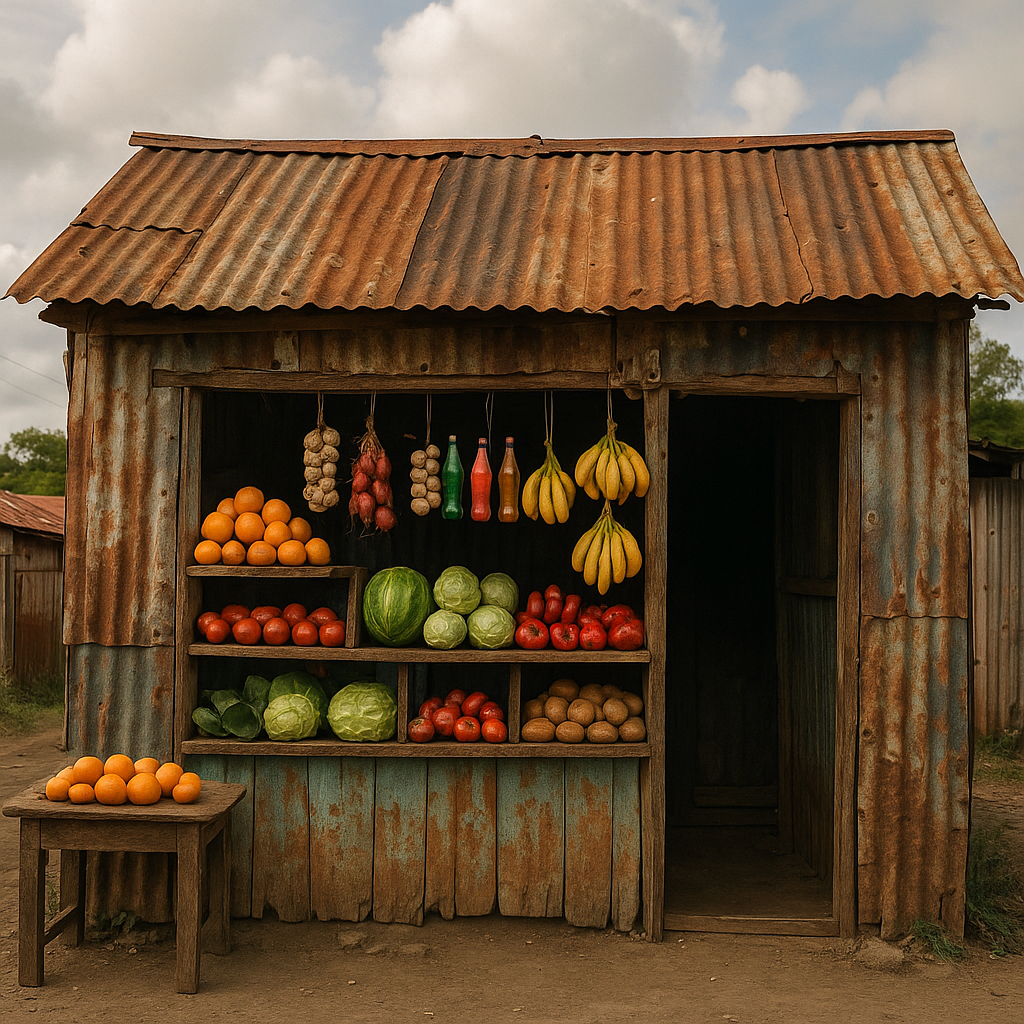
South Africa's spaza shops are transforming informal retail with a R500M support fund, boosting compliance, tech, and community impact.
South Africa is changing how small township shops, called spazas, do business. The government's R500 million National Spaza Fund gives money and loans to these vital stores. This helps them get better equipment, proper licenses, and even solar power, turning informal corner stores into thriving, modern businesses. It's making a big difference for local jobs and families, showing how a little help can create a lot of change.
What is South Africa's National Spaza Fund?
The National Spaza Fund is a South African government initiative, valued at R500 million, sourced from the Jobs Fund and Expanded Public Works. It provides grants and soft loans to township micro-stores (spazas) to formalize their operations, improve infrastructure, and boost local economies by offering financial assistance for inventory, equipment, and technology.
Get Cape Town news in your inbox
Stay updated with the latest stories from the Mother City.
1. Dawn in the Townships: The Invisible R200 Million a Week
The sun is only half-up when the kettles hiss and the shutters clatter along Vilakazi Street, Mzimhlophe Road or any other tar ribbon that slices through Soweto, Gugulethu or Umlazi. Beneath the corrugated roofs and repurposed shipping crates, what the spreadsheets stubbornly refuse to count is already in full swing. Every Monday-to-Sunday these micro stores - some no bigger than a single-car garage - turn over roughly R200 million. Bread by the loaf, paraffin by the cup, single sticks of cigarettes, data bundles and the occasional six-pack of Castle Milk Stout change hands before the first minibus has filled.
Behind each till stands a teenager or a grandparent, sometimes both. Together they have become the township’s quietest giant: the single largest source of first-time employment for people under thirty and the first line of food security for households that rarely get past the security gate of a supermarket. Yet the state’s ledger still lists them as “informal”, which means they cannot open a business account, cannot apply for overdrafts and, at census time, simply vanish.
They are trapped in more than paperwork. Municipal by-laws written for street hawkers, zoning rules drafted for suburban houses, health permits designed for gleaming malls, and waste contracts priced for big brands overlap to create a maze most owners enter with nothing more than a padlock key and a prayer. The freshly minted Consumer Protection Act now also expects a digital point-of-sale device, Wi-Fi and a quarterly audit trail. In short, the country needs these stores to function like Pick n Pay while pretending they do not exist.
2. Half a Billion Rand on the Move: Anatomy of the National Spaza Fund
2.1 Where the Money Comes From and Where It Lands
Treasury did not print new cash. Instead it prised open the Jobs Fund and the Expanded Public Works kitty, scraped together R500 million and parked it with two delivery partners. SEDFA, headquartered in Centurion but running pop-up “deal rooms” inside SALGA district offices, takes care of the grants. The National Empowerment Fund (NEF) blends the same pot with soft loans.
2.2 Points, Not Paper
Forget long essays. A would-be beneficiary must score at least 75 out of 100 points across four weighted buckets: township impact (35%), growth potential (25%), compliance track record (20%) and transformation credentials (20%). Hit the mark and the system unlocks up to R150 000 in one go, but the cash is earmarked for a menu of pre-approved assets: inventory sourced only from vetted wholesalers, fridges, steel shelving, burglar bars, solar lights and 4G-ready POS tablets built by two black-women-owned tech firms.
2.3 Milestone Triggers
The disbursement is strictly choreographed. Once the contract is signed, 40 % hits the bank within 48 hours. SEDFA then dispatches a field officer to confirm that the branding colours match the guidelines and the floor is clean. Pass that test and another 30 % is unlocked. The final 30 % is released only after three consecutive months of trading data have been uploaded via the subsidised POS device. Those uploads feed an algorithm that flags early signs of over-trading or cash-flow distress, preventing defaults before they snowball.
3. The 58 % Wall: Red-Tape or Reinforced Concrete?
3.1 Numbers That Do Not Add Up
Early audits reveal the choke point. Of 4 522 applications submitted by mid-2026, only 2 623 owners could produce a valid municipal business licence. In Ekurhuleni alone, 612 hopefuls stalled because their plot still appears on the 1950s zoning map as a single dwelling. Buffalo City counted 248 shops with health certificates that expired during the pandemic lull.
3.2 The Unseen Gender Penalty
Two-thirds of all spazas run by women operate from backyard rooms that cannot legally trade. Rezoning requires adverts in the Government Gazette (R2 000 out of pocket) and neighbour consent letters that may take months to collect. While owners wait, wholesalers refuse to deliver and banks refuse to open accounts.
3.3 A Permit Within Ninety Days
The Department of Small Business Development has drafted “Phakama Spaza”, a three-wave rescue mission. Wave one sees Ndebele-painted caravans parked at taxi ranks, manned by municipal inspectors and SARS officials who issue a XXX-bar-coded 90-day provisional permit on the spot. Owners walk away with proof of registration and a compliance checklist taped to the door.
4. From Grant to Grocery: The Supply-Chain Domino Effect
4.1 Who Wins the Shelf Space
Seventy cents of every grant rand must be spent inside a sanctioned supplier directory. Rea Vaya Cold Chain, a Soweto start-up run by two mechanical engineers, has already shipped 1 800 low-wattage freezers. Ukhamba Logistics, a KwaZulu-Natal women’s co-operative, bought three 5-ton trucks and now runs overnight bread-and-milk circuits to rural Nkandla and UMlalazi. Yoco and Kazang tablets come pre-loaded with “stock-credit”: draw down R500 instantly, repay in 21 days at zero interest, underwritten by the Jobs Fund if the shop goes bust.
4.2 Townships Become Data Farms
SEDFA strips and anonymises every POS upload and packages the results as “financial diaries”. Lindiwe from Diepkloof used R125 000 across six months; weekly sales climbed from R11 200 to R16 800 after she switched from single sticks to sealed cartons. Gross margin rose from 26 % to 34 % and she hired a second helper by week nine. The numbers feed UCT’s Development Policy Research Unit, which is stress-testing grant-loan blends for the rest of the continent.
4.3 The 5 % Tourist Discount
Weekend bicycle tours now pedal through Gugulethu on guided “spaza crawls”, sampling kota sandwiches and house-brand ginger beer. Participating owners receive a digital badge that shaves 5 % off POS transaction fees and shows up on Airbnb’s Social Impact listings.
5. Green Shelves, Safe Shelves: Sustainability and Security on a Shoestring
5.1 Solar Micro-Grids and Shrinking Eskom Bills
New May-2026 regulations insist that any fridge chilling meat or milk must plug into solar power or a licensed micro-grid. Shops that already qualified for the main grant receive an extra R20 000 top-up paid straight to accredited installers. Early birds in Philippi are reporting electricity bills down by 40 % and enough spare juice to run Wi-Fi hot-spots after hours.
5.2 Cameras, Couriers and Cover
Cash-heavy stores make easy targets. Each beneficiary must install HD night-vision cameras linked to township-run control rooms staffed by unemployed graduates. A Guardrisk insurance wrapper covers cash-in-transit losses up to R50 000 per incident; the premium is 40 % subsidised, the rest auto-deducted at under R7 per R1 000 of declared turnover.
5.3 Peers Teaching Peers
Orlando West’s top performers have been seconded as mentors to rookies in eMalahleni. Mentors earn R1 500 a month plus 1 % of mentee POS turnover capped for a year. Lesson plans cover shelf psychology, supplier haggling and how to defuse queue rage. Mentees’ revenue is already tracking 19 % above a control sample.
What is the National Spaza Fund?
The National Spaza Fund is a South African government initiative, valued at R500 million, sourced from the Jobs Fund and Expanded Public Works. It provides grants and soft loans to township micro-stores (spazas) to formalize their operations, improve infrastructure, and boost local economies by offering financial assistance for inventory, equipment, and technology.
How much economic activity do spaza shops generate?
Spaza shops, despite often being informal, collectively generate approximately R200 million every week. These micro-stores are crucial for local economies, providing essential goods and services like bread, paraffin, data bundles, and cigarettes, particularly in townships, and serve as a significant source of first-time employment for young people.
Where does the funding for the National Spaza Fund come from and how is it allocated?
The R500 million for the National Spaza Fund is drawn from the existing Jobs Fund and the Expanded Public Works program. SEDFA manages the grants, while the National Empowerment Fund (NEF) provides soft loans. Beneficiaries can receive up to R150,000, which is specifically earmarked for pre-approved assets such as inventory from vetted wholesalers, fridges, shelving, burglar bars, solar lights, and 4G-ready point-of-sale (POS) tablets.
What are the main challenges spaza shop owners face in formalizing their businesses?
Spaza owners encounter significant hurdles, including outdated municipal by-laws, zoning regulations, and health permits designed for larger businesses. A major challenge is obtaining valid municipal business licenses, with many applications being rejected due to issues like incorrect zoning or expired health certificates. Additionally, women-owned spazas often operate from unapproved backyard rooms, making formalization difficult and costly due to rezoning requirements.
How does the National Spaza Fund ensure accountability and stimulate economic growth?
The fund employs a rigorous disbursement process tied to milestones. An initial 40% is released after contract signing, followed by 30% upon verification of compliance and branding by a field officer. The final 30% is released only after three months of trading data are uploaded via the subsidized POS device. This data is then used to track performance, identify potential issues, and inform policy, with purchases from sanctioned local suppliers further stimulating the local economy.
What initiatives are in place to address red tape and promote sustainability and security for spaza shops?
To tackle red tape, the Department of Small Business Development introduced "Phakama Spaza," which provides 90-day provisional permits on the spot at mobile service points. For sustainability, new regulations mandate solar power for fridges, with a R20,000 top-up for qualifying shops. Security is enhanced through mandatory HD night-vision cameras linked to township control rooms and subsidized insurance for cash-in-transit losses. Additionally, a mentorship program connects experienced spaza owners with new ones to foster growth and knowledge sharing.

Lerato Mokena is a Cape Town-based journalist who covers the city’s vibrant arts and culture scene with a focus on emerging voices from Khayelitsha to the Bo-Kaap. Born and raised at the foot of Table Mountain, she brings an insider’s eye to how creativity shapes—and is shaped by—South Africa’s complex social landscape. When she’s not chasing stories, Lerato can be found surfing Muizenberg’s gentle waves or debating politics over rooibos in her grandmother’s Gugulethu kitchen.
View all articles →