
Hidden Gems: Quick Cape Town adventures you’re probably overlooking
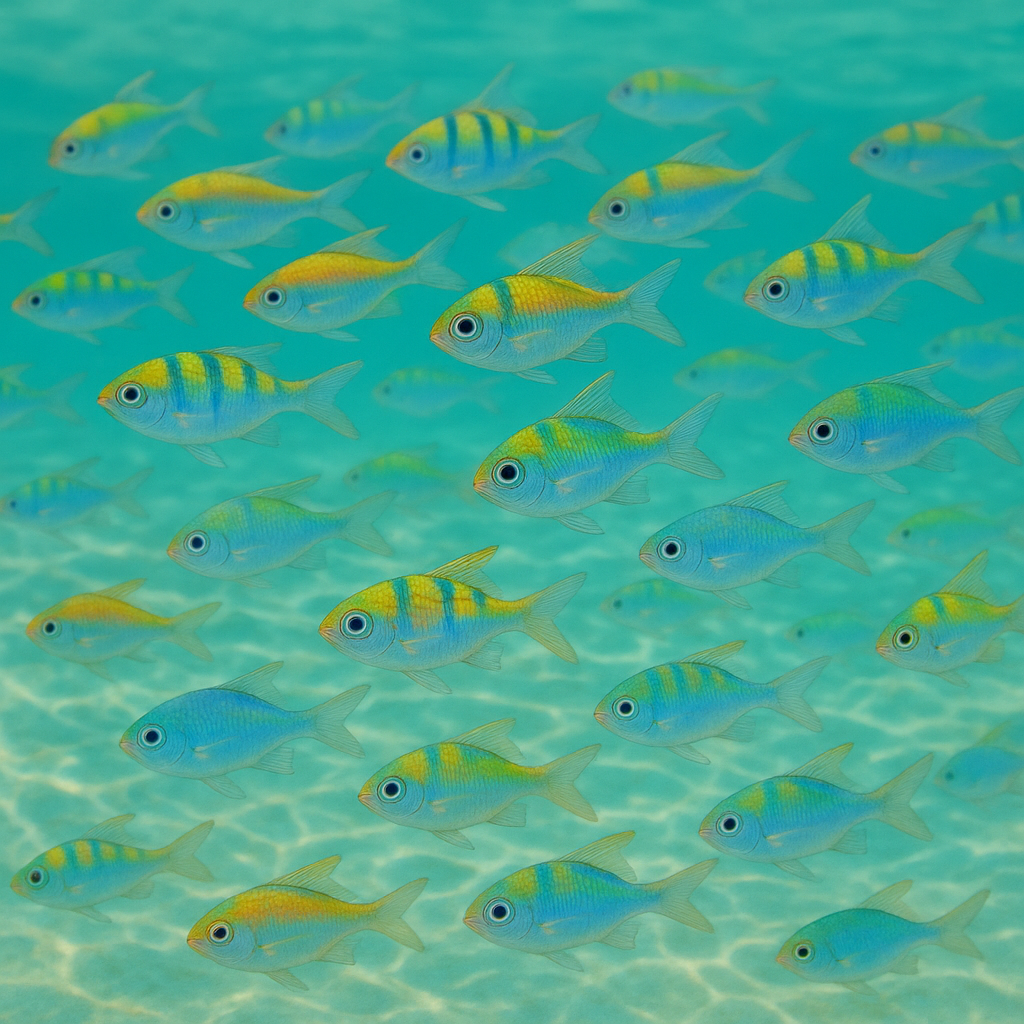
Discover Kraalbaai's turquoise nursery, Stony Point's penguins, Cecilia Forest's fynbos, Buffels Bay's ostriches, and more Cape secrets.
The Cape region is a secret treasure chest of natural wonders! Imagine kayaking in a super shallow lagoon where baby fish play, or seeing African penguins waddle on ancient rocks. You can wander through a forest with shimmering silver trees and even spot rare, quirky frogs. Picture ostriches striding majestically on a beach, and waterfalls that put on a dazzling show with each season. Each spot is a breathtaking adventure waiting to be discovered!
What are some unique natural attractions to explore in the Cape region?
The Cape region offers diverse natural wonders, including Kraalbaai's shallow lagoon perfect for kayaking, Stony Point's ancient granite hosting African penguins, Cecilia Forest with its silver trees and rare Cape rain frogs, Buffels Bay where ostriches roam the beach, and Harold Porter's seasonal waterfalls. Each location provides a distinctive and captivating experience.
Get Cape Town news in your inbox
Stay updated with the latest stories from the Mother City.
Kraalbaai – The Lagoon That Forgot the Ocean
Ninety minutes up the R27 the tar stops apologising for the farmland and flings you into a mirage of blues. Kraalbaai is not a beach; it is a giant, knee-deep saucer of sea-water that the Atlantic never quite manages to swallow. Southern Ocean liquid sneaks in through Saldanha’s narrow throat, seasoning the lagoon to just shy of open-sea salinity and turning the bowl into a creche for baby galjoen, strepie and white stumpnose.
Push your kayak off the powder-shell sand and the colour beneath you switches from jade windowpane to cobalt ink in one stroke. Calcium-carbonate grit and the Postberg’s pale granite play the optical trick. When the spring tide pulls out, the water can desert almost 200 m of rippled sandflat where curlew sandpipers and knot sprint in perfect choreography. Between August and October the neighbouring West Coast National Park becomes paint-box mad: orange lachenalias, magenta vygies and ivory Ornithogalum candles pop up so fast that rangers swear you can hear the soil crackle. Pack a mask, not a novel - shallow means crystal, and spotted puffadder-shysharks curl under your paddle like sleepy leopards.
Local hack: hit spring low, walk fifteen minutes south to the pocket cove nicknamed “Little Kraal”, then park your inflatable cushion in the natural channel that refills on the flood. You’ll sun-float a kilometre back to your car on a warm, waist-deep conveyor.
Stony Point – Penguins on Ancient Scaffolding
Betty’s Bay’s dead-end cul-de-sac reeks of kelp and guano. Here Spheniscus demersus, the only penguin still breeding on Africa’s mainland, squats on 600-million-year-old granite blocks that once built the local sea wall. Feral cats and oil slicks booted them from Dyer Island in 1982; today 3 000 pairs cram the fissures, sounding like a tone-deaf brass rehearsal.
Below the boardwalk, rock hyraxes - dassies - sun themselves, the elephant’s living next-of-kin, a fact that still melts first-timers’ brains. Out in the foam, African black oystercatchers yank black mussels that can clam-up for twenty days and simply wait for rain. Arrive right after a westerly gale: the Benguela upwelling hoses cold, nutrient-rich water ashore and the birds haul out en masse, their tuxedos glowing with planktonic glitter. Bring a wind-shell; the same upwelling that feeds them can file human skin in minutes.
Cecilia Forest – Where Silver Ghosts Guard the Ravine
Most visitors head for Constantia’s wine, yet the green belt hides a 3.7 km contour that begins beneath 1890s pine gums planted to feed the mines. Five hundred metres in, exotics give way to a south-facing gulch where Leucadendron argenteum - silver tree ghosts - flash like polished shields. Their seeds carry a waxy fuse that ruptures at 70 °C, a botanical stopwatch calibrated to the Peninsula’s fifteen-year fire rhythm.
Indigenous yellowwoods fling buttress roots across the track, their bark wearing beards of old-man’s-beard lichen that sip moisture straight from the southeaster. Under a leaf, the Cape rain frog - a marzipan-smelling dumpling that cannot swim - puffs, jams itself between stones and glues predators to the spot. Hike on a May weekday after the first front; the jack-o-lantern mushroom lights the forest floor with a green, twenty-minute glow once your eyes surrender to the dark.
Buffels Bay – Ostriches Surf the Atlantic Edge
Drive past the famous signboard and the Cape of Good Hope still has one card left. Buffels Bay curves like a rust-stained scythe, its quartzite bones 600 million years in the making. A 1950s wall traps a tidal pool big enough for two rugby pitches; inside, pink coralline algae look colour-corrected while octopus pour like liquid chrome and klipvis rewrite their gender politics according to who’s boss that week.
Beyond the high-tide wrack, fynbos packs more endemics per square metre than most countries manage nationwide. Late light brings the curtain-call: a cobalt-necked male ostrich storms the beach at 60 km/h while six-metre plumes of spray detonate behind him - one of the planet’s strangest biome mash-ups. Shuffle your feet; African oystercatchers lay eggs that masquerade as water-smoothed pebbles.
Harold Porter – Waterfalls that Change Costume with the Moon
Sandwiched between the R44 and the Kogelberg, Harold Porter Garden is really 200 ha of unfiltered UNESCO biosphere. Six perennial seeps feed a waterfall that performs three seasonal costume changes. Late autumn: a single 20 m ribbon spills into a black mirror where ruby redfin minnows hang like suspended jewels. Early spring: Erica verticillata - saved from extinction by Kew cuttings - paints the cascade cerise so the water seems to run through fire. Late spring: red-hot pokers fire orange nectar that draws the orange-breasted sunbird, whose throat refracts the colour so violently that cameras give up and underexpose.
Behind the gate, a permit-only gorge slices 300 m through Table Mountain Sandstone twisted into an S-curve by Gondwana’s 280-million-year-old fender-bender. Todea, Culcita and Cyathea ferns - southern and tropical housemates - cling to the cliff, a refugium that outwitted every ice age. Come after dusk: pygmy mice, each lighter than a teaspoon of sugar, tight-rope grass blades to harvest cliff-dwelling ants.
Cape Point Vineyards – When Granite Dreams of the Sea
Four kilometres north-east of Buffels Bay, a north-facing granite slope catches maritime breezes that once cooled dinosaurs. Sauvignon blanc roots dive into 240-million-year-old beach sand lifted 200 m above modern sea level by tectonic bulldozers. Gas chromatographs prove the finished wine carries a kelp-iodine whisper, the only vineyard on Earth whose terroir tastes like low tide. Arrive for sunset: on cloudless evenings the lamp at Cape Point centres inside the solar disc for fourteen seconds of green-flash theatre, marrying geology, grape and retina in one gulp.
Kalk Bay Reef & Silvermine – Two Micro-Worlds at the City’s Edge
Five minutes south of St James, a stairway squeezed between Victorian bathing huts drops to a kiddie pool with a secret. A volcanic dyke 30 cm beneath the surface creates a natural amphitheatre fed by daily upwellings five degrees colder than the surrounding sea. Soft coral Alcyonium fauri - normally a 15-metre specialist - blooms here in coffee-table-depth water. Pajama sharks nap in cavelets like striped socks while comb jellies turn head-torch beams into mobile rainbows. Enter before 07:00 when southeasterly backwash is asleep; exit by 09:30 before westerly swells bang the gate.
After winter cloudbursts, Silvermine’s reservoir breaches its sand-clay dam and carves a temporary 1 km albino gorge across the plateau. The bed sings - each footstep squeaks at 1.2 kHz, the exact pitch of a Cape white-eye’s call, so the bird answers your boots like a long-lost twin. The “singing sand” comes from perfectly rounded, same-size grains of 540-million-year-old quartz: Table Mountain Sandstone ground to glassy maracas. Walk at dawn while the sand is still damp and the mountain will talk back.
[{"question": "What unique natural attractions can I discover in the Cape region?", "answer": "The Cape region is brimming with diverse natural wonders! You can explore Kraalbaai's shallow lagoon, perfect for kayaking and spotting baby fish. Stony Point offers the chance to see African penguins waddling on ancient granite rocks. Cecilia Forest boasts shimmering silver trees and the rare Cape rain frog. At Buffels Bay, you might witness ostriches majestically striding on the beach, and Harold Porter showcases stunning seasonal waterfalls. Each location promises a distinctive and captivating experience."}, {"question": "What makes Kraalbaai a special destination for kayaking and marine life?", "answer": "Kraalbaai is a unique, knee-deep lagoon where the Atlantic subtly influences its salinity, creating a natural nursery for baby fish like galjoen, strepie, and white stumpnose. The water shifts from jade to cobalt, an optical trick played by calcium-carbonate grit and pale granite. It's ideal for kayaking, and with a mask, you can spot spotted puffadder-shysharks. During spring low tide, a local hack involves floating a kilometer back to your car on a warm, waist-deep conveyor belt in a natural channel. Between August and October, the neighboring West Coast National Park explodes with wildflowers."}, {"question": "Where can I see African penguins and other wildlife in the Cape?", "answer": "Stony Point in Betty's Bay is a prime location to observe African penguins, the only penguin species still breeding on Africa's mainland. They reside on 600-million-year-old granite blocks. Below the boardwalk, you'll find rock hyraxes (dassies) basking in the sun. African black oystercatchers can also be seen foraging for mussels. Arriving after a westerly gale offers the best chance to see a large number of birds as the Benguela upwelling brings nutrient-rich waters ashore."}, {"question": "What are the unique features of Cecilia Forest and its inhabitants?", "answer": "Cecilia Forest, hidden within Constantia's green belt, features a gulch where 'silver tree ghosts' (Leucadendron argenteum) flash like polished shields. These trees have seeds with a waxy fuse that ruptures at 70°C, tied to the Peninsula's fifteen-year fire rhythm. Indigenous yellowwoods with lichen-bearded roots line the tracks. The forest is also home to the Cape rain frog, a marzipan-smelling amphibian that cannot swim. Visitors in May after the first front might even spot the jack-o-lantern mushroom, which glows green in the dark."}, {"question": "Can I see ostriches on the beach in the Cape, and are there other interesting marine creatures?", "answer": "Yes, at Buffels Bay, located near the Cape of Good Hope, you can witness the extraordinary sight of ostriches storming the beach at speeds up to 60 km/h, creating dramatic plumes of spray. This area also features a 1950s tidal pool where pink coralline algae thrive, octopus pour like liquid chrome, and klipvis exhibit fascinating gender shifts. African oystercatchers lay eggs that cleverly camouflage as water-smoothed pebbles, so shuffling your feet is advised. The fynbos here is exceptionally biodiverse."}, {"question": "What makes Harold Porter Garden's waterfalls and surrounding gorge so distinctive?", "answer": "Harold Porter Garden, nestled between the R44 and the Kogelberg, is a UNESCO biosphere with a waterfall that undergoes three seasonal transformations. In late autumn, a ribbon of water spills into a black mirror where ruby redfin minnows gleam. Early spring sees Erica verticillata painting the cascade cerise. Late spring brings red-hot pokers, attracting orange-breasted sunbirds. Behind the gate, a permit-only gorge cuts through 280-million-year-old Table Mountain Sandstone, forming an S-curve. This refugium houses ancient ferns like Todea, Culcita, and Cyathea. After dusk, pygmy mice can be seen harvesting cliff-dwelling ants."}]

Lerato Mokena is a Cape Town-based journalist who covers the city’s vibrant arts and culture scene with a focus on emerging voices from Khayelitsha to the Bo-Kaap. Born and raised at the foot of Table Mountain, she brings an insider’s eye to how creativity shapes—and is shaped by—South Africa’s complex social landscape. When she’s not chasing stories, Lerato can be found surfing Muizenberg’s gentle waves or debating politics over rooibos in her grandmother’s Gugulethu kitchen.
View all articles →