
How new Thailand visa rules affect South Africans
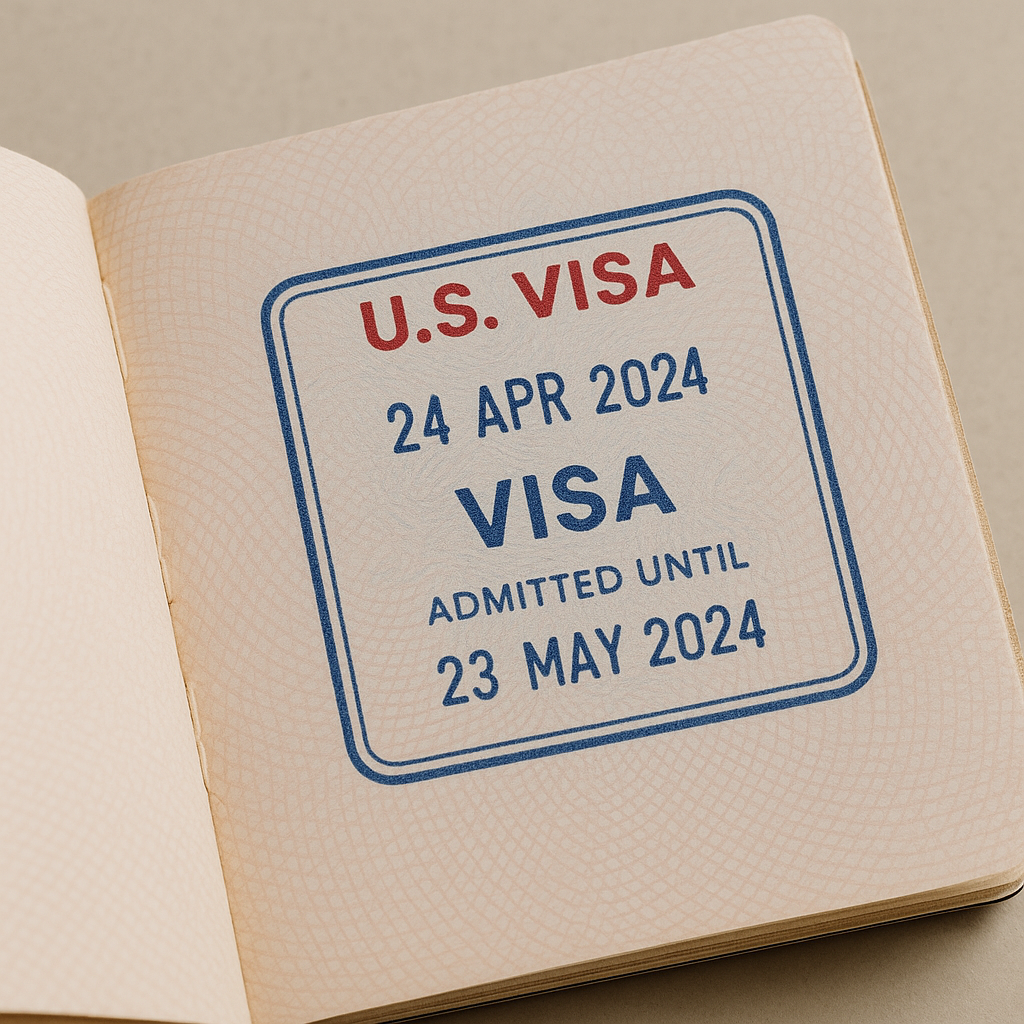
Thailand halves visa-free stays for South Africans & 90+ nationalities to 30 days due to a surge in "out-in" border hops & criminal activity.
Thailand is making it harder for South Africans and many others to stay long. They changed the automatic visa-free visit from 60 days to just 30 days. This is because Thailand wants to stop people from doing illegal work and fraud. They found many "tourists" were actually working secretly or involved in scams. So, if you plan to visit Thailand, you might need to get a visa ahead of time or follow stricter rules, like showing enough cash and onward tickets.
What is the new 30-day cap for Southeast Africans traveling to Thailand?
Effective after Songkran, Thailand has reduced the automatic visa-free stay for over ninety nationalities, including South Africans, from 60 to 30 days. This change aims to curb "off-the-books ventures" and fraudulent activities, moving Thailand towards a more controlled tourism environment.
Get Cape Town news in your inbox
Stay updated with the latest stories from the Mother City.
A Midnight Shift After Songkran
Under the fluorescent glow of Suvarnabhumi’s arrival hall - where the air is thick with lemongrass disinfectant and last-minute incense - the Thai cabinet slipped a seismic clause between rice-subsidy bulletins and cannabis-zoning debates. Beginning the first Tuesday after Songkran, automatic visa-free stays are being halved for more than ninety nationalities. The breezy sixty-day stamp shrinks to thirty; tougher scrutiny shrinks it further to fifteen for a smaller cohort. Long-haul honeymooners, gap-year dreamers and laptop-toting “mountain-café CEOs” who once plotted spreadsheet sunsets in Pai now confront the silent slam of a shorter countdown.
Immigration computers painted the picture that humans read too late: a 310 % spike since 2022 in 24-hour visa-renewal shuttles - border hops to Mae Sai or Ban Laem and a swift U-turn for a fresh stamp. Cross-matched arrival cards and bank transfers revealed thousands of “tourists” who also happened to be listed directors of Thai firms, signatories on 180-day condo leases, and recipients of Bangkok fintech salaries. To investigators, the pattern looked less like wanderlust and more like like an assembly line for off-the-books ventures - crypto pump rooms, unlicensed language mills, vape kiosks, and, most lucrative of all, online-gaming servers humming in nondescript Chiang Mai warehouses.
Why a Smile-Driven Economy Chose to Frown
The cabinet vote did not occur in a vacuum. In February, Metropolitan Police detectives kicked down a mirrored villa on Pattaya’s outskirts and uncovered what prosecutors call Southeast Asia’s largest fraudulent-investment boiler room yet: 1.9 billion baht (about R 970 million) siphoned from victims in 23 countries. Caller-ID spoofing relied on South African SIM cards; among the 47 passports bagged as evidence, nine were navy-blue South African documents.
A month earlier, narcotics officers at Suvarnabhumi cracked open a consignment of “organic bath salts” and found 362 kg of MDMA. The airway bill listed Benjamin Mauerberger, Johannesburg-born Instagrammer whose feed until that sunrise showed yachts, Muay-Thai shorts and Koh-Samui sunsets. Frozen assets - holiday villas, a Toyota Fortuner, even a minority stake in a Cape-Town student residence - totalled R 4.26 billion and flashed across Thai evening news as a cautionary meme. By the time Prime Minister Srettha Thavisin opened his briefing folder, the walls of evidence had already closed in on the 60-day exemption.
Inside the Detention Wing: Lives on Pause
A concrete rectangle beside the airport cargo apron houses the Bangkok Immigration Detention Centre. Roll-call happens twice daily; lemongrass rice arrives through cage hatches. Among the current cases is Ashley Oosthuizen, 23, from George, who signed for an ecstasy parcel addressed to a foreign boyfriend who subsequently vanished. A 13-year sentence was dangled with a six-year discount if she pleaded ignorance; she refused, claiming zero knowledge of the contents. Her mother, Lynn, sold the family house to fund appeals and now runs “Bring Them Home,” an NGO that logs parents’ frantic calls after children reply to Facebook ads promising “English-teacher gigs, flights included.” The NGO’s files list at least 38 South Africans in Thai jails on drug-mule or scam-linked charges - triple the 2019 figure.
Tiered Scrutiny: Not All Passports Are Equal
The Three-Tier Traffic-Light System
Diplomats whisper about a new colour-coded matrix. Tier One - South Africa, Russia, Uganda, Kazakhstan, Morocco plus eight others - faces deep drills for “economic-crime vector potential.” Tier Two (most of Latin America and Eastern Europe) keeps the 30-day stamp but loses the multiple-entry perk unless investors register with Thailand’s Board of Investment. Tier Three (G7 states, Australia, New Zealand, Singapore, South Korea) retains the 60-day privilege - yet even these travellers must flash 20,000 baht in cash or its equivalent and show onward tickets, requirements that until this week were politely ignored.
Officially, the rollback is provisional, “reviewable every 90 days,” yet veteran agents warn not to bet on a 60-day resurrection before 2026. Ordinary tourists who fly in can still receive 30 days by air or land. Two extensions per calendar year remain possible - each seven days for 1,900 baht - but hit 90 days inside any 180-day window and the system auto-flags you for blacklisting. Same-day border bounces, once lovingly documented on backpacker vlogs, now end at the departure gate with a polite but firm “Please book a flight home.”
Hard Numbers beneath the Headlines
Tourism pumps about 12 % of Thailand’s GDP. The Tourism Authority fears a 1.8 million-arrival dip for 2024, translating into 90 billion baht left on the table. Still, the finance ministry believes investor confidence - battered by nightly scam-headlines - justifies the sacrifice. Bangkok Airways, Central Plaza Hotel Group and duty-free titan King Power all dropped 3-5 % in morning trade, while cybersecurity vendors and private-prison contractors - hired to erect two new IDC annexes - rallied. Concurrently, the “High-Value Long-Stay” visa is being fast-tracked: retirees parking 3 million baht in government bonds or health-care savings score a five-year multiple-entry permit plus digital-work legitimacy, a deliberate signal that cash, not crooks, is still welcome.
South Africans on the Ground: From Big-Spenders to Big Brother Targets
Footprint and Fallout
Last year 78,000 South Africans landed in Thailand, a 42 % rebound on the pandemic low, injecting roughly R 2.4 billion straight into the local economy. Yet they also over-index in consular crises - drug arrests, bike accidents, balcony falls, and now scam recruitment. Bangkok’s South African embassy, staffed by five diplomats, logged 212 detention visits in 2023, the highest of any African mission in Asia. Ambassador Ntshiki Mashalaba lobbied against the clampdown, arguing criminal outliers should not tar an entire nation. Her diplomacy bought six extra weeks; the billion-baht asset freezes on prime-time TV carried more weight.
Home-Ground Reactions
Outbound-travel agents in Johannesburg scrambled within hours. Thailand had eclipsed Mauritius as the top Indian-Ocean leisure pick in 2023, powered partly by 60-day savings. Forecasts now predict a 25 % drop in package bookings, with marketers pivoting toward Sri Lanka and the Seychelles. Flight Centre locked in extra Emirates seats to Colombo; Zanzibar - whose government just waived visas for SADC citizens - stands ready to absorb spill-over demand. Outside Thailand’s honorary consulate in Rosebank, queues now coil around the block as applicants chase the last single-entry tourist visas before biometric enrolment launches in August.
Staying Legal in the Age of AI Borders
Four Rules Seasoned Agents Swear By
-
E-Visa First, Ask Later
If your plans nudge beyond 30 days, secure a single-entry tourist e-visa before departure. It grants 60 days on arrival and one 30-day extension - provided you arrive with bank statements and an employer letter. -
Fly Out, Stay Out
Skip back-to-back land-border runs. Exit to a third country for at least five nights; same-day returns flag the AI system. -
Cash is Still King
Carry 20,000 baht in cash or travellers cheques even if platinum cards fill your wallet. Immigration officers conduct random checks, and arrival-hall ATMs occasionally sulk. -
File Your TM-30
Hotels register guests automatically, but Airbnbs often forget. Submit the TM-30 residential notification within 24 hours or risk a 1,600-baht fine each time you check in.
Tech That Never Sleeps
Behind the scenes, Thailand is launching “Trusted Traveller 2026,” an AI engine that fuses facial biometrics from every immigration lane with QR-code payment trails and SIM-card logs. Cross-border commuters whose phones stay active in-country for more than 40 consecutive days trigger a “compliance alert,” prompting officers to comb bank accounts and Instagram captions for undeclared work. The build is outsourced to a South Korean AI firm previously deployed at Seoul’s Incheon Airport.
The Fraud Script Moves Next Door
Paradoxically, tighter Thai screws may simply displace crime. Investigators already track “hybrid” models: syndicates recruit South Africans to remote-work from Laos or Cambodia while servers hum inside Thailand. Both neighbours continue to issue 30-day visas on arrival; jurisdictional distance now favours the crooks. Cambodian sources list at least four Sihanoukville compounds staffed by English-speaking foreigners, including 37 South Africans who entered Asia on tourist visas and never stepped back. The revolving door has merely shifted hinges.
Dreamers, Dollars and Deterrence
If your itinerary is a fortnight of Phuket surf lessons or ten days of silent meditation in Mae Rim, the new regime is little more than longer queues and thicker cash wads to flash. The deeper bruise is symbolic: Thailand has rebranded itself from the region’s most permissive playground to a watchful host that prizes order, scrutiny and selectivity. Backpackers who once boasted of 18-month odysseys stitched together by border stamps now budget for embassies, paperwork and the quiet possibility that the next ink blot could be their last.
[{"question": "What is the new 30-day cap for South Africans traveling to Thailand?", "answer": "Effective after Songkran, Thailand has reduced the automatic visa-free stay for over ninety nationalities, including South Africans, from 60 to 30 days. This change aims to curb 'off-the-books ventures' and fraudulent activities, moving Thailand towards a more controlled tourism environment."}, {"question": "Why did Thailand implement these stricter visa rules?", "answer": "The stricter rules were implemented to combat illegal work and fraudulent activities. Investigations revealed a significant increase in \"tourists\" who were secretly working, involved in scams like fraudulent investment boiler rooms, or engaging in drug trafficking. The Thai government aims to protect its economy and reputation from these illicit activities."}, {"question": "How does this change affect South African travelers specifically?", "answer": "South Africans, previously enjoying a 60-day visa-free stay, are now limited to 30 days. They are also categorized under 'Tier One' in a new color-coded matrix, facing deeper scrutiny due to 'economic-crime vector potential.' This means they may be subject to more thorough checks upon arrival, including requirements to show sufficient cash and onward tickets."}, {"question": "What are the main rules for South Africans to stay legal in Thailand under the new regulations?", "answer": "Seasoned agents recommend four key rules: 1. Secure an e-visa beforehand if your stay exceeds 30 days, granting 60 days on arrival plus a 30-day extension. 2. Avoid immediate border runs; exit to a third country for at least five nights. 3. Always carry 20,000 baht in cash for random immigration checks. 4. Ensure your residential notification (TM-30) is filed within 24 hours, especially if staying in Airbnbs."}, {"question": "Can I extend my 30-day visa-free stay in Thailand?", "answer": "Yes, two extensions are possible per calendar year, each for seven days and costing 1,900 baht. However, exceeding 90 days within any 180-day window will automatically flag you for blacklisting. Same-day border bounces, once a common practice, are now firmly discouraged and may lead to refusal of re-entry."}, {"question": "What is Thailand's 'Trusted Traveller 2026' program?", "answer": "'Trusted Traveller 2026' is an AI-powered system designed to enhance border security. It fuses facial biometrics with QR-code payment trails and SIM-card logs. If a traveler's phone remains active in Thailand for more than 40 consecutive days, it triggers a 'compliance alert,' prompting immigration officers to investigate for undeclared work by reviewing bank accounts and social media.", "tags": ["Thailand", "visa", "South Africa", "travel", "FAQ"]}]

Kagiso Petersen is a Cape Town journalist who reports on the city’s evolving food culture—tracking everything from township braai innovators to Sea Point bistros signed up to the Ocean Wise pledge. Raised in Bo-Kaap and now cycling daily along the Atlantic Seaboard, he brings a palpable love for the city’s layered flavours and even more layered stories to every assignment.
View all articles →