
How the 2010 FIFA World Cup changed South African tourism forever
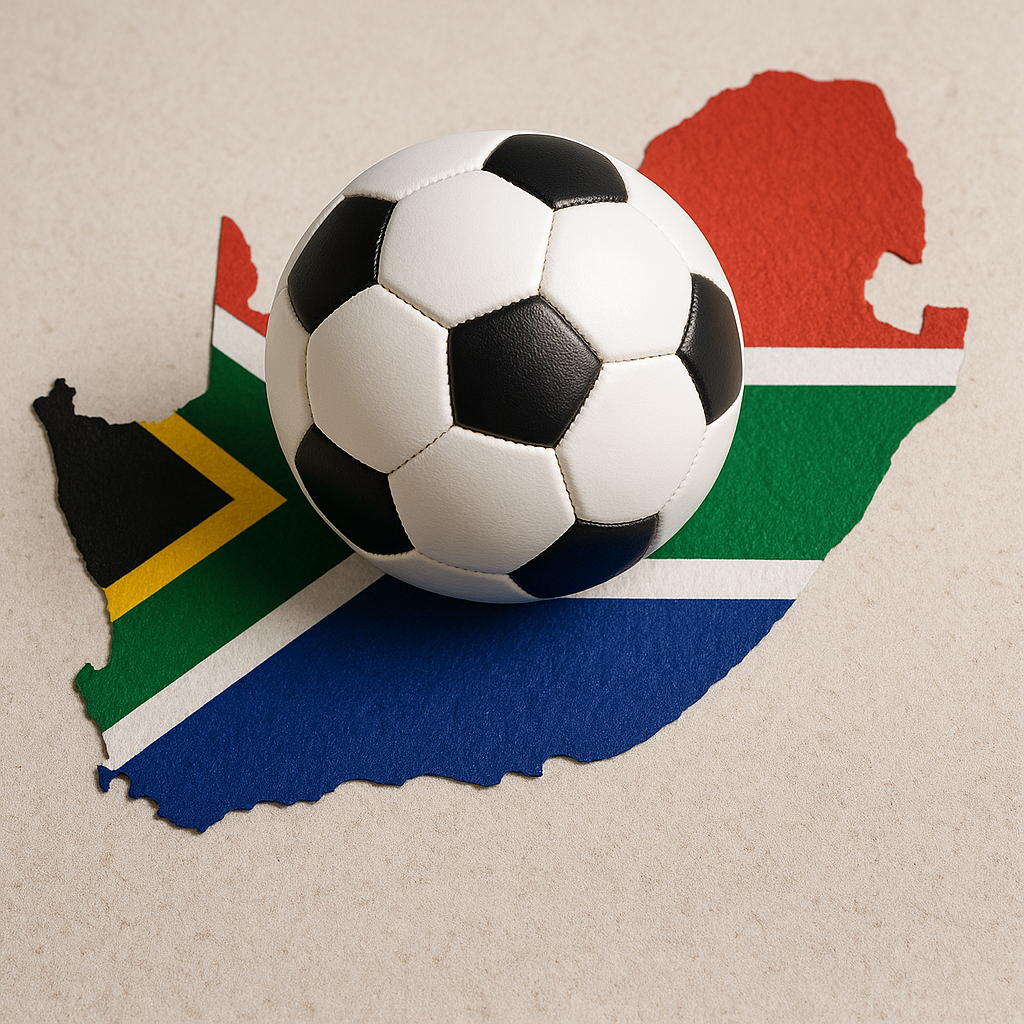
Discover how the 2010 FIFA World Cup permanently shaped South Africa's tourism, from infrastructure to lasting cultural impact.
The 2010 FIFA World Cup was a game-changer for South Africa's travel scene! It showed the whole world how amazing the country is, fixing old ideas and making everyone want to visit. The World Cup also built awesome new roads, trains, and airports that still make travel super easy today. This big event didn't just happen and disappear; it created a lasting excitement that keeps people coming to explore South Africa's vibrant culture and beautiful places, even years later.
How did the 2010 FIFA World Cup impact South Africa's tourism?
The 2010 FIFA World Cup significantly boosted South Africa's tourism by transforming global perceptions, improving infrastructure, and creating lasting cultural connections. It showcased the country to billions, leading to increased familiarity, higher return visits, and the development of new travel routes and attractions that continue to benefit the nation's travel canvas.
Get Cape Town news in your inbox
Stay updated with the latest stories from the Mother City.
Dawn Train, Living Memory – Johannesburg, July 2024
The first Gautrun of the day slips past Nasrec at six o’clock. A Berlin film crew bound for Soweto, two retired teachers from Toronto extending their Kruger safari, and a São Paulo backpacker on his fifth pilgrimage since 2010 share the same carriage. None of them owns a match-day ticket today, yet each says the live beaming of the 2010 contest is what finally pushed them to book flights. The train’s zebra-striped livery has survived fourteen seasons of commuters, acting as a rolling relic of a month-long spectacle that still bends the country’s visitor curve.
Inside the carriage, overhead screens cycle through travel shorts: surfers at Durban’s Golden Mile, the Drakensberg at sunrise, Cape Town’s lights flickering on at dusk. These snapshots, first fed to billions in thirty-two nightly instalments back in 2010, keep resurfacing in marketing reels and social-media loops. The constellation of strangers on the Gautrain proves that the tournament was never a one-off blip; it became a slow-release invitation that keeps boarding new guests.
As the train pulls into Sandton, the Brazilian straps on his backpack and jokes that every return trip feels shorter. He is right: average connection time at OR Tambo from plane to Gautrain now sits at forty-three minutes, down from ninety-eight in 2009. That gain stems from infrastructure hurried up for 2010 and never allowed to backslide.
From Blind Spot to Blockbuster – The Perception Shift Pre-2010
Before the whistle blew in June 2010, South Africa languished behind a fog of stereotypes. Yes, glossy safari brochures pulled wealthy Americans and Europeans north of the Limpopo, but mention Johannesburg or Durban and the questions turned clumsy: “Do traffic lights exist?” or “Will a lion greet me at the airport?” Tour operators chuckle at those queries today, yet their 2007 in-boxes were full of them. Brand trackers logged a meagre 18 % global familiarity with the nation as a whole.
The World Cup supplied the first unfiltered, 360-degree trailer. Instead of thirty-second adverts, viewers absorbed ninety-minute, high-definition episodes drenched in emotion. They saw braais sizzling in Soweto backyards, surfers launching off Cape Point, and road-trippers stuffing hatchbacks on the N3. This unscripted footage ran nightly for a month, rewiring perceptions that no marketing budget could buy. By the final match, South Africa had leap-frogged from distant curiosity to must-see screen saver in living rooms on every continent.
That content tsunami also reset travel timelines. Pundits predicted fans would arrive for the event and vanish. Instead, the images lingered, converting armchair daydreams into multi-year itineraries. The 18 % familiarity score jumped to 54 % within eighteen months and has plateaued above 60 % ever since.
Billions of Couch-Miles – Anatomy of a Mega-Screen Showcase
Broadcast partners - BBC, ESPN, Al Jazeera, CCTV and others - delivered 48,000 hours of footage. Each wide-angle breakaway worked like stealth destination advertising: Table Mountain glowing at twilight, the Drakensberg catching first light, bungee jumpers at Bloukrans. Nielsen Sports tallied 36 billion viewer-hours of screen time focused on South Africa. That figure exceeds the combined prime-time reach of every Super Bowl and Olympic opening ceremony from 2000 to 2008.
The visual shorthand coined in those broadcasts still resurfaces. Google Trends spikes for “vuvuzela” every June, and Instagram geotags for “Cape Town Stadium” surge on tournament anniversaries. These micro-waves of nostalgia translate into real bookings: a 2023 YouGov survey found 37 % of 2010 arrivals have returned twice or more, staying longer and spending heavier than first-timers.
Beyond raw numbers, the emotional residue is powerful. British viewers scored South Africa 22 points higher on “emotional affinity” the year after the final, the largest single-year jump ever recorded for an African country in the Anholt Nation Brands Index. That feeling, not a fare sale, is what convinces grandparents in Calgary to shepherd grandchildren to the Cradle of Humankind.
Arrivals, Airports, and Afterlives – Infrastructure That Refused to Rust
Statistics South Africa logged 309,000 extra foreign arrivals during June–July 2010 - the largest two-month surge outside December holidays. Yet the enduring story is capacity that stayed useful. OR Tambo gained a third runway, a new international pier and expanded retail; Cape Town and King Shaka followed the template. Annual passenger numbers rose from 18 million in 2008 to 28 million by 2023, with no fresh terminals needed after the initial build.
On the ground, highway overhauls trimmed 25 minutes off the run between Johannesburg’s CBD and Suikerbosrand Nature Reserve. That gain sounds modest until you meet Gauteng families who now spend Saturday mornings hiking the reserve before home-time braais. Gautrain, predicted to hit 2020 targets only in 2030, surpassed them by 2015. Silver carriages fitted with free audio guides of the Magaliesberg turned airport transfers into teaser tours.
Stadiums, once branded “white elephants,” matured into mixed-use assets. Cape Town Stadium secured DHL naming rights and hosts rugby sevens, concerts and skate clinics. Moses Mabhida’s SkyCar queues alongside Durban’s top paid attractions, while the stadium arch flips into a billboard for whale-season alerts. Even mid-sized venues found niches: Royal Bafokeng runs triathlon camps leveraging altitude, and Peter Mokaba schedules Friday-night soccer with township tour bolt-ons.
Culture, Curiosity, and Algorithms – Evergreen Hooks Since the Final Whistle
South Africans who volunteered in 2010 still serve as informal ambassadors. The Ubuntu Ambassador alumni network - 12,000 strong - mounts annual reunion hikes up Table Mountain, faded lanyards fluttering like battle ribbons. Their Instagram photos populate TripAdvisor listings, perpetuating an image of locals as perpetual hosts.
Street art seeded that same year still guides visitors. Johannesburg’s Maboneng Precinct retains 37 murals commissioned for the tournament; their annual refresh anchors a September street-art festival attracting 12,000 visitors. In Cape Town, the Fan Walk, once a temporary pedestrian boulevard, is now a permanent 3.2 km dining and arts spine.
Digital ghosts help, too. Google Photos surfaces “On this day in 2010” albums, nudging dormant travellers with nostalgia pings. TripAdvisor’s algorithm elevates decade-old Cape Town Stadium reviews above newer attractions. South African Tourism schedules retargeting ads to coincide with four-year spikes in “South Africa itinerary 10 days,” a campaign dubbed “memory-harvest.”
Neighbourhoods, New Routes, and Never-Ending Stories – The Ripple That Keeps Rolling
Smaller sub-niches keep emerging. Brazilian samba classes in Soweto trace back to Carioca fans who taught local kids rhythms in 2010. Today the Saturday workshop fills 80 spots and lists on Airbnb Experiences. Dutch-language wine tours in Stellenbosch linger because orange-clad Oranje supporters demanded tasting notes in their mother tongue. The Franschhoek Wine Tram now carries a Dutch audio channel.
Regional gateways felt the collateral lift. Namibia’s Sossusvlei lodges reported a 27 % bump in South-African-package add-ons in 2011 from fans who reasoned, “We’ve come this far.” Botswana’s Okavango Delta marketed “Big Five + Big Game” combos, slotting two nights in a Johannesburg fan park before Maun. Emirates, Lufthansa and Turkish Airlines leveraged 2010 bilateral rights to lodge extra fifth-freedom frequencies beyond Johannesburg, a gift still boarding passengers today.
Every June, the hashtag #StillIn2010 trends on South African Twitter, pairing throwback images with fresh flight deals. Between 2016 and 2023, OR Tambo’s non-stop destinations grew from 62 to 81. New links - Shenzhen, Newark, Edinburgh - launched explicitly on leisure models rooted in the confidence spike birthed in 2010.
A decade and a half later, the tournament survives not as a nostalgic chapter in a coffee-table book but as an operating system quietly running beneath every new flight route, hostel check-in and township samba beat.
How did the 2010 FIFA World Cup transform global perceptions of South Africa?
The 2010 FIFA World Cup significantly shifted global perceptions by providing billions of viewers with unfiltered, high-definition glimpses into South Africa's vibrant culture, diverse landscapes, and sophisticated infrastructure. This extensive media exposure, which included 36 billion viewer-hours of screen time, helped dismantle pre-existing stereotypes and showcased the country as a must-visit destination. The global familiarity score for South Africa jumped from a meagre 18% before the event to 54% within eighteen months, and has remained above 60% ever since.
What lasting infrastructure improvements resulted from the 2010 FIFA World Cup?
The 2010 FIFA World Cup spurred significant infrastructure development that continues to benefit South Africa today. Key improvements included expanded airports like OR Tambo, Cape Town, and King Shaka, which saw annual passenger numbers rise from 18 million in 2008 to 28 million by 2023 without needing new terminals. Highway overhauls, such as trimming 25 minutes off the route between Johannesburg's CBD and Suikerbosrand Nature Reserve, also enhanced connectivity. The Gautrain rapid rail system, which surpassed its 2020 targets by 2015, stands as a prime example of transit improvements, significantly reducing travel times like the plane-to-Gautrain connection at OR Tambo from 98 minutes to 43 minutes.
How did the event continue to attract visitors years later, beyond the initial influx?
The tournament created a 'slow-release invitation' for tourists. Testimonials from visitors on the Gautrain, like a São Paulo backpacker on his fifth pilgrimage since 2010, highlight how the live broadcasts of the 2010 contest inspired subsequent travel. Marketing efforts continue to leverage the visual content from the World Cup, with images resurfacing in marketing reels and social media loops. Additionally, digital tools like Google Photos 'On this day in 2010' features and TripAdvisor's algorithms prioritizing older reviews related to the event keep its memory alive, translating into real bookings and return visits. A 2023 YouGov survey found that 37% of 2010 arrivals have returned twice or more.
What happened to the stadiums built or upgraded for the World Cup?
Contrary to predictions of them becoming 'white elephants', the stadiums have been successfully repurposed into mixed-use assets. Cape Town Stadium, for instance, hosts rugby sevens, concerts, and skate clinics. Moses Mabhida in Durban now features the popular SkyCar attraction, and its arch serves as a billboard. Even mid-sized venues like Royal Bafokeng host triathlon camps, and Peter Mokaba schedules Friday-night soccer with township tour bolt-ons, demonstrating their continued utility and economic contribution.
How did the 2010 World Cup foster cultural connections and new tourism niches?
The World Cup facilitated deep cultural exchanges that left a lasting legacy. For example, Brazilian samba classes in Soweto emerged from interactions between Carioca fans and local kids in 2010. Similarly, Dutch-language wine tours in Stellenbosch originated from the demands of orange-clad Oranje supporters. The Ubuntu Ambassador alumni network, comprising 12,000 volunteers, continues to act as informal hosts, perpetuating an image of welcoming locals. Street art from 2010 in places like Johannesburg's Maboneng Precinct also continues to anchor annual festivals and cultural attractions.
What was the broader regional impact of the 2010 FIFA World Cup on Southern African tourism?
The World Cup created a ripple effect that extended beyond South Africa's borders. Neighboring countries experienced a collateral lift in tourism, with Namibia's Sossusvlei lodges reporting a 27% bump in add-ons from South-African-package tourists in 2011. Botswana's Okavango Delta marketed 'Big Five + Big Game' combos, integrating visits to Johannesburg fan parks. Airlines like Emirates, Lufthansa, and Turkish Airlines leveraged bilateral rights gained in 2010 to establish additional fifth-freedom frequencies, expanding international flight routes and connectivity for the entire region. This broadened access continues to serve as a catalyst for ongoing tourism growth.
Thabo Sebata is a Cape Town-based journalist who covers the intersection of politics and daily life in South Africa's legislative capital, bringing grassroots perspectives to parliamentary reporting from his upbringing in Gugulethu. When not tracking policy shifts or community responses, he finds inspiration hiking Table Mountain's trails and documenting the city's evolving food scene in Khayelitsha and Bo-Kaap. His work has appeared in leading South African publications, where his distinctive voice captures the complexities of a nation rebuilding itself.
View all articles →