
Immigrant families bused out of Overberg after xenophobic violence
A poignant account of displacement in the Overstrand, told through the raw experiences of those forced to leave, those who aided them, and those who deny their belonging.
In South Africa's Overstrand region, Malawians and other foreign nationals face a tough choice: go home or find temporary shelter. Many were forced out by angry locals and fear. Organizations like Gift of the Givers are helping, but some locals don't want them there. Buses are taking people away, leaving behind sad stories and unanswered questions about who belongs.
What is the current situation for displaced Malawians and other foreign nationals in South Africa's Overstrand region?
Foreign nationals in Overstrand are facing forced repatriation or temporary shelter. Many were displaced by xenophobic actions, with some opting for voluntary repatriation due to lack of documentation or fear. Organizations like Gift of the Givers are providing aid, while local residents express mixed sentiments regarding their presence.
Get Cape Town news in your inbox
Stay updated with the latest stories from the Mother City.
One Week on by the Whale Coast - Kleinmond, Gansbaai, Hermanus - through the eyes of the ones sent packing, the ones who lent a hand, and the ones still insisting the coast was never meant for them.
1. Friday, Kleinmond: Diesel Smothering the Braai Smoke
A Filling Station Becomes a Port of Departure
Kleinmond on Friday usually smells like boerewors curling over coals and kids racing barefoot for one last sunset splash. Instead, the Engen forecourt reeks of burnt diesel and tense sweat. Three white Malawian state coaches - windscreens spider-webbed from a thousand stones - have backed in tight, belly hatches already rammed with rolled-up lives.
A cop in neon waves bakkies aside so that women with babies tied to their backs can shuffle forward. Each adult grips a clear plastic sleeve: passport copy, asylum slip, consular letter stamped in Cape Town. A child drops a half-eaten maize puff; gulls dive-bomb the snack like the past week’s chaos in miniature.
Winston Masupula, 34, crouches beside a once-guest-house suitcase; the owner told him to take whatever he needed once things “turned orange.” Winston’s wife is six months along. “They knocked on every door,” he says, “shouting, ‘Malawiers, outside!’ How do you negotiate with a pick-handle?” Malawian reggae from 2007 leaks from the bus speakers - the last time he heard that track was in Ntcheu.
Next to him, a teenager in an Orlando Pirates beanie sells loose cigarettes at two rand each. He swears he’s just a local hustler covering rent, but his eyes keep flicking toward plain-clothes cops prowling the edges. Whenever a driver climbs down to tug the roof straps tighter, the crowd flinches; the straps bow like cheap smiles over mattresses, satellite dishes, and a bright-green council recycling bin now pressed into service as a suitcase.
2. Tuesday, Mountainside to Town Hall
When the Bush Became a Bedroom
After Sunday’s march, roughly three hundred people spent three nights above Kleinmond. Some burrowed into bracken on the lower Kogelberg slopes; others stretched blankets between dune spinach, anchoring them with sand-filled shopping bags. In the blue glow of cell-phone torches, an elderly tailor measured trousers against a rock, unwilling to waste moonlight wages.
By dawn on Tuesday, Overstrand Disaster Management had carved safe corridors. Amber-blinking municipal bakkies fetched families; the oldest were carried across the final dunes. Inside the civic hall, Home Affairs officials unfolded trestle tables. The rule was stark: show a Section 22 permit, a work visa, a refugee ID - then you could stay “until nerves cool.” Otherwise, sign the voluntary-repatriation form and pocket a meal coupon.
An official who kept her badge in her pocket called the exercise “triage painted as mercy.” She had used carbon copies of the same sheet in 2008 to put Zimbabweans on Johannesburg-bound flights. The paper is older; the question still scalds: who stays, who goes?
3. Stanford Hall, Sunrise Thursday
Wedding Venue Turned Refugee Holding Bay
Stanford’s low brick community centre - usually hired for weddings and harvest fairs - has become an overnight surge tank for Gansbaai’s displaced. Red-Cross mattresses tessellate across the varnished floor. The air is half-strong coffee, half-disinfectant burn.
Domingos Cossa, 28, perches on a cooler box in a paint-smeared hoodie. He arrived in South Africa in November after paying R4 500 to a broker who swore a forklift job waited in Durban. The broker vanished at Colesberg; Domingos hitched south for grape-season work. By February he was plastering in Gansbaai for R180 a shift, sending two-thirds of every pay slip to Tete via Shoprite. “Now I’ve got R47 and a ticket to Maputo,” he says, as if both numbers surprise him.
On the next mattress, Maria Bila, 19, cradles twins born ten weeks early. The babies lie in foil-lined apple trays - Gift of the Givers ran out of incubators days ago. Maria had been heading to Worcester for a check-up when whistles started and stones hammered tin roofs. “Someone screamed, ‘Bring down the spaza!’ My shack was already smoke.”
Ali Sablay, Gift of the Givers’ logistics head, wields a clipboard and white dignity bags: toothbrush, wash-cloth, child-size underwear. He nods toward two grannies in church aprons ladling soft maize from a blackened pot. “They demanded to help,” he says. “Told us no visitor leaves hungry.”
4. Friday Morning, Zwelihle Sports Field
A Parade of Yellow Vests and Paper Grievances
By sunrise Friday, roughly a hundred Zwelihle residents gather at the dusty sports ground, fluorescent bibs tied over hoodies and overalls. A white Hilux serves as placard depot: “South Africans First,” “Stop Loving Foreigners More Than Us,” “Amakwerekwere Alahlekelwe.” A marshal in a balaclava insists they are “not xenophobic - just exhausted.”
The route is short - 1.8 kilometres to the municipal offices - but thick with feeling. Two armoured Nyalas idle ahead; a drone hums above like a mechanical hornet. Children scamper alongside, clutching plastic flags as if at a carnival. At the gates, three memoranda are handed. Core demands: immediate “document audits,” a freeze on foreign trading licences, and a mobile Home Affairs unit “so residents see real action.” By nine the crowd has melted, leaving only canvas gazebos and the smell of dust and sweat.
5. The Arithmetic of Rage
Farm Gates, Harbour Shares, and Empty Wallets
Talk to the labour brokers who comb the Overstrand and the numbers spill out like unpaid IOUs:
• Apple thinning 2023/24 offered 7 300 seasonal jobs; 42 % went to Mozambicans and Malawians at R120–R140 per bin, while locals asked R160–R180.
• Squid off-loaders on the beach earn R11 per kilogram split; migrants bunk six to a room and take home R3 400 a month - double Zwelihle’s cash-for-work stipend.
• 2024 abalone busts (so far): 48 Chinese nationals, 19 Mozambicans, 11 South Africans - on WhatsApp the last line is always cropped.
Layer on municipal tariff hikes, load-shedding levies, and a drought surcharge, and the average household hits zero before the 25th. A 2020 Stellenbosch survey showed 64 % of Overstrand families run out of money mid-month. The sight of a Malawian guard cycling to a 12-hour shift reads - rightly or wrongly - as one more straw on an already fractured back.
6. The Consul-General Commutes
Meetings in Barrel Rooms and Empty Parking Lots
Since Monday, Malawi’s consul-general, Chrissie Kaponda, has shuttled Cape Town-to-Overstrand in an unmarked minibus. On Tuesday she corralled farmers and councillors inside a Hermanus barrel-storage cellar, the air still sweet with spilled Pinotage. Her pitch: let the documented workers finish apple-thinning and they’ll buy their own tickets home in May. She waved a Labour Department letter warning against “unilateral dismissal,” though she concedes no grower wants another arson claim.
By Thursday the agenda slides to charter flights, border fees, onward transport from Mwanza to Blantyre. The consulate’s purse covers seats only as far as Beitbridge; churches and diaspora WhatsApp groups must find the rest.
7. What the Bags Whisper After Owners Fall Silent
Teddy Bears, Crayfish Tails, and Bank Cards in Plastic
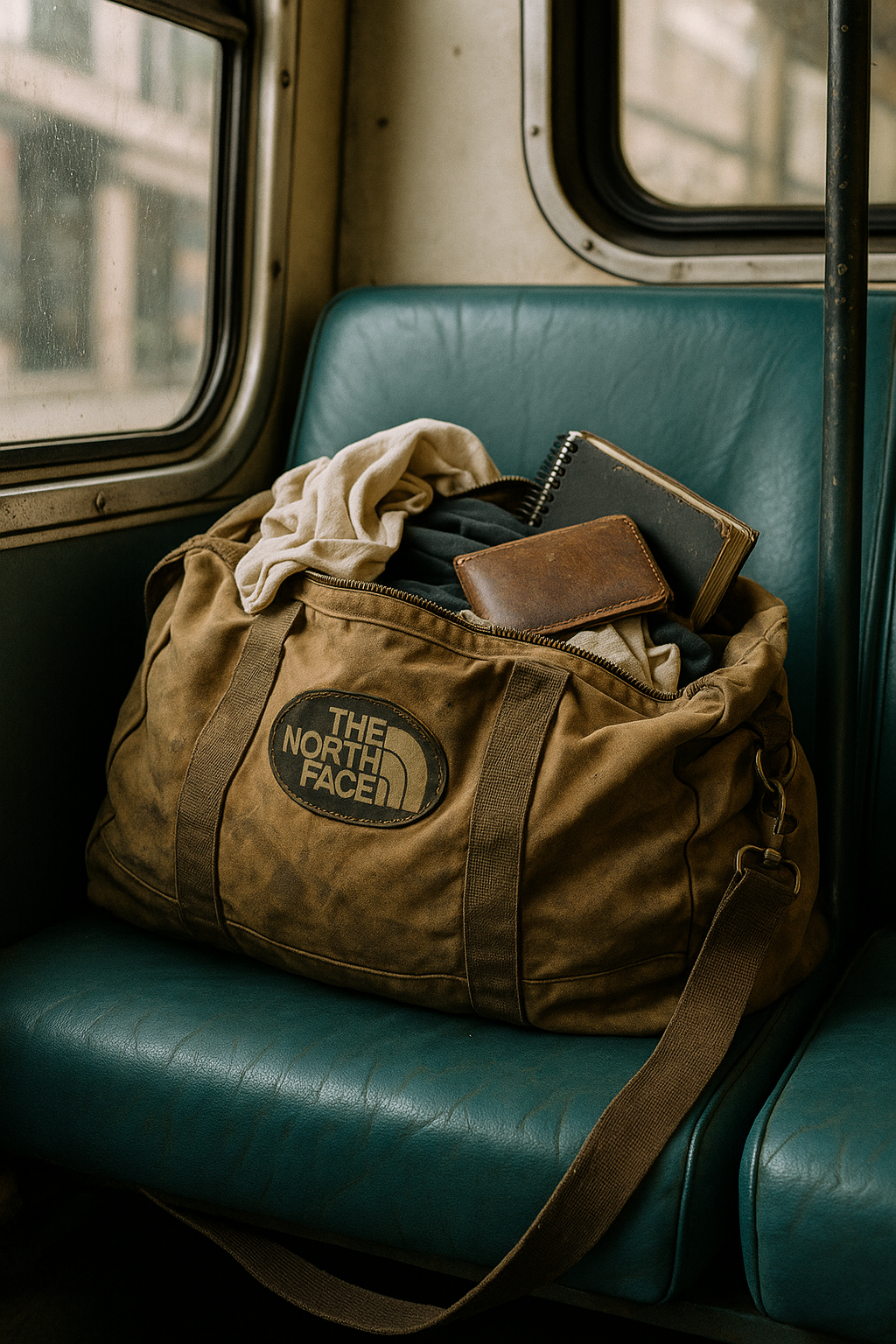
On the Kleinmond convoy’s middle coach, a lime-green duffel wears the logo of a 2018 Lilongwe crusade: “Jesus Is the Same Yesterday Today Forever.” It holds children’s shirts now too small and a folder of University of Malawi transcripts for lectures never finished.
An orange cooler stuffed under the front seat hides six frozen crayfish tails - a farewell gift from an Afrikaans skipper. His father bled in Angola; now he presses seafood into Domingos’s palms. “Tell your mother the sea still remembers us,” he says. The permit tucked between the shells expires in October.
Inside a suitcase lining, ten South African bank cards and two Malawian ATM cards rattle in a taped zip-lock. Owner Bester Kumwenda swears they’re all legal, opened with asylum papers and proof of address. He intends to keep them alive from Lilongwe via cellphone banking “until the rand climbs.”
8. Volunteers in the Exhaust Haze
Nurses, Teachers, Councillors - Left Behind When the Buses Roll
When the last coach exhales out of Kleinmond, the forecourt empties like a church after a funeral. Only volunteers linger: Médecins Sans Frontières nurses finishing yellow-fever shots; a Grade-3 teacher ticking off names of kids who won’t sit Monday’s spelling quiz; a photographer discovering her memory card is already full.
Grant Cohen, ward councillor, stands longest. Hands deep in fleece pockets, he watches tail-lights vanish. “We’ve done this song before,” he mutters. “2001 it was Zimbabweans in Botrivier, 2015 Somalis in Hawston. We mop up, hold imbizos, then wait for the match next to the tinderbox.” In his briefcase sits a 22-page draft asking Home Affairs for a permanent field office in Hermanus - 22 months old tonight, heavier than ever.
9. Tar North: Headlights, Hawkers, Border Dust
From Wine-Valley Sprinklers to Beitbridge Chaos
The buses pull onto the N2, cruising past the very orchards their passengers once pruned. At dawn the Worcester peaks blush apricot, irrigation sprayers glittering like cheap chandeliers. In Beaufort West the fuel stop becomes a pop-up market: vetkoek and Coke through chain-link as hawkers read desperation in the eyes of travellers. A Zimbabwean trucker spots a Chewa-speaker and presses a net of oranges “for the little ones.”
By midnight the convoy crawls through Beitbridge. Hawkers swap rand for meticais at rates that jump with every phone ping. A mother chases an immigration officer, waving her twins’ birth certificates, panicked the stamp will say “deported” instead of “voluntary.”
Beyond the Limpopo, stories fork. Some overnight at Mussina’s Dulivhadzimu truck stop, then catch lifts to Blantyre via Tete. Others - those with a last fist of savings - linger in Johannesburg, queuing at the refugee reception office they never cracked the first time. A few murmur of rerouting to Namibia.
10. Fire, Ash, and the Marsh Rose
Regrowth Where Houses Once Smoldered
Less than fifty kilometres south-east, the Kogelberg Biosphere keeps its own score. Fynbos species here rival Amazonian diversity; one of them, the Marsh Rose, needs fire to bloom. Its seeds lie dormant until the next blaze cracks them open.
In the embers of a Gansbaai shack row, children sift through ash and twisted zinc, salvaging school books. A teenage girl finds a charred teddy bear and hugs it, singed fur smudging tears across her cheeks.
The Marsh Rose will flower again in two seasons’ time. The settlement may not.
What is the current situation for displaced Malawians and other foreign nationals in South Africa's Overstrand region?
Foreign nationals in Overstrand are facing forced repatriation or temporary shelter. Many were displaced by xenophobic actions, with some opting for voluntary repatriation due to lack of documentation or fear. Organizations like Gift of the Givers are providing aid, while local residents express mixed sentiments regarding their presence.
Why are Malawians and other foreign nationals being displaced from the Overstrand region?
Displacement of Malawians and other foreign nationals in the Overstrand region is primarily driven by xenophobic sentiment and actions from some local residents. This includes forced evictions, fear of violence, and the perception by some locals that foreign nationals are taking jobs or resources, leading to social unrest and calls for their removal.
What support are displaced individuals receiving?
Organizations such as Gift of the Givers are providing humanitarian aid, including shelter, food, and essential supplies. Disaster management teams and Home Affairs officials are also involved in managing the displacement, offering temporary accommodation in community halls, and processing voluntary repatriation forms. Consular services, like those from Malawi's consul-general, are coordinating efforts for safe return.
What are the financial and social challenges faced by the displaced individuals?
Many displaced individuals arrive with very little, having invested their savings to come to South Africa. They face immediate financial instability, with some having only a few rand. They also lose their livelihoods, such as construction jobs or seasonal farm work. Socially, they endure the trauma of displacement, separation from community, and the uncertainty of their future, with some having young children or pregnant partners.
How do local residents and officials view the situation?
Local residents in Overstrand hold varied views. Some express strong anti-foreigner sentiments, blaming foreign nationals for economic hardships and demanding their removal. Others, like community volunteers and some skippers, show compassion and offer aid. Officials, including ward councillors and Home Affairs personnel, are caught between managing the crisis, enforcing regulations, and addressing the underlying socio-economic grievances of the local population.
What are the long-term implications of this displacement?
The long-term implications include significant social and economic disruption for both displaced individuals and the host communities. For foreign nationals, it means losing established lives and livelihoods, potentially facing hardship upon return to their home countries. For South Africa, it perpetuates a cycle of xenophobia, strains social cohesion, and raises questions about immigration policies and economic disparities, as similar events have occurred in the past (e.g., 2008 and 2015).

Chloe de Kock is a Cape Town-born journalist who chronicles the city’s evolving food culture, from township braai joints to Constantia vineyards, for the Mail & Guardian and Eat Out. When she’s not interviewing grandmothers about secret bobotie recipes or tracking the impact of drought on winemakers, you’ll find her surfing the mellow breaks at Muizenberg—wetsuit zipped, notebook tucked into her backpack in case the next story floats by.
View all articles →