
Keep the kids smiling with these 5 Western Cape winter outings
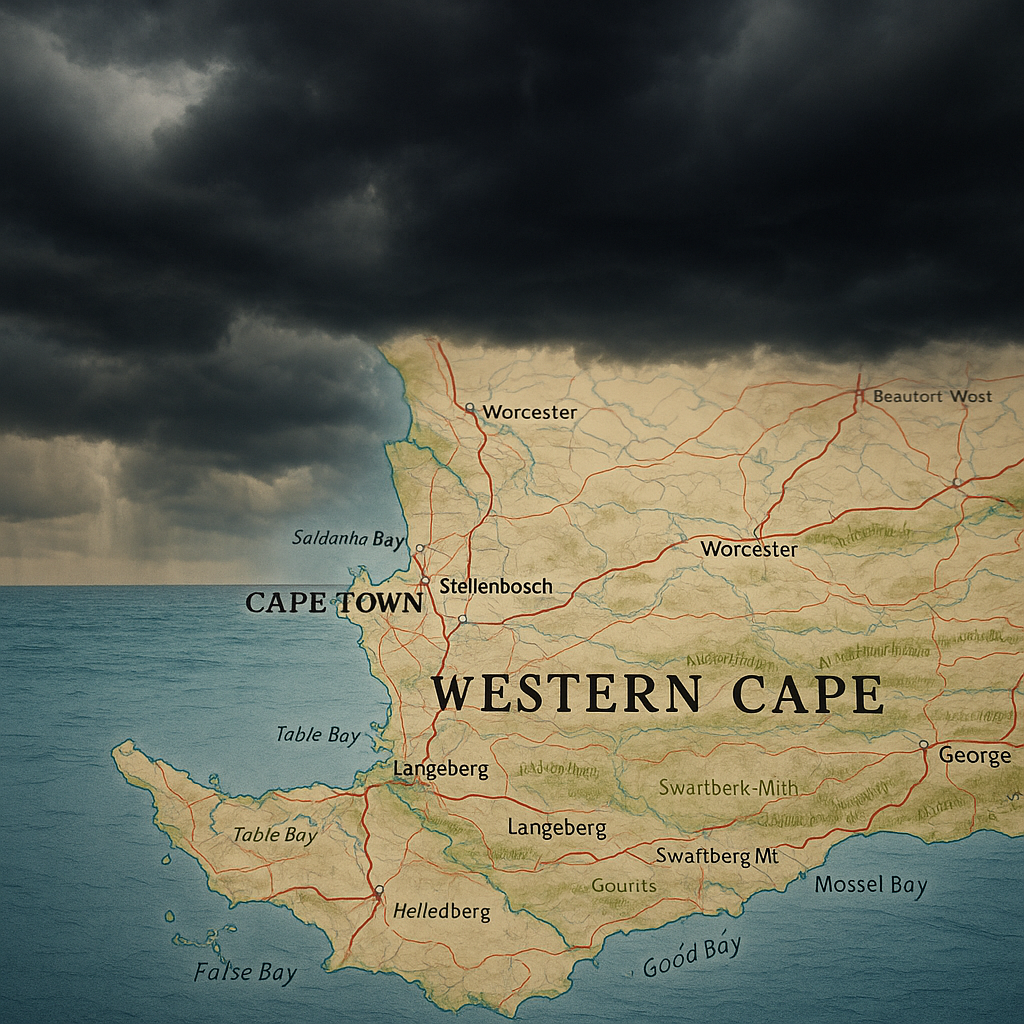
Discover the Western Cape's hidden gems! Explore prehistoric sites, cosmic journeys, and unique museums perfect for rainy day adventures.
Don't let grey skies fool you! The Western Cape has amazing indoor adventures waiting. Explore ancient creatures at West Coast Fossil Park, or watch your kids learn through play at Wonderdal. Gaze at stars in the Iziko Planetarium, admire classic cars at Franschhoek Motor Museum, or dig for gems at The Scratch Patch. These spots turn rainy days into golden memories, proving the Western Cape shines, rain or not!
What are the best indoor activities in the Western Cape during bad weather?
When the weather in the Western Cape takes a turn, visitors can explore a diverse range of indoor attractions. Options include delving into prehistoric discoveries at the West Coast Fossil Park, engaging in educational play at Wonderdal, experiencing immersive shows at the Iziko Planetarium, admiring classic cars at the Franschhoek Motor Museum, or sifting through gemstones at The Scratch Patch.
Get Cape Town news in your inbox
Stay updated with the latest stories from the Mother City.
The Western Cape has built its reputation on sunshine and scenic beauty, yet its stormier temperament holds hidden treasures. Visitors who pivot from beach towels to indoor exploration unlock a parallel universe of world-class attractions. These destinations don't merely shelter you from drizzle - they transform overcast afternoons into highlights of your journey. From ancient creatures that roamed river valleys to digital cosmoses projected overhead, this South African region rewards those who pack an umbrella alongside their curiosity.
Digging Into Deep Time: The West Coast Fossil Park
Picture a coastline draped in lush forests, where strange beasts wandered riverbanks five million years past. This wasn't fantasy - it was the reality preserved beneath your feet at the West Coast Fossil Park, located near Langebaan roughly 150 kilometres north of Cape Town. Today’s arid landscape once supported ecosystems so different from modern ones that scientists continue reassembling their puzzles.
Phosphate miners stumbled upon this scientific goldmine during the 1970s, entirely by accident. Their discoveries triggered decades of excavation that uncovered more than 200 distinct species, several found nowhere else globally. Among these curiosities sits Giraffa sivalis, a stubby-necked giraffe that forces evolutionary biologists to rethink long-held assumptions about how these elegant animals developed. The Agriotherium bear tells equally compelling stories about mammalian migration patterns across continents during epochs of radical climate transformation.
Unlike museums displaying finished research, this park keeps its laboratories visible. Guided tours let you watch paleontologists painstakingly liberate specimens from their ancient riverbed tombs. Step into the visitor centre and augmented reality stations invite younger explorers to digitally reconstruct skeletons and animate extinct creatures across screens. Dedicated school programmes and seasonal events ensure educational engagement extends far beyond casual drop-ins.
Weather concerns dissolve completely here. Covered observation decks protect you during active excavations, while climate-controlled galleries maintain comfortable temperatures throughout your prehistoric wanderings. Rain becomes irrelevant when you're staring at bones older than humanity itself.
Play That Teaches: Wonderdal at Hazendal Estate
Edutainment has matured significantly, and Wonderdal demonstrates this evolution beautifully. Nestled within Stellenbosch's famous Winelands, this facility repurposes a heritage farmhouse into something unexpected - a temple to embodied learning where children absorb complex ideas through physical engagement.
Twelve distinct activity zones await young "Wonderdal Guardians," each weaving into an overarching fantasy narrative. Scientific reasoning, creative collaboration, and problem-solving skills emerge naturally as children tackle challenges mapped to developmental milestones. Motion-tracking technology, responsive projections, and haptic feedback devices surround participants with responsive environments - no isolating VR headsets required. Social interaction remains central while engagement rivals anything found on tablets or gaming consoles.
Parents receive genuine relief here too. Thoroughly vetted play guides, all certified in first aid, supervise children's adventures while adults slip away to explore Hazendal's culinary landscape. The estate's flagship restaurant showcases sophisticated interpretations of Cape Malay and Afrikaner traditions, crafted by acclaimed local architects. Prefer something lighter? The coffee shop accommodates casual family dining.
Wine enthusiasts find their own rewards. Hazendal's tasting facility highlights regenerative viticulture - an agricultural movement gaining traction across South African vineyards that prioritises soil vitality and ecosystem diversity. Sample limited-production bottles while keeping Wonderdal's entrance within view. Simultaneous adult and child satisfaction rarely comes so conveniently packaged.
Stars Above, Technology Below: The Iziko Planetarium
Southern Africa's most sophisticated astronomical facility hides in plain sight within Cape Town's museum precinct. Following its 2017 transformation, the Iziko Planetarium transcended traditional star shows to become a versatile immersive theatre hosting marine biology presentations, virtual reality documentaries, and real-time digital journeys through space.
Technical specifications impress even industry veterans. One hundred twenty reclining seats angle perfectly beneath a 15-metre dome, while projection systems deliver 8K resolution across curved surfaces - well beyond cinema standards. Presenters manipulate visualization software live during performances, customising cosmic voyages in response to audience questions. Southern Hemisphere perspectives dominate programming, correcting the Northern bias that plagues conventional astronomical content.
Weekend mornings feature specialised children's shows with original characters simplifying Earth's cosmic neighbourhood. Evening presentations range across astronomical phenomena, with "Star Finder" sessions teaching naked-eye navigation techniques increasingly threatened by urban light pollution. Subsidised school partnerships extend access to historically underserved communities, addressing persistent inequalities in science education.
The surrounding Iziko South African Museum occupies a stately 1897 building packed with natural history from ancient rock art to marine biodiversity. Adjacent Company's Garden, established 1652 as the Dutch East India Company's vegetable patch, offers covered walkways and historic structures should conditions improve mid-visit.
Wheels of History: Franschhoek Motor Museum
Automotive collections typically line vehicles by decade and call it curation. The Franschhoek Motor Museum rejects this laziness. Across four climate-controlled galleries on the L'Ormarins Estate, 85 vehicles tell stories about how automobiles shaped South African identity.
The Rupert family assembled this collection over forty years, their luxury goods and wine fortunes funding acquisitions that now include irreplaceable examples of motoring heritage. One gallery juxtaposes a 1908 Ford Model T - mass production's breakthrough - with a 1950s Volkswagen Beetle that became the aspirational symbol of South Africa's middle class. Another space traces motorsport evolution through a 1970s Formula Atlantic single-seater and the actual Ford Sierra that conquered 1988's Kyalami 9 Hours.
Conservation standards rival international institutions. Every vehicle receives regular mechanical exercise to preserve operability, with documentation exceeding original factory specifications. Subscribers to the museum's mailing list receive invitations to occasional demonstration drives on private estate roads.
L'Ormarins rewards extended exploration beyond automotive exhibits. Wine cellars, a historic chapel, and sculpture gardens featuring prominent South African artists fill the grounds. La Motte restaurant commands national recognition for Cape Winelands cuisine and an exceptional wine library.
Touching Treasure: The Scratch Patch Legacy
John Gough understood something fundamental in the 1970s: children gravitate irresistibly toward colourful stones. This insight launched the Scratch Patch phenomenon, with the original Simon's Town location operating continuously since 1982. Cape Town and Johannesburg now host satellite facilities, though the seaside original remains unmatched in scale and character.
The concept disarms through simplicity. Purchase vessels ranging from modest bags to substantial buckets, then plunge hands into enormous piles of polished gemstones sourced from South African mines and international suppliers. Psychologists recognise this sensation as "flow state" - complete absorption transcending age, where time dissolves into tactile pleasure.
Over 100 gemstone varieties await, with emphasis on materials significant to national mining heritage. Tiger's eye from Northern Cape's Prieska region demonstrates chatoyancy, that mesmerising phenomenon where fibrous mineral structures catch and shift light. Rose quartz from pegmatite deposits shows how trace elements transform clear crystals into pink treasures. Circulating staff carry identification guides, encouraging geological matching games with your selections.
The attached mineral museum displays specimens rarely seen outside specialist circles. Uncut South African diamonds - including industrial-grade examples - illuminate why these materials revolutionised manufacturing and drilling. Historical exhibits confront mining's social complexities honestly, acknowledging both economic transformation and human suffering.
Simon's Town provides backup rainy-day options. The South African Naval Museum occupies historic dockyard buildings examining maritime military heritage, while Boulders Beach's penguin colony maintains weatherproof viewing facilities.
The Silver Lining Season
May through September brings concentrated winter rainfall to the Western Cape, yet informed travellers increasingly recognise this interval as prime visiting time. Mediterranean climate patterns generate spectacular atmospheric theatre - clearing storms, mountain mists, vineyard rainbows - that photographers and contemplative wanderers actively pursue.
Indoor venues have adapted brilliantly. Extended winter hours, specialised programming, and reduced admission prices welcome off-peak explorers. Accommodation discounts reach substantial levels, combining lower costs with thinner crowds and fully operational attractions. The math favours those who pack intelligently.
Constraint becomes possibility here. These aren't diminished alternatives awaiting sunshine - they're substantial attractions functioning optimally indoors. Prehistoric mysteries, cosmic journeys, mechanical artistry, and tactile discovery reward attention regardless of what falls from the sky. The Western Cape reveals its complete character to those who embrace every forecast.
What are the best indoor activities in the Western Cape during bad weather?
When the weather in the Western Cape takes a turn, visitors can explore a diverse range of indoor attractions. Options include delving into prehistoric discoveries at the West Coast Fossil Park, engaging in educational play at Wonderdal at Hazendal Estate, experiencing immersive shows at the Iziko Planetarium, admiring classic cars at the Franschhoek Motor Museum, or sifting through gemstones at The Scratch Patch. These venues offer engaging experiences regardless of the weather outside.
Where can I learn about ancient creatures in the Western Cape?
For an educational journey back in time, the West Coast Fossil Park near Langebaan is an excellent choice. It's a unique site where visitors can see active paleontological excavations and learn about the diverse creatures that roamed the Western Cape five million years ago. The park features guided tours, visitor centres with augmented reality, and climate-controlled galleries, making it a perfect indoor activity.
Are there indoor educational activities for children in the Western Cape?
Absolutely! Wonderdal at Hazendal Estate in Stellenbosch offers a fantastic edutainment experience for children. It features twelve distinct activity zones designed to foster scientific reasoning, creativity, and problem-solving skills through physical engagement. Parents can also enjoy Hazendal's culinary offerings or wine tasting while their children are supervised by certified play guides.
Where can I experience astronomy and immersive shows indoors?
The Iziko Planetarium in Cape Town is Southern Africa's most sophisticated astronomical facility. It offers spectacular immersive shows, not just about stars but also marine biology and virtual reality documentaries, projected in 8K resolution onto a 15-meter dome. It's an ideal spot to explore the cosmos and learn about our planet's place in the universe, irrespective of the weather.
What can I do in the Western Cape if I'm interested in classic cars?
The Franschhoek Motor Museum, located on the picturesque L'Ormarins Estate, houses an impressive collection of over 85 classic vehicles. The museum curates its collection to tell stories about South African identity through automotive history, with vehicles ranging from a 1908 Ford Model T to modern racing cars. The climate-controlled galleries ensure a comfortable visit.
Where can I dig for gemstones in the Western Cape?
The Scratch Patch offers a unique and tactile experience where visitors can dig for polished gemstones. With locations in Simon's Town and Cape Town, you can purchase a bag or bucket and sift through enormous piles of various gemstones sourced from South Africa and beyond. It's a fun and engaging activity for all ages, particularly popular with children, and the Simon's Town location also features an attached mineral museum.

A Russian-Spanish journalist and Cape Town native, channels his lifelong passion for South Africa into captivating stories for his local blog. With a diverse background and 50 years of rich experiences, Serjio's unique voice resonates with readers seeking to explore Cape Town's vibrant culture. His love for the city shines through in every piece, making Serjio the go-to source for the latest in South African adventures.
View all articles →