
Men’s mental health in South Africa: Why silence can be costly
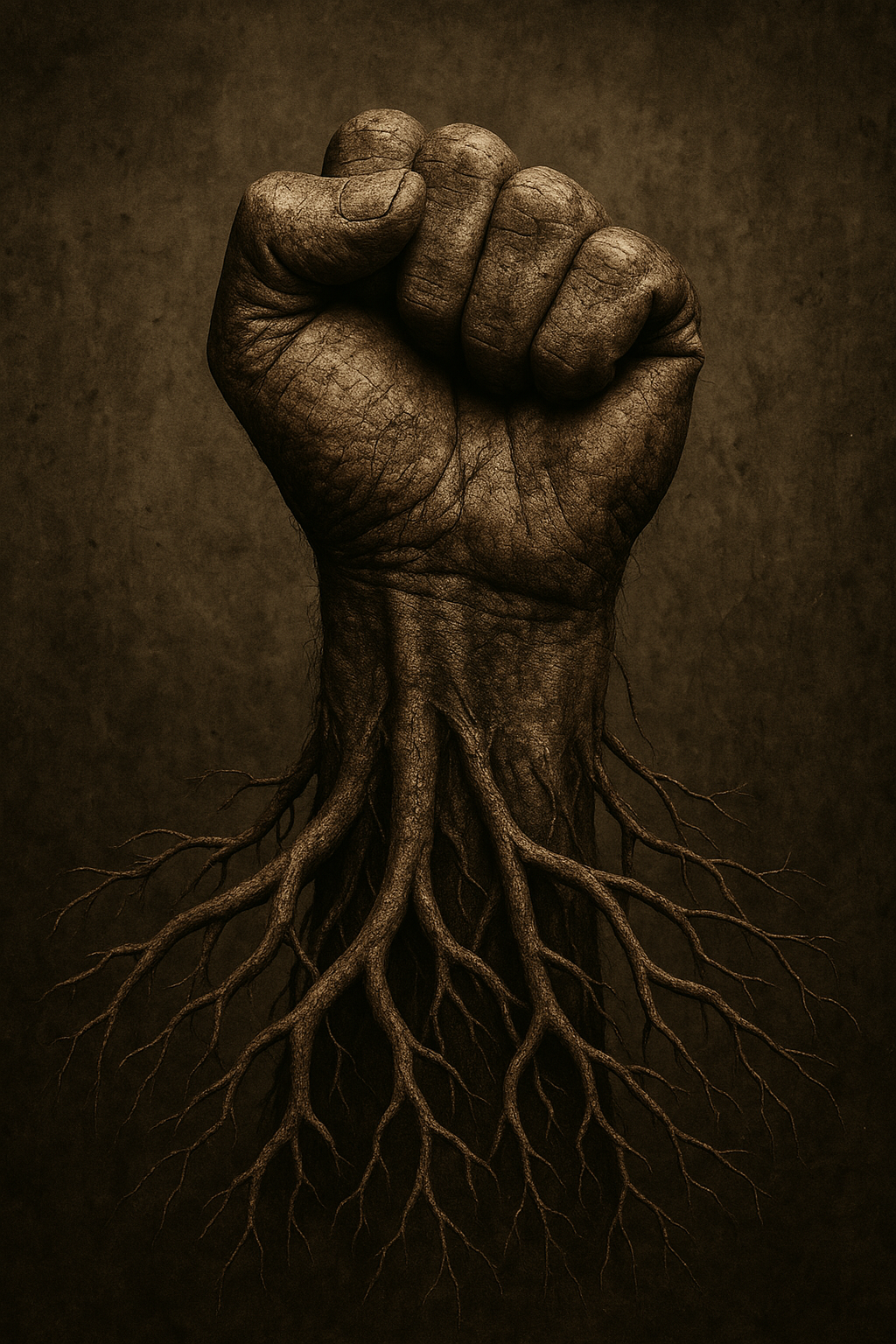
Exploring how South African men are redefining masculinity and mental health, from traditional pressures to new ways of healing and support.
This article bravely explores how South African men are quietly suffering from mental health issues, often due to old cultural ideas that tell them to be tough and hide their feelings. It shows how these men turn their sadness into body pains because they don't have the right words to express their emotions. But there's hope! New ways of thinking are popping up, like young men on social media talking about their feelings and dads openly caring for their kids. The story ends with a powerful vision: a future where it's totally normal for South African men to talk about their emotions, making mental health a true lifeline for everyone.
How do cultural expectations and historical factors influence men's mental health in South Africa?
Cultural expectations and historical factors in South Africa, such as traditional initiation rites, apartheid's legacy, and the suppression of emotional expression, significantly impact men's mental health. These elements often lead men to internalize distress, translating emotional pain into physical complaints, and hindering their willingness to seek help for mental health challenges.
Get Cape Town news in your inbox
Stay updated with the latest stories from the Mother City.
1. The Hidden Load Men Carry
Every dawn, township streetlights flicker off while taxis drum through puddles. In those same moments, a 34-year-old machine operator in Katlehong slips on his overalls, already rehearsing how he’ll dodge another “kusho ukuthi?” from his mother when the grocery list arrives on WhatsApp. In Sandton, a junior analyst pinches the bridge of his nose before switching on the kettle; the bond statement on his phone screen erased last month’s bonus before it cleared. Neither man has words beyond “I’m knackered, bro.” That single adjective, “knackered,” now doubles as camouflage, hiding sleepless nights, chest-tight anxiety and the creeping certainty that tomorrow’s load-shedding schedule will upend the next 24 hours.
The body keeps score. A clenched jaw, a headache that blooms behind the eyes, a six-pack that graduates from weekend treat to daily sedative – each is a ledger entry for unspoken strain. Across languages and incomes, men translate despair into bodily complaints because the social syllabus offers no elective in emotional fluency.
2. Echoes of the Past in Today’s Silence
Colonial armies, migrant labour compounds and initiation rites all sang the same chorus: pain must be swallowed. In Xhosa initiation lodges, wincing during circumcision risks branding one’s clan with cowardice. Afrikaans boarding schools still award the loudest cheers to the boy who finishes the paddling without a whimper. Zulu praise poems glorify warriors who limp home silent about spear wounds. These histories curdle into present-day classrooms, stadium stands and group chats where boys police one another with “don’t be a sissy.”
Add apartheid’s ruptures – fathers lost to mine collapses, grandparents scattered by forced removals – and the script hardens: suffering is heritage; disclosure is betrayal. The emotional fallout becomes a generational relay race no one remembers starting.
3. Fresh Scripts: New Faces of Manhood
Yet cracks are widening. On TikTok, #SensitiveBhuti clips rack up views as young men lip-sync to J Cole confessions and stage mock funerals for “toxic bro” stereotypes. In Durban studios, the “soft-gqom dad” finishes a bass track at 11 p.m. and still makes it home to braid his daughter’s hair before midnight. A Cape Town venture capitalist openly blocks out “therapy 3 p.m.” on a calendar he knows his investors can see. Each micro-rebellion chips away at the monolith of stoic provider.
These are not mass movements yet; they are quiet edits to the source code, line by line, meme by meme.
4. When Words Fail: Language as Barrier and Bridge
isiZulu has no ready term for clinical depression; the closest, ukudabuka , hints at fleeting sorrow rather than persistent fog. Afrikaans leans on moedeloos – literally “without courage” – implying the sufferer just needs guts. Sesotho’s ho hahlahanya paints the mind as shattered china, precious but beyond repair.
A 2022 University of Cape Town study found Xhosa-speaking men routinely told clinicians their “chest is heavy” or their “head is boiling.” Doctors misfiled the complaints under hypertension or migraine, chasing blood-pressure cuffs instead of grief. Without lexical step-ladders, pain stays trapped in the body.
5. Spotting the Smoke Signals
Psychologist Dr Matsebula flags irritability, reckless overtaking and compulsive bench-press marathons as red flags, but the list grows stranger, more local:
- A Gauteng mechanic staking an entire week’s pay on Liverpool to beat Real at 3 a.m. – dopamine chasing as painkiller.
- A Vereeniging petrolhead adjusting exhaust pipes at 2 a.m. – isolation masquerading as hobby.
- An over-eager dad signing up for every school excursion – busyness used to outrun marital frost.
Peers cheer these “guy things,” so the distress stays cloaked in plain sight.
6. Workaround Tactics at Work
Labour law says companies with 50-plus staff must offer wellness programmes; uptake among blue-collar crews sits below eight percent. A Durban shipyard swapped the phrase “mental-health class” for “knockout drills” on boxing flyers; attendance tripled. A Rustenburg platinum mine relabelled on-site counsellors as “performance coaches” and saw bookings quadruple. Men will step through the door if the sign above it doesn’t scream vulnerability.
7. Fathers Rewrite the Playbook
Sonke Gender Justice followed 120 Soweto dads through parenting workshops. Dads who entered scoring high on emotional lockdown had sons twice as likely to be sent to the principal’s office. Twelve weeks later, graduates of the emotional-literacy module reported a 34 % drop in their boys’ disciplinary records. Modeling feeling words in the living room rewires playground politics.
8. Container Conversations and Township Hotspots
Malibongwe Mbotho dragged an old shipping container into a Lusikisiki clearing and installed a pool table, Wi-Fi and condoms. On Saturdays, newly initiated teens debrief mountain experiences beside counsellors translating trauma into everyday isiXhosa. Urban cousins in Johannesburg get voice-note updates, spreading therapy slang through family groups like wildfire. A tin box becomes a switchboard where rural and urban definitions of manhood negotiate peace talks.
9. When Culture and Care Collide
AmaZulu FC players now record locker-room confessionals about pre-match panic, airing them at fan parks. After Qur’anic recitals on “Verily, with hardship comes ease,” imams in Cape Flats mosques invite therapists to set up chairs at sunset. Both tactics sneak mental-health literacy into stadiums and prayer yards – spaces where masculine credibility is already platinum-certified.
10. Low-Data Lifelines
Dial 134 456# from any keypad phone and an isiZulu bot asks three mood questions; a colour code pops up plus a promise that SADAG will call back within 24 hours. Because USSD costs zero airtime, farmworkers and taxi guards queue for the digital check-up. Meanwhile, “KwaneleBot” on WhatsApp rates stress “load-shedding style – Stage 1 chilled, Stage 8 total blackout.” Sixty percent more men aged 20-35 finish the quiz when the bot roasts them mid-survey. Laughter buys attention; attention buys data that may save lives.
11. Mothers, Lovers and Side-chicks as First Responders
Wives notice the snarl before breakfast, girlfriends clock 3 a.m. doom-scrolling. A Tembisa support group trains “emotional first responders” among taxi drivers’ partners. Instead of “you need therapy,” they’re taught to say, “I’m scared when you speed on the N3; can we talk to someone together?” Couple bookings shoot up when therapy looks like relationship maintenance, not solo surrender.
12. Closing the Missing-Middle Gap
South Africa has fewer than 300 public psychiatrists. Millions earn too much for free clinics but too little for private rooms. New R35-per-month micro-insurance riders bundle funeral cover with two therapy sessions; funeral talk is familiar ground, therapy sneaks in under the same premium.
13. When Ancestors Sanction Vulnerability
In Mpumalanga, sangomas and psychologists co-host weekend rituals: symbolic goat slaughter followed by trauma-focused CBT in the same kraal. One participant summarised the crossover: “If my grandfather commands me to speak pain aloud, then nobody can call me weak.” Tradition becomes a Trojan horse for science.
14. Carers Who Don’t Fit the Script
Society still expects sisters, wives and mothers to mop up psychic spills – an unpaid labour bill tallied at R12 billion in lost female wages each year. Yet a growing band of stay-at-home dads trade school-run routes and bedtime stories without apology. A documentary titled Indoda Ayihlali eKhaya (“A Man Does Not Stay at Home”) screens at township libraries, normalising male nurturing one folding chair at a time.
15. Sports Science as Trojan Horse
Gyms in Sandton now test cortisol alongside bench-press PBs. Trainers plug guided box-breathing between squat sets, selling recovery as performance optimisation. Weekend warriors chasing six-packs absorb coping drills without ever admitting to “therapy.”
16. Pride Flags and Hard Hats
Gay and bisexual men juggle homophobia and machismo. Soweto Pride posters feature drag kings in welding masks captioned: “Strong enough to cry, brave enough to heal.” Workshop data show attendees are twice as likely to start PrEP and half as likely to report depression three months later.
17. Bars, Beats and Blood-Alcohol Levels
Castle Lager and Umqombothi flow at weddings, funerals and payday weekends. Yet alcohol also doubles as self-medication for untreated trauma. Dr Siraaj Adams pairs motivational interviews with amaXhosa stick-fighting sessions. Before and after bouts, fighters monitor heart-rate variability, learning that what spikes inside the chest can be read, named and tamed. Early pilots show a 27 % drop in binge drinking after six months.
18. Hip-Hop, Canvas and Code-Switching
Durban rapper Blxckie drops “uMthwalo,” transforming heart-palpitations into township sound maps. NGOs project the track in school halls; boys who refuse to speak in class dissect lyrics about chest pressure and 2 a.m. insomnia. Art becomes a side-entrance into conversations the front door bars shut.
19. Measuring What Actually Moves the Needle
Stellenbosch researchers craft an index that counts father-child homework minutes, beer-hall binges, online peer-support messages and household disputes reported by partners. These everyday metrics may flag change long before suicide statistics budge.
20. Sticker Solidarity
A Mdantsane mechanic prints palm-sized yellow stickers: “Pause. Breathe. Ask your mate how he’s holding up.” Customers peel one off with an oil-stained thumb and, in theory, commit to a 30-second check-in. No budget forms, no NGOs – just iterative micro-moves that make asking normal.
21. Your 24-Hour Toolkit
- SADAG Men’s Helpline: 0800 456 789 (free, 24/7)
- LifeLine WhatsApp: 087 163 2030 – text “hi”
- USSD mood check: 134 456# (zero airtime)
- Therapy on the Farm: weekend retreats in Franschhoek, sliding scale, sadag.org/farm
- The Real Man Podcast: 10-minute bilingual episodes on Spotify Lite
22. A Future Vocabulary
Imagine Grade 4 classrooms teaching “Ngiyagula ngezwa” (“my feelings are sick”) the same week pupils master verbs. Picture taxi-rank murals reading, “Kuyafana ukukhathala nobuhlungu besibindi” – mental fatigue equals chest pain – legitimising talk across languages. Envision WhatsApp sticker packs of cartoon miners tipping helmets to therapists, shared by 40-year-old drill operators during tea break. The lexicon already lives in fragments; now we stitch it into a new national grammar where emotional honesty is not an imported luxury but a home-grown lifeline.
What is the main challenge South African men face regarding mental health?
South African men often struggle with mental health issues due to deeply ingrained cultural norms that encourage toughness and emotional suppression. This leads them to internalize their distress, frequently manifesting emotional pain as physical ailments rather than seeking psychological support.
How do historical and cultural factors contribute to this issue?
Historical elements such as colonial military influences, migrant labor systems, and traditional initiation rites (like Xhosa circumcision, where showing pain is seen as cowardice) have historically reinforced an expectation for men to endure suffering silently. The legacy of apartheid, including forced removals and family separations, further solidified this culture of stoicism, making emotional disclosure seem like a betrayal of heritage.
Are there any signs of positive change in how South African men approach mental health?
Yes, there's growing hope. Younger generations are using platforms like TikTok to challenge

Chloe de Kock is a Cape Town-born journalist who chronicles the city’s evolving food culture, from township braai joints to Constantia vineyards, for the Mail & Guardian and Eat Out. When she’s not interviewing grandmothers about secret bobotie recipes or tracking the impact of drought on winemakers, you’ll find her surfing the mellow breaks at Muizenberg—wetsuit zipped, notebook tucked into her backpack in case the next story floats by.
View all articles →