
Organisation forced to halt free sanitary pad project
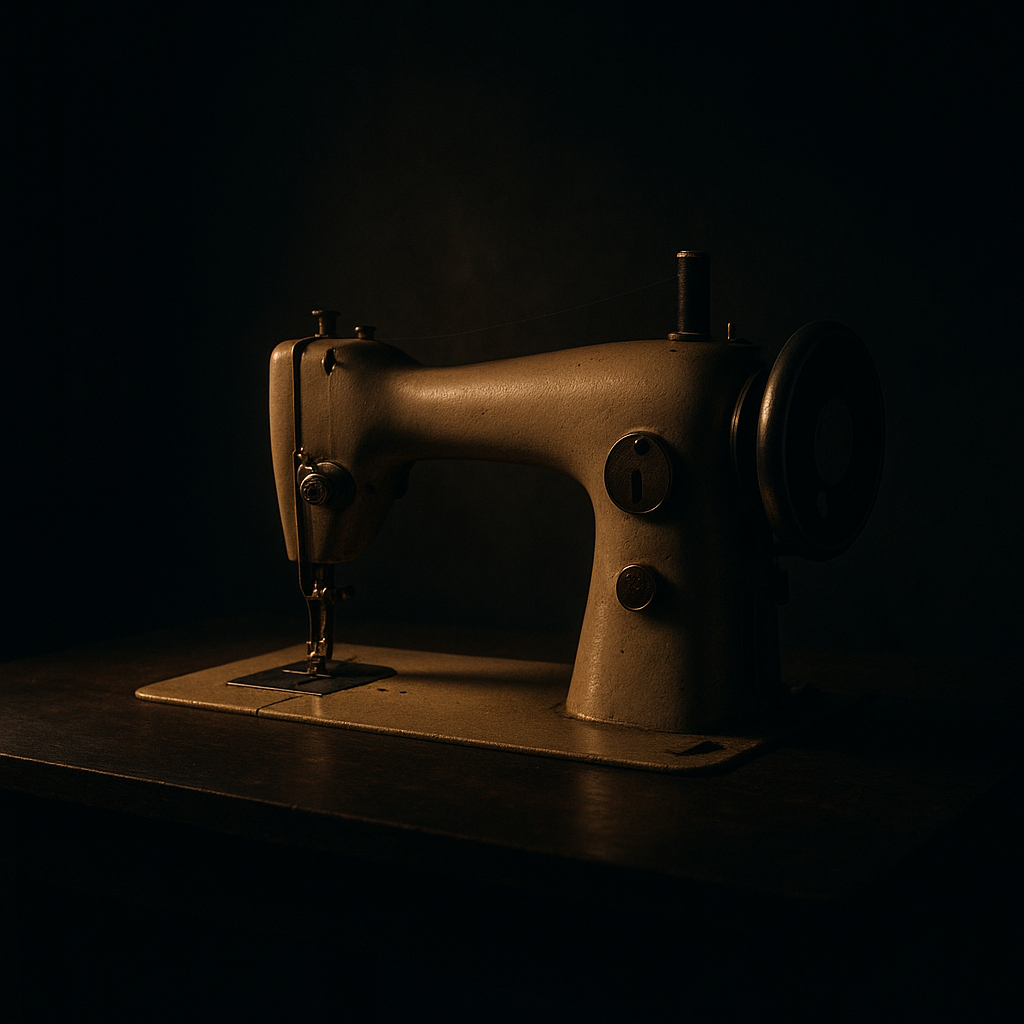
Code Red Initiative: empowering women to sew reusable sanitary pads for South African girls, facing funding cuts but finding new hope.
In Masiphumelele, a program called Code Red Initiative (CRI) taught unemployed mothers to sew reusable menstrual pads. These special pads were given to schoolgirls for free, helping them stay in school and giving moms a way to earn money. Even though the program ran out of money, the women who learned to sew are finding new ways to keep stitching, showing amazing strength. Their small efforts, like seeds in cracks, are keeping hope alive, proving that even when big plans fail, tiny stitches can still hold the future together.
What is the Code Red Initiative (CRI)?
The Code Red Initiative (CRI) was a program in Masiphumelele that trained unemployed mothers to sew reusable menstrual pad kits. These kits were then distributed for free to schoolgirls, aiming to provide dignity and income while improving school attendance. The initiative faced funding challenges but continues to inspire local efforts.
Get Cape Town news in your inbox
Stay updated with the latest stories from the Mother City.
The Workshop That Once Hummed
Late-afternoon amber slips through a bare window in a one-room shack and settles on the silent iron frame of Abigail Mugoni’s treadle. Scratches on the black body record thirty years of motion; the flywheel is halted mid-turn because no cotton waits under the needle. In a plastic crate against the wall sit three tidy towers of reusables: eight-pad sets - five medium, three large - bright bias tape sealing layers of towelling and flannel in sunflower, fuchsia, turquoise. The girls who picked the colours no longer queue for them, so Abigail uses the sets herself, trusting their five-year guarantee while Code Red Initiative searches for the funds to switch the lights back on.
Code Red’s story began in the jittery January of 2020. A microscopic virus had shut borders, pad factories and wallets alike. Tara Bird and two friends believed that dignity and neighbourhood income could be sewn sewn in the same straight seam. They arrived in Masiphumelele with donated bolts, refurbished machines and a simple brief: teach unemployed mothers to stitch washable kits, pay them a living piece-rate, hand the finished packs to schoolgirls for free. What looked like a neat slogan soon grew into a curriculum as tight as any garment-factory training plan.
Six weeks of classes turned novices into micro-engineers. Learners mastered French seams, bar-tacked stress points and a hidden polyurethane lining that repels leaks. They calculated yield so that odd off-cuts from Cape Town’s garment district tessellated into maximum output. They memorised a cost sheet: fabric, thread, elastic, label, soap, depreciated maintenance adds up to R31.42; CRI marks it up 220 % to cover salaries, outreach and a slim organisational buffer, arriving at R100 per completed kit. A focused sewer can turn out twenty pads in two quiet child-free hours; R500 on a good day dwarfs what she earns scrubbing floors.
Maps, Buckets and Whispered Savings
On an afternoon when the overlocker needed re-threading, the women knelt on Bird’s garage floor and drew Masiphumelele in coloured chalk: churches, clinics, school gates, spaza shops. Each drop-off point earned a colour code: green for privacy, blue for a lockable cupboard, red for the presence of a female staff member willing to answer awkward follow-ups. By December 2022 the chalk had migrated to a shared Google sheet; community health workers updated stockouts from their phones, and seamstresses rerouted home deliveries within twenty-four hours.
Classrooms in Ocean View, Red Hill and the host township itself received more than pads. Hour-long sessions replaced shame with vocabulary. Facilitators unrolled cloth dolls whose anatomical accuracy startled giggles into curiosity; red food-coloured water demonstrated absorbency; the inside of every drawstring bag carried a discreet calendar for cycle tracking. Girls practised the pinch-test - squeezing a wet pad to feel capacity - then rinsed it in a black bucket to prove that stains disappear. That same bucket, opaque and dignified, let a learner fetch water without advertising her flow, yet the CRI logo told neighbours that school days would no longer be traded away.
The quiet savings piled up faster than anyone predicted. Gogos raising orphaned grandchildren saved the R30 they once spent on disposables and bought paraffin instead. Attendance during menstruation weeks rose from 81 % to 96 %, a figure teachers greeted with cautious joy. School governing bodies inserted a new budget line - “menstrual dignity” - even if symbolic, because they had watched it work. Behind the balance sheets lay smaller victories: Noloyiso Mxinwa bought plywood to seal her shack against winter wind, Lindiwe Jonas purchased a second-hand fridge and rented freezer space to neighbours, Abigail stocked corduroy for school tunics yet kept Friday mornings for CRI because “pads run out fastest when grants queue is longest.”
When the Thread Snapped
Last December an email landed in Bird’s inbox. The foundation underwriting 2024 and half of 2025 had realigned its global strategy: climate adaptation and vaccine equity now absorbed the budget; reusable pads, however cost-effective, were no longer “strategic.” Reserves would cover December wages and one last outreach. On 15 December the machines were unplugged, needles oiled and removed, cloth sealed into vacuum bags. Ten women walked out as ex-employees.
The next morning Masiphumelele’s tapestry of survival rewove itself at frantic speed. Abigail tried subcontract sewing but earned R18 for a complicated school dress - bus fare swallowed the profit. She shifted to roadside spinach in salvaged paint buckets, swapping the treadle’s steady rhythm for the soft clink of a rusted scale. Two former seamstresses mop mall floors at dawn for less than minimum wage. Three remain unemployed and still meet each Tuesday at CRI’s storage container to count what remains, curling their fingers around the faint possibility that another grant letter will arrive before the cotton turns brittle.
Girls still bleed. Some households share one supermarket packet, slicing each disposable in half to stretch two cycles. Others fold wads of toilet paper and pray the school toilets flush. Asemahle Ndzimande, fifteen, says six friends spent a full week behind the Wendy house this term, inventing headaches to hide tears. Funding winters in South African civil society are not new, yet 2025 feels glacial: the National Lotteries Commission has frozen disbursements, corporate cash flows toward high-visibility sports bursaries, and even international NGOs chase climate resilience metrics.
Seeds in the Cracks
Bird refuses to shelve the story. A dossier thick with attendance graphs, clinic referrals and economic-impact tables now travels to forty-three potential donors - from a Scandinavian feminist trust to a crypto philanthropist hungry for women-health ESG data. A grant application lodged last month asks seamstresses to produce 10 000 kits for Kenyan refugee camps; economies of scale could subsidise another 5 000 for local schools. Meanwhile, improvisation blooms like weeds through cracked pavement.
Using surplus fabric received in lieu of severance, Abigail and two colleagues stitched fifty mini-kits - four pads, recycled cereal-box packaging - priced at R45. They sold out at a spaza-cum-salon in forty-five minutes; buyers were domestic workers sending practical gifts to daughters in the Eastern Cape. A Kuils River church has pre-ordered 200 kits for its confirmation class. No one pretends the setup is robust - there is no insurer, no quality controller - but nimble fingers stay busy and rumours of hope travel the WhatsApp groups.
Education refuses to stall. A German volunteer nurse, stranded when her travel fellowship collapsed, now teaches Saturday classes on a smart TV powered by an inverter. The corrugated container admits only fifteen girls, yet the waiting list lengthens each week. Nolusindiso Matiso, once the specialist in leak-proof linings, turned her living room into a demonstration corner where she shows how to launder pads in a bucket with a tight lid, a trick honed during six waterless days last February.
Beyond the township border, a university architecture student designed a flat-pack mini-factory: collapsible plywood that unfurls into four solar-lit workstations able to power two domestic machines from a 12-volt battery. The prototype cost R2 800; TikTok crowdfunding has financed the first unit. Bird dreams of towing it to Overberg clinics, training a village cooperative, then driving away while local women keep the stitching alive.
Policy doors are creaking open. The Western Cape Department of Social Development has invited CRI to a roundtable in August on sustainable menstrual health. Activists will pitch an R11 million conditional grant to seed washable-pad micro-enterprises in forty-two wards. If approved, Abigail and her former colleagues could return to payroll, joined by sixty new workers - provided they meet national minimum wage and pass an independent impact audit. Veterans warn that bureaucratic calendars could push delivery to 2027, yet the invitation itself marks a shift: the debate is no longer whether reusable pads work, but how to fund them at scale.
As the sun tilts lower over Masiphumelele, Abigail perches on an upturned crate, sorting spinach for tomorrow’s market. A neighbour’s toddler waddles closer, tiny fist reaching for the bright fabric scraps peeking from a plastic bag. Abigail loosens the drawstring and lays a sunflower-yellow liner in the child’s palm. “This cloth once kept a girl in class,” she murmurs. “Someday it will keep you there too.” The toddler toddles off, towing threads that glint like early morning light - reminders that even when grand plans collapse, small defiant stitches still hold the future together.
[{"question": "What was the core mission of the Code Red Initiative (CRI)?", "answer": "The Code Red Initiative (CRI) was a program launched in January 2020 in Masiphumelele, South Africa. Its core mission was to empower unemployed mothers by teaching them to sew reusable menstrual pad kits, and then distribute these kits for free to schoolgirls. The aim was twofold: to provide a sustainable income for the mothers and to improve school attendance and dignity for the girls by ensuring they had access to menstrual hygiene products."}, {"question": "How did CRI empower women and benefit the community?", "answer": "CRI empowered women by providing them with a skill (sewing) and a source of income, paying a living piece-rate for each kit produced. This enabled women like Abigail Mugoni, Noloyiso Mxinwa, and Lindiwe Jonas to earn money that significantly improved their quality of life, allowing them to purchase necessities or invest in their homes. For the community, the program provided free reusable pads to schoolgirls, dramatically increasing their school attendance during menstruation from 81% to 96%. It also fostered a sense of dignity and addressed a critical health and education need."}, {"question": "What challenges did the Code Red Initiative face?", "answer": "The primary challenge faced by the Code Red Initiative was a sudden loss of funding. In December 2022, the foundation underwriting their operations for 2024 and 2025 realigned its global strategy, shifting focus away from reusable pads to climate adaptation and vaccine equity. This abrupt withdrawal of financial support led to the closure of the official program, leaving ten women unemployed and putting the future of free pad distribution in jeopardy."}, {"question": "How are the women of CRI continuing their work after the funding ceased?", "answer": "Despite the official program ending, the women trained by CRI have shown incredible resilience and initiative. Abigail Mugoni and two colleagues began stitching and selling mini-kits made from surplus fabric, quickly selling out at local spaza shops. Other efforts include Nolusindiso Matiso turning her living room into a demonstration corner for pad laundering, and a German volunteer nurse continuing to offer Saturday classes on menstrual health. These 'tiny stitches' represent their determination to keep the mission alive through improvisation and community support."}, {"question": "What is the cost of producing one reusable menstrual kit and how was it priced?", "answer": "The calculated cost of materials for one reusable menstrual kit, including fabric, thread, elastic, label, soap, and depreciated maintenance, was R31.42. The Code Red Initiative then marked this up by 220% to cover salaries, outreach programs, and a slim organizational buffer, bringing the final price per completed kit to R100. This pricing model allowed CRI to operate sustainably and cover its operational expenses."}, {"question": "What future prospects are there for scaling up the impact of reusable menstrual pads in the region?", "answer": "There are several promising prospects for scaling up the impact. Bird is actively seeking new donors, including a grant application to produce kits for Kenyan refugee camps which could subsidize local school distribution. Locally, a university architecture student designed a flat-pack mini-factory for production. Crucially, the Western Cape Department of Social Development has invited CRI to a roundtable to discuss an R11 million conditional grant to seed washable-pad micro-enterprises in forty-two wards. If approved, this could bring Abigail and her former colleagues back to work, alongside sixty new employees, and significantly expand access to reusable pads across the region."]

Sarah Kendricks is a Cape Town journalist who covers the city’s vibrant food scene, from township kitchens reinventing heritage dishes to sustainable fine-dining at the foot of Table Mountain. Raised between Bo-Kaap spice stalls and her grandmother’s kitchen in Khayelitsha, she brings a lived intimacy to every story, tracing how a plate of food carries the politics, migrations and memories of the Cape.
View all articles →