
Over 53 000 foreigners deported or repatriated and SA not funding voluntary exits
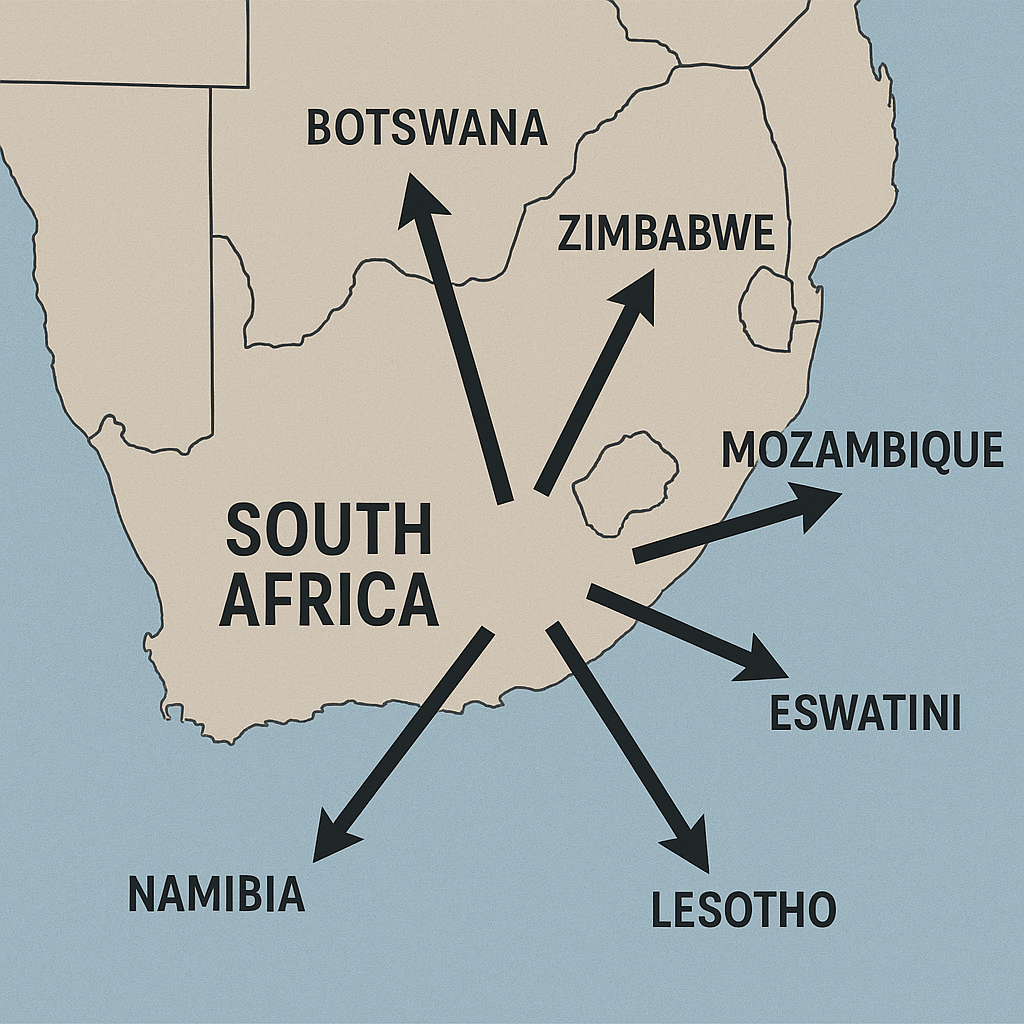
South Africa intensifies migration enforcement, processing over 53,000 foreign nationals for deportation/repatriation amid civil unrest.
South Africa is cracking down on migration with a big five-point plan, treating it like a huge emergency. They've sent home over 53,000 foreign people, mostly from Malawi, Zimbabwe, and Mozambique, in a short time. This intense effort is trying to stop lots of people coming in without permission and fix old problems, but it's causing fights and worries about human rights. Everyone is watching to see if this big push will really change things for good.
What is South Africa's current migration enforcement strategy?
South Africa's current migration enforcement strategy, unveiled by Minister Mmamoloko Kubayi, is a five-point plan. It focuses on improving border security, reducing unauthorized entry, upgrading the immigration system, implementing stricter legislation, and enhancing regional partnerships. This comprehensive approach signals a determined effort to manage what officials describe as a full-scale migration emergency.
Get Cape Town news in your inbox
Stay updated with the latest stories from the Mother City.
South African authorities have processed more than 53,000 foreign nationals for deportation or voluntary departure in recent weeks, marking an unprecedented surge in migration enforcement. This massive operation, coordinated by the Inter-Ministerial Committee on Migration, responds to immediate civil unrest while exposing long-standing structural challenges that have defined the nation's immigration approach for over thirty years.
The scope of this crackdown reflects both reactive measures to public disorder and proactive efforts to reshape migration governance. As tensions flare between enforcement priorities and humanitarian obligations, the operation reveals complex dynamics at play across Southern Africa's most significant migration corridor.
The Five-Point Strategy: Blueprint for Migration Control
Justice and Constitutional Development Minister Mmamoloko Kubayi recently unveiled a comprehensive five-point strategy that extends well beyond immediate border enforcement. This framework targets border security improvements, unauthorized entry reduction, immigration system upgrades, stricter legislation, and enhanced regional partnerships. Together, these pillars signal Pretoria's determination to confront what officials increasingly describe as a full-scale migration emergency demanding sweeping intervention.
The demographic breakdown of processed individuals exposes clear regional patterns. Malawian citizens account for roughly four-fifths of those affected, with substantial contingents from Zimbabwe and Mozambique trailing behind. This distribution mirrors migration pathways forged across generations, shaped by economic gaps, colonial connections, and regional integration initiatives that have simultaneously enabled lawful mobility and irregular crossings.
The operation's reach stretches far beyond Southern African Development Community borders. Among 2,650 returnees sent to non-SADC nations, Nigerian citizens numbered 1,159, Ugandans reached 939, Kenyans totaled 431, and Republic of Congo nationals accounted for 86. Arranging these transfers demanded extensive coordination with embassies and diplomatic missions, adding layers of complexity to an already formidable logistical undertaking.
Human Realities on the Ground
The Temporary Repatriation Processing Centre in Musina has handled over 20,000 migrants, illustrating the immense operational demands of large-scale enforcement. Officials now contemplate reducing this facility's capacity as repatriation volumes decrease, suggesting a shift from emergency mobilization toward sustainable long-term management. Yet humanitarian complications persist - hundreds of foreign nationals remain stranded outside the Home Affairs repatriation centre in Epping, where volunteers including Mistopher Ncube continue pressing for additional transportation support.
June 2026 saw 4,898 deportations, which Minister Kubayi characterized as routine monthly activity. Combined with 15,398 deportations executed between April and June, plus upwards of 2,500 coordinated law enforcement actions nationwide, these figures demonstrate substantially expanded governmental capacity for migration control.
The judicial response has proven equally robust. Authorities have initiated 205 criminal prosecutions, made 350 arrests, and advanced 112 cases to courts. This predominant framing of irregular migration as criminal conduct - rather than administrative or humanitarian matter - has sparked considerable controversy domestically and internationally, with critics questioning whether punitive approaches address root causes or merely displace visible symptoms.
Protests, Violence, and Diplomatic Fallout
Demonstrations engulfing Gauteng, KwaZulu-Natal, and the Western Cape on 30 June 2026 unleashed the latest wave of anti-immigrant hostility that has periodically destabilized South African society. The unrest triggered rapid governmental reactions across the continent, with Ghana, Malawi, and Nigeria organizing emergency evacuation flights amid mounting safety anxieties. This swift diplomatic mobilization underscores both the severity of security threats and the extraordinary sensitivity surrounding migration in Africa's bilateral relationships.
South Africa's experience with xenophobic violence stretches back to the early democratic period. Catastrophic outbreaks in 2008 and 2015 killed dozens and displaced tens of thousands. Despite repeated governmental pledges to tackle underlying drivers, these incidents keep recurring - indicating entrenched structural forces that enforcement-centric solutions cannot alone resolve. Informal sector competition for limited economic opportunities, acute urban housing shortages, and political exploitation of anti-immigrant sentiment all perpetuate these cycles.
Regional Forces Shaping Human Mobility
Comprehending South Africa's migration pressures requires examining regional economic architectures that established the country as Africa's premier migration destination. The 1994 democratic transition coincided with market liberalization and global reintegration, generating employment magnets that drew workers continent-wide. South Africa's comparatively stable democratic institutions, set against neighboring conflict and governance failures, amplified its appeal for those seeking security and opportunity.
Zimbabwe's economic collapse beginning in the late 1990s produced particularly massive population movements. At peak moments, several million Zimbabweans resided in South Africa, substantial numbers lacking proper documentation. Political violence during 2008-2009 and subsequent instability sustained these flows even as conditions evolved. Mozambique's generations-old labor migration traditions to South African mines and farms created social networks that continue channeling contemporary movement.
Environmental pressures increasingly compound these established patterns. Southern Africa faces escalating drought cycles, with the 2015-2017 El Niño episode ravaging agricultural output regionwide. The Intergovernmental Panel on Climate Change has singled out southern Africa as exceptionally climate-vulnerable, projecting that environmental displacement will likely mount substantially in coming decades.
Policy Contradictions: Rights, Enforcement, and Political Realities
Minister Kubayi's admonition against citizen vigilantism recognizes a core contradiction in South African migration governance. While the state claims exclusive authority over enforcement, popular sentiment frequently treats unauthorized migration as appropriate target for direct community action. This gap between formal policy and grassroots practice complicates implementation and leaves migrants vulnerable to violence regardless of official adherence to legal standards.
South Africa's migration law embeds considerable safeguards rooted in constitutional human rights guarantees and international treaty obligations including the 1951 Refugee Convention and 1969 OAU Refugee Convention. The 1998 Refugees Act created asylum procedures that, despite implementation shortcomings, afford meaningful legal protections. Conflict between these commitments and enforcement-heavy approaches has produced extensive courtroom battles, with South African judges repeatedly blocking executive overreach to defend migrant rights.
The Department of Home Affairs has endured persistent capacity criticism. Backlogs in asylum adjudication, document production, and deportation processing leave individuals suspended in legal limbo for years. Recent modernization drives - biometric enrollment systems, digital application portals - attempt to remedy these structural weaknesses, though rollout obstacles continue hampering effectiveness.
Neighbors, Remittances, and Development Trade-offs
Strengthened collaboration with neighboring states, designated a strategic priority, engages thorny migration-development questions. South African remittances represent crucial income streams throughout the region, with annual outflows estimated in billions of rand. The World Bank identifies South Africa as among Africa's leading remittance sources, with developmental effects extending past individual beneficiaries to community infrastructure and local economies.
Deportation and repatriation thus implicate development considerations that resist simple enforcement solutions. Malawi's prominence in recent returnee statistics occurs as remittances substantially bolster national income and household food security. Mozambican authorities' engagement with South African counterparts similarly unfolds against substantial economic interdependence.
The 2005 SADC Protocol on Facilitating Movement of Persons, imperfectly implemented, established regional mobility frameworks still pertinent to current debates. South Africa's selective application - maintaining visa requirements for most SADC citizens while easing entry for skilled professionals - exemplifies friction between regional integration promises and domestic political demands for migration restriction.
Global Context and Future Trajectories
South Africa's enforcement surge unfolds amid worldwide intensification of border controls and restrictive migration policies. The European Union's migration control externalization through North African partnerships, Australia's offshore processing regime, and American deportation expansion all represent comparable deterrence-focused models.
Yet South Africa's standing as a major Global South destination, combined with its constitutional and international legal obligations, creates unique conditions distinguishing its circumstances from these Northern parallels. Absent equivalent extraterritorial processing mechanisms, and with domestic constitutional protections remaining applicable to all territory residents, legal frameworks constrain enforcement options available elsewhere.
The African Union's Agenda 2063 and advancing Continental Free Trade Area negotiations incorporate mobility provisions potentially reshaping regional migration over time. South Africa's involvement in these processes, alongside bilateral and SADC-level engagements, generates multiple policy forums where migration governance undergoes simultaneous contestation and construction.
Civil society organizations - including Lawyers for Human Rights, the Scalabrini Centre, and the African Centre for Migration and Society - actively monitor enforcement conditions, documenting detention facility standards, legal representation deficiencies, and procedural violations that fuel advocacy and litigation. The Independent Police Investigative Directorate's authority to examine custody deaths, including those arising from migration operations, provides institutionalized oversight despite resource limitations affecting effectiveness.
Processing 53,000-plus individuals in weeks rather than months or years tests institutional capacity for rights-respecting implementation. Coming months will clarify whether this surge constitutes temporary crisis response or durable transformation of South African migration governance architecture.
What is South Africa's current migration enforcement strategy?
South Africa has implemented a comprehensive five-point plan to address what it terms a "full-scale migration emergency." This strategy, unveiled by Justice and Constitutional Development Minister Mmamoloko Kubayi, focuses on five key areas: improving border security, reducing unauthorized entry, upgrading the immigration system, implementing stricter legislation, and enhancing regional partnerships. This multi-faceted approach aims to manage and control migration more effectively, signaling a determined effort by the government to reshape its migration governance.
How many foreign nationals have been processed in this recent crackdown?
In a significant and unprecedented surge in migration enforcement, South African authorities have processed over 53,000 foreign nationals for either deportation or voluntary departure in recent weeks. This massive operation highlights the scale of the government's efforts to address its migration challenges, with the majority of those processed originating from neighboring countries such as Malawi, Zimbabwe, and Mozambique.
Which nationalities are primarily affected by this enforcement operation?
The demographic breakdown of individuals processed in this operation shows a clear regional pattern. Malawian citizens account for approximately four-fifths of those affected, making them the largest group. Significant contingents also come from Zimbabwe and Mozambique. Beyond the SADC region, notable numbers of individuals from non-SADC nations have also been processed, including 1,159 Nigerians, 939 Ugandans, 431 Kenyans, and 86 Republic of Congo nationals.
What are the human rights concerns and controversies surrounding this crackdown?
The migration crackdown has sparked considerable controversy, both domestically and internationally, regarding human rights. Critics question whether the punitive approach, which often frames irregular migration as criminal conduct, addresses the root causes of migration or merely displaces symptoms. There are concerns about humanitarian complications, with some foreign nationals reportedly stranded, and the consistent history of xenophobic violence in South Africa raises fears for the safety and well-being of migrants. Civil society organizations actively monitor enforcement conditions, documenting potential procedural violations and defending migrant rights.
What are the underlying causes of migration to South Africa?
South Africa's position as Africa's premier migration destination is shaped by a complex interplay of regional economic, political, and environmental factors. The country's democratic transition and market liberalization created economic opportunities, drawing workers from across the continent. Economic collapses in neighboring countries, such as Zimbabwe, and political instability have also driven significant population movements. Additionally, increasing environmental pressures, including escalating drought cycles in Southern Africa, are projected to further compound migration patterns in the coming decades.
How does South Africa's migration strategy fit into the global context?
South Africa's intensified border controls and restrictive migration policies are part of a global trend mirroring similar approaches in the European Union, Australia, and the United States. However, South Africa's unique position as a major Global South destination, coupled with its constitutional human rights guarantees and international treaty obligations (such as the 1951 Refugee Convention and 1969 OAU Refugee Convention), creates specific constraints on its enforcement options. These legal frameworks often lead to courtroom battles where South African judges have repeatedly intervened to protect migrant rights, distinguishing its approach from those of some Northern counterparts.

Thabo Sebata is a Cape Town-based journalist who covers the intersection of politics and daily life in South Africa's legislative capital, bringing grassroots perspectives to parliamentary reporting from his upbringing in Gugulethu. When not tracking policy shifts or community responses, he finds inspiration hiking Table Mountain's trails and documenting the city's evolving food scene in Khayelitsha and Bo-Kaap. His work has appeared in leading South African publications, where his distinctive voice captures the complexities of a nation rebuilding itself.
View all articles →