
Paarl icon, Zomerlust Boutique Hotel welcomes a new chapter
Discover Zomerlust: a Paarl hotel where three centuries of history, exquisite design, and culinary artistry converge in a timeless experience.
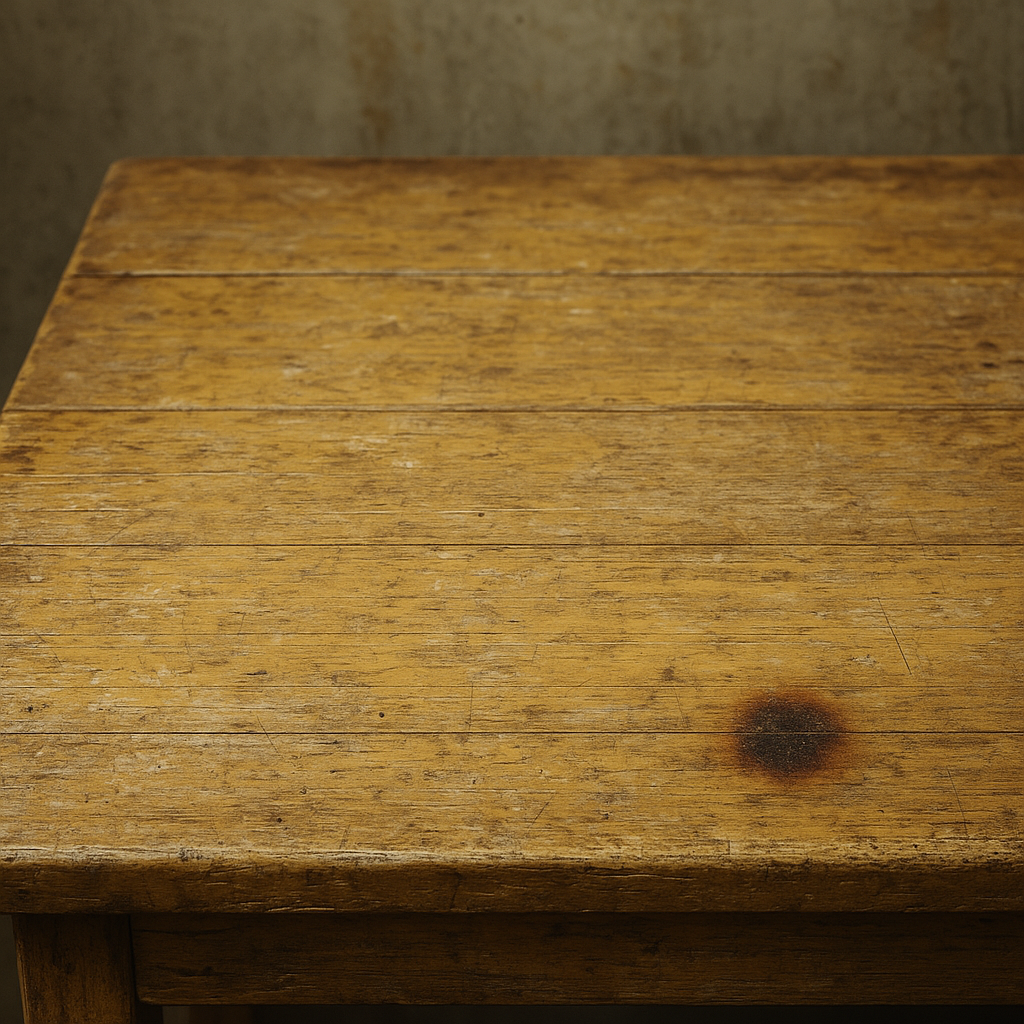
Zomerlust is an old estate in Paarl that has been many things, like a farm and a toll office, but is now a fancy hotel. It keeps its old marks and stories, like a small burn on a counter, which makes it special. Every part of Zomerlust, from its smells to its rooms, tells a tale of the past while offering modern comforts. It's a place where history is not just remembered, but lived, blending old and new beautifully.
What is Zomerlust?
Zomerlust is a historic estate in Paarl that has transformed from a farmstead into a boutique hotel, preserving centuries of history within its walls. It seamlessly blends past identities like a toll office and guesthouse with modern luxury, offering guests a unique experience where every detail tells a story.
Get Cape Town news in your inbox
Stay updated with the latest stories from the Mother City.
Sunday Echoes, Milkshake Memories
A hazy Sunday in 1980: church bells drift along the Berg River basin while sunlight slips through a coral tree that has sheltered Zomerlust’s front verandah since the mid-nineteenth century. Inside the bar - smoking still legal - a thin veil of cigarette mist hovers, and a small boy swirls the last of his vanilla shake while old Mr. van der Merwe recounts how British officers once pored over battlefield telegrams beneath that very tree. Four decades later the same boy, now silvery-bearded and a renowned plantsman, strides back onto the stoep, spots the faint ring burned into the yellow-wood counter by his childhood glass, and smiles at the untouched scar. Nothing has been patched, merely polished; the blemish has become a living footnote in an ever-growing chronicle.
That mark is one of countless details anchoring the present to every era the house has survived. The coral tree still drops scarlet blossoms onto the same slate tiles. The air still smells of citrus wood-smoke at dusk. Yet the building has slipped through identities - farmstead, toll office, municipal rooms, guesthouse, boutique hotel - without ever erasing its own footprints. What began as “the big house at the bend” now scripts new chapters without tearing out the old ones, and a single scorch ring is enough to fold yesterday into today with no crease showing.
Like palimpsest parchment scraped clean yet never blank, Zomerlust keeps its earlier drafts faintly visible: iron nails whittled into star-shapes, wattle-and-daub patches the colour of river clay, axe scores on beams still oozing resin after two-hundred-plus summers. Guests walk on them, sleep beneath them, drink beside them, unaware that every footstep adds another line to the manuscript.
From Toll Gate to Luxury Loft
Deeds, Springs and Wheel-ruts
Pieter Coetzen, wagon-builder, nailed his name to the first parchment in 1716, lured by a spring that still whispers beneath the wine cellar. By 1785 wheat lofts, a smithy and Die Stalle - the elongated stables - framed a working yard. When Lord Charles Somerset upgraded the colony’s roads, Zomerlust’s front chamber collected tolls from ox-teams heading inland; today that room checks in travellers again.
Ghost Initials in the Grain
Suite 7 hides its own archive: yellow-wood beams carry the initials “PC” for Coetzen, and just below, “IB 1832” records Isak Basson, the mason who expanded the cellar after phylloxera ravaged the Cape’s vines. Master carpenter Pieter van Reenen spent a winter lifting paint strata with scalpels and citrus gel until the brand-marks surfaced like fossils freed from shale.
Stables Turned Suites
Die Stalle now host four jewel-box suites. Guests wake to fynbos scent drifting through stable doors repurposed as headboards. Paarl Mean Time - farmers’ solar time before the railway forced Greenwich conformity - still rules the courtyard sundials whose shadows tick across beds of wild garlic and renosterbos.
Designing with Aroma, Colour and Memory
The Invisible Perfume
Interior designer Misi Overturf began with fragrance. Working with Swellendam botanical perfumers, she created “Zomer 1716”: first a burst of buchu and pelargonium, then cedar from dismantled vat staves, finally a wisp of kapok-bush smoke. Programmed diffusers release the accord at dawn and during four-o’clock tea, anchoring involuntary memories for anyone who returns.
Pigments from the Valley
Colour palettes borrow from the immediate landscape: Brandwacht iron-stone umber, spekboom-sage, and the inside-blush of a just-split quince. Instead of imported wallpaper, corridors wear hand-painted murals by inmates of Drakenstein’s restorative-arts programme; vine tendrils swell into barbed wire and unravel again, a quiet riff on captivity and release.
Rooms as Miniature Archives
Each chamber centres on a single relic. Suite 3 - “Die Postmeester” - still receives mail slid through an 1850s brass slot: wax-sealed envelopes carry poems by Antjie Krog or a sliver of pressed lavender. Room 9 - “De Bergen” - is dressed in slate slabs salvaged from Wellington; faint chalk tallies record how stone-carver Moses February kept accounts in tiles when coins were scarce.
Mattresses rest on springs wrapped in Caledon merino wool and jacquard ticking printed with abstract proteas. Linen comes from Calvinia looms, dyed in pomegranate for a hue locals call “veld dusk.” Headboards are carved from dismantled Franschhoek water tanks - tin once used to irrigate vines now frames dreams.
SME Flames, Maze of Thorns, and Time-Travelling Wheels
SMEUL: Cooking with Heat, Not History
Chef Kevin Grobler’s passport holds stamps from Etxebarri, the Australian outback and Botswana bush, yet flame remains his mother tongue. SMEUL’s hearth fuses Paarl granite with a cast-iron firebox salvaged from Stellenbosch’s old rail depot. Menus shift with the moisture content of oak logs rather than calendar months. Dawn may deliver kudu bresaola draped over blistered roosterkoek; dusk could unveil ember-buried cauliflower cracked open to reveal smoked labneh and citrus ash.
Dessert arrives under a glass cloche: hot malva pudding exhales a curl of rooibos smoke when released. No bookings are taken for the eleven-seat chef’s counter; doors open at six sharp. Vinyl spins Abdullah Ibrahim as the sun drops, Miriam Makeba once plates are cleared. Guests who linger retreat to the Smoekamer, a glass cube in the old wagon ramp where chef jackets signed by Margot Janse, Kobus van der Merwe, and poet-luminary Yemisi Aribisala hang like secular relics.
Perfumed Thorns and Wikipedia-Sun-Dials
Head gardener Lindiwe September curates the 6 500-square-metre plot as “renosterveld in filtered shade.” Indigenous edibles - num-num, wild garlic, dune spinach - flirt with Huguenot roses. A Fibonacci spiral of 400 Acacia karroo saplings will, in seven summers, spell the first line of Ingrid Jonker’s “The child is not dead” when viewed from the Sun Stoep.
Harry’s Silver Cloud and Four Curated Drives
The 1965 Silver Cloud III once ferried magnate Harry Oppenheimer; now its bottle-green leather (matched to the shutters) chauffeurs guests on four routes: the rock-art gorges of Limietberg; clandestine cellars like Lukas van Loggerenberg and Testalonga; a Cape-Malay kitchen supper in Wellington; or a 03:30 ascent of Paarl Mountain for dawn and rooibos-infused espresso. Each guest receives a Polaroid pinned to a hand-drawn map whose palette shifts from sepia dormancy to water-colour ripeness.
Tapestry That Will Bloom with Salt
Inside the library, Jeanne-Marie Mouton weaves fourteen metres of sisal dyed with onion, pomegranate and indigo. In November the tapestry will be submerged in the estate spring, dried against the wall, and left for mineral salts to effloresce into ghost-white blossoms - the library’s future fossils.
On Thursday evenings Jürgen Meekel’s contact microphones tucked beneath corridor floorboards broadcast micro-creaks - boot leather, jacaranda seeds, cooling-system throbs - into the library for an involuntary duet between living guests and the long-gone.
Stone-mason Andile Ngqondo and six Drakenstein apprentices chisel lintels from 200-year-old kiaat pews: “the wood has heard enough prayers; it can shoulder a few more dreams.” Meanwhile, a keg-sized capsule waits beneath the cellar: 3-D scans of every floorboard, a 2020 Chenin, today’s Cape Times and a 16th-century trade bead. It opens 3 November 2116, three centuries after Coetzen’s ink dried.
A brass plaque under each basin reminds guests that the water swirling down the granite sink will, by sunrise, nourish lemon-scented verbena. Past, present and plant life loop together with the quiet efficiency of a heartbeat.
[{"question": "
What is Zomerlust and what makes it unique?
\nZomerlust is a historic estate in Paarl, South Africa, that has transformed from a farmstead and toll office into a luxurious boutique hotel. Its uniqueness lies in its seamless blend of centuries of history with modern comforts. Every detail, from the aroma of custom-made perfumes to original architectural elements, tells a story, making guests feel as though they are \"living\" history rather than just observing it. Marks like a small burn on a counter, preserved from childhood memories, exemplify how the past is cherished and integrated into the present experience.
\n", "answer": null}, {"question": "What historical roles has Zomerlust played throughout its existence?
\nZomerlust has had a fascinating evolution, starting as a farmstead established by Pieter Coetzen in 1716. It later served as a toll office, collecting dues from ox-teams traveling inland. Over the centuries, it has also been a guesthouse, municipal rooms, and \"the big house at the bend,\" continuously adapting while preserving its historical integrity. Today, it stands as a boutique hotel, where these past identities contribute to its rich narrative.
\n", "answer": null}, {"question": "How does Zomerlust incorporate its history into the guest experience?
\nZomerlust meticulously weaves its history into every aspect of the guest experience. Guests can find preserved details like iron nails, wattle-and-daub patches, and axe scores on beams. Suites feature original elements, such as yellow-wood beams with initials from historical figures (e.g., PC for Coetzen, IB 1832 for Isak Basson). Even the stables have been converted into unique suites, with stable doors repurposed as headboards. The hotel also uses local pigments for its decor and features unique relics in each room, like an 1850s brass mail slot in Suite 3, allowing guests to actively engage with the past.
\n", "answer": null}, {"question": "What unique design elements and sensory experiences can guests expect at Zomerlust?
\nZomerlust offers a multi-sensory journey. Interior designer Misi Overturf collaborated with botanical perfumers to create a custom fragrance, \"Zomer 1716,\" diffused at specific times to evoke memories. Colour palettes are inspired by the local landscape, and corridors feature hand-painted murals by participants in a restorative-arts program. Mattresses are crafted with Caledon merino wool, linen comes from Calvinia looms, and headboards are made from repurposed Franschhoek water tanks, ensuring a connection to local craftsmanship and materials. Even the water in the basins is linked to the estate's plants, with a plaque reminding guests it will nourish lemon-scented verbena by morning.
\n", "answer": null}, {"question": "What culinary experiences are available at Zomerlust's restaurant, SMEUL?
\nSMEUL, Zomerlust's restaurant led by Chef Kevin Grobler, focuses on flame-based cooking. The hearth, a blend of Paarl granite and a salvaged cast-iron firebox, sets the tone. Menus are fluid, changing with the moisture content of oak logs rather than calendar months, offering dishes like kudu bresaola and ember-buried cauliflower. Desserts, such as hot malva pudding, are presented with dramatic flair, like a curl of rooibos smoke. The restaurant features an intimate eleven-seat chef's counter, with doors opening at six sharp, and plays vinyl records of South African jazz legends like Abdullah Ibrahim and Miriam Makeba.
\n", "answer": null}, {"question": "What activities and excursions does Zomerlust offer guests?
\nZomerlust provides a range of curated experiences. The head gardener, Lindiwe September, maintains a \"renosterveld in filtered shade\" garden with indigenous edibles, including a unique Fibonacci spiral of Acacia karroo saplings that, in time, will spell out a line of Ingrid Jonker's poetry when viewed from the Sun Stoep. Guests can be chauffeured in a 1965 Silver Cloud III, once owned by magnate Harry Oppenheimer, on four distinct routes: exploring the rock-art gorges of Limietberg, visiting clandestine cellars, enjoying a Cape-Malay kitchen supper in Wellington, or ascending Paarl Mountain for a dawn viewing with rooibos-infused espresso. Each guest receives a Polaroid and a hand-drawn map to commemorate their journey.
\n"}]
Tumi Makgale is a Cape Town-based journalist whose crisp reportage on the city’s booming green-tech scene is regularly featured in the Mail & Guardian and Daily Maverick. Born and raised in Gugulethu, she still spends Saturdays bargaining for snoek at the harbour with her gogo, a ritual that keeps her rooted in the rhythms of the Cape while she tracks the continent’s next clean-energy breakthroughs.
View all articles →