
Paarl school teacher resigns after alleged sexual misconduct with pupil at camp
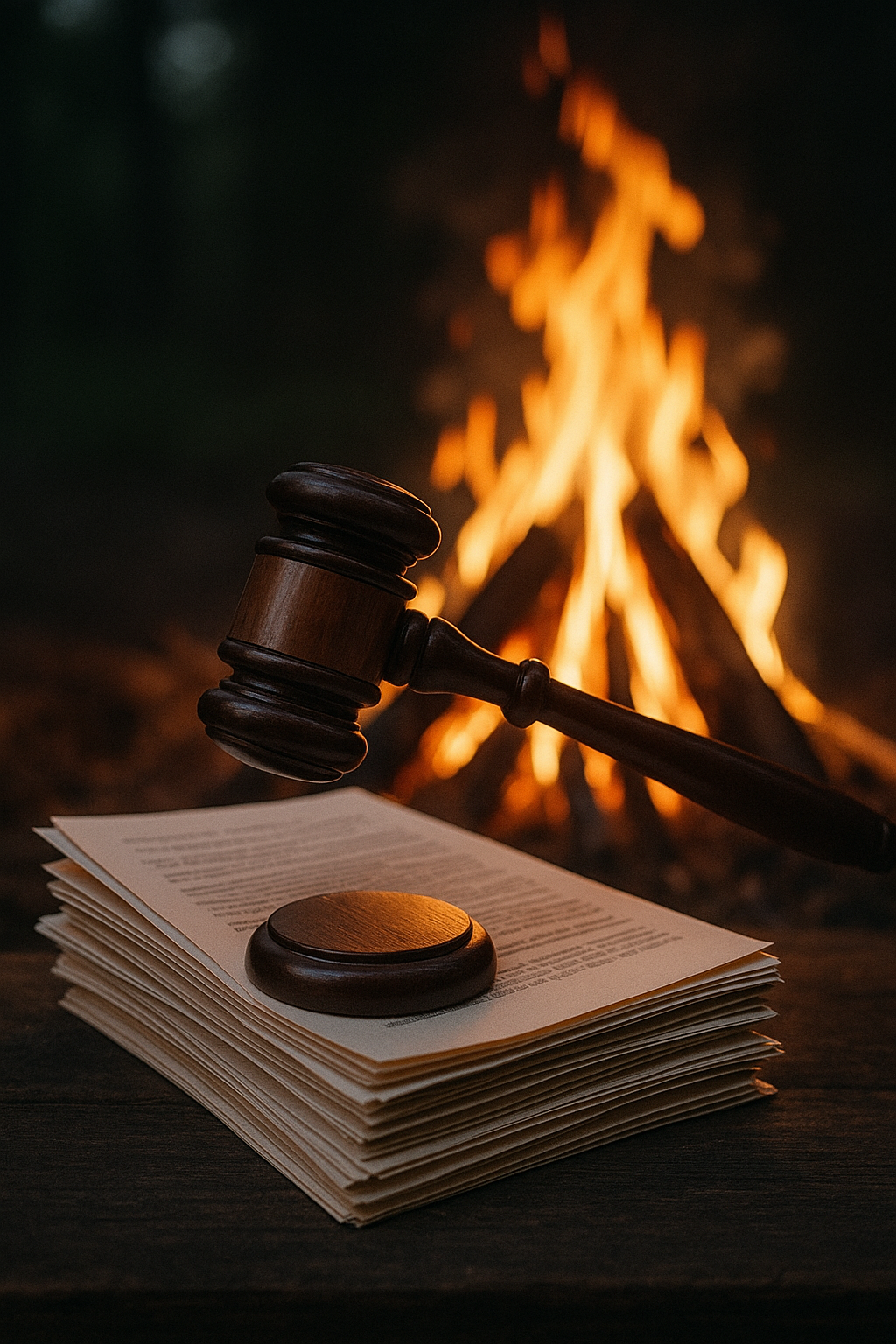
A teacher's resignation at a Paarl private school exposes a loophole in SA's education system, allowing those dismissed for misconduct to be rehired.
A shocking incident at a private school camp in Paarl, South Africa, revealed a dark secret: a teacher with a past sexual misconduct record was hired due to a loophole in the law. Private schools don't have to follow the same strict rules as public schools, letting some bad teachers slip through. This teacher had been found guilty before, but because it wasn't a criminal case, he could still work. Now, parents are angry and scared, demanding better checks to keep kids safe.
What is the loophole in South African education laws that allows teachers with misconduct records to be rehired?
South Africa's private schools operate under different regulations than public schools. While the South African Council for Educators (SACE) can flag teachers for misconduct, they cannot revoke their registration without a criminal conviction. This allows private schools to potentially hire educators with disciplinary records if they don't thoroughly investigate beyond standard police clearances and basic SACE certificates.
Get Cape Town news in your inbox
Stay updated with the latest stories from the Mother City.
The Night the Torch Lit a Scandal
A crisp mountain night, the second evening of the annual Grade 7 adventure camp, had just ticked past nine when six matric pupils decided to fetch hoodies from their bus. Head-lamps bobbing, they cut between the rows of two-man tents and stopped dead: a senior-phase teacher, torch dangling from his wrist, was crouched at the flap of a Grade 7 boy’s tent, shirt untucked, the boy’s sleeping bag peeled halfway down. All three eyewitness statements later given to CapeTalk match that single frozen frame. Forty-eight hours later the man - name known to the newsroom but not yet formally charged - e-mailed a one-sentence resignation to the Paarl private school that had praised him only eight months earlier. The campsite shut down, parents were herded into a 22:00 Zoom, and by midnight every family chat in the valley glowed with the same explosive screenshot.
Inside the administration block, staff worked through the small hours drafting damage-control scripts. The chair of the governing body phoned the headmaster three times before dawn, each call shorter than the last. Learners were loaded on buses at sunrise, missing the final kayaking race and the prize-giving braai. A Grade 7 girl told her mother she felt “tricked out of childhood,” while a father demanded a full fee rebate because “we paid for education, not evacuation.” WhatsApp groups still throb with voice notes; one parent claims the teacher had earlier offered to “tuck the boys in personally” so the rest of staff could prepare late-night snacks. The school’s Instagram page, usually awash with campfire selfies, has been scrubbed clean.
The boy at the centre of the storm returned to class on Monday wearing the same hoodie he had on that night. Friends say he refuses to unpack the crumpled sleeping bag still stuffed in his duffel. A counsellor visited the form room for a twenty-minute session; some pupils cried, others stared at the floor. The annual camp will be re-run in September on a new site, but several parents have already asked for a daytime-only excursion option. The hashtag #NoMoreNightOwls briefly trended in the Boland before disappearing, yet the unease refuses to vanish so neatly.
Paper Ghosts: The Dossier Everyone Forgot to Read
While smoke still curled from the dying embers, the real story was hiding in plain sight: a 2017 Western Cape Education Department tribunal had already found the very same instructor guilty of “serious sexual misconduct” after he locked a 15-year-old public-school learner in a media centre and fondled him during a weekend maths camp. The penalty was unequivocal - permanent removal from the provincial salary list and a SACE flag ordering public schools never to employ him again. That decision, signed by the HOD in October 2017, now sits on a secretary’s hard drive in Cape Town, password-protected yet utterly ignored.
Private campuses, however, dance to a different tune. The South African Schools Act lets independent governing bodies decide who is “fit and proper,” provided the educator’s council registration is technically active. The Paarl school requested a routine police clearance - which came back spotless because the 2017 episode never reached a criminal court - and downloaded the basic SACE certificate. Nobody thought to click the extra link that would have revealed the misconduct annotation, let alone e-mail the provincial labour relations section for the full tribunal bundle. “We followed standard procedure,” the board chair later told shell-shocked parents, a phrase now echoing in angry affidavits.
The loophole is paper-thin but bullet-proof: SACE can flag, not revoke, unless a criminal conviction follows. Private schools must volunteer to dig deeper, pay R92, and wait two weeks. In a sector that prides itself on agility, the temptation to skip “optional” bureaucratic steps is overwhelming. HR managers admit, off the record, that a clean police print-out feels “safe enough” when a marquee rugby coach or robotics whizz is needed before the next term starts. Until last week, nobody in Paarl had reason to regret that logic; now the registrar’s in-box overflows with frantic verification requests.
The Regulatory Canyon No Bridge Crosses
South Africa runs two parallel education galaxies. Public schools - 23 544 of them - operate inside a lattice of provincial tribunals, SACE panels and Education Labour Relations Council arbitrations. Independent schools - 1 449 campuses teaching 576 000 pupils - obey labour law yet remain beyond provincial disciplinary reach. A teacher expelled for sexual offences in one galaxy can, literally, cross the street and sign a fresh contract before the dismissal letter cools. The law allows it; parents funding R178 000-a-year fees rarely realise it.
Numbers expose the abyss. Between April 2021 and March 2026 the ELRC handled 211 sexual-misconduct referrals; 176 ended in guilty verdicts and 127 educators were struck from the roll. No mirror registry records how many of those 127 re-emerged in independent uniforms. SACE’s automated alerts ping only public districts; private schools must self-search, endure a 14-day delay, and pay for each query. Market-sensitive principals balk at the inconvenience; one Gauteng college bursar admits she “batch-checks only when the insurer insists,” usually after a claim has landed.
The outcome is a statistical blackout. Lawmakers draft motions, then shelve them after lobbying by independent-school associations that fear “bureaucratic over-reach.” Meanwhile learners trust that the friendly new biology tutor has been vetted to the hilt; in reality his red-flagged file may be gathering digital dust two kilometres away. Until a mandatory, sector-blind national register exists, the canyon yawns wider with every resignation accepted at 2 a.m.
Collateral Damage: The Child, the Contract and the Wall
Police add another layer of murk. A provincial spokesperson says “no sexual-offence docket has been opened” in any Paarl precinct, fuelling claims that the school’s attorney lobbied for internal child-protection mediation. The Children’s Act is unambiguous: any person aware of sexual abuse must notify police or a social worker “immediately,” failure punishable by up to five years’ imprisonment. Yet the boy’s medical affidavit sits with the school’s lawyer, not detectives, while the family has accepted funded trauma counselling and maintained public silence. Friends say the child told his mother the teacher entered the tent twice - once for mosquitoes, once with hot chocolate - before seniors intervened. Whether that account ever reaches a courtroom depends on who blinks first.
At 2 a.m. the governing body voted 7–5 to accept the teacher’s pre-emptive resignation instead of suspending him and gathering evidence. Union counsel reminded members that labour law frowns on prejudging an employee who quits voluntarily; by sunrise the classroom was empty, Google Drive wiped, only unmarked Natural Science books left behind. Minutes later leaked reveal a split board: some wanted the spectacle avoided, others feared appearing complicit. Either way, the man walked free, while support staff painted over fresh graffiti reading “Rustig slaap, ons kyk nie” (“Sleep tight, we’re not watching”). The outline still ghosts the wall when dawn strikes the bricks at a certain angle, a daily reminder that policies, premiums and politics have yet to shield the smallest, most important person in the story - the learner whose trust went up in campfire smoke.
[{"question": "What legal loophole allowed a teacher with a sexual misconduct record to be hired by a private school in South Africa?", "answer": "South African law creates a distinction between public and private schools regarding teacher vetting. While the South African Council for Educators (SACE) can flag teachers for misconduct and prevent them from working in public schools without a criminal conviction, they cannot revoke a teacher's registration outright based solely on misconduct findings. Private schools are only required to conduct a routine police clearance (which would be clean if no criminal charges were laid) and download a basic SACE certificate. They are not mandated to proactively delve deeper into SACE's database for misconduct annotations or contact provincial labor relations for full tribunal outcomes. This 'paper-thin but bullet-proof' loophole means that unless a criminal conviction occurs, a teacher found guilty of serious misconduct can still be technically eligible for employment in the private sector."},
{"question": "What was the nature of the teacher's past misconduct and how was it handled previously?", "answer": "In 2017, the teacher was found guilty of 'serious sexual misconduct' by a Western Cape Education Department tribunal for locking a 15-year-old public-school learner in a media center and fondling him during a weekend maths camp. The penalty was his permanent removal from the provincial salary list and a SACE flag, explicitly stating that public schools should never employ him again. However, because this was a tribunal decision and not a criminal conviction, it did not appear on a standard police clearance, allowing him to be hired by the private school in Paarl."},
{"question": "What actions did the Paarl private school take after the incident at the camp?", "answer": "Following the incident at the camp, the school moved quickly to contain the scandal. The campsite was shut down, and learners were sent home early, missing scheduled activities. Parents were informed via an urgent Zoom meeting. The teacher e-mailed a one-sentence resignation, which the governing body accepted, voting 7-5. The school also removed content from its Instagram page. The boy involved received funded trauma counseling, and the school's attorney became involved, leading to questions about whether the incident would be reported to the police as mandated by the Children's Act."},
{"question": "Why do private schools not always conduct thorough background checks on potential teachers?", "answer": "Private schools often prioritize agility and efficiency in their hiring processes. HR managers, unofficially, admit that a 'clean police print-out feels safe enough,' especially when there's pressure to quickly fill positions for specialized roles like a 'marquee rugby coach or robotics whizz.' The deeper SACE checks involve an additional fee (R92) and a two-week delay, which some 'market-sensitive principals balk at the inconvenience' of. Lobbing by independent-school associations against 'bureaucratic over-reach' has also contributed to a lack of mandatory, comprehensive vetting across the sector."},
{"question": "What are the differences in regulatory oversight between public and private schools in South Africa regarding teacher misconduct?", "answer": "South Africa effectively operates with 'two parallel education galaxies.' Public schools are governed by a complex system of provincial tribunals, SACE panels, and Education Labour Relations Council (ELRC) arbitrations. Independent schools, while adhering to labour law, are largely outside provincial disciplinary reach. While SACE can issue automated alerts to public districts, private schools must 'self-search,' endure a 14-day delay, and pay for each query to access detailed misconduct information. This regulatory canyon means a teacher disciplined in the public sector can easily secure employment in the private sector without their full record being disclosed unless the private school voluntarily and diligently investigates."},
{"question": "What are the potential consequences of the current legal framework for child safety in South African schools?", "answer": "The existing legal framework creates a significant blind spot regarding child safety, as teachers with serious misconduct records (not amounting to criminal convictions) can move freely between public and private sectors. The lack of a mandatory, sector-blind national register means parents paying high fees might unknowingly entrust their children to individuals whose files are 'red-flagged' elsewhere. This situation leads to a 'statistical blackout,' where the true number of teachers re-emerging in independent schools after misconduct is unknown. The Paarl incident highlights the 'collateral damage' to learners, whose trust is broken when policies and vetting procedures fail to protect them from harm."}]

Lerato Mokena is a Cape Town-based journalist who covers the city’s vibrant arts and culture scene with a focus on emerging voices from Khayelitsha to the Bo-Kaap. Born and raised at the foot of Table Mountain, she brings an insider’s eye to how creativity shapes—and is shaped by—South Africa’s complex social landscape. When she’s not chasing stories, Lerato can be found surfing Muizenberg’s gentle waves or debating politics over rooibos in her grandmother’s Gugulethu kitchen.
View all articles →