
Paarl steroid lab: Two more suspects granted bail
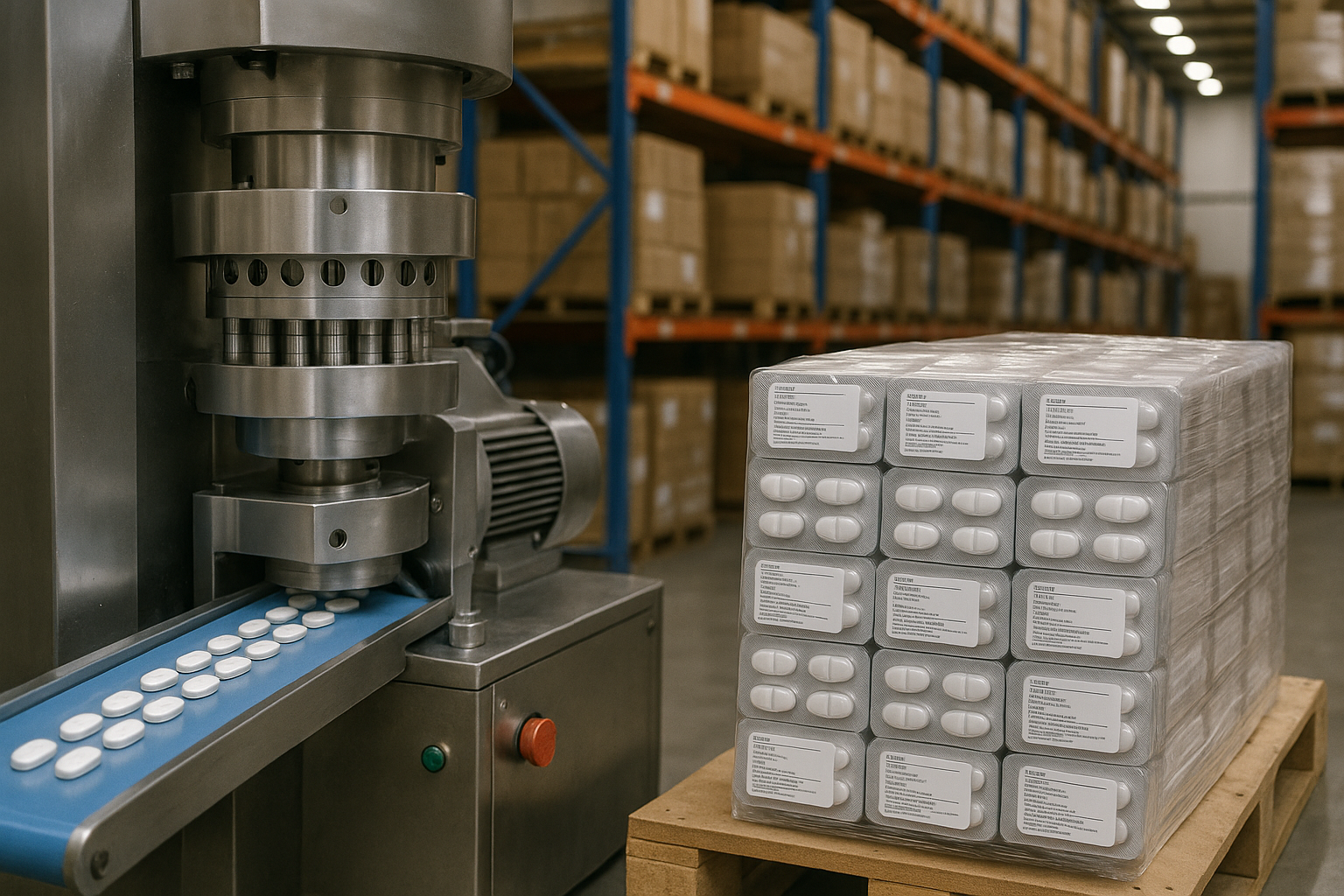
Inside a hidden Paarl warehouse, investigators busted a steroid lab producing 6,000 pills/hour, supplying gyms & schools.
In Paarl, a secret factory churning out fake steroids was busted. It was a messy, dangerous place making drugs that looked real but could seriously harm people. Cops found it after tracking a suspicious package for ages. The people running it were selling these bad drugs to athletes, even high school kids. This story shows how easy it is to make big money from fake steroids, but also how risky they are for anyone who uses them.
What is a hidden factory for steroids?
A hidden factory for steroids is a clandestine operation, often in an unassuming location like a warehouse, that illegally manufactures performance-enhancing drugs. These factories produce counterfeit or unregulated steroids, often using raw materials from abroad, and distribute them through illicit channels, posing significant health risks to users due to unhygienic conditions, incorrect dosages, and dangerous ingredients.
Get Cape Town news in your inbox
Stay updated with the latest stories from the Mother City.
From Postal Bait to Industrial Bust
On 12 February 2025 the roller gate of an unremarkable corrugated-iron building on Paarl’s industrial fringe cranked upward to reveal a pharmacist’s nightmare. Rows of clear crates overflowed with blank capsules, a Chinese tablet press hammered out 6 000 tablets every hour, and an oven liberated from a bakery sealed blister packs at exactly 165 °C. Every sky-blue pill carried the logo of a well-known licit brand; every foil card wore a hijacked SAIDS batch code. Investigators estimate the single shift they interrupted would have churned out 1,2 million units before March - enough to stock every gym from Cape Point to the Orange River twice.
The thread that tugged the lid off this operation was spun two years earlier, 1 300 km north. In mid-2023 customs beagles at OR Tambo’s mail hub grew twitchy over two anonymous parcels headed for a Paarl East postbox. Inside, officers found 200 g of fluffy white testosterone enanthate - feedstock for 4 000 ten-millilitre vials once grapeseed oil and solvent are whisked in. SAHPRA’s forensic unit confirmed 98 % purity, far higher than typical gym-basement brews. Rather than burn the evidence, the Hawks swapped the powder for lactose, tucked in a coin-sized GPS beacon and slid the package back into the postal stream. For 18 months the tracker bounced between storage lockers, flats and eventually the warehouse a nine-iron shot from the N1, letting agents draw a living map of the distribution nerve.
When the warrant was finally served, the floor plan read like a narcotic supermarket. Colour-coded whiteboards listed first-quarter sales targets: 15 000 Dianabol tablets to Cape Town boxing clubs, 5 000 Winstrol tabs for a Stellenbosch rugby academy, 1 000 “specials” spiked with clenbuterol for pre-contest shredding. Beside each quota sat mobile numbers and one-hour delivery windows, proof the lab lived on a just-in-time creed that kept incriminating inventory low. A dairy fridge hummed with vials of human-growth hormone flown Shenzhen–Dubai–Durban, now wearing Afrikaans labels to soothe suspicious inspectors. Most impressive was a bench-top freeze-dryer that turned liquid nandrolone into scentless powder, ready to vanish inside a protein shake.
The Couple Who Clock In
Two suspects literally walked into the raid. Clementhea Barbara Stoffels, 40, once worked behind a legitimate dispensary counter until the Pharmacy Council erased her name in 2019 after stock mysteriously vanished. She stepped out of a silver hatchback clutching a staff access card and a clipboard spelling out next week’s production runs. Cheslin Cornelius, 39, used to sell creatine from a Bellville mall kiosk; this morning he lugged R78 000 in mixed notes and a USB drive whose encrypted spreadsheets mirrored the whiteboard tally to the last tablet. Both were charged under section 22C of the 1965 Medicines Act for cooking Schedule 4 drugs without a licence, plus racketeering add-ons that can park a defendant behind bars for 25 years. Freed on R500 bail each, they will stand alongside three co-accused nabbed when the postal sting began, among them a Pakistani national investigators believe funnelled active ingredients through a shell chemical importer in Isando.
Profit, Peril and Paediatric Recalls
South Africa has uncovered only four home-grown steroid labs since 2020, yet detectives say the yield per gram dwarfs that of meth or mandrax kitchens. A single kilogram of wholesale testosterone enanthate costs roughly R8 000; once brewed into 10 ml vials peddled at R450 a pop, turnover rockets to R180 000 - a margin north of 2 000 %. Because muscle-seekers pin or swallow for months, demand stays steadier than weekend party-drug binges. UCT’s Sports Science Institute polled 650 recreational lifters in 2024: 29 % had been offered “gear” by a trainer, 12 % had jabbed within six months. SAIDS numbers show high-school rugby positives up 38 % year-on-year since 2021, corroborating that the needle has moved from elite changerooms to teenage backpacks.
Cut-rate chemistry writes cheques the body must later cash. SAHPRA analysed 44 vials seized in Paarl: two held bacterial endotoxin 17 times the legal limit - enough to crash blood pressure within minutes of injection. Three vials labelled “test-prop 100 mg/ml” actually delivered 156 mg/ml, a dosage that can yellow eyes in a fortnight. One blister of fake Anavar contained methyltrienolone, an oral steroid 120 times more anabolic than testosterone and infamous for blood-filled liver cysts ready to rupture during tackles. Dr Karen Smit, head of endocrinology at Tygerberg Hospital, regularly treats 22-year-olds whose haematocrit tops 55 %, turning blood to ketchup and inviting early strokes. “They come in complaining of a migraine, unaware their red-cell count rivals an Andean climber,” she says.
Fake product also bleeds into legal supply chains. SAHPRA’s national cold-chain log records every international unit of growth hormone until it reaches a patient. The Paarl cache included 600 IU of Saizen bearing serial numbers cloned from a batch meant for a Pretoria children’s clinic. When the numbers popped up a second time, pharmacists got an automatic “double-dip” warning and Merck South Africa yanked the entire lot, leaving 42 paediatric growth-therapy patients without medication for three weeks while replacements were air-freighted from Germany.
Law, Loopholes and the Next Lab
Global supply arteries complicate matters further. Precursors sail from Guangzhou to Dubai labelled “flavour enhancers,” then slip into Durban inside tubs of legitimate whey. Bills of lading name a Dubai free-zone front whose directors are nominee straw men for a broker in Lahore. Hawks officials have filed mutual-legal-assistance requests with the UAE and Pakistan, yet bureaucratic lag averages 18 months, long enough for smuggling corridors to reroute. WhatsApp voice notes pulled from Cornelius’s handset haggle prices in English, Afrikaans, Urdu and Mandarin - evidence that the grey market speaks every dialect of profit.
Meanwhile the demand conveyor hums along. A 19-year-old fly-half at a Stellenbosch rugby boarding school told investigators he began jabbing “test-P” after a Karachi-hosted TikTok clip demonstrated the technique. He now buys weekly ampoules for R200 from a matric pupil who collects orders on Telegram, payment by Instant EFT, delivery inside hollowed-out rugby cones after night practice. Until that micro-economy is unplugged, analysts warn, the dismantling of every mother-lab will simply seed smaller, smarter pop-ups in suburban garages and wine-country storerooms - an evolutionary arms race rolling quietly beneath the winelands’ mountains, long after Paarl’s silent warehouse fades from the headlines.
What was the hidden factory in Paarl producing?
A hidden factory in Paarl was producing counterfeit steroids, including fake versions of well-known brands. They were found with a Chinese tablet press, blank capsules, and equipment to seal blister packs. The products included various steroids like Dianabol, Winstrol, clenbuterol-spiked "specials," and human-growth hormone, often labeled to mimic legitimate products or hide their origin.
How was the hidden factory discovered?
The factory was discovered through a two-year investigation that started with suspicious parcels at OR Tambo's mail hub in mid-2023. Customs officials intercepted packages containing raw testosterone enanthate. Instead of destroying the evidence, they swapped the powder for lactose, planted a GPS beacon, and tracked the package. This allowed agents to map the distribution network and eventually locate the warehouse in Paarl.
Who was arrested in connection with the factory?
Two individuals, Clementhea Barbara Stoffels, 40, and Cheslin Cornelius, 39, were arrested during the raid. Stoffels, a former legitimate pharmacist whose license was revoked, arrived with a staff access card and production schedules. Cornelius, a former creatine seller, was found with a large sum of cash and a USB drive containing encrypted spreadsheets of sales. They were charged under the 1965 Medicines Act for manufacturing Schedule 4 drugs without a license, as well as racketeering. Three other co-accused, including a Pakistani national believed to be involved in funneling active ingredients, were also implicated from the initial postal sting.
What are the dangers of using these fake steroids?
Using these fake steroids poses severe health risks. Analysis of seized vials showed bacterial endotoxin levels 17 times the legal limit, which can cause blood pressure to crash. Incorrect dosages were also common, with some vials containing significantly higher concentrations than labeled, leading to liver damage. One fake Anavar product contained methyltrienolone, an extremely potent and dangerous oral steroid known to cause blood-filled liver cysts that can rupture. Long-term use can lead to serious health issues like early strokes due to thickened blood.
What was the financial motivation and reach of this operation?
The operation was highly profitable, with a single kilogram of wholesale testosterone enanthate costing approximately R8,000 but yielding a turnover of R180,000 when sold as 10ml vials, representing a profit margin of over 2000%. The products were distributed widely, targeting athletes, including high school students, across South Africa. Sales targets indicated distribution to boxing clubs in Cape Town and a rugby academy in Stellenbosch, highlighting the extensive reach and consistent demand for these illicit substances.
How do these illegal substances impact legitimate supply chains and patients?
Fake products from this factory also infiltrated legitimate supply chains. For example, 600 International Units of Saizen human growth hormone found in the cache had serial numbers cloned from a batch intended for a Pretoria children's clinic. This led to an automatic

Aiden Abrahams is a Cape Town-based journalist who chronicles the city’s shifting political landscape for the Weekend Argus and Daily Maverick. Whether tracking parliamentary debates or tracing the legacy of District Six through his family’s own displacement, he roots every story in the voices that braid the Peninsula’s many cultures. Off deadline you’ll find him pacing the Sea Point promenade, debating Kaapse klopse rhythms with anyone who’ll listen.
View all articles →