
Panchos Mexican Restaurant bids farewell to Observatory after 41 years
Panchos, the beloved Mexican restaurant, closes after 41 years. Discover its rich history, community spirit, and relocation plans.
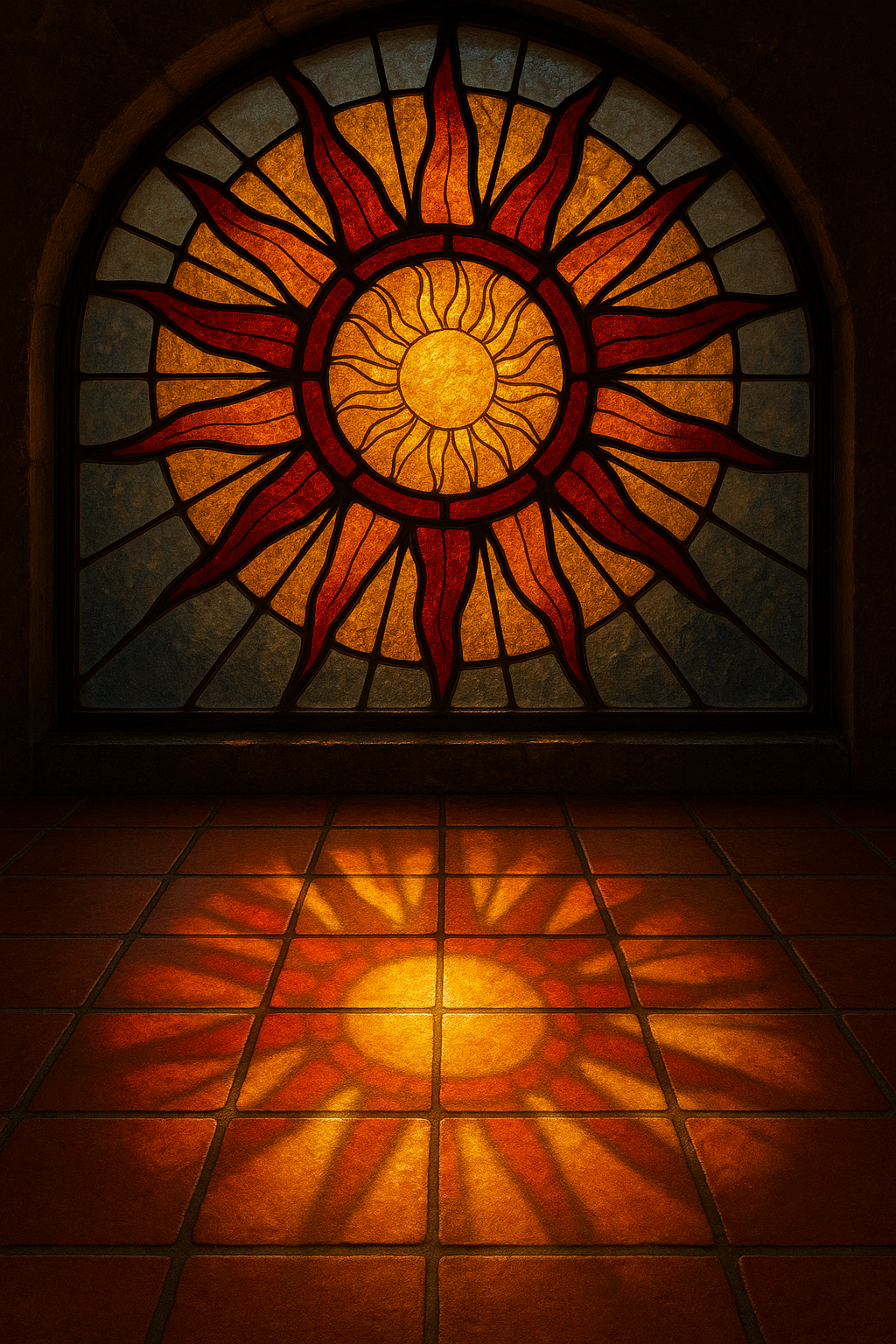
Pancho's, a vibrant restaurant known for its fiery food and lively atmosphere, is closing its doors after four decades. It's not because business is bad, but because the land it sits on is now worth a fortune. The iconic wood-fired oven and the beautiful stained-glass sunburst will find new homes, keeping a piece of Pancho's alive. So, get ready for one last, epic fiesta before it becomes micro-apartments!
Why is Panchos closing down?
Panchos is closing on June 13, 2026, not due to financial difficulties but because of sky-rocketing land values. Developers are converting the tram-shed location into micro-apartments and co-work pods. The stained-glass sunburst will be preserved as public art in the new façade, and the iconic wood-oven will relocate to a new Salt-River warehouse.
Get Cape Town news in your inbox
Stay updated with the latest stories from the Mother City.
Sunbursts, Salsa and Salt-River Iron: How One Oven Named the Neighbourhood’s Living Room
Armando ‘Mando’ Pérez was 32 when he climbed a wobbly ladder and painted a blazing sunburst on a sheet of glass that still hangs above 151 Lower Main Road. That 1984 splash of saffron-and-crimson now throws the same confetti of light over terracotta tiles it did the day Panchos opened, but the glow will dim on 13 June 2026 when final orders leave the pass and the door clangs shut for the last time. Between those two dates the suburb swapped protest poets for data scientists, yet the house charter never changed: food must shout, life must shout louder, and the chilli must drown out both.
Mando, 73 this year, still steams in at four every Tuesday to fire-roast tomatoes for salsa brava. He trusts the same bullet-scarred wood-oven he dragged out of a condemned Salt-River bakery in exchange for two crates of agave spirit and a verbal contract of lifelong nachos. The dented iron door remembers an ecstatic 1995 mob that tried to wheel it into the street after the Springboks toppled the All Blacks, and the candle-lit service of 2006 when Observatory’s grid surrendered to a storm. The oven will migrate to the new warehouse in Salt-River only after witnessing one more summer of traffic, tattoos and trumpet-bright lime.
The menu has swollen from a single sun-yellow A4 sheet - seven mains, one flan, and the immortal warning “No half measures on spice” - to a colour-coded, allergen-flagged booklet, yet page four still hides the original dare in 4-point type. The Chorizo Fundido, born when a supplier sent the wrong sausage and Mando refused to waste protein, has never left the skillet; its ratio of house chorizo to Oaxaca cheese is written on two keys, one around the founder’s neck, the other sealed beneath the walk-in fridge under an empty tin of Abuelita chocolate. Instagram may have turned the bubbling pan neon-famous, but the recipe still lives offline and off-limits.
From Tram-Shed to Time-Capsule: Architecture, Soundtrack and a Wall That Grew Hair
The bones of Panchos began in 1903 as an Observatory tram depot. Iron hooks once gripped overhead cables; today they hold denim jackets, cycling helmets and, on Thursdays, vinyl sleeves offered like holy relics by patrons who queue to spin everything from Makeba to Los Fabulosos Cadillacs. A lofted ventilation gap was strung with fairy lights in 1999 by a collective of muralists who paid in brushstrokes and left with burrito breath; the motion sensor that switches them on was looted from a Woolworths loading bay and still gifts the room a permanent golden-hour tan that makes toddlers swear Panchos owns its own private sun.
Monday nights surrendered the floor to student karaoke that began shy at seven and finished with rugby second-rows yodeling ‘La Bamba’ on tabletops. In 2019 an AI playlist generator quietly infiltrated lunch service, but evening DJs remain human because Mando insists algorithms sweat nothing and “sweat is the twenty-sixth spice”. The cracked Wurlitzer, loaded with a rancheras-and-Springbok-Nude-Girls mixtape, will bow out gracefully: too fragile to roll again, it will spin its last 45 in the foyer of a community radio station down the road, ensuring the soundtrack migrates even when the walls don’t.
Behind the loos stands a wall that began life blank and is now an archaeological sandwich of Sharpie hearts, Polaroid kisses and a 1994 protest flyer glued beside a Google receipt for one thousand margaritas. Conservation archivists begged to chip the collage out for museum display; Mando answered that history tastes better dripping with mole. Staff are now photographing every stain so the future site can rebuild an identical bay, typos, baby hair and all, because memory should never be spell-checked.
Gladys, Google and the Great Property Leap: Why Goodbye is Not Broke
Gladys Molefe clocked in as a runner the same year Blade Runner hit cinemas, earned R68 plus nachos for her first shift and now captains the floor with the authority of a headmistress who can read romance in a guacamole swirl. She has officiated 312 proposals, 14 break-ups and one telenovela-level reunion during the 2009 soccer final. Opposite her stands Siba, hired the week chilli-choc milkshakes debuted, who walked in at 19 with an augmented-reality menu for a college project and was told to build the future while keeping the past warm. Together they have held turnover to comic-book levels: staff leave for maternity, graduations or sabbaticals, then boomerang back because nowhere else lets you test love lives with dip.
The looming closure has nothing to do with creditors and everything to do with sky-rocketing land value. Developers will convert the tram-shed into micro-apartments, co-work pods and, in cosmic irony, a Dutch vegan-taco franchise. Mando signed only after lawyers promised the 1984 stained-glass sunburst will be soldered into the new façade as public art, protected from heat both literal and metaphorical. Negotiations took six months, two translators and at least one clause comparing scorch temperatures to scoville units.
Reservations for the final 90 days crashed the server in four minutes; the kitchen stress-tested 600 enchiladas on a quiet Tuesday just to see if the burners could survive the farewell stampede. Architects WhatsApp drone clips of the Salt-River warehouse daily: skylights punched through a 1930s roof, terrazzo laced with crushed chilli-red glass, the doorway measured twice so the treasured oven can glide straight into its next lifetime without a shiver.
Processions, Polaroids and Pavement Breakfasts: The Art of Leaving Without Losing
Inventory has become archaeological triage. Hand-painted plates with hairline fractures will be shattered into a mosaic bar top; the 1979 Wurlitzer will spin for a radio station’s lobby; fifty litres of 1998 pilgrimage tequila await a single Last-Supper long-table on 12 June, tickets assigned by lottery and karma. The cracked leather siesta-sofa that absorbed four decades of hangovers will relocate to an indie cinema in Woodstock, while the 62-year-old cash register whose bell still sings “ding” like a cartoon wink is promised to a Stellenbosch till museum beside agave-distillers who understand happy endings.
June’s calendar is stuffed with micro-events. Monday alumni take over the burners, dishing biltong-avocado tacos or Durban-curry quesadillas for charity. Wednesday hosts Story Circles recorded on hiss-heavy cassettes; by Friday the tapes carry guffaws, trumpet riffs and the occasional break-up sob. A zine station hums in the corner: 1 300 palm-sized booklets already flap above the bar like prayer flags made of toner and confession. Even the lemon-verbena monster out back - planted by a homesick exchange student in 2001 - has been cloned into 150 rosemary-style giveaways; the last Sunday market will trade babies for handwritten oaths to keep flavour alive.
The final seating on 13 June will start at dusk and spill into sunrise. No fixed menu: cooks will keep ladling until fridges echo. Songs will be queued by whoever is still upright at 3 a.m., and huevos rancheros will be served on the pavement while Observatory blinks awake to realise its pulse has skipped a beat. Then the procession begins: a 1.2-kilometre brass-band parade wheeling the wood-oven down Lower Main on 10 June, pausing for tequila toasts and sangoma blessings under a temporary road-closure permit once reserved for presidents. Inside the old wall a time-capsule waits - 1985 peso, chilli-red lock of Gladys’s hair, Spotify QR code - welded shut so the future can taste the past in stereo.
Until then the neon chilli keeps its gentle flicker, the iron door crackles with oak, and the hand-painted sunburst keeps rehearsing new angles of light, ready to splash colour on another Salt-River wall where fresh laughter will learn the oldest recipe: feed people, turn up the volume, and never let the chilli whisper.
{"faq":[{"question":"
Why is Pancho's closing down after four decades?
","answer":"Pancho's is closing its doors on June 13, 2026, not due to declining business or financial issues, but because the land it occupies has become extremely valuable. Developers are planning to convert the historic tram-shed location into micro-apartments and co-work spaces."},{"question":"What will happen to the iconic stained-glass sunburst and wood-fired oven?
","answer":"The beautiful stained-glass sunburst, painted by founder Armando Pérez in 1984, will be preserved and integrated into the new building's facade as public art. The iconic, bullet-scarred wood-fired oven will be relocated to a new warehouse in Salt-River, ensuring a piece of Pancho's legacy continues."},{"question":"When is Pancho's final day of operation?
","answer":"The last day for Pancho's to serve its fiery food and host its lively atmosphere will be June 13, 2026. Prior to that, there will be a series of farewell events and celebrations leading up to the final closing."},{"question":"Will any of Pancho's unique architectural elements or memorabilia be saved?
","answer":"Yes, several elements will be preserved. The stained-glass sunburst will become public art. The 1979 Wurlitzer jukebox will find a new home in a community radio station. Hand-painted plates will be repurposed into a mosaic bar top, and even the cracked leather siesta-sofa will relocate to an indie cinema. Staff are also photographing every detail of the 'wall that grew hair' to potentially recreate it in the new development."},{"question":"What special events are planned for Pancho's final months?
","answer":"June will be packed with micro-events, including Monday alumni takeovers of the kitchen, Wednesday Story Circles recorded on cassettes, and a zine station. There will be a 'Last-Supper' long-table event on June 12 with rare tequila. The grand finale includes a brass-band parade on June 10, wheeling the wood-oven to its new location, and a final seating on June 13 that will spill into sunrise with huevos rancheros served on the pavement."},{"question":"What is the 'Chorizo Fundido' and why is it so special?
","answer":"The Chorizo Fundido is a legendary dish at Pancho's, created when a supplier mistakenly sent the wrong sausage, and founder Mando refused to waste the protein. This dish, with its unique ratio of house chorizo to Oaxaca cheese, has been on the menu since the beginning and its recipe is a closely guarded secret, known only to Mando and sealed under the walk-in fridge."}]}
Amanda Wilson is a Cape Town-born journalist who covers the city’s evolving food scene for national and international outlets, tracing stories from Bo-Kaap spice shops to Khayelitsha micro-breweries. Raised on her grandmother’s Karoo lamb potjie and weekend hikes up Lion’s Head, she brings equal parts palate and pride to every assignment. Colleagues know her for the quiet warmth that turns interviews into friendships and fact-checks into shared laughter.
View all articles →