
Pastor clarifies Good Hope Centre purchase after fierce scrutiny
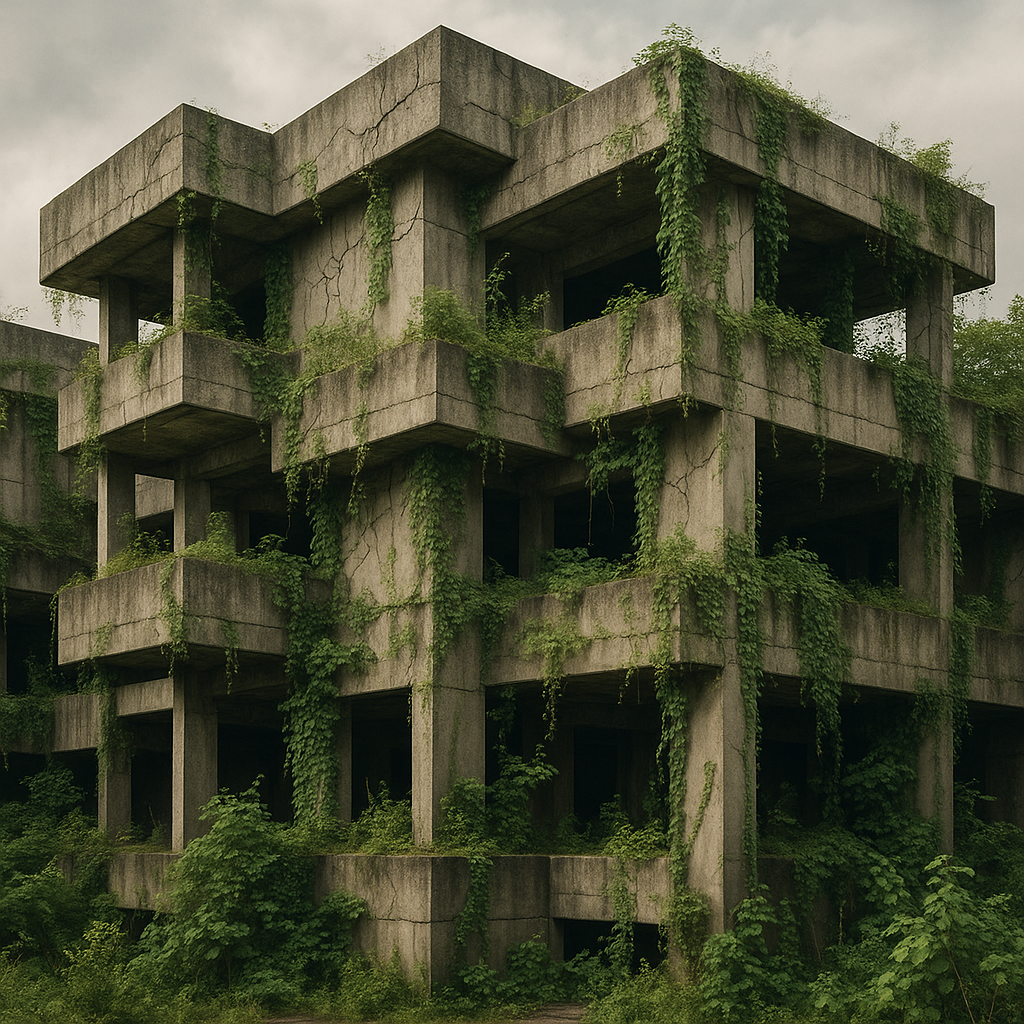
Cape Town's brutalist Good Hope Centre auction sparks xenophobia, audits, and a 'divine mandate' by a Nigerian pastor.
Cape Town's Good Hope Centre, a huge concrete building, was put up for sale by the city. A Nigerian pastor, Dr. John Anosike, made a very high offer, which made many people angry. Some people are worried about foreigners buying city assets, and others question if the sale followed all the rules. This has caused a big debate about who owns public spaces and how city decisions are made.
What is the current controversy surrounding Cape Town's Good Hope Centre?
The Good Hope Centre, a prominent Cape Town landmark, was controversially put up for sale by the city. A Nigerian tele-evangelist, Dr. John Anosike, made a high bid, sparking public outcry over xenophobia, asset-stripping concerns, and questions about the sale's legality and transparency under municipal finance laws.
Get Cape Town news in your inbox
Stay updated with the latest stories from the Mother City.
Section 1 – The Auction Nobody Saw Coming
A ribbed, 11-storey hulk of bush-hammered concrete has dominated Cape Town’s Foreshore skyline since 1976, but for most Capetonians the Good Hope Centre has long been more landmark than loved. Conceived by the restless modernist Carlo Jooste as a 7 000-seat retractable showcase for trade fairs, pop concerts and Olympic-level gymnastics, the building opened with dreams of cosmopolitan sparkle and instead became a standing joke for white-elephant excess. By the late-1990s the city was renting the hall to scrap dealers and revivalist pastors; by 2010 gulls were nesting where spotlights once tracked Miss World contestants.
On Valentine’s Day 2024 the municipality slipped “Lot 467” into its routine online clearance list: 22 487 m² of Community-zoned real estate plus “movable assets”, reserve set at R55 million - about the cost of three sea-view bungalows in Clifton. Within minutes, page views rocketed from 200 to 8 000; 48 hours later a user labelled “J.A. Ministry Trust” had offered R135 million. Internet sleuths matched the initials to Nigerian-born tele-evangelist Dr John Anosike, whose 30 000-strong Dwelling Place International already gridlocks a rented warehouse in Montague Gardens every Sunday. The hashtag #GoodHopeGate exploded, fusing xenophobia, asset-strip fears and prosperity-gospel punch-lines into a single civic migraine.
The city’s eTender site, better known for discounted traffic fines, simply required a R100 000 refundable deposit and a click-happy finger. Fine-print clause 18, however, reserved the right to “reject any bid not in the City’s best interest” - a safety valve now dissected by forensic investigators after DA councillor Angus McKenzie argued that a R135 million disposal should never have sidestepped the Municipal Finance Management Act. That law demands public participation, a Valuer-General certificate and full-council approval for any “significant asset” above R50 million; none were scheduled. Managers defend the shortcut by pointing to an annual R18 million operating deficit since 2016, branding the structure “surplus stock” small enough for the accounting officer to jettison without political debate.
Section 2 – Prophecy, Paperwork and the Foreign-Funding Riddle
Anosike broke his silence at 04:00 on the first Sunday in March, distributing an 11-minute WhatsApp homily: “We are not buying bricks; we are purchasing a divine theatre for the nations.” He reminded listeners that in 2021 he had foreseen a stadium-size miracle in Africa’s southern tip, and claimed the building’s whale-like vault fulfilled Jonah imagery. By breakfast, reporters had unearthed the bidder: a shelf company registered six weeks earlier, directed by the pastor’s wife Joy, the ministry’s CFO and a Sandton attorney skilled in tax-exempt vehicles. A bank comfort letter showed R146 million in liquid assets “subject to property-backed security,” hinting that the centre itself might collateralise its own purchase - a loop bankers deride as boot-strapping.
South African statutes leave no blanket ban on overseas congregants bankrolling council sales, yet the Public Finance Management Act tightens scrutiny when beneficial owners live abroad. Anosike legally resides on a critical-skills visa and is “finalising” permanent residence; his lawyers insist the trust is domiciled here and controlled locally, so Treasury sign-off is unnecessary. Advocacy group #SecureOurAssets counters that 70 percent of pew contributions flow in naira, making the entity “effectively foreign.” The provincial treasury must now issue a declaratory ruling, a six-month limbo that could freeze registration well into 2025.
Inside the hollow shell, life turned overnight. A ballet school that had pirouetted through the basement since 1994 found new padlocks and a guard demanding fresh booking certificates; Scottish country-dancers lost their 50th-anniversary ceilidh; the Cape Town Marathon must empty 30 000 plastic crates from the undercroft within 30 days. Prayer-walking volunteers from Dwelling Place meanwhile trace olive-oil crosses on doorjambs, “evicting the spirit of Jooste” - a line that half the group reads as metaphor and the rest treats as literal exorcism of apartheid-era architecture.
Section 3 – Heritage, Politics and the LED Glory Dome
Heritage professionals have rushed in, armed with measuring tapes and moral authority. The concrete ribs, they argue, constitute South Africa’s first post-tensioned long-span roof and deserve protection under the 40-year eligibility rule. A leaked city-commissioned report proposes turning the arena into “a museum of apartheid leisure” or a rooftop lettuce farm; the ministry’s architects counter with plans to hollow the bowl to seat 10 000 worshippers, wrap the shell in programmable scripture LEDs and crown the vault with a 2 MW solar plantation for “miracle nights.” Heritage Western Cape has until 30 June to decide whether structural intervention requires a permit, a delay that could hand the file to an entirely new city coalition after the next election.
Council chambers have morphed into rival revival tents. Mayor Geordin Hill-Lewis (DA) lauds “investor appetite” while his deputy grimaces; the ANC wants the centre declared a heritage asset, the EFF brands brutalism “our afro in concrete form,” the Cape Coloured Congress vows klops-minstrel occupation, and the Freedom Front Plus thunders about Nigerian tithe cartels. Sermons and struggle songs drown out the speaker’s bell, forcing security to clear the gallery twice in one sitting.
International parallels are dusted off for ammunition. Battersea Power Station survived decades of speculation only after Kuala Lumpur’s pension fund backed a £400 million cheque and the UK Treasury invented a tax-increment sweetener. Cape Town lacks that toolkit, so officials have approached the DBSA for a back-to-back bond: the bank would pay the municipality upfront while the trust repays over 15 years. Rating agencies warn the city’s AA+ national outlook is on “credit-watch-negative” until governance risk subsides, pushing up the cost of every future road or clinic the council wants to finance.
Section 4 – Deep-Fakes, NFTs and the 200-Year Concrete Gamble
Technology has hijacked the saga. Within days, deep-fake clips showed “Anosike” confessing to laundering “mafia money”; five spaza shops were looted in Langa before fact-checkers debunked the footage. The ministry now mints blockchain authenticity tokens for every official video and, in a twist that could only happen in 2024, proposes selling fractional NFT “shares” in the centre to ratepayers. Buyers would fund a potential municipal buy-back while earning utility tokens for discounted parking, baptisms or popcorn at miracle rallies - an idea the city’s innovation office is “studying” unaware it may breach collective-investment rules.
Koos van der Merwe, the 78-year-old engineer who supervised the original 36-hour liquid-nitrogen pour, emerges to remind the public the roof was engineered for two centuries, not two political cycles. Auditors, valuers, judges and prophets can trade paper indefinitely; moisture will still seep through hairline cracks, seagulls will still circle overhead, and Cape Town will still need affordable halls for dancers, runners and klops troops.
Whatever the outcome, the whale-backed colossus now stores more anxiety than entertainment: xenophobia, gospel capitalism, coalition fragility and architectural memory compressed into 22 487 m² of apartheid concrete. Auditors may yet unpick the sale, heritage guardians may yet freeze the façade, or tithe machines may one day flash real-time receipts across an LED scripture skin. Until then, the ribs strain to cradle not a city’s leisure but its unresolved questions about who owns public space, who speaks for history, and whether salvation can be collateralised like any other asset.
[{"question": "What is the current controversy surrounding Cape Town's Good Hope Centre?", "answer": "The Good Hope Centre, a prominent Cape Town landmark, was controversially put up for sale by the city. A Nigerian tele-evangelist, Dr. John Anosike, made a high bid, sparking public outcry over xenophobia, asset-stripping concerns, and questions about the sale's legality and transparency under municipal finance laws."},
{"question": "Who is Dr. John Anosike and what is his interest in the Good Hope Centre?", "answer": "Dr. John Anosike is a Nigerian-born tele-evangelist who leads the 30,000-strong Dwelling Place International ministry. He made a significantly high offer of R135 million for the Good Hope Centre, stating his intention to transform it into a 'divine theatre for the nations' to accommodate his growing congregation. His bid significantly exceeded the reserve price of R55 million."},
{"question": "Why are there concerns about the legality and transparency of the sale?", "answer": "Concerns stem from allegations that the sale might have sidestepped the Municipal Finance Management Act. This act typically requires public participation, a Valuer-General certificate, and full-council approval for the disposal of any 'significant asset' valued over R50 million. Critics argue that none of these steps were scheduled, while city managers defend the shortcut due to the building's annual R18 million operating deficit, labeling it 'surplus stock'."},
{"question": "What are the financial implications and foreign funding concerns related to the bid?", "answer": "The bid from J.A. Ministry Trust, a shelf company registered six weeks prior to the bid and directed by Dr. Anosike's wife, raised questions. A bank comfort letter showed R146 million in liquid assets 'subject to property-backed security,' leading to speculation that the centre itself might be used as collateral for its purchase. Additionally, concerns have been raised about the source of funding, with an advocacy group claiming 70 percent of church contributions flow in Nigerian Naira, effectively making the entity 'foreign' and potentially requiring stricter scrutiny under the Public Finance Management Act, especially since beneficial owners live abroad."},
{"question": "What is the historical significance of the Good Hope Centre and what are its potential future uses?", "answer": "The Good Hope Centre, built in 1976, was designed as a multi-purpose venue for trade fairs, concerts, and sports, featuring South Africa's first post-tensioned long-span roof. While it was initially conceived with grand dreams, it became known as a 'white elephant.' Heritage professionals argue for its protection due to its architectural significance, proposing uses like a 'museum of apartheid leisure.' Dr. Anosike's ministry plans to convert it into a 10,000-seat worship space, wrap it in programmable LED scriptures, and add a 2 MW solar plantation. The debate highlights unresolved questions about historical preservation versus redevelopment and who owns public spaces."},
{"question": "How has the controversy impacted various stakeholders and the city's political landscape?", "answer": "The sale has caused significant disruption, leading to the displacement of long-term tenants like a ballet school and Scottish country dancers, and impacting events like the Cape Town Marathon. Politically, the issue has divided the city council, with the Mayor supporting 'investor appetite' while other parties, including the ANC, EFF, and Freedom Front Plus, voice strong opposition based on heritage, cultural, and xenophobic concerns. The controversy has also raised the city's governance risk, potentially affecting its credit rating and the cost of future municipal projects."}]

Amanda Wilson is a Cape Town-born journalist who covers the city’s evolving food scene for national and international outlets, tracing stories from Bo-Kaap spice shops to Khayelitsha micro-breweries. Raised on her grandmother’s Karoo lamb potjie and weekend hikes up Lion’s Head, she brings equal parts palate and pride to every assignment. Colleagues know her for the quiet warmth that turns interviews into friendships and fact-checks into shared laughter.
View all articles →