
Plettenberg Bay toddler dies after falling into stormwater pond
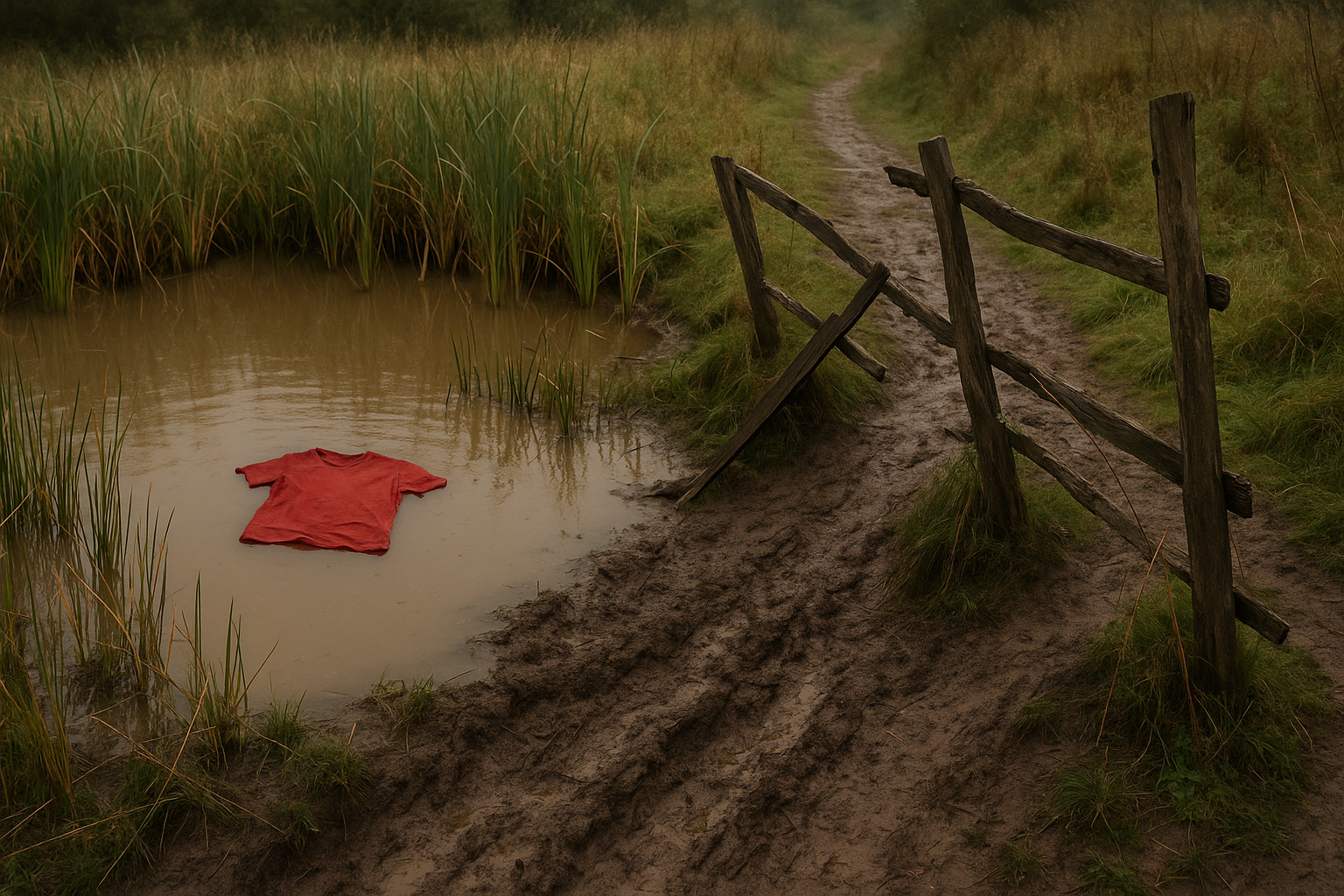
Tragedy strikes Plettenberg Bay as a 3-year-old drowns in an unfenced retention pond, exposing national safety failures.
A little boy named Lukhanyo drowned in a storm pond, turning a fun game into a tragedy. The pond, meant for less rain, grew dangerous from heavy storms and trash. It was unfenced, making it a deadly trap for children. This sad event showed big problems with how these ponds are designed and kept safe in poor areas.
What caused the tragic drowning of Lukhanyo Mbelani?
Lukhanyo Mbelani, a three-year-old, drowned in a storm pond in New Horizons because the pond, unfenced and designed for less intense rainfall, had doubled in size due to blocked drainage and recent heavy rains. The design was "hydrologically obsolete," making it a dangerous trap for children.
Get Cape Town news in your inbox
Stay updated with the latest stories from the Mother City.
The scent of fynbos and ocean spray that normally drifts through New Horizons was smothered by sirens after dusk on Friday. Cicadas gave way to the monotone throb of dewatering pumps, walkie-talkie static, and a mother’s broken sobs - her final memory of her son a crimson flash as the barefoot three-year-old dashed into the reeds.
Little Lukhanyo Mbelani slipped out of his granny’s government-issue house at 16:30, pushing a wire toy car with four older kids. They crossed the N2’s gravel shoulder, wriggled through a snapped palisade and followed the footpath locals use as a short-cut to the spaza strip.
Unbeknown to them, three days of late-autumn cloudbursts had doubled the size of the drainage pond; a blocked outlet - choked by shopping bags, builder’s rubble and roadside trash - had turned the dip into a waist-high sump of black water and spear-grass.
Asiphe, his seven-year-old cousin, remembers Lukhanyo leaning over the edge to float a “boat” made from a margarine tub: “The grass was slick like soap - he skidded in, fast.”
The remaining kids scattered, screaming. A motorist dialled 112 at 17:04; by 17:12 an NSRI rescuer sprinted the 200 m from the base with a throw-line, beginning a dance of urgent precision.
Gridlines in the Dark: How Volunteers Mapped a Watery Grave
Incident boss Shaun Baard, a veteran of the 2020 Knysna inferno, split the pond into six fluorescent lanes borrowed from Bitou traffic paint. A shark-spotting drone fed a live thermal picture to a tablet on the command bakkie, letting trackers watch every warm body in the water.
Expecting rusty reinforcement rods just below the surface, the NSRI swimmers in 5 mm neoprene suits chose to stay dry. Two Grundfos construction pumps - each draining 1 400 litres a minute - were dropped on the southern berm; within forty minutes the level fell thirty centimetres, exposing a lattice of junk.
At 18:27 a police diver brushed a small foot under the algae. The toddler lay face-up, left arm tucked beneath him, knees bent as though still crawling. The red shirt had darkened to claret; Western Cape EMS confirmed asystole. The cold water had sealed his fate within seconds of submersion.
When Engineering Outgrows Its Brief: How a 2003 Design Became a 2024 Trap
New Horizons was laid out two decades ago to house families removed from the demolished KwaNoxolo squatter camp. Engineers built a modest retention basin for a 1-in-5-year storm. Two game-changers followed: rainfall intensity along the Southern Cape has jumped 17 %, and 4,2 extra hectares of iron-sheet roofs now feed runoff into the same pipe.
Dr Kevin Winter of UCT’s Future Water Institute calls the structure “hydrologically obsolete,” but stresses that hydraulics are only half the story. “In up-market estates these ponds are fenced, signed and planted with dense reeds that keep kids out. In townships they morph into dumping sites and, heart-breakingly, adventure zones.”
A 2022 Bitou audit listed 27 open storm-water structures - ponds, culverts, swales. Only four carried any perimeter fence; none sported warning signs in isiXhosa or Afrikaans.
Children younger than four carry roughly 25 % of their weight above the shoulders; an adult carries 12 %. A toddler who loses footing pivots head-first, shunting the airway under before arms can flail. In 18 °C water, survival with an intact brain averages ninety seconds. Even if a neighbour had arrived within that window, the turbid pond would have hidden the body from view.
From Armchair to Waterline: How Phones and Paddle-Boarders Sped the Search
While rescuers pumped, Facebook ignited. Seven minutes after the first alert Marissa van Niekerk dropped a WhatsApp live pin; by 17:45 more than 200 residents formed a human chain through sour-fig thickets.
Six weekend volunteers from Plett Animal Welfare arrived on paddle-boards normally used for stranded seals. Sweeping the northern arm, they freed the NSRI swift-water techs to focus on the deeper southern bowl.
Stellenbosch disaster-medicine researchers say well-briefed civilians can slice the victim-location interval by 35 % in confined-water hunts. Baard achieved cohesion by firing off a one-page Incident Action Plan to two WhatsApp groups, turning spontaneous goodwill into directed labour.
South Africa’s drowning graph shows two spikes: mid-summer holidays and the June school break when rivers bulge but municipal pools stay padlocked. Low-income kids are four times more likely to drown than their suburban peers. Lukhanyo is the 41st under-five fatality in the Western Cape this year - already past last year’s total of 38.
Cash, Codes and Cosmos: What Happens After the Headlines
Within twenty-four hours Bitou promised a R2,3-million retrofit: 1,4 m palisade fencing, self-closing gates aligned to desire lines, coir matting and indigenous sedges to knit the banks, a 600 mm underwater safety bench, and pictogram signs in four languages. Cash will be raided from next year’s disaster-repair grant - “robbing tomorrow’s storm budget to stop today’s child deaths,” municipal manager Lonwabo Tambo admits.
International prevention is pictured as four stacked rings: barriers, arm’s-length supervision, survival swim skills, and bystander readiness. Municipalities control layer 1; parents carry 2–4. Yet overlap exists - Bitou could fund ten-minute CPR micro-classes at every crèche, lifting resuscitation rates from 14 % to 68 %, as Australian pilots show.
Cape Town start-up PoolAngel is testing a R499 solar alarm that texts a caretaker when ripples bigger than toddler waves last six seconds. Early runs in Delft and Gugulethu flagged twelve unsupervised entries in six weeks; every child was yanked out within 40 seconds. Bitou is negotiating a subsidy.
On Sunday Nokuthula pressed wilted cosmos against the brand-new fence - an iron ribbon that did not exist forty-eight hours earlier. Kids still file past on sugar-and-paraffin errands, eyes flicking toward the water as if taking its measure. Across the country thousands of “temporary” ponds wait their turn, each rainfall turning them into dark mirrors that reflect not only sky but the policy gaps where small lives vanish without a ripple.
What caused the tragic drowning of Lukhanyo Mbelani?
Lukhanyo Mbelani, a three-year-old, drowned in a storm pond in New Horizons. The pond, originally designed as a modest retention basin for a 1-in-5-year storm, had become "hydrologically obsolete." Heavy rains, combined with a blocked outlet choked by trash and rubble, caused the unfenced pond to double in size and become waist-high, creating a dangerous trap for children.
How did the storm pond become so dangerous?
The storm pond's danger was a result of several factors. Its original design in 2003 was for less intense rainfall than what is now common, with rainfall intensity in the Southern Cape increasing by 17%. Additionally, 4.2 extra hectares of iron-sheet roofs in the growing township now feed runoff into the same pipe, overwhelming the system. Crucially, the pond's outlet was blocked by shopping bags, builder's rubble, and roadside trash, causing the water level to rise significantly. The absence of fencing made it easily accessible to children.
What immediate actions were taken during the search for Lukhanyo?
Upon receiving the alert, an NSRI rescuer quickly arrived. Incident boss Shaun Baard organized the search by splitting the pond into six fluorescent lanes and using a shark-spotting drone to provide a live thermal picture. Two Grundfos construction pumps drained 1,400 litres a minute, lowering the water level by thirty centimeters. Concurrently, local residents, spurred by social media, formed a human chain, and volunteers with paddle-boards assisted in sweeping the pond. A police diver located Lukhanyo at 18:27.
What systemic issues did Lukhanyo's drowning highlight regarding storm ponds in townships?
The tragedy exposed significant flaws in the design and maintenance of storm-water structures in townships. Many ponds, culverts, and swales, like the one Lukhanyo drowned in, are unfenced and lack warning signs, especially in local languages like isiXhosa or Afrikaans. These structures often become dumping sites and are not safely integrated into the community, unlike their counterparts in up-market estates which are typically fenced and planted with dense reeds to deter access. The incident underscored the deadly consequences of outdated engineering designs coupled with inadequate safety measures and community neglect.
What measures are being implemented to prevent future tragedies?
Within 24 hours of the incident, Bitou municipality promised a R2.3-million retrofit for the pond. This includes installing 1.4-meter palisade fencing, self-closing gates, coir matting and indigenous sedges to stabilize the banks, a 600mm underwater safety bench, and pictogram signs in four languages. The funding will come from next year's disaster-repair grant. Furthermore, there's discussion around funding CPR micro-classes at crèches and potentially subsidizing solar-powered pool alarms, like those from Cape Town start-up PoolAngel, which detect ripples bigger than toddler waves and send alerts.
Why are low-income children disproportionately affected by drowning incidents?
Low-income children are four times more likely to drown than their suburban peers. This disparity is attributed to several factors, including a lack of safe, accessible recreational alternatives, especially during school breaks when municipal pools may be padlocked. Unfenced and poorly maintained storm-water structures in townships, which often morph into

Zola Naidoo is a Cape Town journalist who chronicles the city’s shifting politics and the lived realities behind the headlines. A weekend trail-runner on Table Mountain’s lower contour paths, she still swops stories in her grandmother’s District Six kitchen every Sunday, grounding her reporting in the cadences of the Cape.
View all articles →