
Pre-workout supplements can turn toxic, UCT experts warn
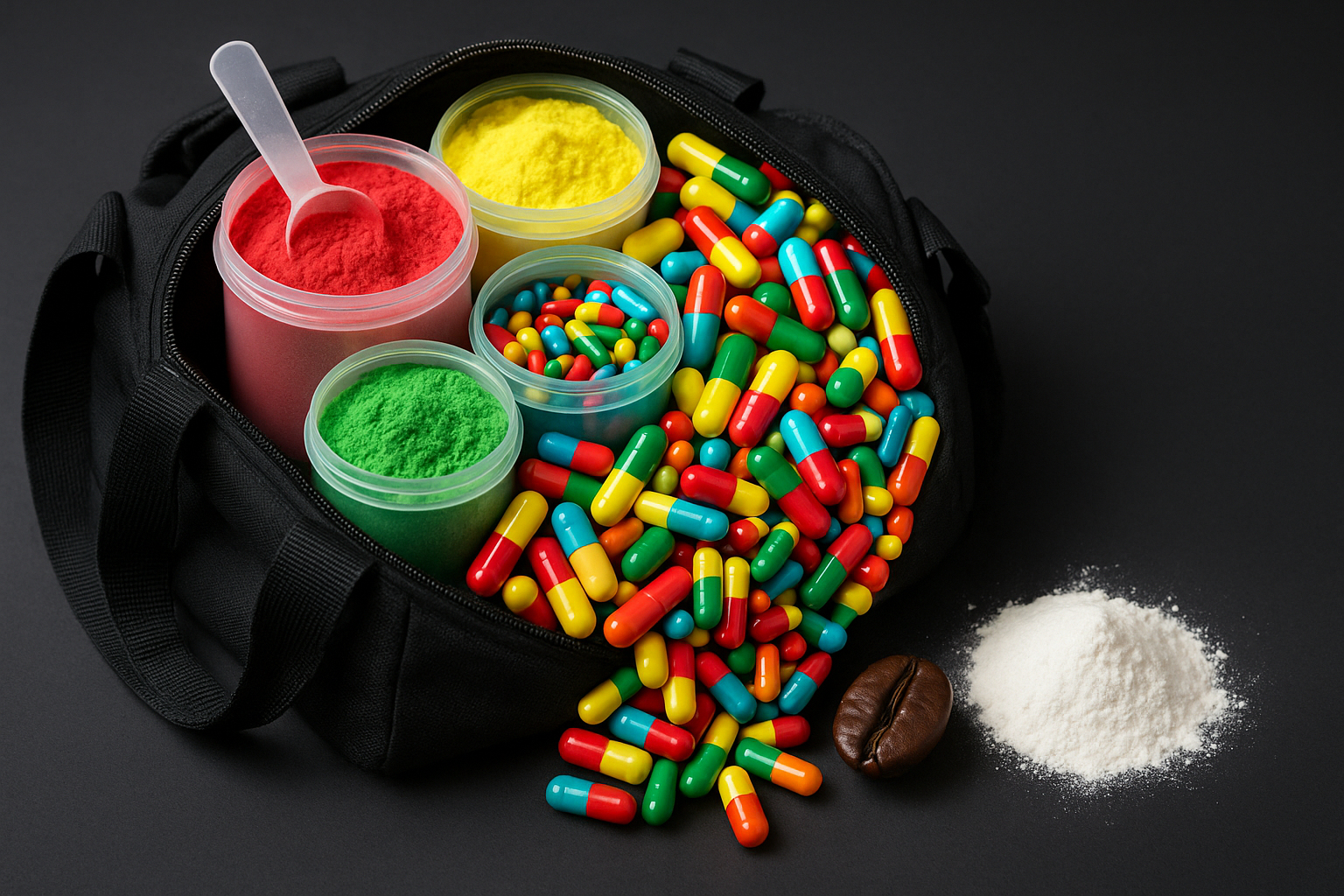
Uncover the hidden dangers of pre-workout supplements in South Africa, from excessive caffeine to proprietary blends, and learn how to stay safe.
Gym supplements in South Africa are risky because they have tons of caffeine and hide what's inside. This can make your heart race, cause chest pain, and even lead to seizures. The rules are pretty weak, so many dangerous products get sold easily. Doctors are really worried about these hidden dangers in your gym bag.
What are the dangers of pre-workout supplements in South Africa?
Pre-workout supplements in South Africa pose dangers due to extreme caffeine concentrations and a lack of ingredient transparency, often hidden in "proprietary blends." This can lead to methylxanthine toxicity, causing symptoms like rapid heartbeat, chest pain, and in severe cases, irregular heart rhythms and seizures. Regulatory loopholes also allow many products to bypass strict safety oversight.
Get Cape Town news in your inbox
Stay updated with the latest stories from the Mother City.
The fitness industry has experienced remarkable expansion in supplement consumption throughout the past ten years, with pre-workout formulas gaining substantial traction among gym enthusiasts, competitive athletes, and casual exercisers looking to maximize their training outcomes. Yet behind the polished advertising campaigns and bold claims of superior performance exists a troubling situation that healthcare experts in South Africa are now actively addressing. Medical professionals affiliated with the University of Cape Town have delivered a serious caution regarding the hazards concealed within these apparently harmless powdered products, drawing particular attention to threats stemming from extreme caffeine concentrations and inadequate ingredient transparency standards.
The Rise of Pre-Workout Culture
Pre-workout supplements have transformed from specialized offerings targeting bodybuilding communities to ubiquitous fitness staples, with worldwide market valuations climbing into the billions each year. These formulations pledge heightened energy levels, sharper mental focus, better circulation, and postponed exhaustion throughout physical activity. The attraction makes complete sense - contemporary lifestyles require peak productivity from restricted workout windows, and the opportunity to boost exercise intensity through a single serving of fruit-flavored powder appeals to fitness participants spanning all experience levels.
Within South Africa, this movement follows global trajectories, with nutrition shops and digital marketplaces presenting vast product selections. The regional exercise culture, especially within prominent metropolitan areas such as Cape Town, Johannesburg, and Durban, has adopted these substances with considerable enthusiasm. Health club members regularly ingest them prior to training, occasionally several occasions per day, typically possessing minimal knowledge about their exact chemical makeup or possible reactions with additional substances.
The accessibility of these products has created an environment where consumption feels routine and risk-free. Marketing materials emphasize benefits while downplaying potential downsides, and peer recommendations within gym communities normalize regular use. This cultural embedding makes critical evaluation difficult, as questioning supplement safety can seem contrary to the aspirational lifestyle that fitness branding promotes.
The Transparency Deficit in Supplement Manufacturing
At the heart of the University of Cape Town medical team's worries sits the prevalent application of "proprietary blends" across supplement production. This labeling technique permits businesses to combine numerous components beneath one collective measurement, disclosing merely the overall weight of the mixture instead of individual substance amounts. While producers frequently defend this method as safeguarding confidential formulas, the tangible consequence involves considerable information imbalance between manufacturer and purchaser.
The medical professionals' publication in the South African Medical Journal stresses that this labeling methodology essentially compromises purchaser protection. People with diverse caffeine sensitivities, those using pharmaceuticals that interact with stimulants, or individuals with pre-existing heart conditions encounter elevated dangers when they cannot determine their exposure levels. The scenario grows more intricate when acknowledging that numerous users simultaneously drink coffee, tea, energy beverages, or additional caffeinated items across their daily routine.
The economic incentives driving proprietary blend usage deserve scrutiny. Manufacturing costs vary significantly between ingredients, and undisclosed ratios allow companies to prioritize cheaper compounds while marketing expensive ones. This practice, known as "fairy dusting," involves including trace amounts of trendy ingredients solely for label presence rather than therapeutic effect. Consumers paying premium prices for research-backed substances often receive inadequate quantities to achieve claimed benefits.
Understanding Methylxanthine Toxicity
The healthcare team's specific mention of "methylxanthine-mediated toxicity" refers to a category of substances encompassing caffeine, theobromine, and theophylline. These chemicals share structural parallels and pharmacological characteristics, mainly functioning as adenosine receptor blockers and phosphodiesterase inhibitors. At reasonable dosages, they generate the sought-after stimulant outcomes - increased alertness, diminished perceived effort, and enhanced heat production. At extreme levels, however, they initiate a sequence of potentially perilous bodily reactions.
Caffeine, the most common methylxanthine within pre-workout preparations, undergoes breakdown primarily through the hepatic cytochrome P450 1A2 enzyme pathway. Genetic differences in this enzyme produce significant person-to-person variation in caffeine elimination speeds - some individuals process caffeine quickly with negligible negative effects, whereas "slow metabolizers" encounter extended and amplified responses to identical amounts. This genetic diversity, seldom recognized in supplement promotion, implies that suggested serving sizes may pose no danger for certain users while presenting major threats to others.
Theobromine, occurring naturally in cacao and progressively incorporated into pre-workout items, possesses a lengthier half-life than caffeine and distinct receptor attachment preferences. While weaker as a central nervous system stimulant, it produces more marked circulatory effects, including blood vessel expansion and fluid loss through urination. The pairing of caffeine and theobromine generates combined effects that may surpass their separate contributions, specifically concerning heart rate increase and blood pressure adjustment.
Clinical presentations of methylxanthine toxicity range from mild to critical. Initial indicators comprise nervousness, shaking, rapid heartbeat, and digestive upset. Intermediate toxicity yields obvious heart palpitations, head pain, accelerated breathing, and electrolyte imbalances - particularly low potassium resulting from cellular potassium movement. Critical cases advance to irregular heart rhythms, convulsions, muscle breakdown, and circulatory failure. The emergency instance referenced by the Cape Town medical professionals - featuring chest discomfort, heart palpitations, breathing difficulty, and vomiting - demonstrates this progression following combined pre-workout and energy drink ingestion.
Regulatory Gaps and Consumer Protection
The South African Health Products Regulatory Authority maintains protocols allowing caffeine content reaching 300 mg daily within specific complementary medicine classifications. Nevertheless, as the clinicians observe, major regulatory loopholes permit evasion of these benchmarks. Items promoted as "foodstuffs" rather than medicines escape SAHPRA's rigorous supervision, despite being functionally indistinguishable from regulated supplements in makeup and intended application.
This classification inconsistency generates a divided regulatory landscape where substantially comparable products confront dramatically different compliance demands. A pre-workout supplement designated as complementary medicine must reveal ingredients, follow caffeine restrictions, and prove safety. The identical formulation marketed as athletic nutrition or enhanced beverages may avoid these responsibilities entirely, leaving purchasers without uniform information for risk evaluation.
International comparisons expose comparable obstacles. The United States Food and Drug Administration exercises restricted power over dietary supplements under the 1994 Dietary Supplement Health and Education Act, with pre-market approval unnecessary and negative reaction reporting largely optional. The European Union has established more thorough regulations through the Food Supplements Directive, though implementation stays uneven across participating nations. Australia's Therapeutic Goods Administration maintains comparatively strong supervision, yet still faces challenges with products making ambiguous claims or exploiting classification uncertainties.
South Africa's regulatory stance reflects wider difficulties confronting developing economies with maturing consumer protection structures. Resource limitations restrict inspection and examination capabilities, while swift product innovation outruns legislative modification. The outcome involves a commercial environment where potentially dangerous products circulate with minimal quality verification, and purchasers assume disproportionate accountability for safety confirmation.
The combination of pre-workout powders with energy drinks - disturbingly frequent within fitness settings - creates particularly dangerous scenarios. Energy drinks independently contain substantial caffeine levels, regularly supplemented with taurine, guarana, and additional stimulatory substances. When paired with pre-workout powders, total methylxanthine exposure can skyrocket dramatically, frequently surpassing safe limits without users recognizing the accumulated danger.
Building Safer Fitness Habits
For individuals choosing to utilize pre-workout supplements, various risk reduction strategies warrant attention. Complete rejection of proprietary blends in preference for products with completely revealed ingredient amounts permits knowledgeable dosing choices. Independent testing certifications from bodies such as NSF International or Informed Sport supply supplementary quality verification regarding contamination and label precision. Conservative starting doses with progressive adjustment allows personal tolerance evaluation before complete serving ingestion.
Timing factors substantially affect risk patterns. Caffeine consumed within six hours of sleep onset measurably damages sleep quality and length, suggesting morning or early afternoon usage as more suitable. Avoiding simultaneous consumption with other methylxanthine sources - coffee, tea, chocolate, energy beverages, and specific pharmaceuticals - prevents accidental overdose. Hydration status demands consideration, as caffeine's fluid-loss effects compound exercise-related liquid depletion, and sufficient water consumption supports safer elimination.
Medical professional consultation becomes crucial for individuals with heart conditions, anxiety disorders, seizure disorders, or those using medications with stimulant interactions. Pregnancy and breastfeeding represent absolute prohibitions against high-dose caffeine exposure given fetal and newborn susceptibility. Even outwardly healthy individuals experiencing any toxicity indicators - chest discomfort, irregular heartbeat, neurological symptoms, or digestive distress - should halt usage and pursue medical assessment.
The University of Cape Town clinicians' appeal for "enhanced regulatory oversight" proposes several possible reform paths. Required disclosure of all stimulant amounts, prohibition of proprietary blends within high-risk product categories, and standardized classification criteria regardless of promotional claims would address immediate information shortages. Pre-market notification demands with safety documentation, post-market monitoring with required negative reaction reporting, and routine product examination for label accuracy would strengthen quality verification.
Industry self-regulation efforts, while inadequate as isolated approaches, could support governmental supervision. Transparent labeling commitments, voluntary caffeine limits, and consumer education investments demonstrate organizational responsibility. Professional associations representing fitness instructors, sports nutritionists, and exercise specialists can spread evidence-based recommendations to decrease harmful consumption patterns.
What are the main dangers of pre-workout supplements in South Africa?
Pre-workout supplements in South Africa pose significant dangers primarily due to extremely high caffeine concentrations and a severe lack of transparency regarding their ingredients, often hidden within "proprietary blends." This can lead to methylxanthine toxicity, causing symptoms such as a rapid heartbeat, chest pain, irregular heart rhythms, and in severe cases, seizures. Weak regulatory oversight allows many potentially dangerous products to be sold to consumers without adequate scrutiny.
Why is ingredient transparency a problem in South African supplements?
The prevalent use of "proprietary blends" in supplement manufacturing is a major problem. This labeling method allows companies to list multiple ingredients under a single collective measurement, revealing only the total weight of the blend, not the individual amounts of each substance. This lack of transparency means consumers cannot know exactly how much of each ingredient, particularly stimulants like caffeine, they are consuming. This is especially risky for individuals with caffeine sensitivities, pre-existing heart conditions, or those taking medications that interact with stimulants.
What is methylxanthine toxicity and how does it relate to pre-workouts?
Methylxanthine toxicity refers to the harmful effects caused by an overdose of substances like caffeine, theobromine, and theophylline, which are common in pre-workout supplements. While these compounds provide desired stimulant effects at moderate doses, excessive amounts can trigger dangerous physiological reactions. Symptoms range from nervousness, tremors, and a rapid heartbeat to severe palpitations, headaches, and in critical cases, irregular heart rhythms, convulsions, muscle breakdown, and circulatory failure. The danger is amplified by individual genetic variations in how quickly people metabolize caffeine.
How do regulatory loopholes affect pre-workout safety in South Africa?
The South African Health Products Regulatory Authority (SAHPRA) has protocols for caffeine content, but significant regulatory loopholes allow many products to bypass these standards. Products marketed as "foodstuffs" rather than medicines often escape SAHPRA's rigorous supervision, even if they are functionally identical to regulated supplements. This creates a fragmented regulatory landscape where comparable products face vastly different compliance demands, leaving consumers without consistent information for risk assessment and making it easier for dangerous products to circulate.
Why is combining pre-workouts with energy drinks particularly dangerous?
Combining pre-workout supplements with energy drinks is extremely dangerous because both product types contain substantial levels of stimulants, primarily caffeine, along with other stimulatory substances like taurine and guarana. When consumed together, the total methylxanthine exposure can skyrocket dramatically, often far exceeding safe limits without the user realizing the cumulative risk. This greatly increases the chances of experiencing severe methylxanthine toxicity symptoms like cardiac issues and seizures.
What steps can consumers take to reduce risks when using pre-workout supplements?
To reduce risks, consumers should prioritize products that fully disclose all ingredient amounts, avoiding those with "proprietary blends." Look for independent third-party certifications (e.g., NSF International, Informed Sport) for quality assurance. Start with very conservative doses to assess personal tolerance. Avoid consuming pre-workouts with other sources of caffeine or stimulants (coffee, tea, energy drinks). Consult a medical professional if you have heart conditions, anxiety, seizure disorders, or are taking medications. Discontinue use and seek medical attention if you experience any adverse symptoms like chest pain, irregular heartbeat, or neurological issues.

Isabella Schmidt is a Cape Town journalist who chronicles the city’s evolving food culture, from Bo-Kaap spice merchants to Khayelitsha microbreweries. Raised hiking the trails that link Table Mountain to the Cape Flats, she brings the flavours and voices of her hometown to global readers with equal parts rigour and heart.
View all articles →