
Ramaphosa launches Lenacapavir, South Africa’s new HIV injection
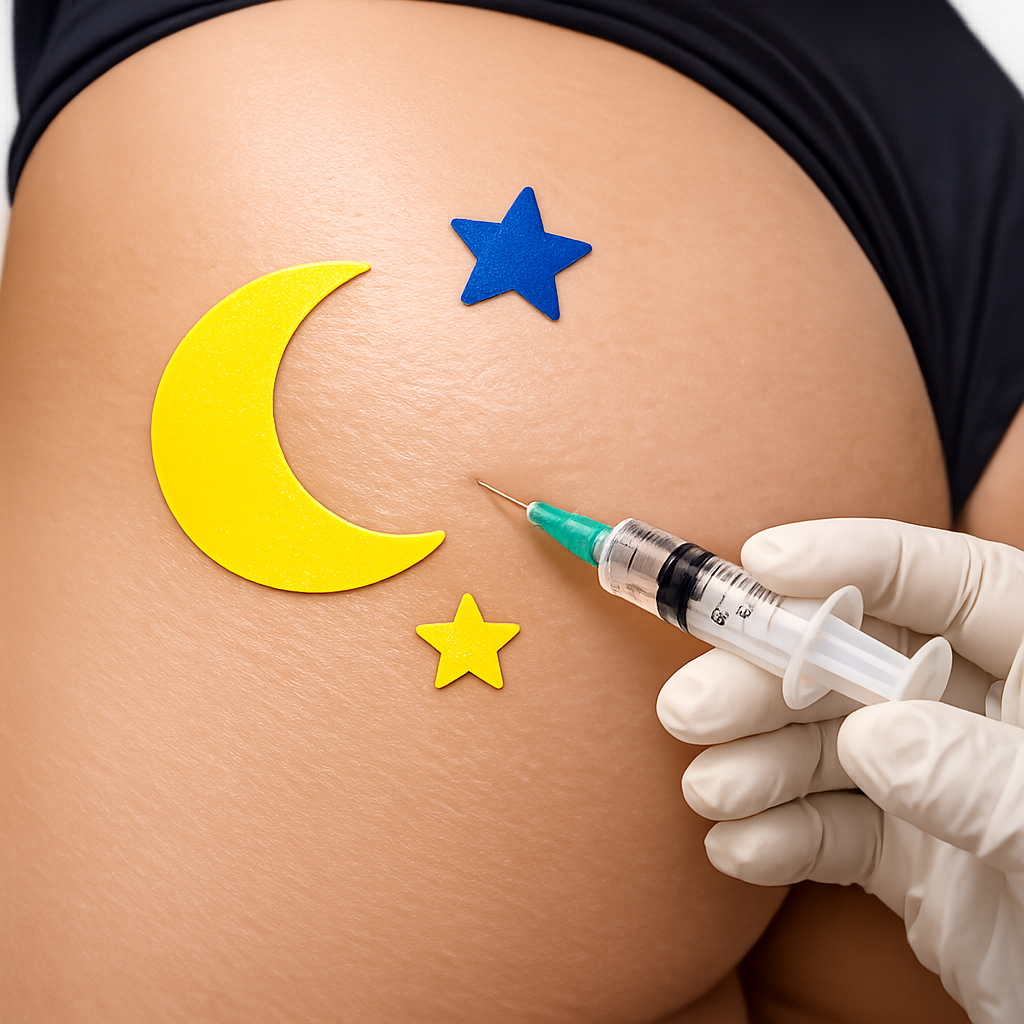
South Africa launches a groundbreaking HIV prevention injection, Lenacapavir, offering a twice-yearly shot with political backing and community mobilization.
South Africa is the first lower-middle-income country to publicly offer a new six-month HIV prevention injection, Lenacapavir. This exciting move, launched with a festival-like event, aims to drastically reduce new HIV cases, especially in young women. Careful planning ensures every dose reaches those who need it, from special transport to easy-to-understand instructions. While challenges like funding and equitable access remain, this bold step offers a brilliant future for public health across the continent.
What is South Africa's new HIV prevention strategy?
South Africa has launched a six-month injectable HIV prevention drug, Lenacapavir, making it the first lower-middle-income nation to implement it publicly. This strategy aims to significantly reduce new HIV infections, especially among young women, through meticulous logistical planning, community engagement, and financial partnerships, while integrating with existing health services.
Get Cape Town news in your inbox
Stay updated with the latest stories from the Mother City.
- The first lower-middle-income nation to take Lenacapavir from pilot to public clinics, Mpumalanga’s launch day unfolded like festival, laboratory, and policy summit rolled into one.*
A Winter Festival in Orange and Teal
The mid-winter sky over Secunda glittered with frost on 5 June 2026, yet Lilian Ngoyi Stadium glowed in defiant colour. Nurses in luminous orange scrubs practised gluteal injections on rubber torsos while health promoters in “Ready, Set, Jab” shirts poured steaming soya-milk coffee for bleary-eyed early birds. By nine o’clock the arena brimmed; school choirs revived 2010 World Cup harmonies, drones hovered like dragonflies, and photographers jostled for the perfect angle on what President Cyril Ramaphosa would label “a continental pivot for public health.”
Music and politics shared the stage. Between brass-band fanfares, community radio DJs tested bass-lines for a yet-to-be-released track. Vendors threaded through the stands selling ribbons: coral for Lenacapavir, teal for daily PrEP, gold for viral-suppression pride. The scene felt half music-video, half policy seminar - a deliberate mood crafted by organisers who knew that the success of a twice-yearly injection would hinge on emotion as much as cold-chain competence.
Yet beneath the carnival light lay palpable nerves. Every seat filled; overflow spectators stood three-deep along the running track. Security teams rehearsed last-minute crowd-flow tweaks while technicians calibrated the outdoor LED screen to live-stream consent forms in nine languages. By the time the national anthem began, the stadium crackled with a singular thought: today we bend the arc of the epidemic.
From Factory to Muscle: How the Dose Reaches Arms
Months before the cheers erupted, meticulous logistics had quietly fallen into place. Centurion’s national pharmaceutical depot upgraded seven tunnels that once cradled COVID-19 vaccines, re-engineering them to hold Lenacapavir between 2 °C and 8 °C without ever dipping toward the fragile –20 °C threshold where nanoparticles break down. Between October 2025 and May 2026, pharmacists loaded vials into 4×4 trucks and rattled them down corrugated laterite tracks while temperature loggers blinked green. Not one excursion above 12 °C was logged, a record that unlocked Treasury’s surprise R1.4 billion top-up to the HIV conditional grant.
The handbook handed to every vaccinator was an elegant flip-book of twenty-four pages. It demanded a 21-gauge needle, deep gluteal placement, and a full 60-second pause before withdrawal to cut post-injection nodules. After PURPOSE-2 data showed rotation of cheeks slashes site-reactions from eighteen percent to three, each client receives two playful stickers - half-moon for the left, star for the right - to jog memory six months later. The booklet even contains a tiny ruler so nurses can chart the rare swelling and a QR code that pings Wits University’s pharmacovigilance server in real time.
Biometrics, buses, and biodegradable boxes complete the chain. Every client leaves with a wallet-sized “injection passport” holding NFC and QR data: unique ID, batch number, and due date. The same card taps onto Rea Vaya buses plying the Secunda–eMalahleni route and earns supermarket loyalty points redeemable for menstrual cups or gigabytes. Empty sharps go into sugar-cane-fibre boxes that compost within weeks, slicing medical-plastic waste by nearly three-quarters and sparing the adjacent cheetah reserve from blister-pack litter.
Fairness, Finance, and the Future of the Continent
Equity ran through every planning memo. University of Cape Town modellers predict that if half of women aged eighteen to thirty receive Lenacapavir by 2030, South Africa will dodge roughly 118 000 new infections and save R11.2 billion in lifetime treatment bills. To hit that mark without deepening school absenteeism, the AGYW programme is stitching “injection days” into the existing school-health timetable; pupils get jabbed during extended lunch breaks, dodging the weekend stigma of adult clinic queues.
Those outside formal education are not left behind. Starting July, 134 candy-striped mobile units nicknamed “Lenacars” will cruise informal settlements. Each van shelters a nurse, a counsellor, and a digital promoter wielding a tablet that performs offline face recognition, then syncs once 4G bars reappear. The system blocks duplicate dosing yet keeps names decoupled from any stigmatised electronic record.
Finance, however, remains prickly. The public-sector ceiling is locked at US$115 (about R2 100) per half-year dose - a bargain against the US$42 250 American sticker yet twice Treasury’s 2025 forecast. The gap is bridged by Global Fund subsidies covering 65 percent, with domestic medical-scheme levies shouldering the remainder. Aspen Pharmacare is already test-filling vials in Port Elizabeth under a hush-hush agreement, but active-ingredient production still happens in California. Activists want voluntary licences funnelled through the Medicines Patent Pool so South Africa’s sterile-capacity surplus can feed the region.
Contraceptive integration added another layer of urgency. Early cabotegravir users dropped depot-medroxyprogesterone uptake, raising fears that fewer blister packs could paradoxically mean more unintended pregnancies. In response, regulators fast-tracked Implanon NXT implants; nurses are now trained to insert both products during the same visit unless clients decline. Queer men’s advocates scored “blue-room” after-hours sites in Johannesburg and Durban, staffed by queer-friendly clinicians offering dual protection counselling before that first coral-coloured injection.
Across borders, eyes are wide. Eswatini’s delegation shadowed every cold-handoff, Zimbabwe’s AIDS council moots a joint bulk purchase, and WHO’s Dr Meg Doherty predicts South Africa’s datasets could shape “Gavi-style” market-shaping talks in 2027. Yet even as regional solidarity blossoms, intellectual-property debates crackle beneath the surface, proof that a single stadium in Mpumalanga can ripple outward in every direction.
Voices in the Queue: From TikTok to Township
Eighteen-year-old mother Philile Mthembu received the first official shot at 18:42 sharp. The stadium thundered so loudly that a flock of crowned lapwings lifted from the nearby wetlands like confetti. Moments earlier, student-peer educator Siphokazi Makhubo had told the crowd how her March dose freed her from hiding pills in a hair-extension box; she now circles 3 September on her wall-calendar “like a birthday, not a burden.” Their testimonies, broadcast live to 4.3 million viewers on TikTok and Discord series, turned the hashtag #HalfYearHug into top-trending within hours.
Cautionary notes cut through the euphoria. A Treatment Literacy Collective briefing reminds everyone that Lenacapavir blocks neither syphilis nor pregnancy, and that MSM still meet gatekeepers at many public clinics. The department’s WhatsApp hotline, summoned by texting “sensation,” connects users to a Llama-3 chatbot that flags “lump,” “numb,” or “pain” and schedules same-day tele-consults. Ekurhuleni pilots resolved 1 400 queries in under 48 minutes on average, a response time shorter than most taxi commutes.
Dusk settled; floodlights threw long shadows across the athletics track. Coral-ribboned queue snaked forward in batches of ten, each participant clutching a consent form stamped with an outline of Africa. Over the loudspeakers the amapiano track Jab Yami - remixed from Ramaphosa’s own speech - thumped at neighbour-friendly volume. The beat rolled across the coal-belt, past cooling towers and acacia scrub, carrying a single, buoyant conviction into the starlit night: the six-month shield has landed, and the future of the continent just shifted another notch toward zero.
[{"question": "
What new HIV prevention strategy has South Africa implemented?
", "answer": "South Africa has become the first lower-middle-income country to publicly offer Lenacapavir, a six-month injectable HIV prevention drug. This initiative aims to significantly reduce new HIV infections, particularly among young women, through comprehensive logistical planning, community engagement, and financial support, while integrating with existing health services."}, {"question": "What are the key goals of South Africa's Lenacapavir rollout?
", "answer": "The primary goal is to drastically reduce new HIV cases, especially among young women. By making this long-acting injectable accessible, South Africa hopes to bend the arc of the epidemic, with University of Cape Town modellers predicting that if half of women aged eighteen to thirty receive Lenacapavir by 2030, the country could avoid approximately 118,000 new infections and save R11.2 billion in lifetime treatment costs."}, {"question": "How is South Africa ensuring equitable access and effective delivery of Lenacapavir?
", "answer": "Meticulous planning ensures doses reach those in need. This includes re-engineered pharmaceutical depots for cold chain management, 4x4 trucks for rural delivery, and a detailed vaccinator handbook. To promote equity, 'injection days' are integrated into school health timetables, and 134 'Lenacars' (mobile units) will cruise informal settlements. An 'injection passport' with NFC/QR data tracks doses, and a Llama-3 chatbot via WhatsApp provides real-time support."}, {"question": "What are the financial aspects and international implications of this initiative?
", "answer": "The public-sector cost is set at US$115 per half-year dose, significantly lower than in higher-income countries. This gap is bridged by 65% Global Fund subsidies and domestic medical-scheme levies. While Aspen Pharmacare is test-filling vials in South Africa, active ingredient production still occurs in California. Activists advocate for voluntary licenses through the Medicines Patent Pool to enable regional production and supply. Other African nations like Eswatini and Zimbabwe are closely observing South Africa's progress."}, {"question": "How is South Africa addressing potential challenges like contraceptive integration and stigma?
", "answer": "To prevent reduced uptake of contraception, regulators fast-tracked Implanon NXT implants, and nurses are trained to insert both products during the same visit. For stigma, 'blue-room' after-hours sites are provided for queer men in Johannesburg and Durban with queer-friendly clinicians. The system also blocks duplicate dosing while keeping names decoupled from stigmatized electronic records, and community engagement, like the #HalfYearHug campaign, aims to normalize prevention."}, {"question": "What broader impact is South Africa's Lenacapavir rollout expected to have?
", "answer": "President Cyril Ramaphosa hailed it as 'a continental pivot for public health.' Beyond reducing infections, it aims to save significant health expenditure and serve as a model for other lower-middle-income countries. South Africa's datasets are expected to inform future 'Gavi-style' market-shaping talks at a global level, demonstrating a path for large-scale public health interventions in resource-constrained settings, despite ongoing debates about intellectual property."}],
Liam Fortuin is a Cape Town journalist whose reporting on the city’s evolving food culture—from township kitchens to wine-land farms—captures the flavours and stories of South Africa’s many kitchens. Raised in Bo-Kaap, he still starts Saturday mornings hunting koesisters at family stalls on Wale Street, a ritual that feeds both his palate and his notebook.
View all articles →