
Reforest Fest’26: Travellers will get restore the land they love
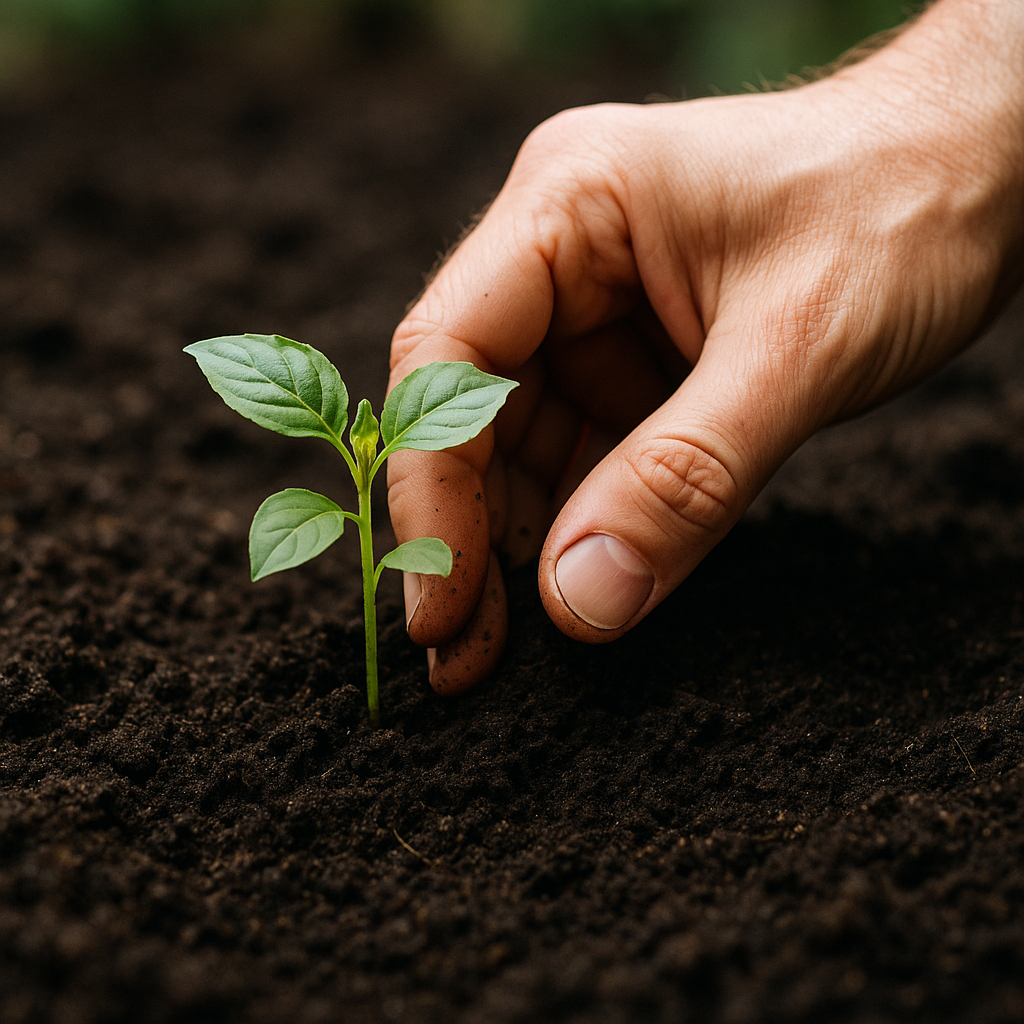
Discover how the Overberg's "Reforest Fest" is redefining South African tourism, turning holidays into impactful restoration efforts.
Rooted Rhythms is a South African festival that's changing how we travel. Instead of just visiting, you become part of fixing nature. Imagine planting trees, learning cool stuff about the earth, and dancing to music, all while helping the environment. It's a fun way to enjoy a holiday and make the world a better place at the same time.
What is the Rooted Rhythms festival?
Rooted Rhythms is a four-day regenerative festival in South Africa that combines ecological restoration with cultural celebration. It involves activities like tree planting, educational workshops, scientific presentations, and music, aiming to repair environmental damage caused by tourism while fostering community engagement and providing local economic benefits.
Get Cape Town news in your inbox
Stay updated with the latest stories from the Mother City.
I. The Hidden Cost of the Perfect Instagram Shot
The Western Cape’s billboards promise three colours: the shock-blue swirl where two oceans meet, the acid-neon of mountain fynbos, the burnished gold of vineyard rows at dusk. Left out of the glossy spread is the fine print: every overnight stay booked in the province chews up, on average, 2.3 square metres of virgin soil somewhere else - think new cul-de-sacs, septic tanks, parking bays, splash-pool decks. Multiply by 11 million annual visitors and the “picturesque” turns into a crater.
Remote-sensing data collated by the University of Cape Town show that between 1990 and 2023 the region lost 58 % of its dense subtropical thicket - once a living mattress of spekboom, ironwood, wild olive and milkwood that stretched from the folded mountains to the beaches. What remains are ecological islands too tiny for the animals that evolved inside them: geometric tortoises, Cape grysbok, forest-weavers, fourteen species of long-tongued solitary bees. Farming and invasive plants share the blame, yet tourism - the industry that claims to adore the scenery - rarely tallies its own tab.
That contradiction now rankles travellers themselves. A 2024 booking-platform poll found 63 % of visitors wanted “some way to fix the damage my holiday causes,” but only 11 % discovered an on-site option. Into that vacuum arrives a disarmingly simple notion: what if the vacation itself became the repair job?
II. Bodhi Khaya: Where Science Puts on Festival Wristbands
Bodhi Khaya Retreat sits 26 km east of Stanford beneath the Babylonstoren ridge. The name marries two languages - Bodhi (Sanskrit for waking up) and Khaya (Xhosa for home) - and the biology is equally mixed. Fog-soaked afro-montane forest survives in the kloofs, while the plateau has been grazed for 150 years, erasing so much fynbos that botanists can no longer locate 40 % of the species recorded here in 1965. In 2016 the owners signed a 99-year conservation servitude, slammed the gate on further ploughing and waved in restoration ecologists.
Greenpop chose the farm for its first Reforest Fest in 2018, treating a modest long-weekend picnic like a living laboratory. Since then 18 000 volunteers have driven 42 000 indigenous stems into 42 ha. Average canopy cover has jumped from 8 % to 37 %, trimming mid-summer soil temperatures by 3.4 °C and adding eleven tonnes of carbon per hectare. Camera traps now register bushbuck, caracal and the odd Cape leopard - creatures absent since the 1970s.
The recipe fuses peer-reviewed science with full-volume celebration. Every sapling carries a laser-etched QR tag; scan it from the ridge a decade from now and a cloud-hosted time-lapse will show “your” tree breathing through the seasons. Contour-planted swales slow storm-runoff and have resurrected a spring that had been dry for thirty years; it began seeping again in 2022.
III. The Easter Blueprint: Four Days That Reboot Soil & Soul
The 2026 edition opens at 14:00 on Thursday 3 April with a “rooting-in” ritual: a local herbalist steeps buchu and honeybush over a rocket-stove, pours the brew onto the ground and invites guests to scribble an intention on a biodegradable tag buried beside the first sapling. Timing is strategic: most urban South Africans already have four consecutive days off, schools are closed, and the sun rides low enough that seedlings avoid brutal evapotranspiration.
Friday splits into three rotating strands. Body-strand starts with sunrise yoga on a limestone outcrop, segues to mountain-bike runs along 19th-century wagon trails and ends with a pesto class starring foraged sorrel and wild garlic. Mind-strand stages talks on fire-adapted flora, a workshop turning invasive wattle into biochar and a panel on regenerative tourism starring the CEO of Cape Town Tourism and a 19-year-old eco-rapper from Khayelitsha. Hand-strand covers willow-weaving, botanical-ink illustration and a repair-café where grannies teach visible-mending while Afrikaans hip-hop crackles from a solar rig.
Flagship planting happens Saturday before lunch. Grid crews scatter across twelve cells armed with composted pine-bark, 40 cm saplings and orange marker flags. The beat is provided by Japanese reggae-fusion outfit FUNKIST, who offset their Tokyo–Cape Town flights by planting double the trees their tour displaces. Sunday leans into Easter metaphors - resurrected soil, resurrected community. A dawn, multilingual service meets beneath a 400-year-old yellowwood. Kids receive hand-carved wooden eggs stuffed with heirloom tomato seed instead of chocolate, urged to carry resurrection back to balconies and back-yard patches. Monday is mulch-and-move-on day; shuttles running on 30 % biodiesel (refined from 67 participating restaurants’ used oil) cart tired but lighter-footed travellers home.
IV. Brainy Nightlife: When Researchers Become Headliners
Beyond the marquee acts - Crimson House Duo, DJ Okapi, FUNKIST - the deeper draw is a shadow line-up of scientists moonlighting as performers. Dr Alanna Rebelo, Stellenbosch post-doc, leads twilight “Wetland Whisperer” walks, submerging a hydrophone so guests can eavesdrop on dragon-fly nymphs clicking underwater. Former Table-Mountain ranger Lungisani Gada hosts black-light “spoor nights,” revealing fluorescent scorpions and neon millipede trails. Eight-year-old Mikhail Rhode - last year’s Kid Scientist champion - presents data proving festival-goers drop 38 g of litter per hour when bins migrate just five metres (a 60 % spike).
Between 2023-26 Greenpop formalised this knowledge carnival by letting any ticket-holder pitch a R10 000 micro-project on the Friday night; the crowd votes with coloured glass beads. Winners score seed funding plus a mentor from the on-site science committee. Alumni include a mycelium-based biodegradable tent, an AI beach-clean-up drone trained to separate jellyfish from plastic, and a Xhosa/English comic book on climate grief now used in 120 rural schools.
V. Ledger of the Long Game: Jobs, Wages, Neighbourhoods
Restoration festivals risk the “green-grab” label - outsiders plant, selfie and bolt while local joblessness hovers above 25 %. Reforest Fest counters this with a five-year Community Benefit Agreement signed with the Stanford Civic Association. Every hectare restored sponsors two local youths through a paid, 12-month learnership accredited by the Wildlife & Environment Society. Graduates walk away with a chainsaw licence, first-aid ticket and start-up mentoring; 68 % have launched small businesses - alien-clearing crews, indigenous nurseries, eco-brick furniture studios.
Accommodation mirrors the ethic. The cheapest pass (R950) scores you a pitch in the bring-your-own-tent meadow patrolled by formerly homeless “security guides” now trained and salaried. The priciest option (R6 500) is a glamping tent stitched from upcycled advertising billboards, serviced by women from Baardskeerdersbos who earn 30 % above hospitality minimum wage plus a monthly grocery stipend loaded on a blockchain-verified smart card.
Food follows regenerative principles: whole carcasses from holistic-grazing farms, organ-meat tacos, bone-broth that warms dawn planters. Produce arrives from within 100 km; anything trucked farther incurs a 15 % internal carbon levy that feeds the micro-grant pot. Alcohol is rationed to one drink per hour via a digital token that resets only when you drop your compostable cup into an on-site biodigester powering the cold-room. Crime is virtually nil - researchers chalk it up to the “guardian audience” effect: 1 800 people who feel they co-own the land provide better social surveillance than any fence.
VI. Spreading Spekboom: Policy, Cities, Continents
Cape Town itself is testing “Urban Reforest Fest” in Langa’s BB Section. On the first Sunday of every month residents convert a former dump into a pocket forest using the dense Miyawaki method. The maiden 100 m² plot, planted in March 2025, already records 30 % cooler ambient temperatures during heatwaves; primary-school kids have shelved asthma pumps on soccer days.
Global actors are paying attention. The UN World Tourism Organisation will publish a Reforest Fest case study in September 2026, arguing that regenerative festivals could be the fastest route for destinations to meet the Glasgow Declaration’s 50 % tourism-emission cut by 2030. Pilot spin-offs are germinating outside Sacramento, across lignite-scarred northern Greece and on Sri Lanka’s coral-rubble southern coast. Each adapts the playlist to local culture, yet all keep three non-negotiables: plant something alive, measure it, pay local youth for the labour.
VII. DIY Restoration: A Five-Step Recipe You Can Steal
Can’t reach the Overberg this April? Greenpop distilled the mechanics into an open-source blueprint:
- Locate 1–10 ha of degraded ground within 50 km of people - abandoned golf course, road verge, closed landfill.
- Swap PowerPoint for a public braai to secure neighbourhood buy-in; stories travel faster than slide decks.
- Sell “tree rings” (R50 = one seedling) at weekend markets; payout only after a geotagged one-year photo.
- Schedule at least one activity that demands cooperation - drum circle, mass cook-up, group yoga - so strangers speak to each other.
- Upload data to an open platform within 30 days; transparency inoculates against vanity-greening claims.
Since January 2025, 38 grassroots teams from 14 countries have logged mini-festivals, planting 87 000 stems and rising. None hosts more than 600 people; all report an unexpected after-shock - a 25 % bump in neighbourhood volunteering six months later, tracked via crèche upgrades, food-bank shifts and community-garden hours. Repair, it turns out, is contagious.
VIII. Tickets, Toilets, Tiny Details
Babies under three enter gratis; teens pay half. An online calculator will add roughly 4 % to your ticket if you drive alone from Cape Town, 2 % if you car-pool, nothing if you train-and-shuttle. Hire tents on site, but pack a sleeping bag; nights can dip to 9 °C. There is no ATM - everything runs on a cashless wristband topped up via SnapScan or Apple Pay. Pets stay home; neighbouring livestock-guardian dogs dislike cocker spaniels. Cell reception is patchy; WhatsApp can lag 20 min - warn the parents.
IX. The Seed You Walk Away With
At the exit gate every wristband is swapped for one fist-sized seed ball matched to your postal code. The instruction is hilariously brief: “Plant within seven days somewhere you can legally return.” Greenpop’s map already stores 42 000 geotagged seed-ball drops from Pretoria gardens to Orange River campsites. About 38 % germinate - on par with commercial rewilding contracts - but the bigger win is narrative: each participant becomes a long-term lookout, the person who notices when a developer eyes “their” patch of veld, who drags friends back after the first spring rains to admire a thumb-high seedling.
In a province where tourism once harvested views and mailed only invoices, slipping a seed into your pocket is a low-volume revolution. It converts every future road trip - however short - into a potential act of homecoming.
What is the Rooted Rhythms festival?
Rooted Rhythms is a unique four-day regenerative festival in South Africa that blends ecological restoration with cultural celebration. It's designed to transform the typical tourist experience into an active contribution to environmental repair. Attendees participate in activities like tree planting, educational workshops, and scientific presentations, all set to a backdrop of music and community engagement. The festival aims to repair environmental damage, foster community, and provide economic benefits to local populations.
Where is Rooted Rhythms held?
The festival takes place at Bodhi Khaya Retreat, located 26 km east of Stanford, beneath the Babylonstoren ridge in the Western Cape, South Africa. This site was chosen for its ecological significance and its history of successful restoration efforts, having been the location for Greenpop's first Reforest Fest in 2018. The name 'Bodhi Khaya' combines Sanskrit and Xhosa, meaning 'waking up home'.
What kind of activities can I expect at Rooted Rhythms?
Rooted Rhythms offers a diverse range of activities over its four days. These include hands-on ecological restoration like flagship tree planting events, educational workshops on topics such as fire-adapted flora and biochar production, and scientific presentations from experts. There are also cultural and well-being activities like sunrise yoga, mountain biking, pesto classes, willow weaving, and live music performances from various artists. Evenings feature 'Brainy Nightlife' where scientists become headliners, leading unique experiences like 'Wetland Whisperer' walks and 'spoor nights'.
How does Rooted Rhythms address the environmental impact of tourism?
The festival directly counters the environmental impact of tourism by turning the vacation itself into a repair job. Through activities like planting indigenous trees and converting invasive plants into useful materials, participants actively contribute to restoring degraded ecosystems. The festival also measures its impact, with every sapling carrying a QR tag for long-term monitoring, and employs sustainable practices for food, waste management, and transport, such as using biodiesel shuttles and rationing alcohol with compostable cups that power biodigesters.
How does Rooted Rhythms benefit the local community?
Rooted Rhythms is committed to providing significant local economic and social benefits. It operates under a five-year Community Benefit Agreement with the Stanford Civic Association. This includes sponsoring local youth through paid learnerships accredited by the Wildlife & Environment Society, leading to qualifications and start-up mentoring for small businesses. The festival also creates jobs, employing formerly homeless individuals as security guides and women from local communities for glamping services, paying them above minimum wage with additional benefits. Food sourcing prioritizes local producers, and an internal carbon levy on non-local produce feeds a micro-grant fund for community projects.
What unique elements does Rooted Rhythms offer compared to other festivals?
Rooted Rhythms distinguishes itself by integrating peer-reviewed scientific restoration with full-volume celebration. It offers a 'knowledge carnival' where ticket-holders can pitch micro-projects for seed funding and mentorship from a science committee, leading to innovations like AI beach-clean-up drones and educational comic books. The festival also fosters a 'guardian audience' effect, where participants feel co-ownership of the land, resulting in virtually no crime. A unique closing ritual involves swapping wristbands for a seed ball matched to your postal code, encouraging ongoing personal ecological involvement and turning every future road trip into a potential act of homecoming.

Sarah Kendricks is a Cape Town journalist who covers the city’s vibrant food scene, from township kitchens reinventing heritage dishes to sustainable fine-dining at the foot of Table Mountain. Raised between Bo-Kaap spice stalls and her grandmother’s kitchen in Khayelitsha, she brings a lived intimacy to every story, tracing how a plate of food carries the politics, migrations and memories of the Cape.
View all articles →