
Sip into the spirit of the valley at Franschhoek Cellar
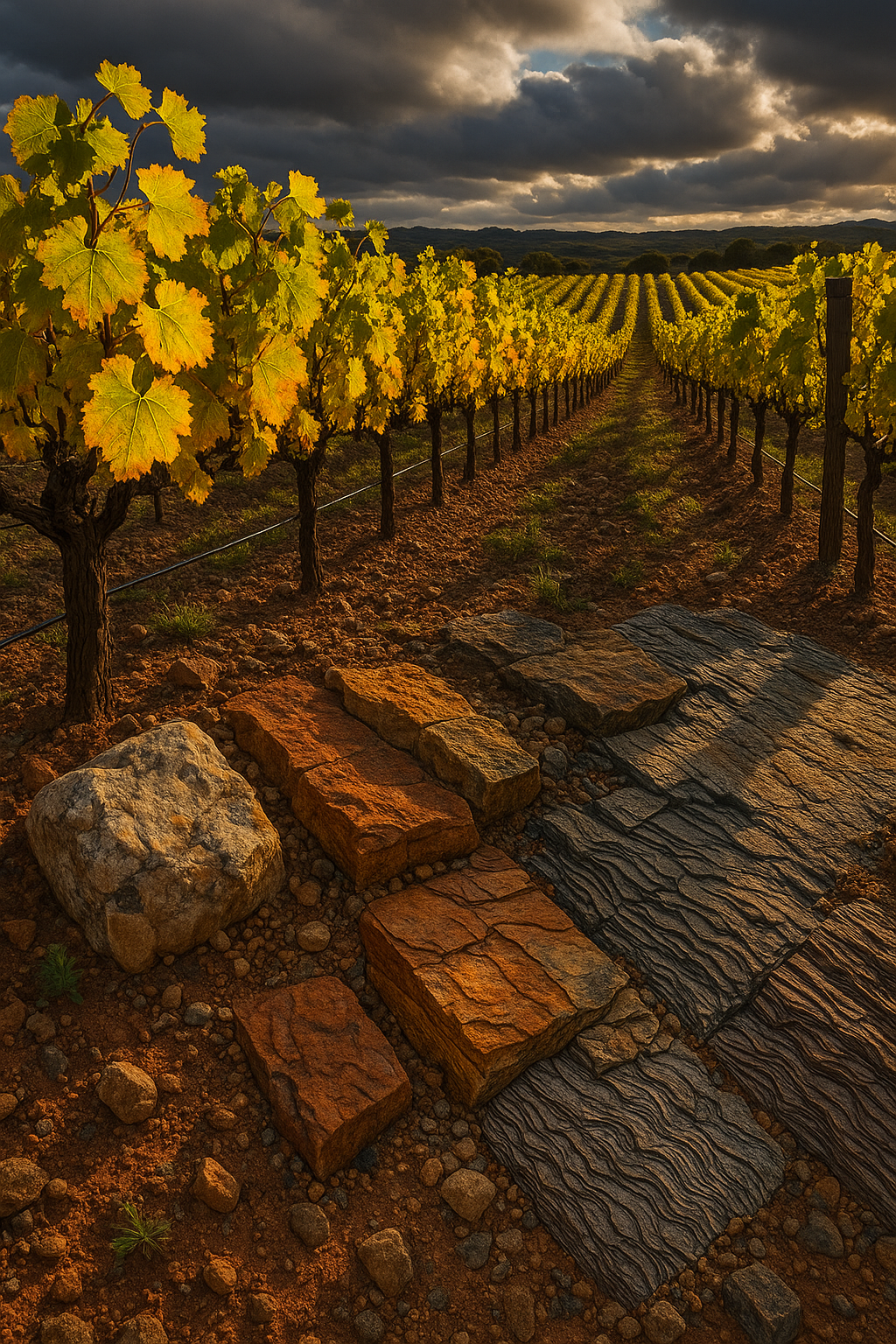
Discover Franschhoek Cellar: a historic winery where ancient methods meet modern sustainability, crafting wines deeply rooted in unique terroir.
Franschhoek wines are special because of the valley's amazing land, which has different kinds of dirt and rocks. This helps make wines like crisp Sauvignon Blanc and rich Shiraz. Winemakers use old-fashioned ways and careful tasting to create wines that feel super smooth, like cashmere. They really focus on how the soil, rocks, and sun make each wine unique and full of character.
What makes Franschhoek wines unique?
Franschhoek wines are unique due to the diverse geology of the region, allowing for distinct flavor profiles like Sauvignon Blanc with electrical crackle and Shiraz with midnight ink. Winemakers, like Ryan Puttick, focus on traditional, berry-level analysis and antique equipment to produce wines with a signature "cashmere grip," reflecting the valley's soil, stone, and sunlight.
Get Cape Town news in your inbox
Stay updated with the latest stories from the Mother City.
1. A Gateway That Refuses to Rush You
The farm never leaps out at you. Instead, it hides behind a colonnade of grandfather oaks, magenta bougainvillea flickering like stained glass against the stone arch. Motorists usually sail past, lulled by the valley’s snow-dusted skyline, then brake in mild embarrassment when sunlight ricochets off bottle-green panes and they realise the entrance has already slipped behind them. That unforced pause is the first promise: here, nothing will hurry you.
The 1902 stone pack-shed still carries the breath of its former life: dried apricot, cling-peach and the faint iodine tang of sulphur trays. When new custodians arrived in 2006 they left the earthquake scar, the ox-blood screed and the iron trusses exactly where history placed them. Solar panels, a cantilevered tasting bay and a climate-controlled barrel hall were tucked in so discreetly that, from the road, the youngest visible element still looks pensionable.
Step past the threshold and clocks lose authority. Cicadas replace cell-phone reception, the mountain’s afternoon shadow becomes the only sundial that matters, and you discover that revelation prefers sauntering to sprinting.
2. Dirt Comes Before Drama
Behind the cellar the ground rips open like a geology pop-up book. Within fifty paces you can crumble decomposed granite, flake Table Mountain sandstone and knead clay-rich Bokkeveld shale. That kaleidoscope is why Sauvignon Blanc can crackle with electricity while twenty metres away Shiraz oozes midnight ink.
Winemaker Ryan Puttick begins each January at berry level, not test-tube level. He insists skins gossip more honestly about midnight chills or nitrogen stress than any chromatogram. His kit is deliberately antique: a rattling 1970s basket press, open concrete tanks sealed with beeswax, enamel teacups tagged for each block so interns can slurp fermenting must on the hour and taste place rather than tank.
The payoff is a texture regulars call “cashmere grip”: silky enough for instant seduction, granular enough to promise grey-haired complexity. No make-overs, only manuscripts faithfully transcribed.
3. Bottled Village Stroll
The Village Walk trio turns local folklore into portable geography.
-
Statue de Femme Sauvignon Blanc* nods to the marble sentinel in the square who still shades her eyes for a ship that never docked. Grapes are snipped at 21.5˚Brix under a torch-lit canopy to lock in thiol fireworks, then left on lees while passing tractors perform the only batonnage. Snow-pea, nettle and a blush of white peach arrive as a liquid postcard from the pack-shed’s stone fruit past.
-
Baker Station Shiraz* tips its hat to the derelict railway halt where grandparents once waited for a steam engine that exhaled its last breath in 1985. Thirty percent whole bunches lend black-cardamom crackle, and the wine hitches a ride in second-fill Verdelho barrels so fruit reaches the platform before oak does.
-
Church Lane Chenin Blanc*, released in 2022, completes the triptych. Own-rooted 1972 vines dodged leaf-roll plague thanks to granite drainage; the ferment spends eight months in Villarobledo clay, emerging with a saffron echo of the earliest Cape spice route.
Scan the hand-drawn QR code and historic scenes bleed onto your screen while you swirl: the oak sapling becoming a giant, the station clock rusting to stillness, the church steepling skyward as wagons roll by. Past and present drink together.
4. Theatre of Taste
Inside, corks sigh, glasses chime and espresso steam duets with cicadas. Flights lift off only when every stool is taken; departure lounges do not exist. Chef Anri Diener swapped city Michelin glitter for her grandmother’s nearby fields. She dusts duck-fat biltong over micro-herbs grown in a split wine tank, turning Baker Station into black-cherry buchu velvet. Goat’s-milk panna cotta, poached in early-harvest figs and Viognier, persuades the Sauvignon Blanc to confess Cape-gooseberry secrets. Menus rotate with the moon because seasonality is scripture, not slogan.
Adventurers can duck into the library alcove where 150 vintages sleep at 14 °C under terracotta vaulting. Port tongs heated to 300 °C behead a 2009 Merlot, releasing pomegranate-iron perfume; a 2013 straw wine offers burnt orange and heather. Four minutes of theatre feel like slow-motion sacrament.
5. Cottages Where Dawn Smells Like Rain
Rose and Protea cottages once housed vineyard labourers; today poplar beams remain but clerestory knives carve dawn into moving geometry. Shower floors cup river pebbles that exhale petrichor when hot water hits, anchosing guests to the watershed. Spring water, icy from the mountain, loops around the cellar’s refrigeration coils before entering plunge pools - an energy waltz that chills wine and warms swimmers.
A Murphy bar drops to reveal an experimental bottle that has never worn a label. Visitors jot impressions into a leather journal; several crowd-sourced tweaks - lower sulphur, earlier Grenache picking - have already graduated to commercial cuvées. You sleep, you sip, you steer the future.
6. Festivals Carved by the Sun
Seasons are celebrated in situ. February’s Harvest Table Long Lunch strings three forty-metre tables between vine rows; guests pick at dawn, then devour must-marinated lamb and ferment-juice sorbet at noon.
May’s Night Harvest floats 300 candles in demijohns, turning Cabernet blocks into starry runways. Fruit pressed at 4 °C keeps violet nuances that daylight would steal.
November’s Protea Festival converts the parking bay into a botanical runway: 180 varieties of king, pincushion and blushing bride, each sale funding the volunteer fire brigade - an elegant nod to summer’s latent threat.
Stone Yard and Canopy Deck host only one wedding per weekend so pruning shears never compete with photographer lenses. Corporate groups build stone bridges across the dam or defend a single 225-litre barrel before a jury that includes the farm’s oldest labourer - palate valued above any medal.
7. Future Written in Sunlight and Scholarships
In 2023 the estate became the first local winery to neutralise its entire glass carbon trail. Partnering with a Namibian plant, windscreen shards are melted by concentrated solar furnaces, birthing “sun glass” tinted the pale Atlantic you see from the pass. Each Village Walk punt carries a mirror-born ripple you can feel with your thumb - sunshine trapped twice, once in grape and once in vessel.
Beyond the valley, a scholarship ships one vineyard worker’s child to the University of Cape Town annually - on the sole condition they study anything but viticulture. Engineers, epidemiologists and astrophysicists emerge, bound by a group chat called “Dirt Scholarships” and quarterly blind tastings in isiXhosa, Afrikaans and English.
When night finally folds over the vines, Cape eagle-owls clap their wings like opening umbrellas while porcupines gnaw cuttings for salt. Insomniac viewers across five continents stream the midnight feast, betting on which rodent will photobomb next.
Dawn snaps the mountain shadow back so fast a Chardonnay leaf shifts from indigo to chartreuse between heartbeats. By 06:30 baguettes arrive, their crusts salted by Franschhoek’s mineral water, and the valley decides - unhurried, unconcerned, but already writing tomorrow’s chapter in the language of soil, stone and sunlight.
What makes Franschhoek wines unique?
Franschhoek wines are special due to the valley's unique and diverse geological makeup, which includes decomposed granite, Table Mountain sandstone, and Bokkeveld shale. This varied soil composition allows for the production of a wide range of wines, from crisp Sauvignon Blancs with an 'electrical crackle' to rich Shiraz with 'midnight ink' characteristics. Winemakers in the region emphasize traditional methods, focusing on the intimate connection between the soil, rocks, and sun, which imparts a distinctive 'cashmere grip' texture to their wines.
How do winemakers in Franschhoek achieve their distinctive wine characteristics?
Winemakers like Ryan Puttick employ traditional, hands-on techniques rather than relying solely on modern technology. They analyze grapes at the berry level, believing that the skins offer more honest insights into the vintage conditions. They also utilize antique equipment, such as a 1970s basket press and open concrete tanks sealed with beeswax, to cultivate wines that faithfully express their terroir. This meticulous approach results in a unique texture known as 'cashmere grip' – a balance of silkiness and granular complexity.
What is the 'Village Walk' wine trio?
The 'Village Walk' is a trio of wines that translates local Franschhoek folklore into a tangible tasting experience, each reflecting a specific aspect of the village's history and geography. It includes the Statue de Femme Sauvignon Blanc, named after a local marble sentinel; the Baker Station Shiraz, which pays homage to a derelict railway halt; and the Church Lane Chenin Blanc, made from ancient 1972 vines. These wines offer a 'portable geography' of the region, allowing drinkers to connect with its past.
What unique experiences are offered at the Franschhoek wine estate?
The estate offers a range of unique experiences beyond standard wine tasting. Guests can enjoy a 'Theatre of Taste' with food pairings crafted by Chef Anri Diener, whose menus rotate with seasonal ingredients. There's a library alcove housing 150 vintages, where visitors can partake in a 'slow-motion sacrament' of older wines, often served with traditional port tongs. For accommodations, cottages that once housed vineyard laborers now provide a serene retreat, featuring amenities like river pebble showers and plunge pools cooled by the cellar's refrigeration system. There's even a 'Murphy bar' with experimental, unlabeled bottles for guests to sample and provide feedback, influencing future commercial cuvées.
How does the estate celebrate the changing seasons?
The estate celebrates the seasons with unique festivals and events. February hosts the Harvest Table Long Lunch, where guests pick grapes at dawn and then enjoy a feast among the vines. May brings the Night Harvest, illuminating Cabernet blocks with candles for a special evening pressing. In November, the Protea Festival showcases 180 varieties of proteas, with sales supporting the local volunteer fire brigade. These events seamlessly blend winemaking, nature, and community engagement.
What are the estate's initiatives for sustainability and community involvement?
The Franschhoek estate is a leader in sustainability and community support. In 2023, it became the first local winery to achieve carbon neutrality for its glass bottles by partnering with a Namibian plant to produce 'sun glass' from recycled windscreen shards using concentrated solar furnaces. Beyond environmental efforts, the estate funds a scholarship program, sending one vineyard worker's child annually to the University of Cape Town to study any subject other than viticulture. This initiative fosters diverse educational opportunities within the community, with alumni maintaining connections through a 'Dirt Scholarships' group chat and quarterly blind tastings.

Tumi Makgale is a Cape Town-based journalist whose crisp reportage on the city’s booming green-tech scene is regularly featured in the Mail & Guardian and Daily Maverick. Born and raised in Gugulethu, she still spends Saturdays bargaining for snoek at the harbour with her gogo, a ritual that keeps her rooted in the rhythms of the Cape while she tracks the continent’s next clean-energy breakthroughs.
View all articles →