
Slow Jams Cape Town is back and your ex might cross your mind
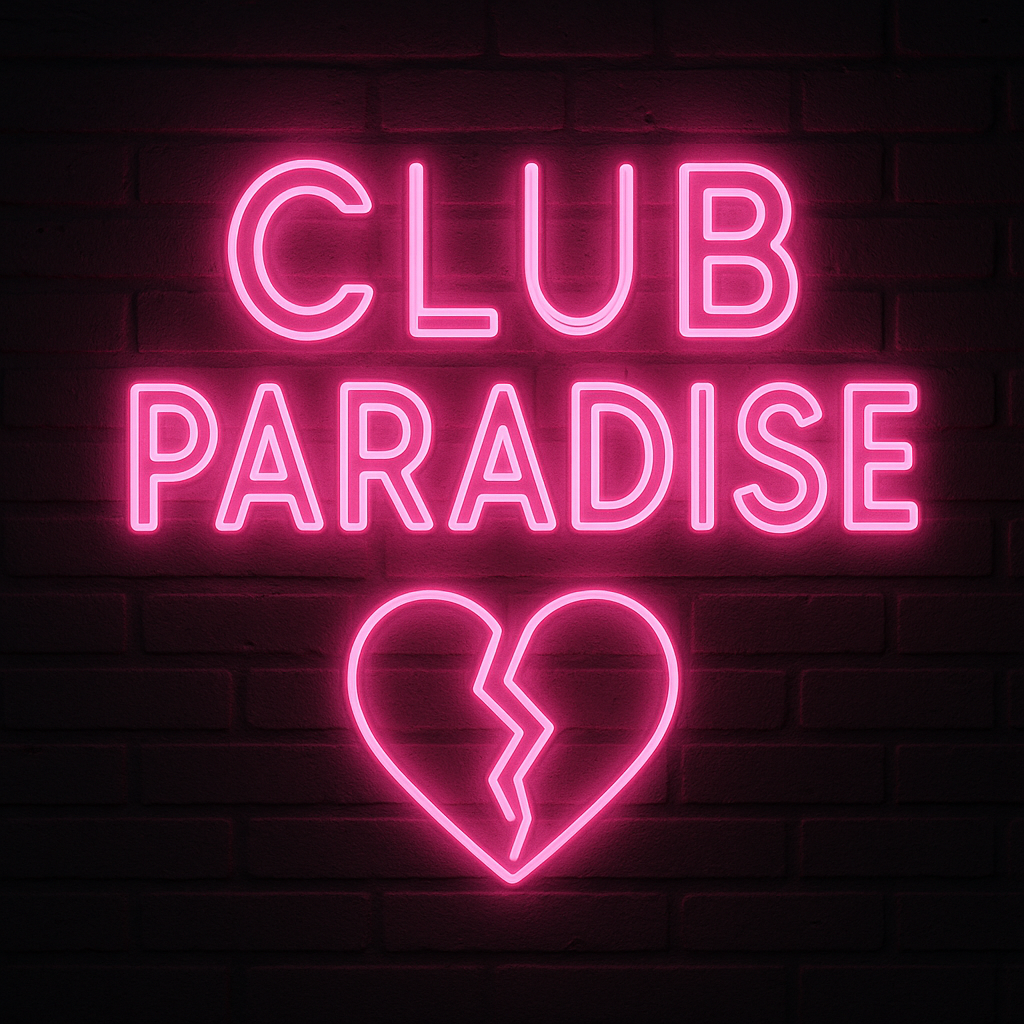
Cape Town's Club Paradise hosts a unique "Slow Jams" night, designed to evoke nostalgia and emotional release with 90s R&B, curated vibes, and a strict no-frills policy.
Cape Town's '65 BPM Experiment' is a unique event at Club Paradise, drastically slowing dance music to a pre-cry pulse. It's designed to evoke deep emotions and nostalgia, with different rooms representing stages of grief. The event shuns corporate sponsorship, focusing on communal healing and genuine connection. It promises a night of intense feeling, culminating in a gentle, yet profound, emotional release.
What is the '65 BPM Experiment' in Cape Town?
The '65 BPM Experiment' in Cape Town is an event at Club Paradise that drastically slows down the typical club music from 128 BPM to a
Get Cape Town news in your inbox
Stay updated with the latest stories from the Mother City.
The City That Usually Raves at 128 BPM Slows to a Pre-Cry Pulse
Cape Town’s witching hour is normally a hurricane of clanging hi-hats and bitcoin-logo strobes, but on 21 March the metronome drops almost by half. From 9 p.m. until the first sparrows wheel above Signal Hill, Club Paradise will swap its customary four-on-the-floor punch for the syrupy lope of 1990s swing and 2000s Rhodes lullabies. The flyer does not promise a party; it issues a medical warning: “May provoke acute nostalgia, reckless texting, and the belief that 3 a.m. is the perfect hour for full disclosure.”
No international headliner is hyped, no “FREE BEFORE TEN” bait is dangled. The only dare is a single line: “Dress cute, feel everything, exit slightly unsteady.” Tickets started at a shy R150, then climbed in emotional tiers - R200 if you once slow-danced to K-Ci & JoJo in a high-school hall; R250 if you can still recite your first AIM chat address from memory. Seven hundred and fifty sold in 48 hours, four out of five bought by women who ticked “season of singleness” on the Google form.
The brains behind the concept, event producer Mbali Tokota, swears she isn’t selling sadness; she’s renting a communal exhale. “We never had the visual luxury growing up,” she says, recalling nights in Gugulethu taping fuzzy FM mixshows. “Now we over-correct - projecting Hype Williams fisheyes onto brick because we finally can.”
Inside the Warehouse: Five Rooms, Five Stages of Late-Night Grief
Club Paradise, a hollowed-out storage depot beneath the N2 flyover, has been gutted and padded for softness. The LED monolith that once blasted crypto gifs now loops VHS sunsets, phone-booth kisses and purple lightning last seen in 1996. Lighting designer Zara Adams spent three days slipping amber and rose gels over every can - colours scientifically proven to blur pores and turn every punter into a vinyl sleeve. Bartenders have rehearsed whispered greetings: “What’ll heal you tonight?” The house cocktail, Thirsty, Heart?, marries hibiscus, tequila and Magnolia bitters so it tastes like the voicemail you never answered.
The floor plan is literally the Kübler-Ross model. Walk through Denial and you’ll vanish into a fog bank timed to the heartbeat that opens Aaliyah’s “Are You That Somebody?” Detour left into Anger, a Polaroid confessional where guests scorch rage-letters onto carbon paper; duplicates will be wheat-pasted into a sunrise collage. The main dance floor, Bargaining, dangles two mirror-balls at forehead height so you can watch yourself negotiate “just one dance” with someone still saved in your phone as purple-heart emoji.
Behind the booth, Depression is a curtained alcove with fifteen beanbags cut like ruptured hearts. UCT masters student Lwandle Nkosi will circle-breathe a saxophone through a whammy pedal so the notes sag like damp laundry. At 1 a.m. the sub-bass will duck completely, letting his exhale become the percussion - an old quiet-storm trick never before risked live. Outside in Acceptance, pink café bulbs flicker over vetkoek stuffed with condensed milk and a phone drop-box nicked from Tokyo jazz speakeasies. Donell Jones will serenade the smokers while they decide whether to surrender their screens until sunrise.
The Money, the Myth, the Micro-Economy of Melancholy
Corporate money was shunned; the only liquor sponsor is a Stellenbosch micro-distillery that ages gin in Rooibos barrels and lists “closure” among its tasting notes. Bartenders float butterfly-pea tea that shifts from indigo to blush when citrus is squeezed, mirroring every slow-jam that flips from minor to major on the final chorus. Spotify reports a 38 % spike in Cape Town slow-jam playlists since tickets dropped; local violinist Vuyo Tshuma’s string cover of “Nice & Slow” now headlines Apple Music’s City Vibes banner.
Security guards trade standard black tees for tailored charcoal blazers and practise gentle let-downs: “He’s just not that into your vibe tonight, sis.” Ear-piece cords are cotton-candy pink so their radio chatter looks like Cupid’s printed-circuit board. A mobile hair-straightening van idles curbside for R30 pop-and-lock touch-ups, finishing each client with a spritz of pheromone oil named Rebound. Should Eskom pull the plug, twin silent generators wrapped in foam and hidden behind scented smoke will keep the 55-bpm pre-cry plateau steady; if the grid behaves, surplus juice powers a bubble machine that launches heart-shaped glycerine moons over the courtyard.
Travel agents now bundle the R150 ticket with a Saturday “Hungover, Honest” wine-route brunch. A Berlin couple will marry at midnight beneath the gutted white BMW E30 that references 2Pac-and-Jada lore, then honeymoon along the Garden Route with a playlist crowdsourced from strangers they haven’t met yet.
When the Lights Come Up at 96 dB - Legally, Emotionally, Physiologically
The city demanded the night stay under 96 decibels - hair-dryer territory - so engineer Byron Saul side-chained the kick to duck under vocal frequencies, proving mathematically that heartbreak can bulldoze hearts while still respecting municipal bylaws. Dr. Kelly Phelps, UCT music-therapy lecturer, expects a 48-hour cortisol crash once the dopamine invoice arrives; she praises the QR code on every bathroom mirror that gifts two free sessions with a counselling app. The sticker reads: If you came here to forget, remember to book the follow-up.
At 3 a.m. sharp the room will dilate into Donny Hathaway’s “A Song for You,” lights rising like an unwanted confession. Five hundred glow-stickers shaped like snapped hearts will drift from the ceiling, recharging under cellphone torches while guests blink their way onto the forecourt. Salt, petrol and freshly printed cotton will mingle in the Atlantic wind; someone will definitely sit on the curb, forehead on denim, looping a three-minute confession that felt six hours long.
Day-shift cleaners will hose the floor, watch glitter swirl into drains and wonder why every plastic cup smells of hibiscus and regret. Between sweep and mop a speaker will give one last click - an aftershock of bass that once persuaded an entire room it was safe to feel too much, then left before anyone could return the favour.
What is the '65 BPM Experiment' in Cape Town?
The '65 BPM Experiment' is a unique event held at Club Paradise in Cape Town. It drastically slows down dance music to 65 beats per minute (BPM), a 'pre-cry pulse', to evoke deep emotions, nostalgia, and facilitate communal healing. It's a departure from the typical high-energy club scene, focusing instead on emotional release and genuine connection.
How does the '65 BPM Experiment' create an emotional experience?
The event is meticulously designed to guide attendees through an emotional journey, often mirroring the Kübler-Ross model of grief. Club Paradise is transformed with specific lighting, scents, and musical selections in five different rooms: Denial, Anger, Bargaining, Depression, and Acceptance. Each room offers unique interactive elements, from fog banks and rage-letter stations to mirror-ball reflections and beanbag-filled alcoves with live saxophone music. This multi-sensory approach aims to provoke introspection and profound emotional release.
What kind of music can attendees expect at 65 BPM?
Instead of typical club beats, the '65 BPM Experiment' features music described as the 'syrupy lope of 1990s swing and 2000s Rhodes lullabies.' The event's low BPM allows for a focus on emotional depth in the music, including slow jams and atmospheric sounds. Musicians like UCT masters student Lwandle Nkosi perform live, using instruments like the saxophone with whammy pedals to create a unique, melancholic soundscape.
Is the '65 BPM Experiment' commercially driven?
No, the event actively shuns corporate sponsorship. Its focus is on communal healing and genuine connection rather than commercial gain. Tickets are priced in 'emotional tiers' and the event avoids common club promotions like international headliners or 'free before ten' offers. Even the liquor sponsor is a local micro-distillery, aligning with the event's independent and authentic ethos.
What unique features does Club Paradise offer for this event?
Club Paradise, a former storage depot, is completely transformed for the '65 BPM Experiment.' It features LED screens looping vintage visuals, scientifically chosen amber and rose lighting to soften appearances, and bartenders trained to offer comforting greetings and cocktails named 'Thirsty, Heart?'. The venue is designed to be 'padded for softness,' creating an intimate and emotionally supportive environment. There's even a mobile hair-straightening van and a phone drop-box to encourage attendees to disconnect from screens.
What happens at the end of the '65 BPM Experiment'?
The event culminates at 3 a.m. with Donny Hathaway’s “A Song for You,” as lights gently rise. Five hundred glow-stickers shaped like snapped hearts drift from the ceiling, and attendees are encouraged to reflect. The experience aims for a profound emotional release, with Dr. Kelly Phelps, a UCT music-therapy lecturer, anticipating a '48-hour cortisol crash.' To support post-event feelings, QR codes in bathrooms offer free sessions with a counselling app, emphasizing the event's commitment to mental well-being beyond the night itself.

Chloe de Kock is a Cape Town-born journalist who chronicles the city’s evolving food culture, from township braai joints to Constantia vineyards, for the Mail & Guardian and Eat Out. When she’s not interviewing grandmothers about secret bobotie recipes or tracking the impact of drought on winemakers, you’ll find her surfing the mellow breaks at Muizenberg—wetsuit zipped, notebook tucked into her backpack in case the next story floats by.
View all articles →